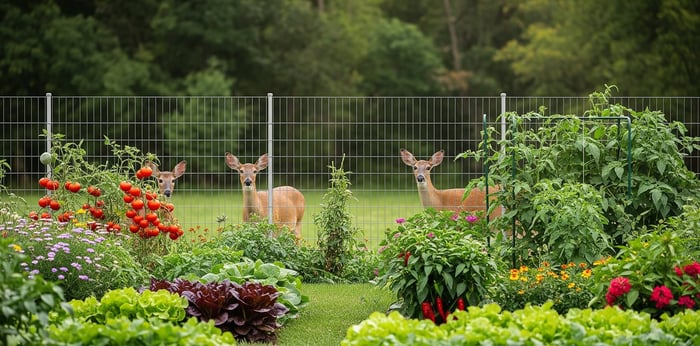
Imagine walking into your garden and being greeted by vibrant blooms and lush greenery, only to find that deer have turned your personal paradise into a buffet. It’s a frustrating scenario that many garden enthusiasts face.
But what if you could transform your garden into a sanctuary that deer admire from a distance, without nibbling on your prized plants? You’ll discover practical strategies to design a deer-proof garden. You’ll learn simple yet effective methods to protect your plants, ensuring your garden remains a haven for beauty and tranquility.
So, if you’re tired of the constant battle between your garden and hungry deer, keep reading to uncover the secrets to a flourishing, deer-resistant oasis. Your garden will thank you!
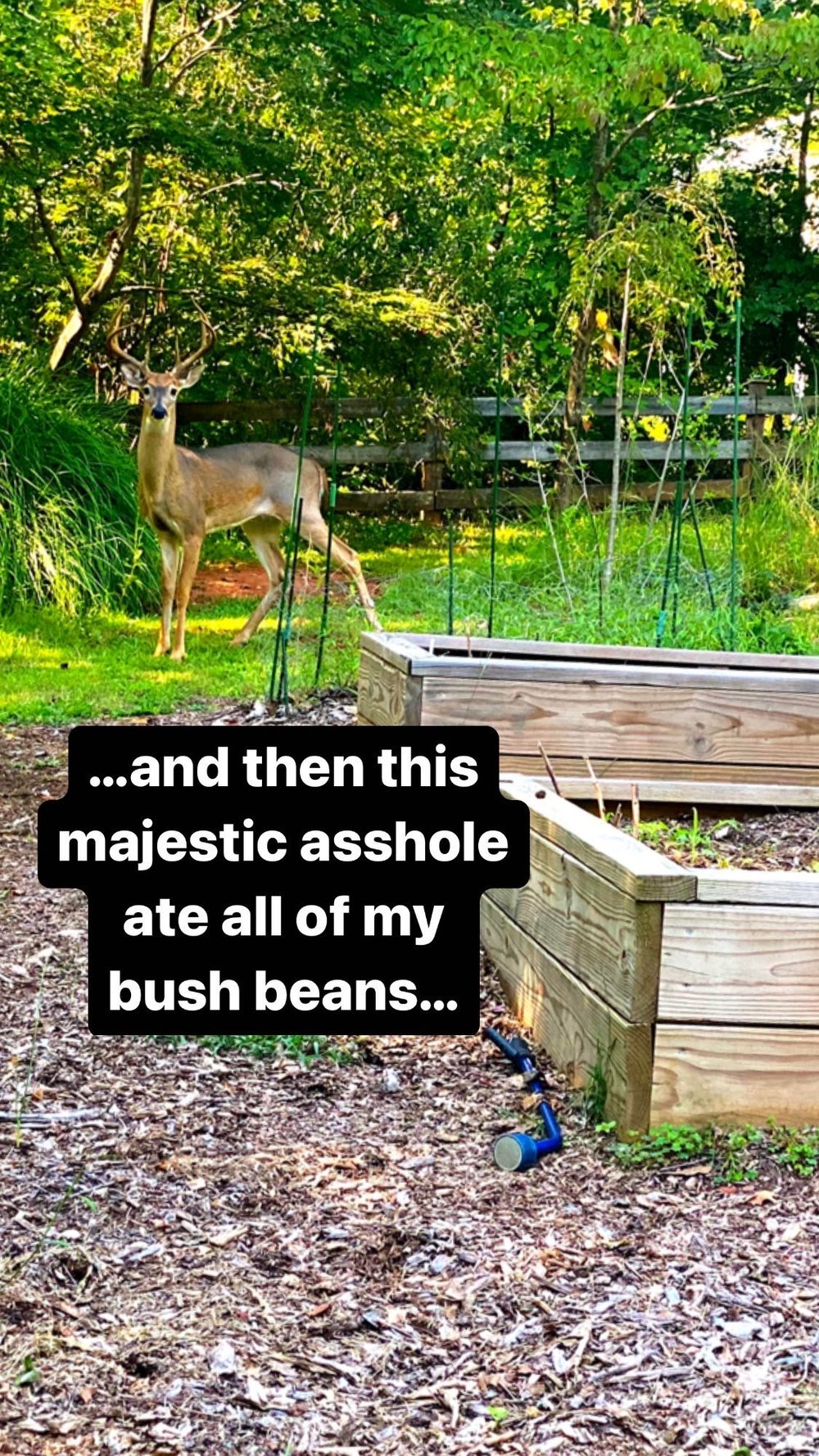
Credit: www.thunderbirddisco.com
Choosing Deer-resistant Plants
Design a deer-proof garden by selecting deer-resistant plants like lavender and yarrow. These plants deter deer with their strong scents or tough textures. Incorporate a variety of such plants to maintain a beautiful garden while keeping deer at bay.
Choosing deer-resistant plants is vital for creating a deer-proof garden. Selecting the right plants can deter deer and protect your garden’s beauty. Some plants naturally repel deer due to taste, texture, or scent. Below are some categories of deer-resistant plants to consider for your garden.Annuals And Perennials
Annuals and perennials offer vibrant colors and diverse textures. Many of these plants are less appealing to deer. Marigolds, snapdragons, and zinnias are annuals that deer often avoid. They have strong scents or bitter tastes. For perennials, consider lavender, daffodils, and yarrow. These plants have unique textures or aromas that deer dislike.Shrubs And Trees
Shrubs and trees create structure and height in gardens. Choosing deer-resistant varieties can maintain this design without damage. Boxwood and juniper are shrubs that deer usually ignore. They have dense foliage and strong scents. For trees, consider planting spruce or pine. Their needles and resin can deter deer effectively.Herbs And Groundcovers
Herbs and groundcovers can add greenery and depth to your garden. Many herbs are naturally deer-resistant due to their strong aromas. Rosemary, sage, and thyme are excellent choices. Groundcovers like vinca and creeping phlox can also deter deer. Their dense growth pattern and texture make them less appealing.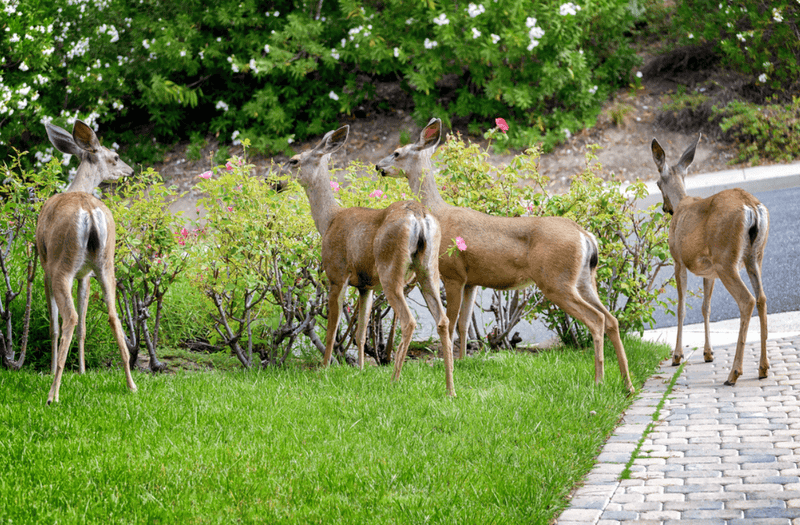
Credit: gardenforwildlife.com
Strategic Plant Placement
Strategic Plant Placement Place deer-resistant plants like lavender and marigolds at garden edges. This deters deer from entering further. Mix strong-scented herbs and thorny shrubs throughout. These create barriers and protect vulnerable plants.
Strategic plant placement is vital in creating a deer-proof garden. Careful planning can deter deer and protect your plants. This approach uses natural barriers and structures to shield your garden.Planting Near Structures
Place plants near fences, sheds, or walls. These structures can block deer access. Choose plants that thrive in shade or partial sun. Structures can provide that cover. Deer may avoid tight spaces where they feel trapped. The proximity to buildings makes it harder for deer to maneuver. This method also protects plants from harsh weather.Using Natural Barriers
Use natural barriers like hedges or thick shrubs. These create a physical block for deer. Opt for thorny or dense plants. Deer dislike prickly surfaces. Layer plants of different heights. This creates a complex barrier. It can confuse and deter deer. Natural barriers blend with the landscape. They add beauty and protection simultaneously.Building Physical Barriers
Creating a deer-proof garden involves designing robust physical barriers. Choose sturdy materials and ensure fences are tall enough. Secure gates and edges to prevent deer from entering.
Building physical barriers is an essential strategy to protect your garden from deer. While deer are graceful creatures, they can wreak havoc on your carefully cultivated plants. Creating effective barriers not only prevents these animals from munching on your foliage but also ensures that your garden thrives. Consider how you can tailor these solutions to fit your garden’s needs and aesthetic.Fencing Options
Fences are the most straightforward solution to keep deer out. A tall, sturdy fence can be a game changer for your garden’s safety. Generally, deer can jump quite high, so aim for a fence that is at least 8 feet tall. If aesthetics are a concern, consider wooden fences or wrought iron designs to blend with your landscape. Electric fences offer an added deterrent, but weigh the cost and maintenance needs. You might find installing a double fence system—two parallel fences a few feet apart—to be effective; deer dislike narrow spaces.Netting Solutions
Netting is a versatile alternative when fencing isn’t feasible. It’s less obtrusive and can be tailored to specific areas within your garden. Lightweight, flexible, and easy to install, netting can cover individual plants or entire beds. Choose durable materials like polyethylene for longevity. Secure the netting tightly to prevent deer from slipping underneath. You can even use netting as a temporary solution in areas where deer activity is seasonal. Have you ever noticed deer nibbling on your flowers? Netting can be a lifesaver for those beloved blooms. It offers a discreet yet effective way to protect your garden without compromising its beauty.Incorporating Deterrents
Incorporating deterrents is vital for a deer-proof garden. Use natural barriers like thorny bushes or scented plants to deter deer. These additions can help protect your garden while maintaining its beauty.
Creating a deer-proof garden can be a challenge, especially when you want to preserve the beauty of your space without building a fortress. One effective strategy is using deterrents that gently persuade deer to graze elsewhere. These deterrents can be both subtle and innovative, ensuring your garden thrives undisturbed.Scent-based Deterrents
Deer have an incredible sense of smell, which you can use to your advantage. Consider planting herbs like rosemary, lavender, and mint, which are not only aromatic but also serve as natural barriers. You could also try hanging soap bars or using commercially available deer repellents, which often have strong scents that deer dislike. Another option is to sprinkle human hair or pet fur around your garden, as these can create an illusion of human presence.Motion-activated Devices
Modern technology offers some creative solutions for deterring deer without constant human intervention. Motion-activated sprinklers are a great choice, as they surprise deer with a sudden burst of water, encouraging them to leave the area. There are also motion-activated lights that can startle nocturnal deer, making them think twice before entering your garden. Consider installing ultrasonic devices that emit high-frequency sounds, which are inaudible to humans but unpleasant for deer. Are you ready to experiment with combining these methods for a deer-proof sanctuary? Balancing technology and nature could be the key to a thriving, undisturbed garden.Creating A Multi-sensory Garden
Design a deer-proof garden by incorporating plants that deer dislike, such as lavender and yarrow. Use barriers like fences or hedges to protect your plants. Add sensory elements like fragrant herbs and colorful flowers to create a multi-sensory experience.
Creating a Multi-Sensory Garden Designing a garden that stimulates all your senses can be both rewarding and effective in keeping deer away. By engaging sight, sound, touch, and smell, you create a landscape that’s inviting to humans but less appealing to deer. Let’s dive into how you can achieve this balance.Textured Plants
Adding plants with unique textures can enhance your garden’s sensory appeal. Deer are less likely to munch on plants with fuzzy, spiky, or tough leaves. Consider incorporating lamb’s ear, with its soft, velvety foliage, or the prickly leaves of holly and barberry. Mixing these textured plants with others can create a visually appealing and tactile experience. As you run your fingers through the garden, notice how different textures create a rich tapestry. Your hands-on experience becomes a natural deterrent for deer.Noisy Elements
Sound plays a crucial role in deterring deer. Introduce elements that create noise to keep them at bay while adding charm to your garden. Wind chimes are a popular choice; their gentle music can mask the sounds of approaching animals. You could also add a water feature like a bubbling fountain. The constant movement and sound of water not only soothe your senses but can also create an environment that deer find unsettling. Have you ever noticed how the rustling of leaves or the chirping of birds can transform a garden into a lively space? This same auditory magic can serve as a barrier against unwelcome visitors. Creating a multi-sensory garden isn’t just about keeping deer out—it’s about enhancing your outdoor space for your enjoyment. What elements will you add to make your garden both a sanctuary for you and a fortress against deer?
Credit: www.dalenproducts.com
Maintaining Your Deer-proof Garden
Design a deer-proof garden by choosing deer-resistant plants and installing protective barriers. Use scents or deterrents to keep deer away. Create a layered landscape with taller plants at the back and shorter ones in front to protect vulnerable areas.
Maintaining a deer-proof garden requires consistent attention and care. Deer are persistent creatures, often testing boundaries and seeking new ways to access your plants. To keep them at bay, focus on regular monitoring and seasonal adjustments. These strategies will help your garden thrive while keeping deer at a distance.Regular Monitoring
Regularly check your garden for signs of deer activity. Look for tracks or damaged plants. Early detection can prevent serious damage. Walk around your garden weekly, examining fences and barriers. Ensure they remain sturdy and intact. If you notice any breaches, repair them immediately. Keep an eye on plant health. Weak plants can attract deer, so remove or strengthen them.Seasonal Adjustments
Adjust your garden’s defenses with the seasons. Deer behavior changes through the year. In spring, focus on protecting new growth. Use stronger barriers or repellents. Summer brings lush gardens, tempting deer. Increase vigilance, especially at dusk and dawn. Fall requires attention to fallen fruits and nuts. Remove them promptly to avoid attracting deer. Winter might seem less active, but hungry deer can be desperate. Reinforce barriers before snowfall and monitor closely.Frequently Asked Questions
What Plants Are Deer Resistant?
Deer-resistant plants include lavender, marigolds, and daffodils. These plants have strong scents or textures that deter deer. Incorporating such plants can help protect your garden. Choose varieties known for their deer-resistant properties to ensure a lush, thriving garden.
How Can I Deter Deer Naturally?
Use homemade sprays with garlic or chili peppers. Strong scents can deter deer effectively. Also, plant deer-resistant plants like lavender. Creating barriers with thorny bushes can add protection. These natural methods are eco-friendly and effective.
Do Deer-proof Fences Work?
Yes, deer-proof fences are effective. They need to be at least 8 feet tall. Deer can jump high, so height is crucial. Install fences with solid materials for added durability. Regular maintenance ensures long-term protection.
Are Deer Deterrents Safe For Plants?
Most deer deterrents are safe for plants. Commercial products are designed to protect without harming vegetation. Always follow instructions for application. Natural deterrents like garlic spray also work well. They are eco-friendly and plant-safe.
Conclusion
Creating a deer-proof garden takes planning and effort. Choose plants wisely. Consider native species that deer dislike. Use barriers like fences or netting for extra protection. Try natural repellents to keep deer away. Regularly check your garden for any deer activity.
Adjust strategies as needed. A well-designed garden can thrive without deer damage. Enjoy the beauty and peace of your outdoor space. Happy gardening!







