Imagine stepping into your garden and being greeted by a unique landscape that feels as though it was sculpted by nature itself. Crevice gardens are not just visually stunning; they offer a creative way to showcase a variety of plants in limited spaces.
If you’re tired of traditional gardening methods and want something that can transform your outdoor area into a miniature rocky wonderland, then a crevice garden might be your next project. This article is your guide on how to design a crevice garden that not only captivates the eye but also thrives with minimal maintenance.
You’ll learn simple techniques to arrange rocks and plants that mimic natural formations, creating an ecosystem that attracts admiration from guests and neighbors alike. As you dive deeper, you’ll discover the secrets of selecting the right materials and plants that make your crevice garden flourish. By the end, you’ll have all the tools you need to craft a garden that turns heads and sparks conversation. Let’s get started on transforming your space into a serene escape that reflects your personal style and creativity.

Credit: medium.com
Crevice Garden Basics
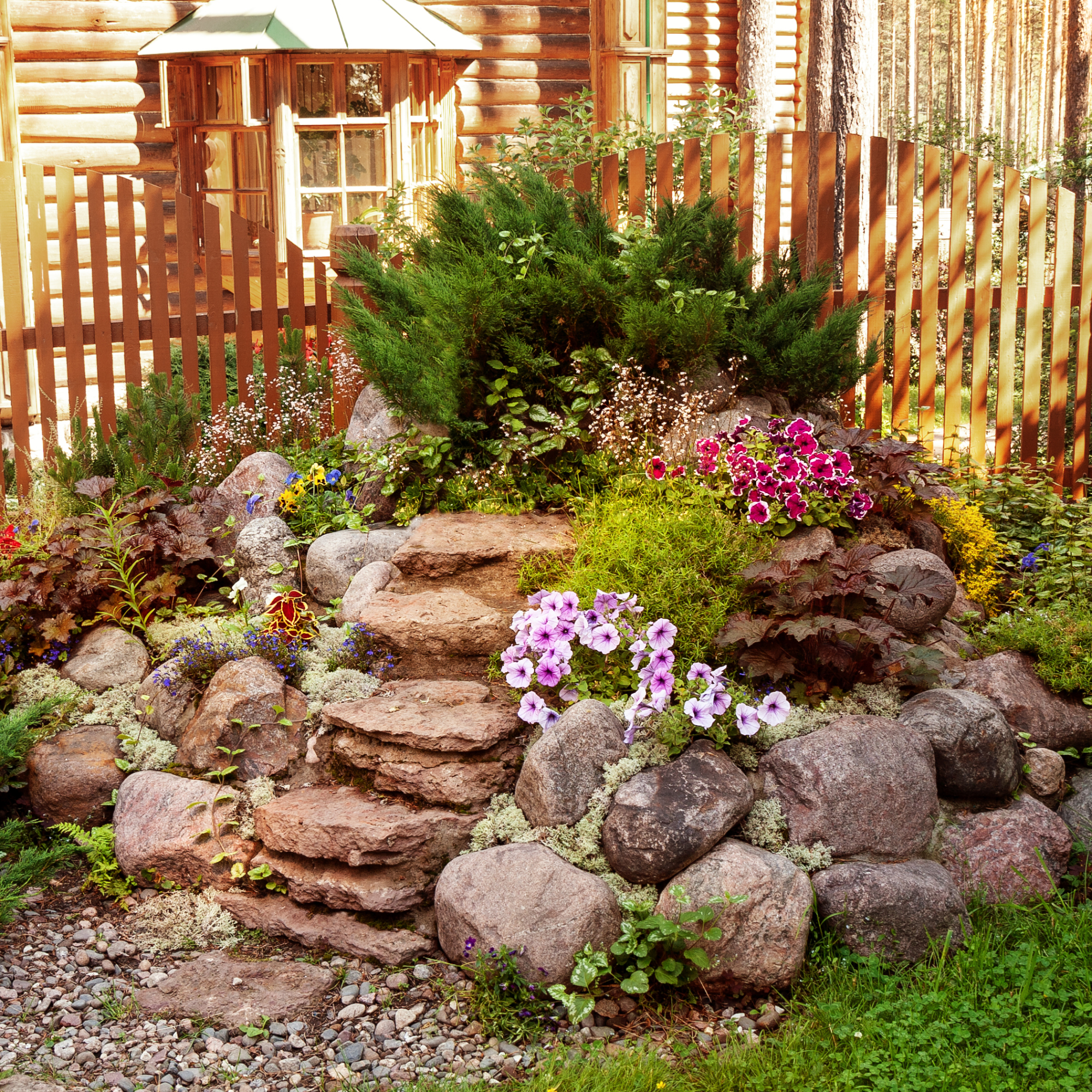
Crevice gardens are a unique style of gardening. They mimic rocky landscapes. This method uses small gaps or crevices between stones. It creates an ideal space for certain plants to thrive. These gardens offer a beautiful and practical way to grow plants in limited spaces. They are perfect for rocky areas or urban settings.
What Is A Crevice Garden?
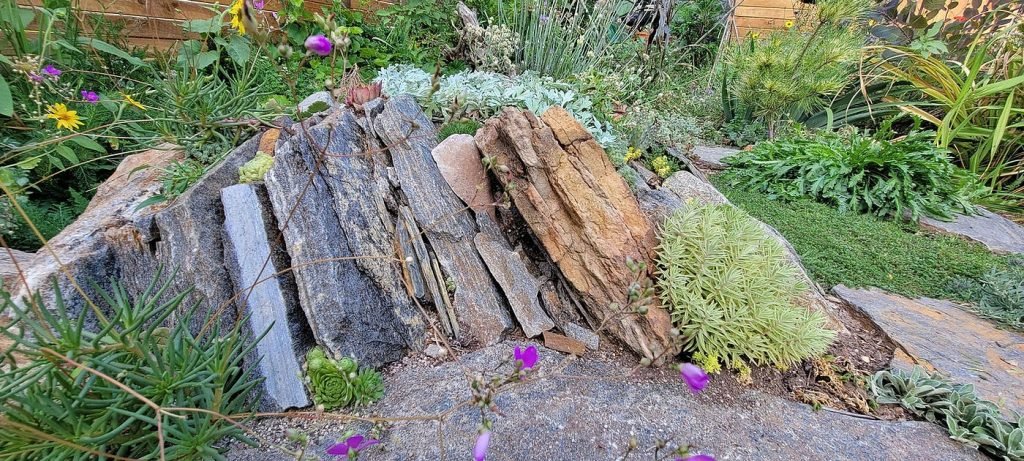
A crevice garden is designed with narrow gaps between rocks. These gaps are the main planting areas. The stones help retain moisture and provide shelter. They mimic natural alpine environments. Plants grow in these tight spaces. This setup offers a distinct and captivating look. It’s both artistic and functional.
Benefits Of Crevice Gardening
Crevice gardening offers several advantages. It allows for better drainage. It prevents root rot and promotes healthy growth. The design is visually appealing. It creates a natural, rugged landscape. It supports diverse plant types. Many plants thrive in the unique conditions it provides.
Crevice gardens are low-maintenance. They require less watering. The stones help conserve moisture. They are perfect for small spaces. They can fit into any garden size, large or small. They also promote biodiversity. Various plants can coexist in the rocky setup.
Credit: www.gardeningknowhow.com
Choosing The Right Location
Selecting an ideal spot for your crevice garden is crucial. Ensure the location receives ample sunlight and has well-draining soil. Avoid overly shady areas to promote healthy plant growth.
Choosing the right location is crucial for a successful crevice garden. The location affects plant growth and garden design. A well-chosen spot ensures healthy plants and a thriving garden. It requires thoughtful consideration of several factors.Assessing Sunlight And Shade
Identify the amount of sunlight the area receives daily. Most crevice plants love sunlight. Check if trees or structures cast shadows during the day. A sunny location helps plants thrive. Partial shade works too, but choose shade-tolerant plants.Considering Soil And Drainage
Soil type affects plant health. Sandy soil drains well, ideal for crevice gardens. Test the soil to understand its texture and drainage. If water pools after rain, drainage needs improvement. You can amend soil with gravel or sand. Proper drainage prevents root rot and supports plant growth.Selecting Materials
Choosing the right materials is crucial for designing a crevice garden. Opt for porous rocks and well-draining soil to support plant growth. This combination ensures better water retention and plant health.
Selecting the right materials is crucial in designing a crevice garden. It’s not just about aesthetics; it’s about functionality and sustainability. The materials you choose will influence the garden’s longevity and its ability to support plant life.Types Of Rocks And Stones
The backbone of any crevice garden is the rocks and stones. Opt for rocks that complement your local environment. Limestone, granite, and sandstone are popular choices due to their durability and natural look. Consider the size and shape of the rocks. Flat, elongated stones work best as they create natural-looking crevices. These crevices are essential for accommodating the roots of alpine plants. Mixing different rock types can add visual interest but ensure they harmonize with the garden’s overall design.Essential Tools And Equipment
Having the right tools makes constructing a crevice garden more manageable. A sturdy shovel and trowel are your basic necessities. They help in digging and positioning the rocks accurately. A wheelbarrow is invaluable for transporting heavy stones and other materials. It saves you time and effort. Don’t forget a level, which ensures your rocks are placed evenly, creating a stable foundation for your plants. Consider using a garden hose to outline the garden layout before you start. This simple tool can help visualize the final design, allowing adjustments without heavy lifting. What materials have you considered for your crevice garden? The right choices can transform your garden into a thriving ecosystem.Design Principles
Designing a crevice garden involves blending creativity with nature. It’s about arranging rocks and plants in a way that mimics natural landscapes. This requires an understanding of key design principles. These principles help create a visually appealing and functional garden.
Creating Naturalistic Designs
Naturalistic designs make crevice gardens look like they belong in nature. Use rocks of various sizes and shapes. Place them in ways that mimic natural formations. Think about how rocks appear in nature. Consider angles, layering, and randomness. This approach makes the garden look organic and alive.
Choose plants that thrive in rocky environments. Succulents, alpine plants, and drought-resistant species work well. These plants add color and texture without overpowering the rock formations. Group plants of similar types together. This enhances the natural look and makes maintenance easier.
Balancing Scale And Proportion
Balance is crucial in crevice garden design. Use rocks and plants that complement each other’s size. Large rocks pair well with larger plant groups. Smaller stones suit dainty plants. This balance maintains harmony in the garden. It ensures no single element dominates.
Consider the garden’s overall scale. Adapt the design to fit the available space. In small gardens, use smaller rocks and plants. In larger spaces, introduce bigger elements. This maintains proportion and prevents overcrowding. Keep pathways and open spaces in mind. They provide visual relief and access for care.
Plant Selection
Choosing the right plants is essential for a successful crevice garden design. Opt for drought-resistant species that thrive in rocky environments. Consider native plants for better adaptability and lower maintenance.
Plant selection is the cornerstone of creating a thriving crevice garden. Your choices will determine how well your garden adapts to local climate conditions and how it evolves over time. Selecting the right mix of plants can transform narrow spaces into a vibrant tapestry of colors and textures that captivate the senses.Choosing Hardy Perennials
When selecting hardy perennials, consider those that are known for their resilience and adaptability. These plants are crucial for maintaining year-round interest in your crevice garden. Think about perennials that can withstand varying temperatures and don’t require constant attention. – Lavender is a great choice for adding fragrance and color. It thrives in well-drained soil and sunny spots. – Sedum is another excellent option, offering a range of textures and colors while being drought-tolerant. – Thyme can be a delightful addition, providing ground cover and aromatic leaves. Have you ever noticed how some plants seem to flourish in tough conditions while others struggle? Choosing hardy perennials ensures your garden remains lively and engaging even when the weather is less than ideal.Integrating Native Plants
Integrating native plants can significantly enhance the ecological balance of your crevice garden. These plants are naturally adapted to the local environment and often require less maintenance. – Wild Columbine is perfect for attracting pollinators and adding delicate blooms. – Goldenrod provides vibrant yellow spikes and supports local wildlife. – Coneflower offers stunning blooms and is a favorite among butterflies. Native plants not only thrive with minimal care but also contribute to biodiversity. Have you considered how your garden could play a role in supporting local ecosystems? Choosing native plants allows your crevice garden to become a haven for local wildlife, adding an extra layer of beauty and purpose.
Credit: www.facebook.com
Planting Techniques
Designing a crevice garden involves arranging rocks to mimic natural landscapes. Place plants in the gaps, ensuring roots have access to moisture. Choose drought-resistant species that thrive in tight spaces for best results.
Designing a crevice garden is an exciting endeavor that allows you to create a unique and natural landscape in your outdoor space. The planting techniques you choose will largely determine the success and beauty of your garden. By paying close attention to how you position plants and nurture their roots, you ensure that your crevice garden not only thrives but also becomes a stunning focal point.Positioning Plants In Crevices
Positioning your plants correctly within the crevices is crucial. Imagine placing a small alpine plant in a narrow crevice as if it were naturally growing in a mountain crack. Ensure that the foliage is above the crevice, while roots extend downwards. This mimics their natural habitat and provides the support they need. Consider the sunlight exposure. Position plants that need more sun in crevices facing the sun, and shade-loving plants in those shaded by rocks.Ensuring Proper Root Growth
Root growth is the backbone of a healthy crevice garden. Without ample root space, plants struggle to establish and thrive. Use a soil mix that supports drainage and aeration. A combination of sand, fine gravel, and a bit of compost works wonders. Watering is key. Unlike typical gardens, crevice gardens require careful watering to encourage deep root growth. It’s like training the roots to seek moisture, strengthening them over time. Ask yourself: Are your plants getting the root space and care they need to thrive? With thoughtful planting techniques, your crevice garden will become a resilient and captivating landscape that draws admiration and fosters nature’s beauty right in your backyard.Maintenance Tips
Maintaining a crevice garden requires attention to detail. It ensures your plants thrive. Proper care keeps your garden healthy and vibrant. Let’s explore some essential maintenance tips.
Watering And Irrigation
Crevice gardens need careful watering. Overwatering can harm plants. Use a drip irrigation system. It delivers water directly to the roots. This method conserves water and prevents over-saturation. Check soil moisture regularly. Adjust watering based on weather conditions.
Seasonal Care And Pruning
Seasonal care is crucial for your garden. In spring, remove dead plant material. It encourages new growth. During summer, monitor for pests. Apply natural pest control if needed. In autumn, prune excess growth. This helps plants conserve energy for winter. Cover delicate plants with mulch. It provides insulation during cold months.
Common Challenges
Creating a crevice garden often involves selecting suitable rocks and arranging them effectively. Understanding soil needs and plant compatibility poses additional challenges. Balancing aesthetics with functionality requires thoughtful planning and creativity.
Designing a crevice garden can be a rewarding experience, but it does come with its own set of challenges. From managing pests to ensuring the soil structure is optimal for plant growth, there are several hurdles you might face. However, with the right strategies, you can overcome these obstacles and create a thriving garden.Dealing With Pests And Diseases
Pests can quickly turn your garden into a battleground. Common culprits include aphids, slugs, and snails, which love the moist environment between rocks. To keep these pests at bay, consider using natural predators like ladybugs, which feed on aphids. Diseases can also pose a threat. Fungal infections are a common issue in crevice gardens due to their humid microclimates. Ensure adequate air circulation by spacing your plants appropriately to reduce humidity levels. Regularly check your plants for signs of disease and remove any affected parts immediately.Overcoming Soil Compaction
Soil compaction is a common challenge in crevice gardens, as the soil between rocks can become tightly packed. Compacted soil restricts root growth and water infiltration, hindering plant development. One effective way to combat this is by incorporating coarse sand or grit into the soil mix. Regularly check the soil structure by gently probing it with a stick or your fingers. If it’s too hard, it’s time to loosen it up. Consider using a small garden fork to aerate the soil without disturbing the plants. Have you ever wondered why some plants seem to thrive despite these challenges? The secret often lies in the gardener’s attention to these small yet crucial details.Inspiring Examples
Crevice gardens are a stunning fusion of art and nature, offering a unique way to display alpine plants and succulents. By mimicking rock formations found in mountainous regions, these gardens create an eye-catching landscape that can transform any outdoor space. If you’re looking for inspiration to design your own crevice garden, exploring examples from around the world can spark your creativity and provide valuable insights.
Famous Crevice Gardens Worldwide
Imagine strolling through the enchanting crevice gardens at the Denver Botanic Gardens in Colorado. Known for its diverse collection of alpine plants, this garden showcases the beauty of rock crevices in a captivating way. The use of native stones and carefully selected plants creates a breathtaking panorama that captivates visitors.
In the UK, the Royal Botanic Gardens at Kew offer another inspiring example. Here, the crevice garden is designed to highlight the textures and colors of various rocks, complemented by an array of alpine species that thrive in the narrow gaps. The result is a harmonious blend of natural beauty that invites exploration and admiration.
Innovative Designs To Explore
Crevice gardens aren’t just about replicating nature; they can be a canvas for innovation. Consider adding a water feature to your garden, where water trickles through the crevices, creating a soothing soundscape. This not only enhances the visual appeal but also supports moisture-loving plants.
Why not experiment with vertical crevice gardens? Using a wall or a slope, you can design a garden that defies gravity, adding height and drama to your outdoor space. Vertical gardens offer a unique perspective and can become a focal point that draws attention.
Have you thought about integrating different materials? Mix natural stones with recycled concrete or glass to give your crevice garden a modern twist. This approach can add texture and contrast, making your garden a conversation starter.
What elements will you incorporate into your crevice garden to make it truly your own? The possibilities are endless, and the journey of creating a crevice garden is as rewarding as the final result. Let these examples inspire you to craft a landscape that reflects your personality and passion for gardening.
Frequently Asked Questions
What Is A Crevice Garden?
A crevice garden is a type of rock garden. It uses narrow spaces and gaps between rocks for planting. This design mimics natural landscapes found in mountainous regions. It is ideal for growing alpine plants, succulents, and drought-tolerant species. The structure provides excellent drainage, promoting healthy plant growth.
How Do You Start A Crevice Garden?
Start by choosing a location with good sunlight. Arrange rocks to form narrow gaps for planting. Use well-draining soil to fill the crevices. Select plants that thrive in rocky environments. Ensure proper spacing and alignment for aesthetic appeal. Regular maintenance is needed to prevent weed growth.
Which Plants Are Best For Crevice Gardens?
Crevice gardens favor alpine plants, succulents, and drought-resistant species. These plants can thrive in rocky conditions and require minimal water. Consider species like sedums, sempervivums, and dwarf conifers. They are resilient and can adapt to crevice environments. Plant selection depends on your local climate and garden conditions.
How To Maintain A Crevice Garden?
Regular maintenance involves removing weeds and debris. Ensure adequate watering without over-saturating the soil. Prune and deadhead plants to promote growth. Monitor for pests and diseases. Amend soil with nutrients as needed. Seasonal adjustments may be necessary to protect plants during harsh weather.
Conclusion
Creating a crevice garden can be a rewarding experience. It brings nature closer to home. You learn about plants and rocks. The garden enhances your outdoor space. It offers a unique landscape feature. Choosing the right plants is crucial. They should thrive in narrow spaces.
Arrange rocks carefully for best results. Remember to consider sunlight and water needs. With patience, your garden will flourish. It becomes a haven for small wildlife too. Enjoy watching your garden grow and change. A crevice garden offers peace and beauty.
It’s a simple way to connect with nature.