Imagine stepping into your backyard and being greeted by a burst of colors and fragrances that instantly lift your spirits. Designing a cottage garden flower bed can transform your outdoor space into a vibrant oasis.
It’s easier than you think, and with the right approach, you can create a charming, timeless garden that feels like a personal retreat. Does the thought of weaving together a tapestry of flowers excite you? You’re not alone. Many are drawn to the allure of cottage gardens because they are both beautifully chaotic and effortlessly elegant.
With the right guidance, you can make your dream garden a reality. You’ll discover practical tips and tricks to design a cottage garden flower bed that captures the essence of natural beauty. From choosing the right plants to understanding the layout, each step is crafted to help you create a space that reflects your unique style. Dive in and let your creativity blossom!

Credit: www.hgtv.com
Choosing The Right Location
Selecting a sunny spot is vital for a thriving cottage garden flower bed. Ensure the area has good soil drainage. Consider nearby trees, as they can cast unwanted shade.
Choosing the right location for your cottage garden flower bed is crucial to its success and beauty. A well-placed garden can be a vibrant focal point, drawing the eye and creating a serene escape right in your backyard. But how do you find that perfect spot? Consider factors like sunlight, soil quality, and proximity to water sources. Each element plays a significant role in the health and longevity of your plants.Assessing Sunlight Exposure
Sunlight is the lifeline for any garden. Observe how the sun moves across your yard throughout the day. Most cottage garden flowers thrive in full sun, needing at least six hours of direct sunlight daily. However, don’t overlook areas with partial shade; they can host shade-loving plants like foxgloves and ferns. This variety adds texture and depth to your flower bed.Evaluating Soil Quality
Healthy soil is the foundation of a thriving garden. Test your soil to check its pH and nutrient levels. If it’s not ideal, consider amending it with organic matter or compost. When I first started gardening, I discovered my soil was too acidic for most flowers. By adding lime, I balanced the pH, and my plants flourished.Considering Drainage And Water Access
Water is essential, but too much can harm your plants. Ensure your chosen spot has good drainage to prevent waterlogging. Dig a small hole and fill it with water to test how quickly it drains. Proximity to a water source is also important. You’ll want easy access to water your plants, especially during dry spells.Factoring In Wind Protection
Wind can be a hidden adversary to your garden. Strong winds can damage delicate flowers and dry out the soil. Choose a location that has natural windbreaks like fences or shrubs. If none exist, consider planting hardy perennials or installing a small trellis to shield your garden.Visual And Aesthetic Appeal
A cottage garden should be a feast for the eyes. Think about how the flower bed will look from different angles. Will it be visible from your patio or living room window? When I designed my garden, I placed it near my kitchen window. Now, I enjoy a lovely view while having my morning coffee.Accessibility And Maintenance
Your flower bed should be easy to access for planting and maintenance. Avoid placing it in hard-to-reach areas where you’ll be less likely to care for it regularly. Create clear paths or stepping stones to navigate through your garden effortlessly. This makes weeding, pruning, and harvesting a breeze.Balancing Ecosystem Needs
A successful garden balances beauty with ecological considerations. Choose a spot that supports pollinators and other beneficial insects. Plant a variety of flowers that bloom at different times, ensuring your garden is a year-round haven for wildlife. This not only enhances your garden’s beauty but also promotes biodiversity.Selecting Plants For Your Cottage Garden
Choosing the right plants is key for a charming cottage garden. Opt for diverse flowers that bloom in different seasons. Mix colors and heights for a lively and textured flower bed.
Creating a cottage garden flower bed is like painting a living canvas, where the choice of plants plays a crucial role in the overall design. Selecting Plants for Your Cottage Garden is not just about picking your favorite flowers. It’s about crafting a harmonious blend of colors, textures, and forms that work together through the seasons. This section will guide you through the process of selecting the perfect plants to bring your cottage garden vision to life.Perennials Vs. Annuals
When choosing plants, consider a mix of perennials and annuals. Perennials are your garden’s backbone. They return year after year, offering a sense of permanence and stability. Think of charming peonies, vibrant coneflowers, or reliable daylilies. Annuals, on the other hand, provide a burst of color and fill gaps between perennials. They are perfect for experimenting with new colors or adding seasonal accents. Consider marigolds, zinnias, or cosmos for a dynamic, ever-changing display.Color And Bloom Timing
A cottage garden thrives on a riot of color. Think about the overall color palette you wish to create. Do you prefer a calming mix of pastels or a bold explosion of vibrant hues? Remember to stagger bloom times for continuous interest. Plant early bloomers like crocuses and daffodils to kick off spring, while late bloomers like asters and mums extend the show into fall. This ensures your garden remains lively and engaging throughout the growing season.Height And Texture
Varying plant heights add depth and intrigue to your garden. Use taller plants like delphiniums or hollyhocks at the back or in the center of island beds for a dramatic backdrop. Mid-height plants such as foxgloves or lupines add layers, while low-growing ground covers like creeping thyme provide a lush carpet. Texture plays a vital role in creating visual interest. Combine the soft, feathery foliage of ferns with the bold, broad leaves of hostas. This contrast not only enhances the aesthetic appeal but also stimulates the senses. As you design your cottage garden, ask yourself: How do you want your garden to feel? Inviting and cozy, or wild and whimsical? Your plant choices will bring your vision to life, transforming your garden into a personal oasis.Creating A Layout Plan
Creating a layout plan for a cottage garden flower bed involves selecting a mix of colorful plants. Arrange taller flowers at the back and shorter ones in front. Use pathways to break up the space and add interest.
Creating a layout plan for your cottage garden flower bed is an exciting step that brings your vision to life. It allows you to visualize how each element will work together, creating a harmonious and inviting space. Planning helps you avoid common pitfalls, such as overcrowding, and ensures that your garden will be both beautiful and functional.Layering Plants
Layering plants is essential for achieving that lush, overflowing look typical of cottage gardens. Start by selecting a variety of plant sizes. Taller plants, like delphiniums or hollyhocks, should be placed at the back to create a backdrop. Medium-height plants like foxgloves and daisies can fill the middle section, while smaller plants like violas and ground covers add interest at the front. Consider the blooming cycles of your plants. By choosing species with staggered blooming periods, you can ensure that your garden remains colorful throughout the seasons. Think about the textures and colors that complement each other, creating a visually appealing mix.Pathways And Borders
Pathways and borders serve both practical and aesthetic purposes. They guide you through the garden, allowing easy access for maintenance and enjoyment. Narrow paths lined with flowering plants can lead to secret nooks or seating areas, providing an intimate experience. Use materials like gravel, brick, or stepping stones to create pathways that complement the rustic charm of cottage gardens. Borders can be defined with low hedges, like boxwood, or a row of flowering plants that create a natural frame around your garden beds. As you design, consider how your pathways and borders will interact with the rest of the garden. Ask yourself, will this path invite exploration, or does it feel too rigid? Striking the right balance between structure and whimsy is key to a successful cottage garden design.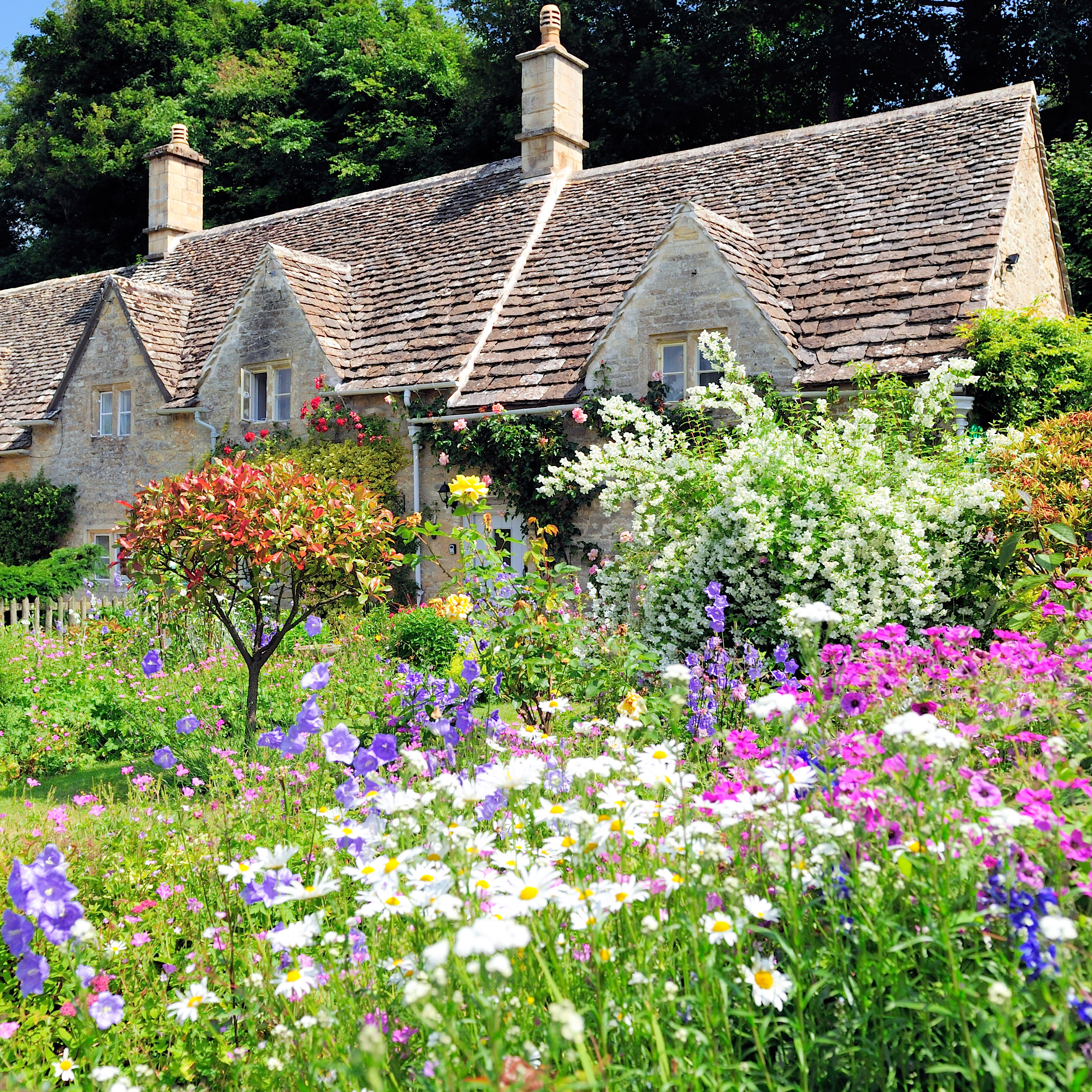
Credit: www.gardeningknowhow.com
Soil Preparation Techniques
Preparing soil for a cottage garden flower bed involves removing weeds and debris first. Loosen the soil to improve drainage and aeration. Incorporate organic matter like compost or well-rotted manure to enrich the soil. Ensure the bed is level and ready for planting.
Soil preparation is essential for a thriving cottage garden flower bed. Healthy soil boosts plant growth and enhances flower blooms. Proper techniques ensure your garden remains vibrant and lush.Improving Soil Health
Start by testing your soil. Understand its pH and nutrient levels. Use a home test kit or professional service. Amend your soil based on the results. Add organic matter like compost to enrich it. Compost improves soil structure and fertility. It also encourages beneficial microorganisms. Ensure good drainage to prevent waterlogging. Raised beds can help if your soil is heavy clay. Loosen compacted soil to allow roots to spread easily.Mulching Tips
Mulching retains soil moisture and suppresses weeds. Organic mulches like straw or wood chips work well. Spread mulch evenly over the soil surface. Keep it a few inches away from plant stems. This prevents rot and disease. Mulch also insulates soil, protecting roots from temperature extremes. Replenish mulch as it decomposes over time. A 2-3 inch layer is usually sufficient. Avoid piling mulch too high, which can suffocate plants.Planting And Spacing
Designing a cottage garden flower bed involves careful plant selection and spacing. Mix colors and textures for visual interest. Ensure plants have enough room to grow without overcrowding.
Designing a cottage garden flower bed is a delightful endeavor, where creativity meets nature. One key aspect that can make or break your floral paradise is planting and spacing. If you’re wondering how to achieve that abundant yet harmonious look, understanding the nuances of plant spacing and companion planting is essential.Optimal Plant Spacing
Proper spacing ensures your garden looks lush without becoming overcrowded. It’s tempting to plant flowers close together for immediate visual impact, but patience pays off. Each plant needs room to grow and spread its roots. Consider the mature size of your chosen flowers. A simple rule is to plant them at least half of their expected growth width apart. This allows air circulation, preventing diseases and promoting healthy growth. A trick I learned while planting my first cottage garden was using a measuring tape. It saved me from overcrowding and ensured every plant had its space to flourish. Have you ever considered how spacing might affect your garden’s health?Companion Planting
Companion planting is about creating plant partnerships that benefit each other. Certain flowers and herbs can enhance growth, deter pests, or improve soil health when planted together. Pairing marigolds with tomatoes, for instance, can ward off nematodes. Lavender can attract beneficial insects, while its strong scent may repel unwanted ones. Think of your garden as a community where every plant has a role. Finding the right companions can transform your flower bed into a thriving ecosystem. What unique combinations will you try in your garden?Watering And Maintenance
Ensure consistent watering to keep plants healthy and vibrant. Regularly check soil moisture and adjust watering schedules. Deadhead spent blooms and prune plants to maintain shape and encourage growth.
Watering and maintaining your cottage garden flower bed is crucial for keeping your blooms vibrant and healthy. Without proper care, even the most beautifully designed garden can quickly lose its charm. Let’s explore some practical tips to ensure your flowers thrive all season long.Irrigation Options
Choosing the right irrigation method can make a world of difference. Consider using a drip irrigation system, which delivers water directly to the roots of the plants. This method conserves water and reduces the risk of fungal diseases. For a more hands-on approach, you might prefer using a watering can or hose. This allows you to adjust the amount of water based on the weather and specific plant needs. Remember, early morning is the best time to water your plants, as it reduces evaporation and lets foliage dry before nightfall.Pruning And Deadheading
Regular pruning keeps your garden tidy and encourages new growth. Snip away dead or damaged stems to maintain plant health. This practice not only improves appearance but also prevents disease spread. Deadheading is crucial for prolonging bloom time. By removing spent flowers, you encourage the plant to produce more blooms. It’s a simple task that can significantly enhance the beauty of your garden. Maintaining a cottage garden flower bed is a rewarding endeavor. What strategies will you try to keep your garden flourishing? Your approach to watering and maintenance can transform your garden into a captivating paradise.Enhancing Your Cottage Garden
Designing a cottage garden flower bed involves layering plants for a charming, natural look. Mix perennials and annuals, focusing on color harmony and varied heights. Incorporate winding paths to enhance the garden’s inviting atmosphere.
Enhancing Your Cottage Garden A cottage garden flower bed brings charm and tranquility. Enhance its beauty with thoughtful additions. These additions can transform your garden into a delightful retreat. Use simple and natural elements to achieve this.Adding Decorative Elements
Decorative elements add personality to your garden. Consider using rustic wooden benches. They offer a place to sit and enjoy the view. Stone pathways lead the eye through your garden. They create a sense of journey and exploration. A birdbath can be both functional and decorative. It attracts birds, adding life and sound. Vintage metal watering cans or old tools can serve as unique ornaments. These items blend well with the natural environment.Incorporating Wildlife Habitats
Support local wildlife with your garden design. Add birdhouses to invite feathered friends. They add movement and natural sounds. Planting native flowers attracts bees and butterflies. These creatures play a role in pollination. Consider a small pond for frogs and insects. It creates a complete ecosystem. Log piles or rock gardens offer shelter for small mammals. These habitats balance nature in your garden. Wildlife brings vitality and interest to your space.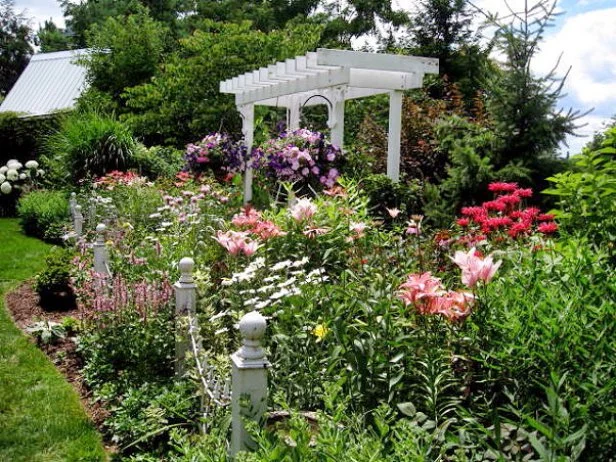
Credit: www.hgtv.com
Seasonal Care And Adaptation
Designing a cottage garden flower bed is an art that evolves with the seasons. As each season brings its unique challenges, adapting care practices becomes essential. This ensures vibrant blooms and healthy plants throughout the year. Understanding seasonal care and adapting to climate changes will help maintain the beauty of your garden.
Preparing For Winter
Winter can be harsh on delicate plants. Protecting them is crucial for their survival. Mulch is your best friend during this season. A thick layer of mulch insulates roots from freezing temperatures. Choose organic mulch like straw or wood chips for added nutrients. Prune dead branches and leaves to prevent disease. Cover sensitive plants with burlap or frost cloth for extra protection.
Check drainage in the flower bed. Waterlogged soil can freeze and damage roots. Elevate pots with bricks to prevent water accumulation. Reduce watering as plants enter dormancy. Ensure your garden tools are ready for spring by cleaning and sharpening them.
Adjusting For Climate Changes
Climate change impacts gardens in various ways. Adapting to these changes keeps your garden thriving. Monitor weather patterns and adjust watering schedules. Drought-tolerant plants like lavender and succulents can withstand dry spells. Choose native plants suited to your region’s climate. They require less maintenance and adapt easily.
Enhance soil health with compost. It improves moisture retention and provides essential nutrients. Consider installing rain barrels to collect water for dry periods. Inspect plants regularly for pests that thrive in changing climates. Encourage natural predators like ladybugs to control pest populations.
Experiment with plant varieties that tolerate temperature fluctuations. Rotate plants seasonally to improve soil fertility. Use windbreaks like hedges to protect plants from strong winds. Stay informed about local climate trends to better prepare your garden.
Frequently Asked Questions
What Plants Are Best For Cottage Gardens?
Cottage gardens thrive with a mix of perennials, annuals, and shrubs. Opt for plants like hollyhocks, lavender, daisies, and roses. These provide color and fragrance. Include herbs like thyme and rosemary for added charm. Choose plants that complement each other in terms of height and bloom times.
How Do I Plan A Cottage Garden Layout?
Start by sketching your garden space. Consider pathways and focal points. Mix tall and short plants for a layered look. Group plants by their sunlight and water needs. Incorporate curves and informal arrangements for a natural feel. Ensure easy access for maintenance and watering.
How Much Sunlight Does A Cottage Garden Need?
Most cottage garden plants need six hours of sunlight daily. Choose sun-loving plants for open areas. Shade-tolerant plants can thrive under trees or in less sunny spots. Monitor sunlight patterns across your garden. Adjust plant placement accordingly to ensure optimal growth.
Can I Create A Cottage Garden In Small Spaces?
Yes, small spaces can host cottage gardens effectively. Use vertical gardening techniques like trellises and hanging pots. Select compact plant varieties. Focus on color and fragrance for impact. Utilize containers for flexibility. Balance plant density to prevent overcrowding and ensure easy care.
Conclusion
Creating a cottage garden flower bed is truly rewarding. Each step adds charm to your space. Choose a variety of flowers for color and texture. Think about bloom times for year-round beauty. Arrange plants with height in mind. Short ones in front, tall ones in back.
Don’t forget to leave room for growth. Adding paths or borders enhances design. It also makes maintenance easier. Water and care for your garden regularly. Enjoy watching your garden grow and bloom. It becomes a peaceful retreat right at home.
Happy gardening!







