Imagine stepping into your backyard and feeling like you’ve entered a serene paradise, right in the heart of Australia. Designing a cottage garden can transform your outdoor space into a charming retreat, full of vibrant colors, enticing scents, and whimsical beauty.
You might think it’s challenging, but with the right guidance, creating your dream cottage garden is easier than you imagine. Why settle for ordinary when you can have extraordinary? A cottage garden is not just about plants; it’s about creating a space that feels alive and invigorating.
Whether you want to attract birds and butterflies or simply have a tranquil spot to unwind, the design of your cottage garden holds the key to achieving that dream. This article will provide you with simple, actionable steps to design a cottage garden in Australia that reflects your personality and style. You’ll discover how to select the right plants, choose the perfect layout, and incorporate charming features that make your garden uniquely yours. Don’t miss out on learning how to craft an enchanting outdoor escape that you can enjoy year-round. Your perfect cottage garden awaits!
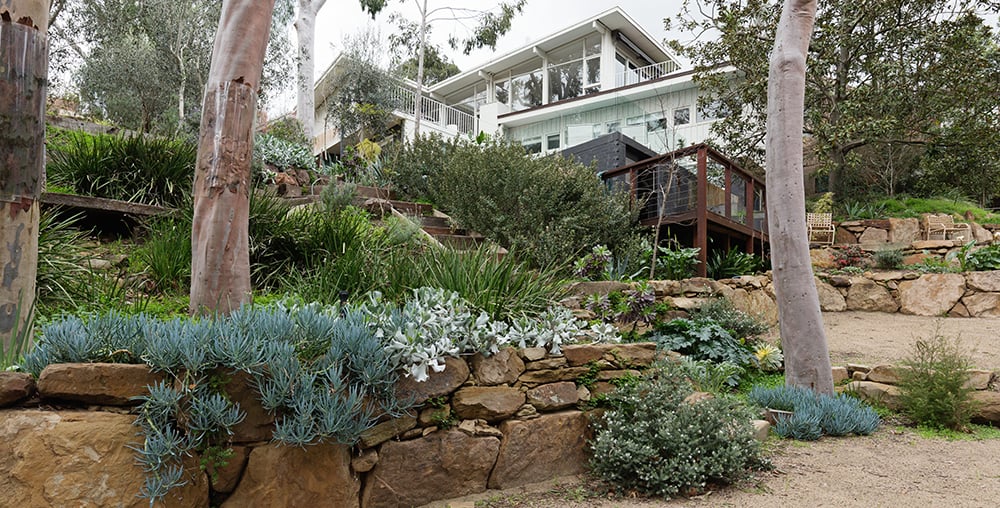
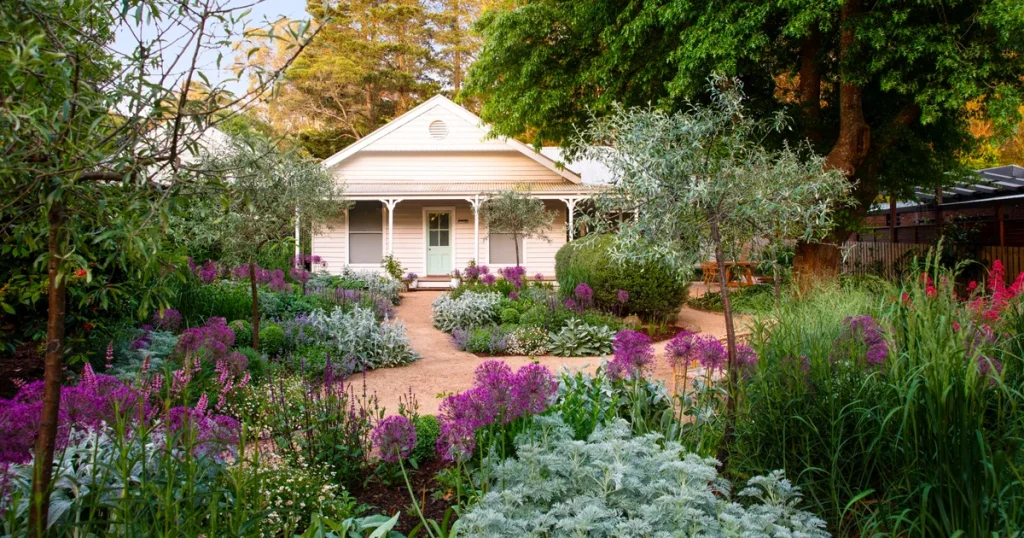
Credit: www.nationaltrust.org.au
Choosing The Right Plants
Selecting the ideal plants for an Australian cottage garden involves considering climate suitability and diverse colors. Opt for native species like kangaroo paw and bottlebrush, which thrive locally. Integrating perennials such as lavender and daisies adds texture and charm, creating a picturesque and sustainable garden space.
Choosing the right plants for your cottage garden in Australia can be both exciting and challenging. With Australia’s unique climate and diverse landscapes, selecting plants that thrive in your specific region is crucial. You’ll want to create a garden that’s not only visually stunning but also sustainable and low-maintenance. So, how do you pick the perfect mix of plants to make your cottage garden a dreamy oasis?Native Australian Species
Integrating native Australian species into your garden is a smart choice. These plants are naturally adapted to the local climate and soil, making them hardy and drought-resistant. Consider including plants like Kangaroo Paw, Bottlebrush, or Grevillea. These not only offer vibrant colors but also attract native wildlife, enriching your garden experience. Have you ever watched a kangaroo paw bloom sway gracefully in the breeze? It’s a sight to behold.Seasonal Blooms
A cottage garden is truly enchanting when it offers a variety of blooms year-round. By choosing plants that flower in different seasons, you ensure that your garden is always alive with color. Think about planting spring-loving tulips alongside summer daisies and autumn marigolds. Imagine walking through your garden with fresh blooms greeting you at every turn, no matter the time of year.Perennials Vs. Annuals
Deciding between perennials and annuals is an essential part of your planning. Perennials, such as lavender and rosemary, provide long-term structure and can flourish for years. They require less replanting, saving you both time and effort. On the other hand, annuals like petunias and pansies offer bursts of seasonal color. They allow for flexibility and experimentation in your garden design. What balance will you strike between the reliability of perennials and the vibrant changeability of annuals? Choosing the right mix of plants is an art, blending practicality with creativity. By considering native species, seasonal blooms, and the perennial vs. annual debate, you can design a cottage garden that’s uniquely yours. What story will your garden tell?Creating A Layout
Designing a cottage garden in Australia requires attention to native plants and climate adaptability. Create pathways with rustic stones and complement them with vibrant flowers. Integrate seating areas with charming wooden benches for a cozy atmosphere.
Creating a layout for a cottage garden in Australia involves careful planning. The garden should feel natural and welcoming. It should also reflect your personal style. Begin by sketching a rough plan. This helps visualize how different elements will fit together. Consider the garden’s size, shape, and sunlight. A well-thought-out layout brings harmony to your garden space.Pathways And Borders
Pathways guide visitors through the garden. They create a sense of journey and discovery. Use natural materials like gravel, stone, or wood chips. These materials blend well with the rustic cottage style. Curved paths add softness and charm. They break the rigidness of straight lines. Borders define garden areas. They keep plants contained and tidy. Use low hedges, stones, or wooden fences for borders. Native plants make excellent border choices. They thrive in Australia’s climate and add local flavor.Layering Techniques
Layering adds depth and interest. It brings a dynamic look to your garden. Start with tall plants at the back. These could be shrubs or small trees. In the middle layer, use medium-height plants. Flowers like daisies or lavender work well here. The front layer should have low-growing plants. Ground covers or small flowering plants fit perfectly. This arrangement creates a lush, full appearance. It also ensures every plant gets sunlight and attention.Focal Points
Focal points draw the eye and create interest. They can be a statue, a bench, or a water feature. Choose something that reflects your personality. A birdbath or a vintage chair can also serve as a focal point. Place focal points where paths meet or in the center of a flower bed. This encourages visitors to pause and admire. Remember, the focal point should complement the garden, not overshadow it. It should enhance the overall aesthetic.Soil And Climate Considerations
Australian cottage gardens thrive when soil and climate are carefully considered. Choose native plants that suit local conditions for best results. Adjust soil composition to improve drainage and enrich nutrients, creating a lush garden atmosphere.
Designing a cottage garden in Australia requires careful consideration of soil and climate. The unique Australian environment offers both challenges and opportunities for gardeners. Understanding soil types and local climate is crucial for a thriving garden. The right approach ensures your plants flourish beautifully.Improving Soil Quality
Australian soils vary widely, from sandy to clay-rich types. Testing your soil helps identify its composition. Amendments improve its fertility and structure. Add organic matter like compost to enrich the soil. Mulching retains moisture and protects roots. Regularly check the pH level. Adjust it to meet your plants’ needs. Good soil supports healthy plant growth.Understanding Microclimates
Microclimates affect how plants grow in your garden. Observe sunny and shaded areas. Note wind patterns and sheltered spots. Use these observations to plan your garden layout. Plant sun-loving species in sunny areas. Choose shade-tolerant plants for cooler spots. Understanding microclimates helps select the right plants.Watering Needs
Water requirements vary among plants. Consider native species that thrive with less water. Install efficient irrigation systems. Drip irrigation minimizes water wastage. Water deeply but less frequently. This encourages strong root growth. Monitor rainfall and adjust watering. Proper watering prevents plant stress.Incorporating Garden Structures
Incorporate charming garden structures like arches and pergolas to enhance your cottage garden design in Australia. Use rustic materials and vibrant blooms to create a picturesque and inviting atmosphere. Enhance pathways with natural stones and wooden elements for a cohesive look.
Creating a cottage garden in Australia is like painting a landscape with nature’s brush. One of the most delightful ways to personalize your garden is by adding structures that not only serve a purpose but also add charm and character. These structures become the framework around which your garden grows, helping to shape its personality and function. Let’s dive into some ideas on how you can integrate garden structures into your cottage garden design.Arbors And Trellises
Arbors and trellises are more than just supports for climbing plants; they are gateways to your garden’s soul. Imagine walking through a beautifully crafted wooden arbor, with roses or jasmine cascading down. It’s like entering a secret garden every day. Choose materials that complement the natural landscape. In Australia, using local timber can enhance the rustic feel while being environmentally friendly. Think about the placement. An arbor could mark the entrance to your garden, while a trellis might create a living wall, offering both privacy and beauty.Garden Furniture
Garden furniture transforms your outdoor space into a welcoming retreat. It’s the difference between a garden you look at and one you live in. Picture a quaint wooden bench nestled under the shade of a tree—it’s an invitation to sit and savor the serenity. Select furniture that is both comfortable and weather-resistant. In the Australian sun, materials like teak or powder-coated metal are durable choices. Consider the layout. A small table and chairs in a sunny corner can become your perfect morning coffee spot.Decorative Elements
Decorative elements breathe life and whimsy into your garden. They can reflect your personality and tell a story. Have you ever spotted an old wheelbarrow repurposed as a planter? It adds a touch of nostalgia and creativity. Use items like birdbaths, sculptures, or vintage finds to add interest. They draw the eye and spark conversations. Be mindful of scale. A large sculpture might dominate a small space, while a subtle stone path can lead visitors on a journey through your garden. How will you let your garden tell your story?Encouraging Wildlife
Designing a cottage garden in Australia boosts local wildlife. Native plants attract birds, bees, and butterflies. A variety of flowers and shrubs create a vibrant habitat.
Designing a cottage garden in Australia offers a unique opportunity to create a haven for wildlife. By encouraging birds, bees, and other pollinators, your garden becomes a lively ecosystem buzzing with life. Think about how magical it feels to see colorful butterflies fluttering around or hear the cheerful chirping of birds as you sip your morning coffee.Bird And Pollinator Attractions
Attracting birds and pollinators is essential for a thriving cottage garden. Choose native Australian plants like bottlebrush and grevillea, which provide nectar and shelter. Brightly colored flowers such as lavender and daisies are irresistible to bees and butterflies. Consider hanging bird feeders or installing bird baths to invite feathered visitors. A mix of seeds, fruits, and water can turn your garden into their favorite spot. Watching these creatures enjoy your garden can be a rewarding experience.Creating Habitats
Creating habitats involves more than just planting the right flowers. Add a few nesting boxes for birds or a small pond for frogs. These simple additions can make your garden a sanctuary for various wildlife. Use logs, stones, or piles of leaves to create hiding spots for insects and small animals. These elements not only serve as homes but also enhance the natural beauty of your garden. Imagine the joy of discovering a family of ladybugs nestled among your plants.Sustainable Practices
Sustainable practices are crucial for maintaining a wildlife-friendly garden. Avoid using chemical pesticides that can harm beneficial insects. Instead, opt for natural alternatives like neem oil or companion planting to deter pests. Composting is another effective way to enrich your soil and reduce waste. By recycling kitchen scraps and garden waste, you provide essential nutrients for your plants, promoting a healthier ecosystem. Have you ever thought about how your daily habits can make a difference in your garden’s sustainability? By focusing on these elements, your cottage garden can become a vibrant retreat for both you and the wildlife you welcome.
Credit: www.themiddlesizedgarden.co.uk
Maintenance And Care
Regular watering is crucial for a thriving Australian cottage garden. Prune plants to encourage growth and remove dead foliage. Mulching retains moisture and suppresses weeds, ensuring healthier plants.
Caring for a cottage garden in Australia requires consistent maintenance. Regular upkeep keeps your garden healthy and beautiful. Proper care ensures vibrant blooms and lush greenery throughout the year.Pruning And Deadheading
Pruning is essential for a tidy garden. Trim overgrown branches to maintain plant shape. This encourages new growth and prevents disease. Deadheading involves removing spent flowers. This helps plants focus energy on new blooms. Use clean, sharp tools for both tasks. This ensures clean cuts and reduces plant stress.Weed And Pest Control
Weeds compete with your plants for nutrients. Remove them regularly to keep your garden thriving. Hand-pulling is effective for small areas. Mulching helps suppress weed growth and retains soil moisture. Pests can damage your plants. Inspect your garden frequently for signs of pests. Use natural predators or organic solutions to control them.Seasonal Tasks
Each season brings different tasks for your garden. In spring, prepare your soil and plant new seeds. Summer requires regular watering and monitoring for pests. Autumn is perfect for pruning and dividing perennials. Winter is a time for mulching and protecting plants from frost. Following these tasks keeps your garden healthy all year round.Sourcing Plants And Materials
Creating a cottage garden in Australia requires careful planning. Sourcing plants and materials is a crucial step. This ensures your garden thrives in the local climate. You need to find the right plants and materials to suit your design. Here are some ways to source what you need for your cottage garden.
Local Nurseries
Local nurseries are a great place to start. They offer plants suited to your region’s climate. Staff can provide advice on plant care and selection. You may find native plants that thrive in your area. Visiting local nurseries supports small businesses, too.
Online Resources
Online shopping offers convenience and variety. Many websites specialize in cottage garden plants. You can compare prices and read reviews before buying. Some online stores offer delivery, saving you time. Check the shipping policies for your region.
Community Exchanges
Community exchanges offer a sustainable option. Swap plants and materials with fellow gardeners. This can be a fun way to meet like-minded people. Join local gardening groups or online forums. Sharing resources helps reduce costs and waste.

Credit: www.youtube.com
Frequently Asked Questions
What Plants Thrive In Australian Cottage Gardens?
Australian cottage gardens flourish with native plants like kangaroo paw, grevillea, and bottlebrush. These plants are drought-resistant and colorful. Incorporate aromatic herbs like lavender and rosemary for fragrance. Choose perennials for year-round blooms. Consider climbers such as jasmine and wisteria to add vertical interest.
How To Maintain A Cottage Garden In Australia?
Regular maintenance ensures a thriving cottage garden. Water plants deeply but infrequently to encourage strong roots. Prune regularly to promote growth and remove dead foliage. Use organic mulch to retain moisture and control weeds. Fertilize with compost to enrich the soil naturally.
Can I Grow A Cottage Garden In Dry Regions?
Yes, dry regions can host cottage gardens with drought-resistant plants. Opt for natives like banksia and wattles. Use gravel paths to minimize water usage. Install drip irrigation systems for efficient watering. Select hardy perennials and succulents to withstand dry conditions and add variety.
What Are Essential Elements Of A Cottage Garden?
Essential elements include winding paths, mixed plantings, and rustic features. Use gravel or brick paths to lead through the garden. Combine flowers with herbs and vegetables. Incorporate stone walls, birdbaths, and vintage garden furniture for charm. Add climbers and shrubs for structure and privacy.
Conclusion
Creating a cottage garden in Australia can be rewarding. Embrace the natural beauty and unique climate. Choose a mix of native and exotic plants. Ensure your garden thrives with careful planning and maintenance. Consider the soil, sunlight, and water needs of each plant.
Add charming features like rustic paths or vintage benches. This enhances the garden’s appeal. Let your creativity guide you. Enjoy the serene, picturesque setting you create. A well-designed garden invites relaxation and joy. It becomes a personal sanctuary. Start small, and watch your garden flourish over time.