Imagine stepping into your garden and feeling like you’ve entered a lush, green paradise. Boxwood gardens offer that serene charm with their classic elegance and structured beauty.
But how do you design such a captivating space? That’s exactly what you’re about to discover. Whether you’re a seasoned gardener or a curious beginner, understanding the secrets to designing a boxwood garden can transform your outdoor area into a stunning retreat.
This guide will walk you through each step, making the process simple and enjoyable. Ready to create your own green haven? Let’s dive in and unlock the potential of your garden space together.
Credit: betterboxwood.com
Choosing The Right Location
Selecting the perfect location for a boxwood garden is key. Choose a spot with partial sunlight and good drainage. This ensures healthy growth and vibrant greenery.
Choosing the right location for your boxwood garden is crucial to ensure healthy growth and vibrant aesthetics. The placement of your boxwoods can directly impact their development, and getting it right will save you time and effort in the long run. You’ll want to consider various factors like sunlight, soil conditions, and space availability, each playing a significant role in crafting a thriving garden.Assess Sunlight And Shade
Boxwoods thrive in areas with dappled sunlight, making this element vital. Observe how the sun moves across your yard during different times of the day. Are there any large trees casting shade where you plan to plant? If your spot receives too much direct sunlight, you might notice browning leaves or stunted growth. On the flip side, excessive shade can lead to sparse foliage.Consider Soil Conditions
The soil in which you plant your boxwoods can make or break their health. Boxwoods prefer well-draining soil. Dig a small hole and pour water into it; if it drains quickly, you’re likely good to go. If it pools, your boxwoods may suffer from root rot. It’s often wise to do a soil test to check acidity levels; boxwoods favor neutral to slightly alkaline soil.Evaluate Space Availability
Before you start planting, think about the space each boxwood will need to flourish. Boxwoods can grow quite large, and crowded plants may compete for nutrients. Measure the area you plan to use and ensure there’s ample room for each plant’s mature size. Consider the growth pattern of boxwoods; they can spread widely, so plan accordingly. Reflect on your garden layout—will the boxwoods provide the visual appeal you envision? Are they placed in a way that complements other elements of your landscape design?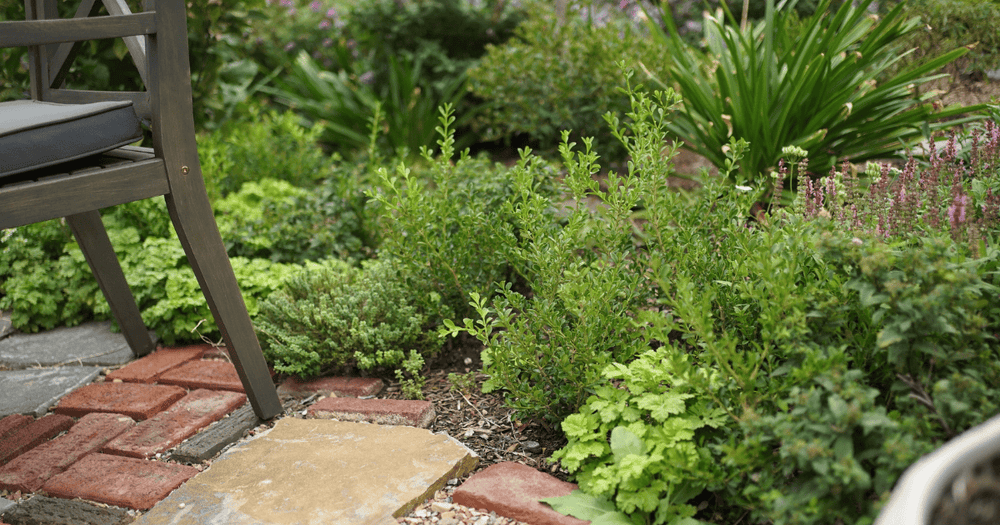
Credit: betterboxwood.com
Selecting Boxwood Varieties
Choosing the right boxwood varieties enhances garden design by adding structure and elegance. Consider the plant’s size, shape, and growth rate to complement your landscape. Versatile options like American and English boxwoods offer lush greenery suitable for borders, hedges, and topiary designs.
Selecting the right boxwood variety is crucial for a stunning garden. Boxwoods offer lush greenery and versatility. Their diverse varieties suit different climates and growth preferences. Understanding these factors helps in choosing the perfect fit for your garden.Explore Popular Varieties
Boxwood varieties vary in size and shape. Some favorites include ‘Green Velvet’, known for its compact form. ‘Wintergreen’ offers excellent cold tolerance. ‘American Boxwood’ provides lush foliage and can grow taller. Each variety has unique features. Choosing depends on your garden’s needs and aesthetic goals.Consider Climate Suitability
Climate plays a key role in boxwood selection. Some varieties thrive in colder regions. Others prefer warmer climates. ‘Wintergreen’ handles frost well. ‘Green Beauty’ does better in warmer areas. Knowing your local climate ensures healthy growth and longevity. Matching the variety to your environment is essential.Understand Growth Habits
Growth habits affect maintenance and design. Compact varieties need less trimming. Larger types create impressive hedges. ‘Green Mountain’ offers an upright growth style. ‘Dwarf English Boxwood’ is ideal for small spaces. Understanding these habits aids in planning your garden layout. Proper selection reduces maintenance work.Planning The Garden Layout
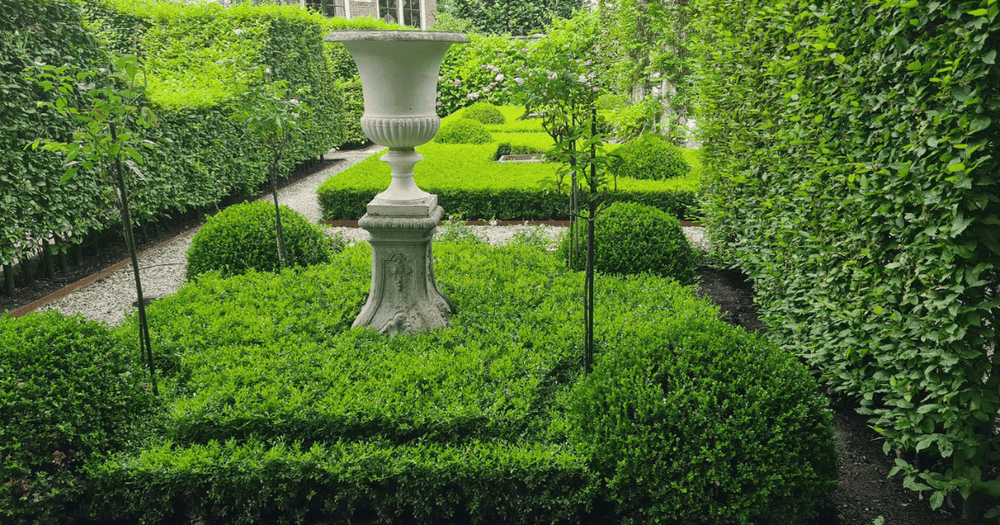
Designing a boxwood garden involves arranging boxwood shrubs in structured patterns. Choose symmetrical designs for a formal look. Incorporate pathways and focal points to enhance visual appeal.
Planning the layout of your boxwood garden is the cornerstone of creating a visually appealing and harmonious space. Whether you have a small backyard or a sprawling estate, a well-thought-out design can transform your garden into a peaceful retreat. Let’s dive into the essential elements of planning your boxwood garden layout.Determine Focal Points
Start by identifying the key areas you want to highlight in your garden. A focal point could be a stunning statue, a water feature, or a particularly beautiful plant. Think about what draws your attention first when you enter the garden. Consider the view from different angles. Stand in various spots around your garden and notice what catches your eye. This will help you decide where to place your focal points to create a cohesive design.Design Pathways And Borders
Paths and borders are not only functional but also guide the flow of movement through your garden. Use natural materials like gravel or stone to create paths that wind through the boxwoods. This adds charm and accessibility. Borders can help define spaces and add structure. Consider using low-growing boxwoods as borders to create neat and tidy lines. This not only enhances the aesthetic but also makes maintenance easier.Incorporate Complementary Plants
Boxwoods are versatile, but pairing them with complementary plants can enhance your garden’s appeal. Think about adding plants with varying heights and textures for a layered look. Consider the color scheme too. Perennials and seasonal flowers can add bursts of color and interest. Experiment with different combinations to find what works best for your space. Remember, the goal is to create a garden that feels balanced and inviting. What unique elements will you add to make your boxwood garden truly yours?Preparing The Soil
Ensure the soil is well-drained and fertile to support healthy boxwood growth. Add organic matter to improve texture and nutrients. Test soil pH, aiming for a slightly acidic to neutral range.
Designing a boxwood garden begins with a strong foundation—your soil. Preparing the soil is crucial for ensuring that your boxwoods thrive. It might seem like a daunting task, but with the right approach, your garden will flourish. Let’s dive into the essentials of getting your soil ready for these evergreen beauties.Test Soil Ph
Before planting, understanding your soil’s pH is vital. Boxwoods prefer a slightly acidic to neutral pH range of 6.5 to 7.5. You can easily test this using a home soil test kit. These are available at most garden centers and provide quick results. If your soil is too acidic or alkaline, consider adjusting it. For instance, adding lime can raise the pH, while sulfur can lower it. How did your soil measure up? Adjusting your pH can be the key to lush, healthy boxwoods.Amend Soil For Drainage
Boxwoods detest soggy roots. Ensuring proper drainage is essential to prevent root rot. Consider your soil type. Is it clay-heavy or sandy? Each presents its own challenges. Clay soil may need coarse sand or compost to improve drainage. Conversely, sandy soil might benefit from organic matter to retain moisture. Have you ever noticed water pooling around your plants? Amending your soil can drastically improve plant health and resilience.Add Nutrients For Boxwoods
Once you’ve tackled pH and drainage, enriching your soil with nutrients is the next step. Boxwoods thrive in nutrient-rich environments. Organic matter, such as compost or well-rotted manure, can work wonders. These additions not only provide essential nutrients but also improve soil structure. A balanced fertilizer specifically for boxwoods can also be beneficial. What nutrients do your boxwoods need most? Adding the right mix can lead to vibrant, lush growth that will make your garden the envy of the neighborhood. By focusing on these essential soil preparation steps, you set the stage for a thriving boxwood garden. Are you ready to get your hands dirty?Planting Boxwoods
Designing a boxwood garden involves selecting the right layout and spacing. Use boxwoods to create neat borders or elegant hedges. Mix with seasonal flowers for vibrant color contrast.
Designing a boxwood garden can be a rewarding endeavor, offering a timeless elegance to your outdoor space. Boxwoods are known for their dense, evergreen foliage and versatility in design, making them a popular choice for gardens. The initial step in creating a stunning boxwood garden is planting these resilient shrubs with care and precision. By focusing on the following elements, you can ensure that your boxwoods thrive and contribute to a beautiful, structured garden.Spacing And Arrangement
Proper spacing is crucial for boxwoods to grow healthily. Consider the mature size of the boxwood variety you’ve chosen. If you’re planning a hedge, space the plants about 2 to 3 feet apart to ensure they have room to fill out, yet create a dense barrier. For a formal garden, arranging boxwoods in geometric patterns can add elegance. Think of circles, squares, or even intricate designs that complement your overall garden layout. The right arrangement can transform your garden into a work of art.Planting Techniques
Boxwoods prefer well-drained soil, so it’s important to prepare the planting site accordingly. Dig a hole twice the width of the root ball but no deeper than the root ball itself. This encourages horizontal root growth, which is vital for stability. When placing the boxwood in the hole, ensure the top of the root ball is level with the ground surface. Backfill with soil and lightly tamp down to eliminate air pockets. Have you ever tried planting in slightly raised beds? They can enhance drainage, which boxwoods love. A raised bed can also add dimension to your garden design.Watering After Planting
Watering immediately after planting is essential to help boxwoods establish. Saturate the soil around the root ball thoroughly. This initial watering is critical in settling the soil and providing much-needed moisture to the roots. Follow up with consistent watering during the first growing season, but be cautious not to overwater. Boxwoods prefer moist, but not waterlogged soil. A tip from my own experience: installing a drip irrigation system can ensure your boxwoods receive the perfect amount of water. Plus, it saves you time and effort. As you embark on planting boxwoods, think about the future look of your garden. Each decision impacts the final aesthetic and health of your garden design. Are you ready to create a masterpiece in your backyard?Maintaining Boxwood Health
Designing a boxwood garden requires careful planning for optimal health. Select well-draining soil and provide adequate sunlight. Regular pruning maintains shape and encourages growth, ensuring a vibrant and lush appearance.
Maintaining the health of your boxwood garden is crucial for its beauty. Healthy boxwoods are vibrant and resistant to stress. This requires proper care and attention. Here, we’ll discuss key practices for keeping your boxwoods healthy.Pruning Practices
Regular pruning keeps boxwoods neat and encourages dense growth. Trim your boxwood at least once a year. This helps maintain the desired shape and size. Use sharp, clean tools to avoid damage. Remove dead or diseased branches immediately. This prevents the spread of disease. Be careful not to over-prune, as this can stress the plant.Pest And Disease Management
Boxwoods can fall prey to pests and diseases. Common pests include mites and leafminers. Regularly inspect your plants for signs of infestation. Treat early with appropriate insecticides or natural solutions. Diseases like blight can affect boxwoods too. Ensure good air circulation to reduce fungal issues. If you notice black spots or wilting, act quickly.Regular Watering And Feeding
Boxwoods need consistent watering. Water deeply but infrequently. This encourages deep root growth. Avoid waterlogging the soil. It can lead to root rot. Fertilize your boxwoods in early spring. Choose a balanced, slow-release fertilizer. This provides essential nutrients for growth. Avoid over-fertilizing, as it can harm the plants. Regular care ensures your boxwoods thrive and look their best.Enhancing Garden Aesthetics
Designing a boxwood garden transforms outdoor spaces into lush, green havens. Arrange boxwoods in symmetrical patterns for visual harmony. Mix different heights and textures to create captivating garden layers.
Enhancing the aesthetics of a boxwood garden can transform any outdoor space. It adds charm and elegance. Boxwoods are versatile and timeless. They provide a perfect backdrop for various decorative elements. You can create a serene and inviting garden environment. Consider incorporating seasonal decorations, strategic lighting, and stylish furniture. Each element contributes to an enchanting garden experience.Seasonal Decorations
Seasonal decorations breathe new life into a garden. During spring, add colorful flowers around the boxwoods. In summer, use vibrant lanterns or flags. Autumn brings orange and brown tones. Consider pumpkins and dried leaves for a warm feel. Winter decor can include fairy lights and evergreen wreaths. Change decorations with each season to keep the garden fresh.Lighting Options
Lighting enhances the garden’s beauty at night. Install solar-powered lights along pathways. Use spotlights to highlight key features. String lights add a magical touch. Place them around trees and bushes. Lanterns provide a cozy atmosphere. For a dramatic effect, use uplighting on taller trees. Lighting creates a welcoming space after dark.Garden Furniture And Accessories
Furniture and accessories complete a garden’s look. Choose weather-resistant pieces like metal or teak. A bench or swing can be a focal point. Add cushions for comfort. Use tables for outdoor dining or tea time. Accessories like bird baths and sculptures add charm. Consider pots and planters for extra greenery. Each item should complement the garden’s style.Sustainable Practices
Creating a boxwood garden involves thoughtful planning. Choose native plants to support biodiversity and reduce water usage. Incorporate organic mulches to enhance soil health and minimize chemical fertilizers.
Designing a boxwood garden with sustainable practices ensures a healthy, vibrant space. Embracing sustainability nurtures the garden and supports the environment. It’s a win-win situation for gardeners and nature enthusiasts. Here’s how you can incorporate sustainable practices into your boxwood garden.Water Conservation Techniques
Conserve water by using drip irrigation systems. These systems deliver water directly to the plant roots. This minimizes evaporation and ensures efficient water use. Mulching around boxwoods also helps retain moisture. Choose organic mulch for added benefits. Rainwater harvesting is another effective method. Collect rainwater in barrels and use it for irrigation. This reduces dependency on municipal water sources.Organic Fertilizers And Pest Control
Opt for organic fertilizers to nourish your boxwood garden. These fertilizers enrich the soil without harmful chemicals. Compost made from kitchen scraps works wonders. It provides essential nutrients for healthy growth. For pest control, avoid chemical pesticides. Use natural alternatives like neem oil or insecticidal soap. Encourage beneficial insects like ladybugs to manage pest populations.Encouraging Biodiversity
Biodiversity strengthens your garden’s ecosystem. Plant a variety of species alongside your boxwoods. This attracts pollinators and beneficial insects. Native plants are excellent companions. They adapt well to local conditions and support local wildlife. Introduce bird feeders or birdbaths to invite birds. Birds help control pests naturally. A diverse garden is resilient and vibrant.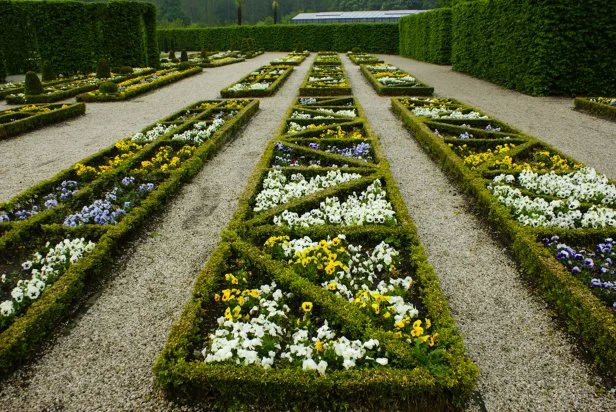
Credit: www.hgtv.com
Frequently Asked Questions
What Is A Boxwood Garden?
A boxwood garden is a landscaped area featuring boxwood plants. These evergreen shrubs are known for their dense foliage. Boxwood gardens offer versatility, serving as hedges, borders, or topiaries. They provide year-round greenery and structure. Suitable for formal and informal designs, boxwoods thrive in varied climates.
How To Start A Boxwood Garden?
Starting a boxwood garden involves selecting the right boxwood variety. Consider climate, soil, and garden size. Prepare soil by ensuring good drainage. Plant boxwoods in well-spaced rows or designs. Regularly prune for shape and health. Provide adequate sunlight and water for optimal growth.
What Are Boxwood Garden Design Tips?
Design tips include considering garden size and style. Use boxwoods for borders, hedges, or focal points. Mix with other plants for texture and color. Incorporate pathways or seating areas for functionality. Regular pruning maintains shape and encourages dense growth. Experiment with geometric designs for a classic look.
How To Care For Boxwood Plants?
Boxwood care involves regular pruning and watering. Ensure soil remains moist but not waterlogged. Mulch helps retain moisture and suppress weeds. Monitor for pests like boxwood leafminers. Fertilize annually with balanced nutrients. Provide adequate sunlight and airflow to prevent disease.
Proper care enhances growth and appearance.
Conclusion
A boxwood garden brings timeless beauty to any space. Its lush greenery creates serene outdoor areas. Designing one is simple and rewarding. Start by choosing the right spot. Consider sunlight and soil quality. Plan your layout thoughtfully. Balance symmetry and creativity.
Regular trimming keeps shapes neat and tidy. Watering is key for healthy growth. Watch for pests and diseases. Enjoy the elegance boxwoods offer year-round. They thrive in diverse climates. A well-designed boxwood garden becomes a peaceful retreat. Perfect for relaxation and admiration.
Transform your garden into a green oasis with boxwoods. It’s simpler than you might think!