
Imagine stepping into your backyard and being instantly transported to a miniature world of tranquility and beauty. A bonsai landscape garden can offer you just that—a peaceful retreat filled with meticulously crafted miniature trees and serene landscapes.
Designing such a garden might seem daunting, but with the right guidance, you can create a stunning oasis right at home. This article will walk you through the essential steps to design a bonsai landscape garden that reflects your personality and provides a sense of calm.
By understanding the secrets behind bonsai art and landscape design, you’ll be equipped to transform your outdoor space into a breathtaking escape. Let’s delve into the art and science of bonsai gardening and discover how you can craft a landscape that captivates your senses and uplifts your spirit.
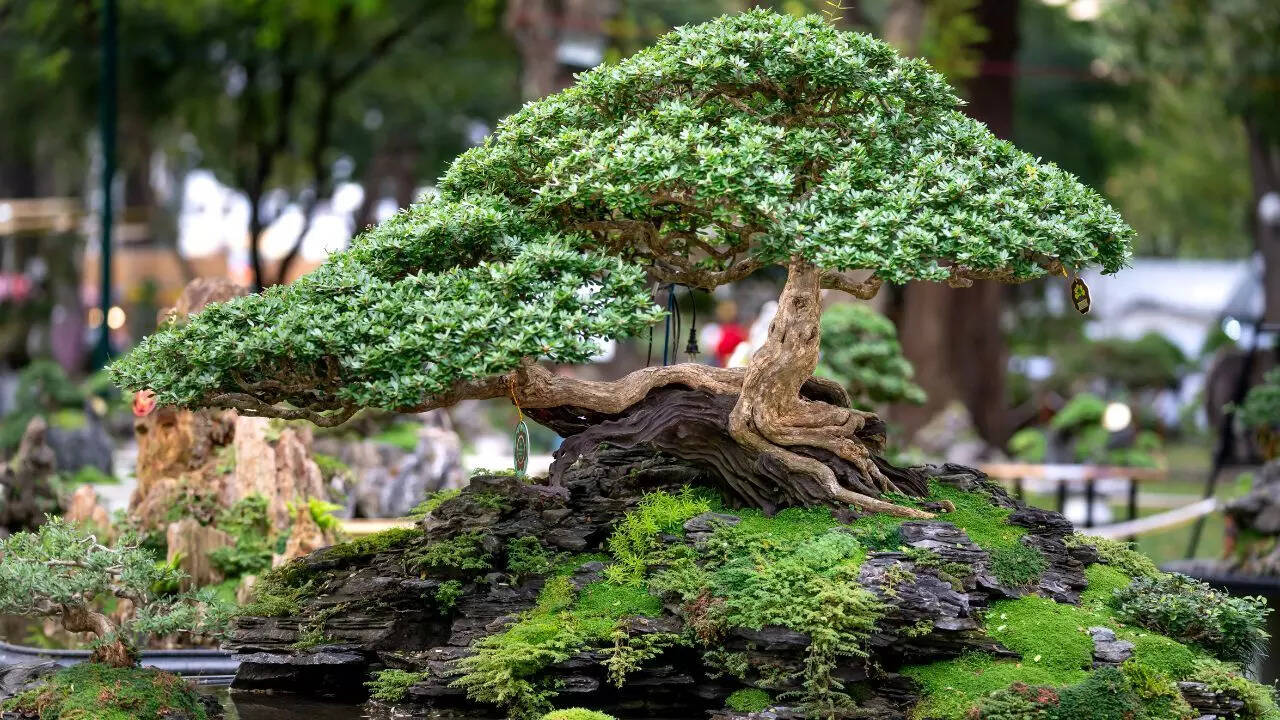
Credit: timesofindia.indiatimes.com
Selecting The Right Bonsai
Choosing the ideal bonsai is crucial for creating a stunning landscape garden. Consider the size, style, and species that complement your garden’s theme. Harmonize the bonsai with other elements for a cohesive and serene look.
Selecting the right bonsai for your landscape garden is a crucial step in creating a harmonious and visually appealing space. Your choice should reflect both the aesthetic goals and practical considerations of your garden. With a variety of species available, it’s essential to make informed decisions that align with your environment and personal preferences.Choosing Tree Species
When choosing tree species for your bonsai landscape, consider what visually resonates with you. Are you drawn to the elegance of a Japanese maple or the rugged charm of a juniper? Each species brings its own unique character and growth patterns. Additionally, think about the maintenance needs. Some species require more care than others. For a beginner, a ficus might be a great starting point due to its resilience and adaptability.Considering Climate And Environment
Your local climate plays a pivotal role in selecting the right bonsai. Not all trees thrive in every environment. If you live in a colder region, choose species that can withstand frost, like pines or spruces. On the other hand, tropical species such as banyan trees flourish in warmer climates. Always consider the amount of sunlight your garden receives. Some bonsai prefer full sun, while others thrive in partial shade. Reflect on your local weather patterns and how they align with the needs of different species. This can prevent future issues and ensure a thriving bonsai landscape.
Credit: www.youtube.com
Planning The Garden Layout
Designing a bonsai landscape garden involves creating balance and harmony. Select diverse bonsai species for visual interest. Arrange them thoughtfully to mimic natural scenery.
Planning the layout of your bonsai landscape garden is an exciting journey that blends creativity and nature. It involves arranging elements in harmony to create a miniature world that captivates the imagination. As you sketch out your garden’s layout, consider how each component will work together to form a cohesive and beautiful scene.Creating A Focal Point
Every garden needs a focal point, something that draws the eye and anchors the design. In a bonsai landscape, this could be a particularly striking bonsai tree, an intricately designed sculpture, or even a small pagoda. Consider the scale and proportion, ensuring your focal point stands out without overwhelming other elements. A vibrant maple bonsai might serve as the perfect centerpiece, bringing color and texture to your garden.Incorporating Water Features
Adding water features can transform your bonsai landscape into a tranquil oasis. Whether it’s a small pond, a cascading waterfall, or a simple birdbath, water adds movement and sound to your garden. Choose features that complement the size and style of your space. Imagine the gentle trickle of water enhancing the serene atmosphere, drawing you in to relax and enjoy the peaceful surroundings.Utilizing Rocks And Stones
Rocks and stones can add depth and texture to your bonsai garden, creating a natural framework for your design. Use them to form pathways, borders, or even miniature mountain ranges. Select stones with varied colors and sizes to create visual interest. When placing rocks, think about how they interact with other elements—are they guiding the viewer’s gaze or providing a subtle contrast to your bonsai trees? The right arrangement can evoke the feeling of a natural landscape, inviting exploration and admiration. As you plan your bonsai garden layout, consider how each element contributes to the overall experience. What story does your garden tell? How does each part play its role in the narrative? Your bonsai landscape is a canvas waiting for your unique touch.Designing With Aesthetic Principles
Creating a bonsai landscape garden is akin to painting a living masterpiece. It involves carefully crafting a miniature world that captures the essence of nature while adhering to aesthetic principles. These principles guide you in making choices that harmonize the elements within your garden, creating a serene and balanced space.
Balancing Scale And Proportion
Scale and proportion are crucial when designing your bonsai landscape. The size of each element should complement the others, creating a cohesive look. Imagine the miniature trees as the leading characters of your garden’s story; they should stand out but not overshadow other components.
Consider the placement of rocks, plants, and water features. Each should be proportionate, ensuring none overwhelms the scene. A large rock can become a focal point, while smaller stones can enhance the natural rhythm. This balance evokes a sense of tranquility and order.
Applying The Rule Of Thirds
Borrowed from photography and art, the rule of thirds can transform your bonsai garden. Divide the space into a grid of nine equal parts, using two horizontal and two vertical lines. Position key elements at the intersections or along these lines to create visual interest.
Think about where your eye naturally falls when you look at the garden. Is there a central piece that draws attention? By strategically arranging components, you guide the viewer’s gaze and craft a more engaging composition.
What story does your bonsai landscape tell? By applying aesthetic principles, you’re not just planting trees and arranging rocks; you’re creating a narrative that resonates with anyone who views it. Embrace these guidelines and watch your garden come alive with harmony and intrigue.
Soil And Planting Techniques
Design a bonsai landscape garden with careful soil selection and planting techniques. Use well-draining soil to prevent root rot. Arrange bonsai trees with varying heights and textures for an appealing visual effect.
Designing a bonsai landscape garden involves more than just artistic vision. It’s crucial to understand the soil and planting techniques that ensure your miniature trees thrive. Soil and planting are the foundation of a healthy bonsai garden. Without the right mix and proper practices, even the most beautiful design can falter. So, how do you get it right?Selecting The Right Soil Mix
The soil mix is the lifeline of your bonsai garden. It must provide good drainage while retaining enough moisture. A typical bonsai soil mix consists of three main components: akadama, pumice, and lava rock. Akadama is a type of clay that holds water and nutrients. Pumice aids in aeration and drainage, while lava rock adds stability to the soil structure. You can adjust the ratio of these components based on the species of bonsai you choose. Consider your local climate as well. In a humid area, you might want a mix that drains faster, while in dry regions, a mix that retains more moisture could be beneficial. Experimenting with different ratios can help you find the perfect balance for your garden.Proper Planting Practices
Planting your bonsai correctly is as important as choosing the right soil. Begin by selecting a pot that complements the aesthetic of your landscape yet provides enough space for root growth. Before planting, gently comb out the roots using a bonsai rake. This encourages healthy growth and prevents them from becoming root-bound. Trim any damaged or overly long roots to promote a robust root system. Position the tree slightly off-center for a more natural look. Secure it with wire to stabilize it during the initial growth phase. After planting, water thoroughly to settle the soil and remove air pockets. Are you giving your bonsai the best start possible? Pay attention to these details, and your bonsai landscape garden will flourish beautifully.Maintenance And Care
Regular pruning and careful watering are key to a thriving bonsai landscape garden. Check soil moisture levels daily to maintain optimal hydration.
Designing a bonsai landscape garden is an art that requires dedication and a keen eye for detail. Once your miniature masterpiece is set up, maintaining its beauty and health becomes your primary focus. Regular care ensures that your bonsai landscape garden thrives, capturing the essence of nature in its miniature form.Pruning And Shaping
Pruning is essential to maintain the scale and aesthetics of your bonsai landscape. Remove any dead or unhealthy branches to promote growth and shape the tree to your desired form. Use sharp, clean tools to make precise cuts, ensuring your plant heals quickly. Shaping involves guiding the branches and trunk to follow a specific design. Use wire to gently bend and position branches, checking regularly to prevent damage. The balance between pruning and shaping creates a dynamic and visually appealing bonsai landscape.Watering And Fertilizing
Watering is a critical aspect of bonsai care. Ensure the soil remains slightly moist but not waterlogged. It’s better to water deeply and less frequently to encourage root growth. Fertilizing your bonsai landscape garden is like feeding it a balanced diet. Use a balanced, water-soluble fertilizer during the growing season. Remember, less is more; over-fertilization can harm your plants.Pest And Disease Management
Vigilance is key to keeping pests and diseases at bay. Regularly inspect your bonsai for signs of trouble, such as discolored leaves or unusual growths. Address issues promptly to prevent them from spreading. Natural remedies, like neem oil, can be effective against pests without harming the plant. If you notice a persistent problem, consider consulting a bonsai expert to protect your miniature garden’s health. How do you ensure your bonsai stays pest-free? Consistent monitoring and quick action are your best defenses.Seasonal Considerations
Designing a bonsai landscape garden requires attention to seasonal changes. Select plants that thrive in various seasons. Incorporate elements that highlight each season’s unique beauty.
Designing a Bonsai Landscape Garden requires attention to seasonal changes. Each season brings unique challenges and opportunities. Understanding these can help maintain a thriving garden.Adapting To Weather Changes
Weather changes affect your bonsai garden. In spring, trees awaken from dormancy. This is a time for growth and renewal. Ensure they receive enough sunlight. Summer heat can be intense. Provide shade and increase watering. Autumn signals preparation for winter. Leaves change color and fall. Reduce watering as growth slows. Winter requires protection from frost. Move trees indoors or cover them.Seasonal Pruning Guidelines
Pruning is crucial for bonsai health. In spring, prune to shape new growth. Remove unwanted branches early. Summer is ideal for maintenance pruning. Trim excess leaves for better airflow. Autumn focuses on structural pruning. Prepare trees for winter dormancy. Winter pruning is minimal. Focus on removing dead or diseased branches. Prune with care to preserve tree health.Incorporating Decorative Elements
Enhance your bonsai landscape garden with decorative elements like rocks and miniature statues. These additions create visual interest and depth. Carefully placed ornaments can mimic natural scenery, adding authenticity to your garden design.
Incorporating decorative elements in a bonsai landscape garden adds charm and personality. These elements transform a simple garden into a serene, inviting space. The right decorations can highlight the beauty of bonsai trees. They also create focal points that draw the eye and offer a sense of tranquility.Adding Pathways And Benches
Pathways guide visitors through your garden. They create a journey that allows appreciation of each bonsai tree. Use stones or gravel for a natural look. Consider winding paths for a more organic feel. Benches invite people to pause and enjoy the scenery. Wooden benches blend well with nature. They provide a spot for reflection and relaxation. Place them strategically near your favorite bonsai.Using Lanterns And Ornaments
Lanterns add a soft glow during evenings. They enhance the garden’s ambiance. Opt for traditional Japanese lanterns for authenticity. Solar-powered lanterns are eco-friendly and convenient. Ornaments add personality to the garden. Choose pieces that complement the bonsai style. Avoid overcrowding; each ornament should have its space. Position them thoughtfully to maintain harmony.
Credit: www.youtube.com
Creating A Sense Of Harmony
Crafting a bonsai landscape garden involves balancing miniature trees and natural elements. Focus on scale, texture, and color to create harmony. Each element should seamlessly blend into the serene environment.
Creating a sense of harmony in your bonsai landscape garden is like orchestrating a peaceful symphony. Each element should blend seamlessly into the next, creating a balanced and tranquil environment. It’s not just about the visual appeal; it’s about capturing the essence of nature and bringing it to life in a miniature form.Achieving A Natural Look
To achieve a natural look, consider the flow of your garden. Just like a forest path that gently winds through the trees, your bonsai landscape should have a similar rhythm. Use stones and small pebbles to mimic natural terrain. Think about the placement of each bonsai tree. Vary their heights and sizes to create depth and interest. A taller tree at the back and smaller ones in the foreground can give the illusion of distance. Choose plants that naturally complement each other. Mixing different species can reflect the diverse ecosystems found in the wild, adding authenticity to your design.Connecting With The Surrounding Landscape
Integrate your bonsai garden with the surrounding environment. If your garden is outdoors, consider the backdrop of larger trees or shrubs to create a cohesive look. This connection can enhance the overall harmony of your space. Reflect on how your bonsai garden interacts with natural elements like sunlight and wind. Position your garden to take advantage of the light, allowing it to cast gentle shadows and highlight the textures of your bonsai. Ask yourself: Does your garden tell a story? A well-designed bonsai landscape should evoke emotions and memories. Think of a serene forest you once visited or a tranquil park where you found peace. Use these memories to guide your design choices.Frequently Asked Questions
What Is A Bonsai Landscape Garden?
A Bonsai Landscape Garden is a miniature garden that incorporates bonsai trees and other natural elements. It is designed to mimic larger landscapes on a small scale, offering tranquility and beauty. These gardens often feature rocks, water features, and tiny plants, creating a serene and harmonious environment.
How To Start Designing A Bonsai Garden?
Start by choosing the right bonsai trees for your garden. Select trees that suit your climate and landscape vision. Plan the layout, incorporating rocks and water features for visual interest. Ensure proper drainage and soil quality. Finally, arrange elements harmoniously to create a balanced and peaceful setting.
Which Plants Are Best For Bonsai Gardens?
Some popular plants for Bonsai Gardens include Juniper, Pine, and Maple. These species are hardy and easily adaptable to bonsai cultivation. Consider the climate and your garden’s conditions when selecting plants. Choose varieties that thrive in your area and complement the overall aesthetic of your garden.
How To Maintain A Bonsai Landscape Garden?
Regular maintenance is crucial for a healthy Bonsai Landscape Garden. Water your bonsai trees appropriately, ensuring the soil remains moist but not waterlogged. Prune the trees to maintain their shape and size. Monitor for pests and diseases, and fertilize during the growing season to ensure optimal health.
Conclusion
Creating a bonsai landscape garden offers peace and beauty. Start small and choose easy plants. Patience is key, as bonsai takes time. Arrange rocks and moss thoughtfully. Water and trim regularly. Let nature guide your design. A garden reflects your creativity and care.
Enjoy the process and watch it grow. Share your unique garden with friends. It’s a rewarding hobby that connects you with nature. Embrace the tranquility bonsai offers. Your garden can be a peaceful retreat. With practice, it will flourish beautifully.







