
Imagine stepping into your backyard and being greeted by a stunning, vibrant garden that feels like a slice of paradise. Designing such a garden might seem like a daunting task, but with the right tools and a bit of creativity, you can turn your outdoor space into a masterpiece.
Lumion, the powerful 3D rendering software, offers you the perfect platform to visualize and plan your dream garden with ease. Are you ready to transform your landscape into a beautiful sanctuary? In this guide, you’ll discover how to design a beautiful garden in Lumion, step by step.
Whether you’re a seasoned designer or just getting started, you’ll find tips and tricks to make your garden stand out. By tapping into the psychology of aesthetics, we’ll show you how to create a space that not only looks amazing but also evokes a sense of peace and happiness. Stay with us, and learn how to harness Lumion’s features to bring your garden ideas to life, ensuring every corner of your outdoor space becomes a source of joy and inspiration. Your journey to a breathtaking garden begins here!

Credit: www.fiverr.com
Landscape Planning
Design a beautiful garden in Lumion by planning diverse plant placements and incorporating water features. Use natural textures and adjust lighting to enhance the garden’s ambiance. Experiment with colors and layout for a harmonious and inviting outdoor space.
Designing a beautiful garden in Lumion begins with effective landscape planning. This phase is crucial in bringing your vision to life. It involves organizing elements to create harmony and balance. Understanding the land and setting goals can help streamline the process. This ensures the garden is both functional and aesthetically pleasing.Assessing Site Conditions
Assessing site conditions is the first step in landscape planning. Begin by observing the area’s natural features. Consider the soil type, drainage patterns, and sunlight exposure. Note any existing vegetation and structures. This information forms the foundation of your design. It helps identify opportunities and challenges in the space.Setting Design Goals
Setting clear design goals guides the planning process. Reflect on the purpose of the garden. Is it for relaxation, entertainment, or cultivation? Consider the desired style and mood. Do you want a modern look or a rustic charm? Outline specific features you wish to include, like paths or water elements. Clear goals ensure every design choice aligns with the overall vision.
Credit: www.youtube.com
Choosing Plants
Selecting the right plants in Lumion enhances garden design. Choose plants that complement each other in color and texture. Consider size and growth patterns for a balanced look.
Designing a beautiful garden in Lumion can be a rewarding experience, and choosing the right plants is a crucial step in the process. The plants you select not only define the aesthetic appeal but also influence the garden’s maintenance needs and environmental impact. By making informed choices, you can create a vibrant and sustainable garden that thrives throughout the year.Selecting Native Species
Opting for native plant species can significantly enhance your garden’s health and beauty. Native plants are adapted to the local climate and soil conditions, making them easier to care for and more resistant to pests. This means less time spent on maintenance and more time enjoying your garden. Consider how native plants support local wildlife. They provide essential habitats for pollinators like bees and butterflies, contributing to a thriving ecosystem. You might be surprised by the variety and color that native species can offer, transforming your garden into a lively sanctuary.Creating Seasonal Interest
To keep your garden visually appealing year-round, focus on creating seasonal interest. Choose plants that bloom at different times of the year, ensuring that your garden never looks dull or lifeless. This strategy not only enhances visual appeal but also supports biodiversity. Think about incorporating a mix of evergreen and deciduous plants. While evergreens provide structure and greenery even in winter, deciduous plants offer a change of scenery as they transition through the seasons. You might find that planning for seasonal variety makes your garden a dynamic and ever-changing space. What seasonal blooms do you envision brightening your garden? Consider the vibrant colors of spring bulbs, the lush greenery of summer, the warm tones of autumn foliage, and the crisp elegance of winter evergreens. Each season can offer its unique charm, inviting you to appreciate the subtle changes in your garden.Hardscape Elements
Hardscape elements like pathways, patios, and retaining walls can enhance garden designs in Lumion. These features provide structure and balance, creating a visually appealing outdoor space.
Designing a garden in Lumion involves more than just plants. Hardscape elements give structure and function to your garden. These elements include pathways, water features, and other non-plant components. They add depth and interest to your design.Incorporating Pathways
Pathways guide visitors through your garden. Use them to connect different areas. Choose materials like stone, brick, or gravel. Each offers a unique look and feel. Consider the width of your pathways. Make sure they are wide enough for comfort. Curved paths create a sense of mystery. They invite exploration. Straight paths offer a more formal appearance. Lighting can enhance pathways. Add small lights along the edges. This ensures safe passage at night.Designing Water Features
Water features add tranquility to your garden. They bring sound and motion. Fountains are a popular choice. They come in many styles and sizes. Ponds offer a natural look. Include fish or water plants for added interest. Waterfalls create a soothing ambiance. The sound of flowing water is calming. Consider the placement of your water feature. It should be visible from key viewpoints. Use Lumion to visualize reflections and movement. This helps in achieving a realistic look. Water features can become the focal point of your garden. They draw the eye and create interest.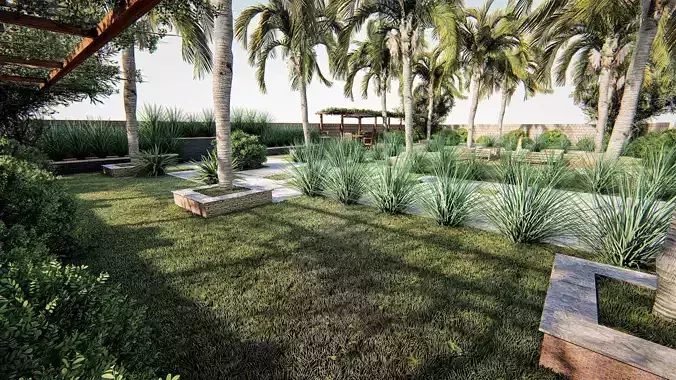
Credit: www.cgtrader.com
Color And Texture
Enhancing your garden’s design in Lumion involves exploring a rich palette of colors and textures. Combine vibrant flowers with lush greenery for visual appeal. Add varied textures through different plants and materials for depth and interest.
Creating a beautiful garden in Lumion involves more than just placing plants. The right colors and textures can transform your digital garden into a vibrant, lifelike space. They add depth and interest, making your design stand out. Understanding how to balance these elements is key to achieving a realistic and appealing garden.Balancing Colors
Choose a color palette that complements your garden’s theme. Use a mix of warm and cool tones to create contrast. Warm colors like reds and yellows draw attention. Cool colors such as blues and greens provide a calming effect. Ensure that no single color dominates the scene. This balance creates harmony and visual interest. Experiment with different shades and intensities to find the perfect combination.Mixing Textures
Textures bring a garden to life by adding realism. Use a variety of plant types, each with its unique texture. Combine smooth, glossy leaves with rough, matte foliage. This contrast makes your garden more dynamic. Incorporate different materials like stone, wood, and gravel for pathways and borders. Varying textures create depth and prevent monotony. Aim for a natural look by blending elements seamlessly. Remember, a well-textured garden feels inviting and immersive.Lighting Techniques
Illuminate your garden in Lumion by experimenting with varied lighting angles and intensities. Highlight key features like pathways, plants, and water elements. Use soft lighting to create a serene ambiance and spotlight for dramatic effects.
Designing a beautiful garden in Lumion involves more than just plants and pathways. Lighting techniques play a crucial role in transforming your virtual garden into a stunning visual experience. The right lighting can highlight features, create ambiance, and guide the viewer’s eye through the space. Let’s explore some effective lighting techniques to elevate your garden design.Highlighting Key Areas
When you identify the focal points of your garden, lighting becomes your tool to draw attention. Think about how a spotlight can make a single tree or sculpture stand out against the night sky. Use targeted lights to enhance the texture of a stone wall or the intricate details of a water feature. This approach can create a dynamic and engaging landscape that captivates viewers. Consider using different colors to evoke specific moods. Warm hues can create a cozy atmosphere, while cooler tones might suggest tranquility. Experiment with the intensity and direction of the light to see how it changes the garden’s appearance.Using Ambient Lighting
Ambient lighting serves as the backdrop to your garden, offering a soft and inviting glow. It’s like the gentle brushstrokes of a painting that fill in the background without overwhelming the main subject. String lights or lanterns can add a whimsical touch, creating pathways that invite exploration. Imagine walking through a softly lit garden path that guides you with gentle illumination. Don’t overlook the magic of moonlighting. Placing lights high in trees to mimic the natural glow of the moon can create enchanting shadows and depth. Your garden can transform into a serene sanctuary, perfect for relaxation or evening gatherings. Lighting isn’t just a practical element; it’s an artistic tool that can redefine your garden space. How will you use light to tell your garden’s story?Using Lumion Tools
Design a beautiful garden in Lumion using its versatile tools. Explore features like realistic plant libraries and terrain sculpting. Bring your garden ideas to life with stunning visual effects and lighting options, creating serene and picturesque outdoor spaces.
Designing a beautiful garden in Lumion can feel like painting on a vast digital canvas. The software offers a wide array of tools that can transform your garden dreams into virtual reality. With Lumion, you have the power to craft stunning landscapes that captivate the viewer’s eye.Navigating The Interface
Understanding Lumion’s interface is your first step to success. The interface is user-friendly, yet packed with features. Spend some time exploring the toolbar and menus. You’ll find tools for adding plants, trees, and other natural elements. Try dragging and dropping these elements into your scene. It’s as simple as arranging pieces in a digital puzzle. What’s your design style? Minimalist or lush and full? The interface allows you to experiment effortlessly.Utilizing Lumion Effects
Lumion is not just about adding elements; it’s about making them come alive. Effects play a crucial role in this transformation. Consider adjusting the lighting to mimic a sunny day or a moody evening. This can dramatically change the ambiance of your garden. Experiment with water effects for ponds or fountains. A gentle ripple or a waterfall can add an element of tranquility. Have you tried using the sky and weather effects? Creating a cloudy backdrop or a starry night can enhance the story your garden tells. By mastering these tools, you can bring your garden to life with just a few clicks. What will your garden look like under a sunset sky?Rendering Tips
Create stunning garden designs in Lumion by experimenting with lighting, textures, and plant combinations. Use realistic materials and natural elements to enhance visual appeal. Adjust camera angles to capture the best perspectives of your garden renderings.
Creating a stunning garden in Lumion is not just about selecting the right plants and materials. It’s about bringing your vision to life through impeccable rendering. Whether you’re a novice or an experienced designer, understanding how to optimize render settings and enhance the visual impact can make all the difference. Let’s dive into some rendering tips that can elevate your garden design to new heights.Optimizing Render Settings
Properly optimizing render settings is crucial in achieving a realistic look in your Lumion garden design. Start by adjusting the resolution settings to match your project’s needs. Higher resolutions can offer more detail but require more processing power. Take advantage of the lighting settings to create the desired mood. Play with the time of day to see how natural light affects your scene. You might be surprised at how a sunset or sunrise can dramatically transform your garden’s ambiance. Don’t forget about the camera settings. A well-placed camera angle can highlight the best features of your garden. Experiment with different perspectives to find the one that captures the essence of your design.Enhancing Visual Impact
To enhance the visual impact of your garden, consider adding effects that draw attention to specific areas. Depth of field can help focus on particular plants or features, creating a more professional look. Boost the realism by adjusting the weather settings. A gentle rain or a clear sunny day can completely change the scene’s vibe. Use these settings to tell a story with your design. Textures also play a vital role in bringing your garden to life. Ensure that all materials, from the grass to the stone pathways, are high quality and well matched. This attention to detail can significantly enhance the overall visual experience. Have you ever noticed how a slight tweak in color can change everything? Experiment with color correction to find a palette that complements your garden’s theme. This can make your design more cohesive and visually striking. Creating a beautiful garden in Lumion is an art that combines creativity with technical skill. By optimizing render settings and enhancing the visual impact, you can make your garden not only beautiful but also unforgettable. What unique elements will you add to your garden design?Frequently Asked Questions
How Do I Start Designing A Garden In Lumion?
Begin by importing your garden layout from a modeling software. Use Lumion’s vast library of plants and objects to decorate. Experiment with different materials and lighting to enhance realism. Make sure to adjust the weather settings for an atmospheric touch.
What Are The Best Tools In Lumion For Garden Design?
Lumion offers a variety of tools for garden design. Use the Nature objects library for plants and trees. The Landscape Editor allows terrain customization. Utilize the weather and lighting features to create realistic settings. Experiment with different effects to enhance visual appeal.
How Can I Make My Garden Realistic In Lumion?
To achieve realism, use high-quality textures for plants and materials. Adjust lighting to mimic natural conditions. Experiment with the weather settings for dynamic skies. Add small details like pathways and water features. Use Lumion’s effects to enhance shadows and reflections.
Can I Import Custom Plants Into Lumion?
Yes, you can import custom plants into Lumion. Use compatible 3D modeling software to create or download plant models. Ensure they are in a supported file format. Import them into Lumion and integrate them into your garden design for a personalized touch.
Conclusion
Creating a beautiful garden in Lumion is fun and rewarding. With simple steps, anyone can design stunning landscapes. Start by choosing the right plants and layout. Use Lumion’s tools to add details like paths and water features. Experiment with lighting to enhance your garden’s look.
Regularly update your design for fresh ideas. Share your Lumion garden with friends and family. They’ll love seeing your creativity. Enjoy the process and watch your garden come to life. Designing in Lumion is a journey. Let your imagination guide you to new possibilities.
Happy gardening!







