Imagine bringing a slice of nature into your home, where vibrant greens cascade down your walls and fresh herbs are just an arm’s reach away. Creating a vertical garden indoors can transform any space into a lush, living masterpiece.
You’re not just adding plants to your home; you’re cultivating a sanctuary of calm and creativity. Vertical gardens offer a unique solution for those with limited floor space, allowing you to embrace the joy of gardening without the need for a sprawling yard.
If you’ve ever wished for your own indoor oasis but felt unsure where to start, you’re in the right place. In this guide, you’ll discover step-by-step how to create a stunning vertical garden indoors, bringing beauty and tranquility to your everyday life. Ready to turn your walls into a living, breathing work of art? Let’s dive in!
Benefits Of Vertical Gardens
Creating a vertical garden indoors maximizes space and enhances air quality. These gardens add natural beauty and reduce stress, making homes more inviting and peaceful.
Creating a vertical garden indoors is not just about having greenery in your space; it’s about embracing a lifestyle that brings multiple benefits. As you embark on this gardening adventure, you’ll find that vertical gardens offer significant advantages that enhance your living environment in unexpected ways.Space Optimization
One of the most compelling reasons to start a vertical garden indoors is the efficient use of space. In urban living, where every square foot counts, utilizing vertical spaces can transform your home. Imagine turning that bare wall in your kitchen into a lush herb garden. You not only save space but also have fresh ingredients at your fingertips. Have you ever thought about how much potential your unused corners have?Air Quality Improvement
Indoor plants are not just decorative; they actively improve air quality. Vertical gardens amplify this benefit by accommodating more plants in less space. As your garden grows, it acts like a natural air purifier, removing toxins and increasing oxygen levels. Picture yourself breathing cleaner air every day, simply because you added plants to your vertical setup. Isn’t that a simple way to boost your health?Aesthetic Appeal
Beyond functionality, vertical gardens are a feast for the eyes. They bring a dynamic visual interest to your home. The cascading greenery can transform any room from dull to vibrant. Imagine guests walking into your living room and instantly being captivated by your wall of foliage. Vertical gardens offer a unique way to express your personality through plant choices and arrangements. Have you considered how a vertical garden could redefine your interior design?Choosing The Right Plants
Selecting the right plants is crucial for a successful indoor vertical garden. Choose low-maintenance plants like pothos, ferns, or succulents. These thrive in limited light and space, making them perfect for vertical arrangements.
Choosing the right plants for your indoor vertical garden is crucial for success. It can be the difference between a lush, thriving wall of greenery and a droopy, lackluster display. Selecting plants that suit your home’s specific conditions will ensure your garden not only survives but flourishes.Low Light Tolerant Plants
Not every home is blessed with abundant sunlight. If your space is on the darker side, don’t worry. There are plenty of plants that thrive in low light conditions. Snake plants, pothos, and ZZ plants are excellent choices. They require minimal sunlight and are resilient to neglect. These plants can bring life to those dim corners that typically stay bare.Fast Growing Varieties
For those who desire quick results, fast-growing plants are the way to go. Spider plants and English ivy grow rapidly, providing a lush look in no time. These plants are like the sprinters of the plant world, eager to fill up space and create a stunning display. Watching them grow daily can be incredibly satisfying. Keep your pruning shears handy, as they may need regular trimming to maintain their shape.Maintenance Considerations
Before you fill your vertical garden with plants, consider how much time you can dedicate to maintenance. Some plants like ferns and bromeliads require more frequent watering and care. If you lead a busy lifestyle, opt for low-maintenance plants like succulents or air plants. These require less water and attention, making them perfect for a hands-off approach. Remember, the goal is to enjoy your garden, not to feel burdened by it. Think about your own gardening habits. Are you a diligent caretaker or more of a set-and-forget gardener? Your choice of plants should reflect this.Selecting Suitable Materials
Choose lightweight materials like felt pockets or plastic containers for your indoor vertical garden. Ensure they are durable and water-resistant to support plants effectively.
Creating a vertical garden indoors requires choosing the right materials. These materials play a crucial role in the success of your garden. The right choices can enhance the growth of your plants. Let’s explore the materials you’ll need.Containers And Pots
Selecting the right containers is essential. Small, lightweight pots work best for vertical gardens. Opt for pots made from plastic or metal. These materials are durable and easy to maintain. Ensure containers have drainage holes. This prevents waterlogging and keeps roots healthy.Wall Mounting Systems
Choosing a sturdy wall mounting system is vital. Consider systems that hold the weight of the plants. Use shelves, trellises, or pocket panels. Look for systems that are easy to install. They should secure pots firmly to the wall. Ensure the wall can support the garden’s weight.Irrigation Solutions
Proper irrigation keeps plants hydrated. Drip irrigation systems are ideal for vertical gardens. They provide consistent moisture to the plants. Choose a system that suits your garden’s size. Consider self-watering pots for convenience. Ensure the irrigation system is easy to manage. This keeps your garden thriving with minimal effort.
Credit: www.youtube.com
Design Ideas For Vertical Gardens
Creating a vertical garden indoors transforms your space into a green oasis. These gardens save space and add a touch of nature to your home. Explore different design ideas to find the perfect style for your living area. Each approach brings its own charm and functionality.
Living Walls
Living walls are a stunning way to incorporate greenery indoors. They use panels or structures to hold plants vertically, covering entire walls. Choose plants that thrive in indoor environments, like ferns or pothos. They create a lush backdrop and improve air quality. Living walls can be installed in any room, turning blank spaces into vibrant ecosystems.
Hanging Planters
Hanging planters offer a versatile and stylish option for vertical gardening. Use hooks or macramé hangers to suspend pots at varying heights. This technique works well in kitchens, bathrooms, or any room needing a green touch. Select lightweight pots and small plants like succulents or herbs. Hanging planters add visual interest and keep plants accessible.
Modular Systems
Modular systems provide a customizable approach to vertical gardening. These systems consist of units that can be arranged in different patterns. They fit any wall size and allow easy plant swapping. Opt for modular systems with built-in watering mechanisms for convenience. They are perfect for growing herbs or small vegetables indoors. Modular systems offer flexibility and a modern look.
Installation Process
Choose a well-lit area for your vertical garden. Attach a sturdy frame to the wall securely. Hang planters evenly, ensuring proper drainage and easy access for watering.
Creating a vertical garden indoors is an exciting venture that can transform your living space into a lush oasis. The installation process is crucial in ensuring your garden thrives. Let’s dive into the essential steps to make your vertical garden a success.Preparing The Wall
Before you install your vertical garden, assess the wall where it will be placed. Make sure it can support the weight of the garden structure, plants, and soil. Consider using moisture-resistant materials to avoid damage from water. If you’re renting, think about removable options like free-standing frames or panels. Mark the area where the garden will go, keeping in mind light exposure. Plants need adequate sunlight, so choose a wall that receives natural light or plan for artificial lighting.Securing The Structure
Once the wall is ready, it’s time to secure the structure. Decide on the type of structure: pocket planters, wall-mounted shelves, or a modular system. Attach the structure firmly using brackets or screws. Stability is key; a shaky setup can lead to plant damage or accidents. Consider using anchors if your wall is not strong enough to support the weight. This ensures that the structure remains secure even with the added weight of the plants and soil.Planting Techniques
With your structure in place, it’s time to plant. Choose plants that thrive indoors such as ferns, succulents, or herbs. Arrange plants by their light needs, placing sun-loving varieties higher where they’ll get more exposure. Use high-quality potting mix for better growth and water retention. Think about the aesthetics. Mixing textures and colors can create a visually appealing garden. Keep in mind the plant growth patterns to avoid overcrowding as they mature. Do you have any tips or personal experiences with vertical gardens? Share in the comments below!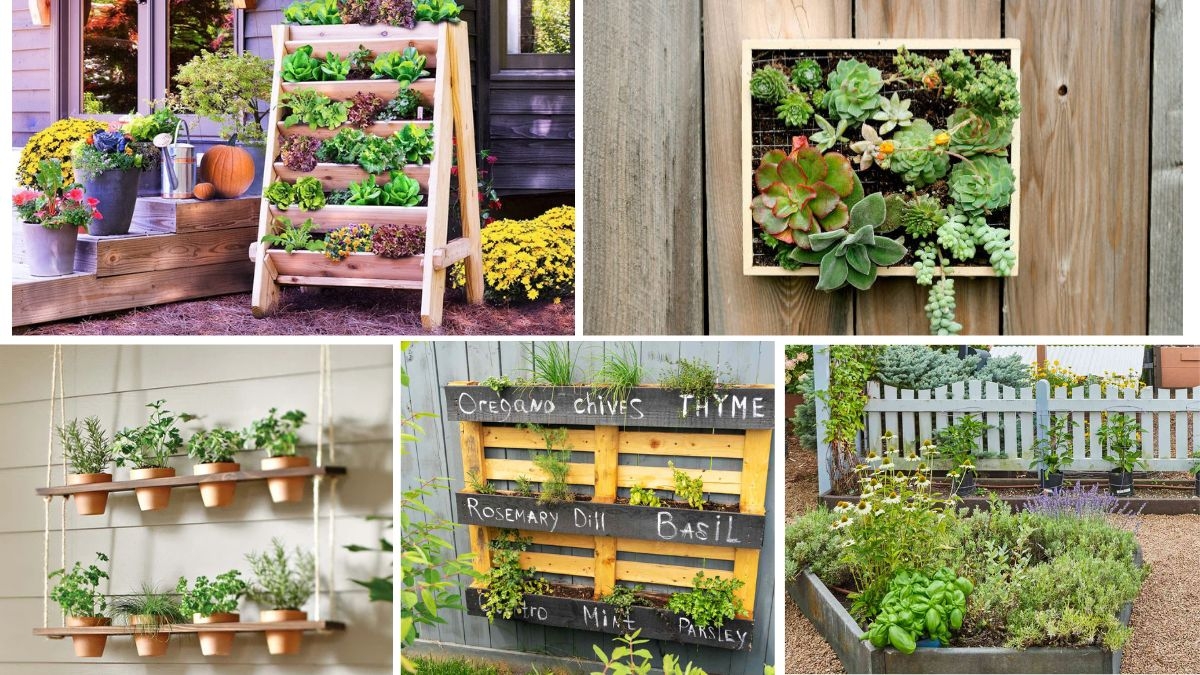
Credit: pune-okayamafriendshipgarden.com
Maintenance Tips
Regularly check plant health and soil moisture. Ensure good air circulation to prevent mold and pests. Use proper lighting for optimal growth and maintain consistent watering schedules.
Creating a vertical garden indoors is a rewarding endeavor, but maintaining it requires some care and attention. Understanding how to sustain your indoor garden is key to ensuring its longevity and vibrancy. Here are some effective maintenance tips to keep your vertical garden thriving.Watering Schedule
Watering is a fundamental aspect of maintaining your vertical garden. The frequency depends on the type of plants and the environment of your home. – Check soil moisture: Before watering, touch the soil to see if it’s dry. Overwatering can lead to root rot, which is detrimental to plant health. – Establish a routine: A consistent watering schedule helps the plants adapt. Morning watering is often best, allowing plants to absorb moisture before the heat of the day.Pruning And Trimming
Regular pruning and trimming are essential to keep your garden looking neat and encourage growth. – Remove dead leaves: This prevents diseases and pests from taking hold. Dead foliage can also block sunlight from reaching healthy parts of the plant. – Shape your plants: Trim back overgrowth to maintain the desired shape and size of your vertical garden. This also promotes air circulation, reducing the risk of mold and mildew.Fertilization Practices
Fertilizing your indoor vertical garden supplies the nutrients plants need to thrive. – Choose the right fertilizer: A balanced, water-soluble fertilizer is ideal for most indoor plants. Pay attention to specific plant needs, as some may require specialized nutrients. – Apply sparingly: Over-fertilizing can harm plants. Stick to recommended amounts and schedules, usually every four to six weeks. Maintaining an indoor vertical garden is a labor of love. These tips will help you cultivate a lush, healthy garden that enhances your living space. What adjustments will you make to ensure your green sanctuary flourishes?Troubleshooting Common Issues
Troubleshooting common issues in creating a vertical garden indoors involves checking for adequate light and ensuring proper drainage. Monitor plant health regularly and adjust watering schedules as needed. Address pest problems promptly to maintain a thriving indoor garden.
Creating a vertical garden indoors is a delightful way to bring nature inside and enhance your living space. However, like any gardening endeavor, it comes with its challenges. Understanding these common issues can help you maintain a thriving indoor garden.Dealing With Pests
Pests can be quite a nuisance in an indoor garden. You may notice tiny insects like aphids or spider mites feasting on your plants. Regularly inspect your plants for any signs of pests. Use natural remedies like neem oil or insecticidal soap to keep them at bay. Consider the placement of your garden. Is it near a window where pests might easily enter? Adjusting its position might reduce pest problems significantly.Addressing Plant Diseases
Indoor gardens can be susceptible to diseases such as mold or mildew. These often arise from overwatering or poor ventilation. Ensure your garden has adequate airflow and avoid watering your plants excessively. If you spot signs of disease, remove affected leaves promptly and treat with natural fungicides. Check if your plants are too crowded, which can lead to poor circulation and increase disease risk.Managing Overgrowth
Plants growing too aggressively can overshadow others in your vertical garden. Regular pruning is essential to maintain balance and ensure each plant gets enough light and nutrients. Think about the growth patterns of your plants. Are some species naturally more vigorous than others? Consider rearranging them to promote harmony in your garden. Have you ever had to trim your beloved plant back so much it felt like you were giving it a haircut? It’s all part of keeping your indoor jungle manageable and healthy.
Credit: pune-okayamafriendshipgarden.com
Frequently Asked Questions
What Is A Vertical Garden Indoors?
A vertical garden indoors is a space-saving way to grow plants vertically. It uses walls or structures to hold plants in various containers. This method is ideal for urban living, where space is limited. It can improve air quality and add a touch of nature inside your home.
How Do I Start A Vertical Garden Indoors?
To start, choose a wall or space with good light. Select suitable plants like herbs or ferns. Use vertical planters or shelves to arrange them. Regularly water and maintain your garden. Consider using a drip irrigation system for easy care and consistent watering.
What Plants Are Best For Indoor Vertical Gardens?
Choose plants like pothos, ferns, and succulents for indoor vertical gardens. These plants thrive in low light and require minimal maintenance. Herbs like basil and mint are also great options. Ensure your chosen plants match your home’s light conditions and humidity levels.
How To Maintain An Indoor Vertical Garden?
Regularly check soil moisture and water accordingly. Prune plants to encourage growth and remove dead leaves. Fertilize every few weeks using suitable plant nutrients. Monitor for pests and treat them promptly. Adjust lighting as needed to ensure plants receive adequate sunlight or artificial light.
Conclusion
Creating a vertical garden indoors is simple and rewarding. It saves space. Brings nature inside. Adds beauty to your home. Choose the right plants. Consider lighting and humidity. Use shelves, pots, or wall planters. Keep them healthy with regular care.
Water them appropriately. Trim when needed. Enjoy the fresh air and green vibes. Perfect for apartments or small spaces. This creative solution enhances any living area. Start today. Transform your indoor space into a vibrant garden. Experience the joy of growing your own plants.
Let nature thrive in your home. Simple steps lead to a green paradise.