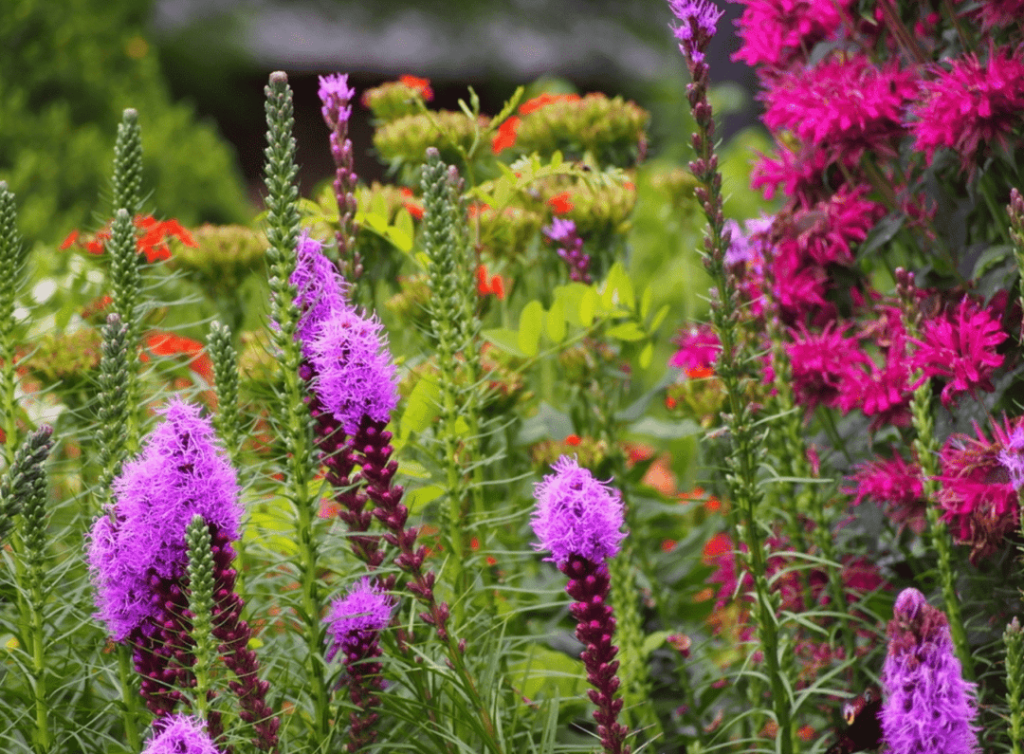
Imagine stepping into your backyard and being greeted by a vibrant display of colors and the soothing hum of bees and butterflies. This isn’t just a dream—it’s the reality of a native plant garden.
Creating a native plant garden is like giving a gift to nature and yourself. These gardens are low-maintenance, water-wise, and provide a haven for local wildlife. Plus, they offer a unique beauty that changes with the seasons. Are you ready to transform your outdoor space into a thriving ecosystem?
Keep reading to discover how simple it is to design a garden that will delight your senses and support your local environment. This guide will take you through every step, ensuring your new native garden is both beautiful and beneficial.
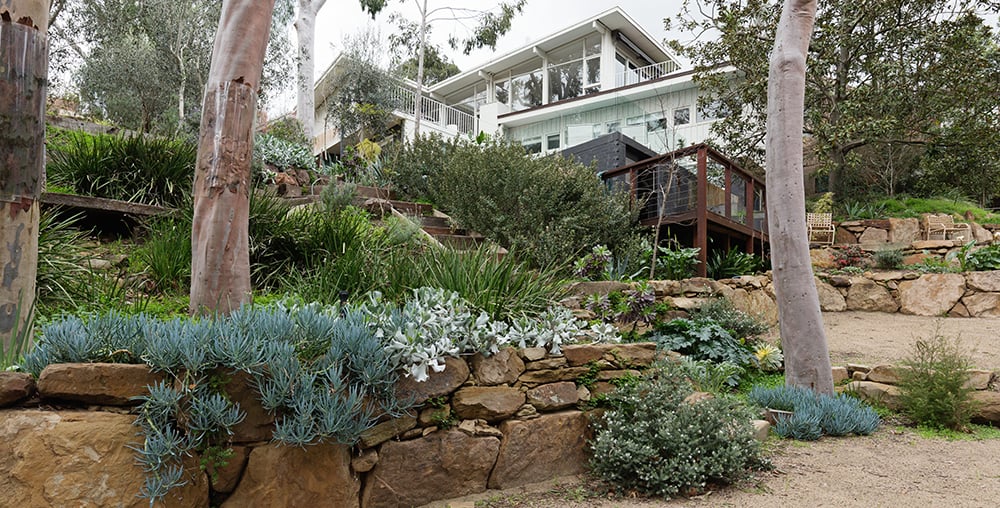
Credit: www.nationaltrust.org.au
Benefits Of Native Plant Gardens
Native plant gardens attract local wildlife and support biodiversity. They require less maintenance and conserve water. Choosing native species helps create a sustainable environment.
Creating a native plant garden offers numerous benefits. Native plants are adapted to the local climate and soil. This makes them ideal for sustainable gardening. They blend seamlessly with the environment, providing beauty and function. Explore the advantages of cultivating a native plant garden.Environmental Advantages
Native plant gardens enhance biodiversity. They provide habitats for various species. These gardens help conserve water. Native plants typically need less irrigation. They reduce the need for chemical fertilizers and pesticides. This minimizes pollution and protects soil health. Native plants can control erosion. Their roots stabilize the soil, preventing runoff.Low Maintenance Requirements
Native plants require less upkeep. They are adapted to local conditions. This means fewer problems with pests or diseases. These plants need less watering and fertilizing. You spend less time on garden chores. Native gardens save money. You buy fewer gardening supplies.Support For Local Wildlife
Native gardens attract local wildlife. Birds, bees, and butterflies thrive there. These plants provide food and shelter. Native gardens support pollinators. Pollinators are crucial for plant reproduction. They help maintain a balanced ecosystem. Wildlife increases the garden’s vibrancy. Their presence adds life and movement.Planning Your Native Plant Garden
Creating a native plant garden involves selecting plants suited to your local climate and soil. Research native species for a sustainable and low-maintenance garden. Plan the layout carefully to ensure proper spacing and growth.
Planning Your Native Plant Garden Creating a native plant garden is a rewarding experience. It helps local ecosystems and adds beauty to your space. Proper planning ensures your garden thrives. Consider important factors before you start planting. Assess your space, understand the climate, and choose the right plants.Assessing Your Space
First, look at your garden area. Measure the size to know how much space you have. Notice how much sunlight the area gets daily. Check if there are shaded spots. Identify any slopes or flat areas. This will help you place the right plants in the right spots. Also, observe the soil type. Sandy, clay, or loamy soils affect plant choices.Climate Considerations
Know your local climate. This includes temperature ranges and rainfall patterns. Understanding the climate helps select plants that will thrive. Check your hardiness zone. This provides a guide for plant survival in your region. Plants adapted to your climate need less water and care. They are more resilient to local pests and diseases.Choosing The Right Plants
Select plants native to your area. These plants support local wildlife and require less maintenance. Research which native plants suit your garden conditions. Consider plant height, color, and blooming season. This ensures your garden has variety and year-round interest. Mix perennials, shrubs, and groundcovers for a balanced design. Group plants with similar water needs for efficient irrigation.Designing The Layout
Designing the layout of a native plant garden involves choosing plants that thrive locally. Arrange them to mimic natural growth patterns. Consider sunlight, water needs, and space for each plant to ensure a balanced ecosystem.
Designing the layout of a native plant garden combines art and nature. It sets the stage for a thriving, beautiful environment. A well-planned layout enhances the garden’s beauty and health. It involves thoughtful planning and creativity.Color And Texture Coordination
Color and texture bring your garden to life. Choose plants with varying hues and surfaces. Mix soft greens with vibrant reds or yellows. Pair smooth leaves with those that are rough or spiky. This contrast adds depth and interest. Group plants by their colors and textures. It creates harmony and balance.Seasonal Blooms
Plan for blooms in every season. Select plants that flower at different times. Spring, summer, fall, and winter should each have their stars. This ensures your garden never looks dull. Map out where each plant will go. Consider their blooming schedule. This helps maintain a lively garden year-round.Creating Focal Points
Focal points draw the eye and add structure. Use larger plants or unique features. A tree, a sculpture, or a birdbath can serve this purpose. Place them strategically within the garden. They guide visitors’ attention. Ensure they blend with the overall design. This creates a cohesive and inviting space.Preparing The Soil
Preparing the soil is crucial for a native plant garden. Clear weeds and debris to ensure a clean start. Enrich the earth with compost to boost nutrients and promote healthy plant growth.
Preparing the soil is essential for a thriving native plant garden. Healthy soil supports plant growth and ensures sustainability. Begin with a thorough understanding of your soil’s current condition. This foundation will help your garden flourish.Testing Soil Quality
Soil testing is the first step. It reveals nutrient levels and pH balance. Use a soil test kit from a garden store. Follow the instructions carefully. This will help you understand what your soil needs.Improving Drainage
Good drainage is crucial for plant health. Water should not pool on the surface. To improve drainage, loosen the soil with a garden fork. Consider adding sand or fine gravel if the soil is heavy. This helps water move through the soil more easily.Adding Organic Matter
Organic matter enriches the soil. It provides nutrients and improves soil structure. Use compost, aged manure, or leaf mold. Spread a layer over the soil and mix it in well. This boosts soil fertility and supports plant roots. These steps prepare your soil for a successful native plant garden. Healthy soil leads to a vibrant and sustainable garden.Planting Techniques
Creating a native plant garden involves selecting plants that thrive in your local climate. Begin by researching native species suitable for your area. Prepare the soil by removing weeds and adding organic matter for nutrients.
Creating a native plant garden is an exciting endeavor that allows you to reconnect with nature while enhancing your landscape with plants that are well-suited to your local environment. As you embark on this gardening journey, understanding effective planting techniques will be crucial in ensuring your garden thrives. From the precise art of spacing and depth to the thoughtful strategies of watering and mulching, each technique plays a vital role in the successful establishment of your native plants.Spacing And Depth
Proper spacing is key to a flourishing native plant garden. Begin by researching the mature size of each plant to avoid overcrowding. A crowded garden can lead to competition for resources like sunlight and nutrients, which can stunt growth. Consider planting in clusters or groups to mimic natural plant communities. This not only enhances the aesthetic appeal but also encourages beneficial interactions among plants. Remember, the depth of planting is equally important. Plant your natives at the same depth they were in their containers to prevent stress and promote a strong root system.Watering Strategies
Watering native plants might seem straightforward, but it requires a keen eye for detail. Many native species are adapted to local rainfall patterns and may not need as much water as you think. Monitor your garden’s soil moisture and adjust your watering schedule accordingly. Use drip irrigation or soaker hoses to deliver water directly to the root zone, minimizing evaporation and ensuring efficient use of water. You might find it surprising how little extra watering your native plants require once established.Mulching For Protection
Mulching is your garden’s best friend. It acts as a protective blanket for the soil, helping to retain moisture, suppress weeds, and regulate soil temperature. Organic mulches like wood chips or shredded leaves are ideal for native plant gardens. Spread mulch evenly around plants, being careful not to pile it against stems or trunks. This simple step can make a significant difference in the health and appearance of your garden. As you mulch, consider: How can you reduce the need for chemical fertilizers by using natural materials? As you refine your planting techniques, remember that gardening is both an art and a science. Each decision you make contributes to the harmony and resilience of your native plant garden.Maintenance And Care
Regular watering is essential for young native plants. Mulch helps retain moisture and suppress weeds. Regularly remove invasive species to maintain garden health.
Creating a native plant garden is a rewarding journey that connects you with local ecosystems and promotes biodiversity. However, like all gardens, it requires ongoing maintenance and care to thrive. Understanding how to properly manage your garden will ensure its health and beauty for years to come.Pruning And Trimming
Regular pruning and trimming are vital for keeping your native plants healthy and attractive. It helps control the size of the plants and encourages new growth. Each plant species may have its own specific needs, so it’s essential to research or seek advice on the best practices for your specific plants. In my garden, I discovered that trimming during the dormant season minimized stress on the plants. This simple adjustment led to more vibrant blooms in spring. Consider making a schedule to keep track of when each plant needs attention.Pest Management
Pest management in a native plant garden often requires less intervention compared to traditional gardens. Native plants are adapted to local conditions and are often resistant to local pests. Encourage beneficial insects that naturally control pests by planting a variety of species. I once noticed an influx of aphids on my milkweed plants. Instead of reaching for chemical solutions, I introduced ladybugs, which effectively controlled the aphid population. Have you considered natural pest control methods?Seasonal Adjustments
Adapting your care routine to the changing seasons is crucial for the health of your native plant garden. In the fall, mulching helps protect roots from harsh winter temperatures. Springtime may require additional watering as plants come out of dormancy. During a particularly dry summer, I realized that supplemental watering was necessary to prevent stress in young plants. Observing and responding to seasonal changes ensures your garden remains resilient. What seasonal adjustments have you found most beneficial for your native garden?Enhancing Biodiversity
Enhancing biodiversity in your garden improves its health and beauty. A native plant garden can become a vibrant ecosystem. It supports various species and fosters ecological balance. By focusing on biodiversity, you create a sustainable environment.
Attracting Pollinators
Pollinators are vital for your garden’s life cycle. Bees, butterflies, and birds help plants reproduce. Choose native flowers rich in nectar and pollen. Colorful blooms attract different pollinators. Plant in clusters for easy access. Diverse plant heights provide shelter and food. Avoid pesticides to protect these helpful creatures.
Creating Habitats
Native plants offer natural shelters for wildlife. Dense shrubs and trees provide nesting sites. Ground cover plants shelter small animals. Leave some fallen leaves and twigs. They create hiding spots for insects and critters. Use diverse plant species to support various animals. Each layer of vegetation serves a unique purpose.
Integrating Water Features
Water features enhance garden biodiversity. A small pond attracts frogs and dragonflies. Birdbaths offer drinking spots for birds. Use rocks and logs to create perches. Ensure water sources are shallow for easy access. Plant aquatic plants to support water-dwelling species. These features add beauty and life to your garden.

Credit: localbotanist.com.au
Resources And Tools
Discover essential resources for creating a native plant garden. Utilize plant identification apps and guides. Explore local nurseries specializing in native species for expert advice and quality plants.
Creating a native plant garden is an exciting journey into the world of local flora. It provides an opportunity to support biodiversity and enjoy a low-maintenance landscape. To ensure your garden flourishes, having the right resources and tools is essential.Recommended Tools
The success of your native plant garden starts with having the right tools. A sturdy pair of gloves is indispensable for protecting your hands while planting. A spade or trowel is useful for digging and planting, especially when dealing with rocky or compacted soil. Consider using a wheelbarrow to transport soil, mulch, or plants easily around your garden. Don’t forget a good hose or watering can to keep your plants hydrated, particularly during dry spells.Local Nurseries And Experts
Local nurseries are treasure troves of native plants. They often stock species that thrive in your area’s climate, making them a great starting point for your garden. Chatting with nursery staff can provide valuable insights into plant care and garden design. They can recommend species that attract local wildlife, like butterflies and bees. Connecting with local gardening clubs or experts can also offer you hands-on advice and inspire your plant selection.Books And Online Guides
Books dedicated to native gardening can be a wealth of knowledge. Look for titles that focus on your specific region to get the most relevant advice. Online guides and forums can also be incredibly helpful. Websites like the Lady Bird Johnson Wildflower Center offer extensive databases on native plants. Consider participating in online communities where you can ask questions and share experiences with fellow native plant enthusiasts. How will you use these resources to create a thriving native plant garden that delights both you and local wildlife?:strip_icc()/TheGoldHiveGardenforBHG201806-0044_preview-bc5489b682f84aa8980329d216c16bad.jpg)
Credit: www.bhg.com
Frequently Asked Questions
What Are Native Plants?
Native plants are species naturally occurring in a specific region. They are adapted to local climate and soil conditions, making them easy to maintain. Native plants provide essential habitat and food for wildlife, including pollinators. They help preserve biodiversity and require fewer resources, like water and fertilizers, for growth.
Why Choose Native Plants For Gardening?
Choosing native plants for gardening offers numerous benefits. They require less maintenance and are drought-resistant. Native plants support local wildlife and pollinators. They are adapted to local soil and climate conditions, reducing the need for fertilizers and pesticides. This makes them environmentally friendly and cost-effective for gardeners.
How Do Native Plants Benefit The Ecosystem?
Native plants benefit the ecosystem by supporting local wildlife and pollinators. They help preserve biodiversity and maintain soil health. Native plants require fewer resources, reducing the need for fertilizers and pesticides. They prevent soil erosion and improve water quality by filtering rainwater and reducing runoff.
How To Select Native Plants For Your Garden?
To select native plants, research plants suited to your region’s climate and soil. Visit local nurseries for advice and recommendations. Consider the sun exposure and water availability in your garden. Choose a mix of plants that bloom at different times to ensure year-round interest and support for wildlife.
Conclusion
Creating a native plant garden offers many benefits. It supports local wildlife. It saves water. It requires less maintenance than other gardens. Native plants adapt easily to the environment. This means fewer chemicals are needed. You protect the ecosystem and enjoy nature’s beauty.
Begin with a small area. Watch your garden grow over time. Discover the joy of native plants. Share the experience with family and friends. Inspire others to start their own gardens. Together, we can make a positive impact. Embrace the beauty of native plants today.
Enjoy a healthier, more vibrant garden.