
Imagine stepping into your home and being greeted by a lush, vibrant indoor garden that brings life and color to your space. Whether you’re in a tiny apartment or a spacious house, creating a good indoor garden can transform your environment and improve your well-being.
You don’t need to be a gardening expert or have a green thumb to achieve this. With a few simple tips and tricks, you can cultivate your own indoor oasis that thrives all year round. Are you ready to discover the secrets to nurturing a flourishing indoor garden?
Keep reading, as this guide will provide you with everything you need to know to get started and keep your plants healthy and happy.
Choosing The Right Plants
Choosing the right plants is crucial for a thriving indoor garden. Some plants flourish indoors, while others struggle. Understanding the needs of each plant helps in creating a healthy environment. Consider light, water, and space requirements to ensure success.
Best Plants For Indoors
Certain plants adapt well to indoor conditions. Popular choices include:
- Spider Plant:Easy to care for and great for beginners.
- Pothos:Known for its trailing vines and versatility.
- Peace Lily:Offers beautiful blooms and purifies the air.
Low-light Options
Some plants thrive in low-light areas. Ideal for rooms without much sunlight. Consider these options:
- Snake Plant:Survives in dimly lit spaces.
- ZZ Plant:Tolerates low light and infrequent watering.
- Cast Iron Plant:Extremely durable with minimal light needs.
Air-purifying Varieties
Plants that purify the air improve home air quality. They filter toxins and release oxygen. Here are some top picks:
- Bamboo Palm:Effective at removing indoor pollutants.
- Boston Fern:Excellent for humid areas and purifying air.
- Rubber Plant:Known for its large leaves and air-cleaning properties.
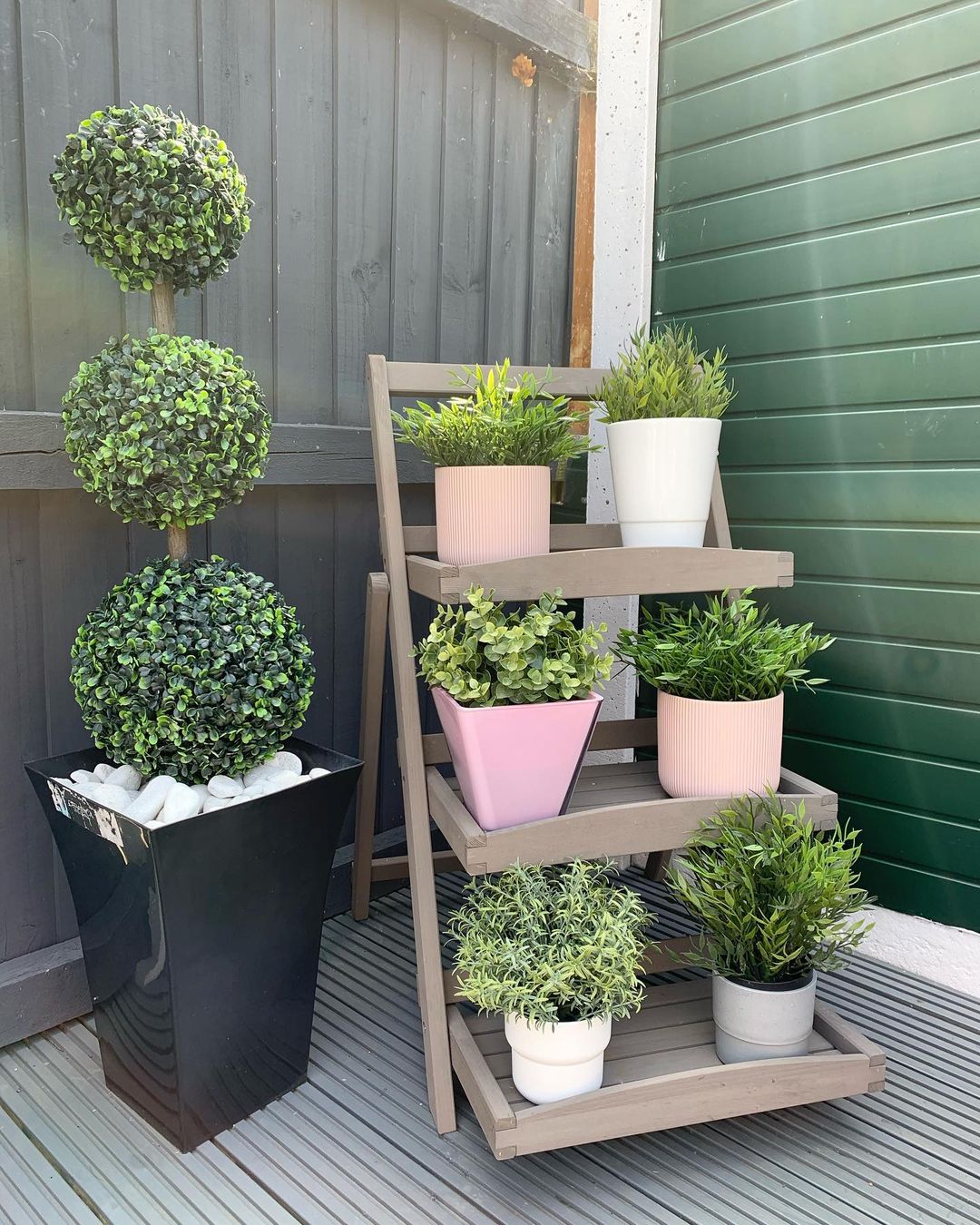
Credit: www.extraspace.com
Optimal Lighting Solutions
Optimal lighting solutions can transform your indoor garden into a thriving oasis. Choose LED grow lights for energy efficiency and balanced spectrum. Place lights close to plants for even coverage and adjust duration to mimic natural sunlight.
Optimal lighting is essential for a thriving indoor garden. Light influences plant growth, flowering, and health. Balancing natural and artificial light ensures plants receive the right amount of illumination. Explore different lighting options to create an ideal environment for your indoor plants.Natural Vs Artificial Light
Plants need light to photosynthesize and grow. Natural light is the best option. It offers a full spectrum of wavelengths. But, not all indoor spaces receive enough sunlight. In such cases, artificial light becomes necessary. Artificial lights mimic natural sunlight. They provide essential energy for plants. Choose between LED, fluorescent, or incandescent lights. Each has unique benefits and drawbacks.Positioning For Sunlight
Correct positioning ensures plants get ample sunlight. Place plants near windows to maximize light exposure. South-facing windows provide the most sunlight. North-facing windows receive less sunlight. Rotate plants regularly to ensure even light distribution. Consider using sheer curtains to diffuse harsh sunlight. This protects plants from intense heat and light damage.Using Grow Lights
Grow lights are a reliable option for indoor gardens. They supplement natural sunlight or replace it entirely. LED grow lights are energy-efficient and long-lasting. They emit little heat, reducing the risk of plant damage. Hang grow lights 6-12 inches above plants for optimal results. Adjust the height as plants grow. Use a timer to simulate day and night cycles. Aim for 12-16 hours of light daily, depending on plant species.Soil And Pot Selection
Creating a successful indoor garden involves more than just placing plants in your home. The right soil and pot selection play a crucial role in ensuring your plants thrive. These foundational elements determine how well your plants can grow and flourish indoors. Selecting the appropriate soil and pots can make all the difference in your indoor garden journey.
Selecting The Right Soil
Quality soil is the lifeline for your plants. Choose soil that provides good aeration and drainage. Indoor plants often benefit from a mix that includes peat moss, perlite, and vermiculite. These components help retain moisture while preventing waterlogging. Opt for soil that is free of pests and diseases. Look for pre-packaged indoor potting mixes. These are designed specifically for indoor plants. They offer the right balance of nutrients.
Choosing Pots And Containers
Selecting the right pots is essential for plant health. Consider the size of your plant and its root system. Pots should be large enough to allow roots to grow freely. Material matters too. Clay pots offer breathability but can dry out quickly. Plastic pots retain moisture better but might not be as breathable. Choose pots based on your plant’s specific needs. Ensure pots complement your home’s decor. This adds aesthetic value and keeps your space cohesive.
Drainage Considerations
Good drainage is vital for preventing root rot. Make sure your pots have drainage holes. These holes allow excess water to escape. Without proper drainage, water can accumulate, suffocating the roots. Use saucers under pots to catch draining water. This prevents water from damaging your floors. Consider adding a layer of gravel at the bottom of pots. This enhances drainage and keeps soil from blocking holes.
Watering Techniques
Consistent watering is key to a thriving indoor garden. Use a spray bottle for gentle misting, and ensure pots have good drainage to prevent overwatering. Adjust the watering frequency based on plant type and indoor conditions.
Creating a thriving indoor garden takes more than just a love for plants; it requires understanding their unique needs, especially when it comes to watering. Watering Techniques are crucial in ensuring your indoor flora flourishes. Without proper watering, plants can suffer, making it essential to get this right.Determining Water Needs
Every plant has its own water requirements. Some, like succulents, thrive on neglect, needing only occasional watering, while others might demand more frequent attention. Consider factors such as the type of plant, pot size, and indoor climate. A simple tip: check the soil moisture by sticking your finger into the soil about an inch deep. If it’s dry, your plant likely needs water. Remember, understanding the specific needs of each plant helps you avoid the common mistake of overwatering.Best Practices For Watering
Timing is crucial. Watering in the morning allows plants to absorb moisture before the sun heats your home. This reduces the risk of mold and mildew. Use room temperature water; it’s gentler on plants than cold water. Direct the water at the base of the plant, avoiding leaves to prevent rot. Consider using a watering can with a long spout for precision. This ensures you don’t splash water on sensitive leaves.Signs Of Overwatering
Overwatering can be fatal to plants, but catching the signs early can save them. Look for yellowing leaves, which might indicate excess water. Wilting, despite damp soil, is another red flag. Roots need air, and too much water suffocates them, leading to rot. If your plant isn’t thriving despite regular care, it’s worth reassessing your watering routine. Could you be giving them too much love? Sometimes less is more in the world of indoor gardening. By understanding these watering techniques, you can cultivate a beautiful indoor garden that brings joy and life to your space. What will you grow next?Fertilization And Nutrients
Healthy indoor gardens thrive on proper fertilization and nutrients. Choose organic fertilizers for safe, effective plant growth. Ensure balanced nutrients to support vibrant, lush greenery.
Fertilization and nutrients play a vital role in indoor gardening. Plants need the right nutrients to grow strong and healthy. Without proper fertilization, indoor plants may struggle. Understanding the types of fertilizers and how to apply them is key.Types Of Fertilizers
Fertilizers come in various forms. Liquid fertilizers are easy to use and quickly absorbed. Granular fertilizers release nutrients slowly. Organic fertilizers improve soil health and provide natural nutrients. Synthetic fertilizers offer precise nutrient control.Application Frequency
Fertilizer application depends on plant type and growth stage. Most indoor plants benefit from monthly feeding. Some fast-growing plants need more frequent feeding. Follow the instructions on the fertilizer package for best results.Signs Of Nutrient Deficiency
Nutrient deficiencies show through plant symptoms. Yellowing leaves may indicate a nitrogen deficiency. Stunted growth can signal a lack of phosphorus. Brown leaf edges might mean potassium is low. Observing your plants helps identify these signs early. Regular checks ensure your indoor garden thrives.Pest Control Strategies
Effective pest control strategies ensure a thriving indoor garden. Regularly inspect plants for signs of insects and diseases. Implement natural remedies like neem oil or introduce beneficial insects to maintain balance.
Creating a thriving indoor garden is a rewarding endeavor, but it comes with its own set of challenges. One of the most significant issues is managing pests. These uninvited guests can wreak havoc on your plants, turning a lush paradise into a patch of withered leaves. Thankfully, there are effective strategies to keep these pesky invaders at bay. Let’s dive into some practical pest control strategies that can help you maintain a healthy indoor garden.Common Indoor Pests
Indoor gardens are not immune to pests. Some common culprits include spider mites, aphids, and fungus gnats. Spider mites, tiny and difficult to spot, often create fine webs on the undersides of leaves. Aphids can be identified by their pear-shaped bodies and tendency to cluster on new growth. Fungus gnats, although more of a nuisance, can indicate overwatering issues. Recognizing these pests early is crucial to preventing damage.Natural Pest Remedies
Chemical pesticides aren’t your only option. Many gardeners swear by natural remedies. Neem oil is a popular choice—it’s effective against a wide range of insects. Simply mix it with water and spray directly onto the affected areas. Soap and water solutions can also deter pests; a mild dish soap diluted in water works wonders. Another option is to introduce beneficial insects like ladybugs, which naturally prey on aphids. Have you tried using natural remedies in your garden yet?Preventative Measures
The best way to deal with pests is to prevent them from appearing in the first place. Start by keeping your plants healthy, as weak plants are more susceptible to infestations. Ensure proper air circulation and avoid overwatering to reduce the risk of fungus gnats. Regularly inspect your plants, focusing on the undersides of leaves where pests often hide. It’s also wise to quarantine new plants before adding them to your garden to prevent any hidden pests from spreading. What steps can you take today to fortify your indoor garden against pests? By staying vigilant and using these strategies, you can enjoy a pest-free indoor garden that flourishes all year round.Pruning And Maintenance
Regular pruning keeps indoor gardens healthy and vibrant. Removing dead leaves improves air circulation and plant growth. Consistent maintenance ensures plants receive adequate light, water, and nutrients, creating an inviting indoor oasis.
Creating a thriving indoor garden requires more than just picking the right plants and placing them in a sunny spot. Pruning and maintenance are crucial to ensure your indoor plants remain healthy and vibrant. Regular care not only keeps your plants looking good but also encourages growth and longevity. Let’s dive into the essentials of pruning and maintenance to help your indoor garden flourish.When To Prune
Timing is everything when it comes to pruning. The best time to prune most indoor plants is during their active growth period, typically spring and summer. Pruning at the right time helps the plant recover quickly and encourages new growth. However, always keep an eye out for dead or diseased leaves and branches. These should be removed immediately to prevent any spread of disease. A quick check every week can help you stay on top of your pruning needs. Is there a plant in your home that seems to grow wild faster than others?Tools For Pruning
Having the right tools makes a world of difference in pruning. A good pair of sharp scissors or pruning shears is essential. These tools should be clean and sharp to make precise cuts and avoid damaging the plant. For thicker stems, a small hand saw might be necessary. Remember to disinfect your tools before and after each use to prevent the spread of diseases. A friend once told me how they used kitchen scissors for pruning and accidentally damaged their favorite fern. It’s worth investing in the right tools to keep your plants healthy.Regular Maintenance Tasks
Maintenance isn’t just about pruning. Regular tasks include checking for pests, watering appropriately, and ensuring proper lighting conditions. – Check for Pests: Inspect leaves and stems for any signs of pests. Early detection can save your plant from serious damage. – Watering: Each plant has different water needs. Ensure you’re not over or under-watering by checking the soil moisture regularly. – Lighting: Rotate your plants occasionally to ensure even light exposure. Have you ever noticed a plant leaning towards the light? Rotating it can help maintain its shape and growth evenly. Regular maintenance might seem tedious, but these small acts ensure your indoor garden remains a lush oasis.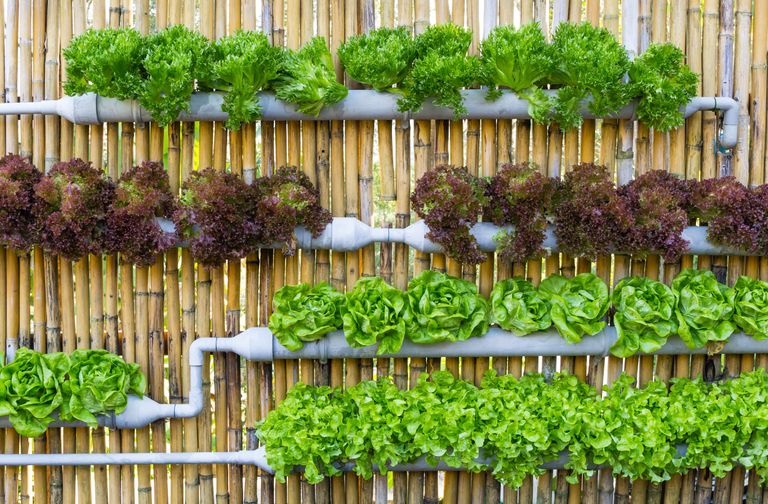
Credit: libertyplus.libertymutual.com
Creating A Garden Layout
Designing an indoor garden involves choosing the right plants for your space and lighting conditions. Arrange pots to maximize sunlight and ensure proper watering. Consider plant height and growth patterns for a balanced look.
Creating a well-thought-out garden layout is the foundation of a flourishing indoor garden. The way you organize your space can significantly impact plant health and your gardening experience. A strategic layout not only maximizes your space but also enhances the aesthetic appeal of your indoor environment. Ready to transform your home into a lush oasis? Let’s dive into some practical ideas to create the perfect garden layout.Designing Your Space
First, assess the available space for your indoor garden. Consider natural light sources, as plants thrive with adequate sunlight. Utilize areas near windows or under skylights. Think about the flow of your space. Will your garden be in a living room corner or along a kitchen window? Visualize how the garden will complement your home decor. Use a mix of plant sizes and shapes to add visual interest. Arranging taller plants at the back and smaller ones in front can create depth and dimension.Grouping Plants
Grouping plants with similar care needs can simplify maintenance. For example, place your succulents together since they require less water. Consider grouping by aesthetic as well. A cluster of green foliage plants can create a soothing visual effect. Use decorative pots or planters to unify your plant groupings. This can tie together diverse plant varieties into a cohesive look.Vertical Gardening Options
Limited floor space? Vertical gardening is an innovative way to expand your garden upwards. Install wall-mounted planters or use hanging baskets to utilize vertical space efficiently. This is especially useful in small apartments. Try a plant shelf for an organized and stylish display. Layer plants on different levels to maximize exposure to light. Vertical gardens can also act as living walls, adding a unique design element to your home. Imagine a lush wall of greenery greeting you every day! By considering these elements, you can create an indoor garden layout that suits both your plants’ needs and your personal style. What will your indoor garden say about you?Seasonal Adjustments
Creating an indoor garden is a rewarding experience. It brings nature into your home. But as the seasons change, your garden needs adjustments. These changes ensure your plants thrive all year. Let’s explore how to make these seasonal adjustments.
Adapting To Temperature Changes
Temperature affects plant growth. During winter, indoor temperatures drop. Move plants away from cold windows. Use a thermometer to monitor room temperature. Keep it between 65°F and 75°F. In summer, heat can stress plants. Position them in cooler areas. Ensure they don’t get overheated.
Humidity Control
Plants need the right humidity. Winter air is dry. Use a humidifier to add moisture. Or, place plants on trays with water and pebbles. This boosts humidity naturally. In summer, humidity levels rise. Use a dehumidifier if needed. Keep the air comfortable for your plants.
Adjusting Light And Water
Light changes with seasons. Winter days are shorter. Use grow lights to supplement natural light. Position them above your plants. In summer, natural light increases. Ensure plants aren’t scorched by direct sunlight.
Watering needs also change. During winter, plants need less water. Check soil moisture before watering. In summer, plants may need more water. Ensure soil remains damp but not soggy.

Credit: www.monstera-app.com
Integrating Technology
Integrating technology can enhance indoor gardening with automated watering systems and smart lighting. Use apps to monitor plant health and optimize growing conditions. Technology simplifies maintenance and increases success in cultivating vibrant indoor gardens.
Creating a good indoor garden is more than just picking the right plants and pots. It’s about making the most of the space and resources you have. With technology, your indoor garden can thrive effortlessly, transforming your home into a green sanctuary. Integrating technology into your garden not only makes maintenance easier but also enhances the health and growth of your plants. Let’s dive into how smart gardening tools, automated watering systems, and plant health monitoring can help you nurture your indoor garden like a pro.Smart Gardening Tools
Smart gardening tools are like having a green thumb in your pocket. Imagine having sensors that tell you when your plants need water or light. These tools can help you optimize your indoor garden conditions. You can even connect them to your smartphone to receive alerts or recommendations. Think of smart pots that track soil moisture or LED lights that adjust based on plant needs. Such innovations make plant care intuitive and less of a guessing game. You’ll be amazed at how technology turns gardening into a seamless experience.Automated Watering Systems
Watering your plants can be tricky, especially if you travel often or have a busy schedule. Automated watering systems solve this problem by ensuring your plants get the right amount of water at the right time. These systems can be programmed to mimic natural rainfall patterns, reducing the risk of over or under-watering. Imagine the peace of mind knowing your plants are cared for even when you’re not around. Look for systems that sync with weather apps to adjust watering according to humidity levels. This ensures your plants remain healthy without constant supervision.Monitoring Plant Health
Keeping tabs on plant health is crucial for a flourishing garden. Technology offers tools that monitor growth, detect diseases, and even check nutrient levels. Consider using apps that analyze photos of your plants to diagnose health issues. They provide actionable insights and tips to improve plant care. Invest in gadgets that test soil pH and nutrient content, helping you make informed decisions about fertilizers and amendments. Question whether your plants are thriving or merely surviving, and let technology provide the answers. Embrace these tech innovations, and watch your indoor garden thrive with minimal effort.Frequently Asked Questions
What Plants Grow Well Indoors?
Many plants thrive indoors, like pothos, snake plants, and peace lilies. These plants are easy to care for and adapt well to indoor environments. They require minimal sunlight and can tolerate varying humidity levels, making them perfect for indoor gardens.
How Often Should Indoor Plants Be Watered?
Indoor plants typically need watering once a week. However, this can vary based on humidity and plant type. Check the soil moisture before watering. Overwatering can harm plants, so ensure the soil is dry before adding more water.
What Lighting Is Best For Indoor Gardens?
Natural light is ideal for indoor gardens. If unavailable, use LED grow lights, which mimic sunlight. Position plants near windows for maximum light exposure. Adjust light placement based on plant needs to encourage healthy growth.
How Can I Prevent Pests In Indoor Gardens?
To prevent pests, regularly inspect plants and maintain cleanliness. Use organic pest control methods, like neem oil. Ensure proper air circulation and avoid overwatering, as excess moisture attracts pests. Remove affected leaves promptly to prevent pest spread.
Conclusion
Creating a good indoor garden brings joy and tranquility. It requires patience and care. Start small with easy-to-grow plants. Choose the right spot for them. Ensure they get enough light and water. Pay attention to their needs. This helps them thrive indoors.
Indoor gardening can be a rewarding hobby. It improves your living space and mood. Anyone can cultivate a lush indoor garden with effort. Embrace the process. Enjoy watching your plants grow. With these tips, your indoor garden will flourish beautifully.
Happy gardening!







