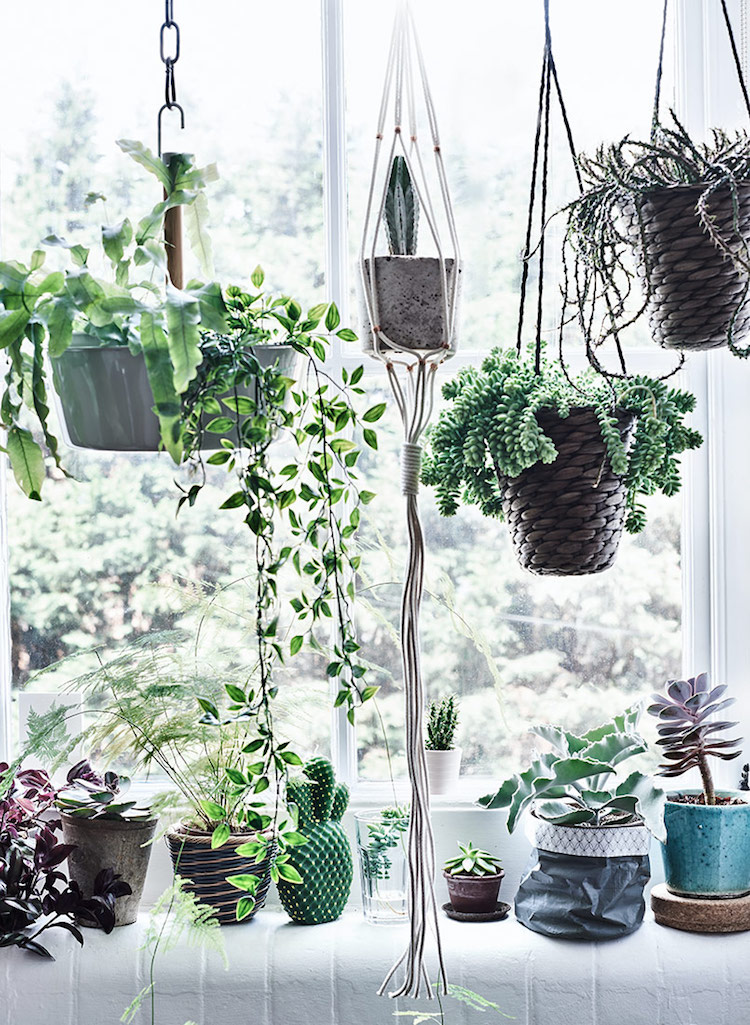
Imagine transforming your living space into a lush oasis, where vibrant greenery hangs gracefully from above. Creating a hanging indoor garden isn’t just a trendy home decor choice—it’s a way to breathe life into your surroundings.
You can bring nature indoors, regardless of the size of your space. But how do you start this exciting project? You might think it’s complex, but with a little guidance, you can easily construct a stunning hanging garden that captivates and rejuvenates.
This guide will walk you through the steps, ensuring you feel confident and inspired to create your own suspended sanctuary. Are you ready to explore the secrets of indoor gardening and discover how it can elevate your home? Let’s dive in.
Choosing The Right Location
Creating a hanging indoor garden brings nature into your home. Selecting the right location is crucial. The placement affects plant health and growth. This section guides you on choosing the ideal spot.
Assessing Light Conditions
Light is vital for plants. Observe the natural light in your home. South-facing windows provide bright, direct sunlight. Ideal for sun-loving plants. East and west windows offer moderate light. Suitable for most indoor plants. North-facing windows have low light. Perfect for shade-tolerant species.
Check light conditions at different times of day. Morning light is softer. Afternoon sun can be intense. Use sheer curtains to diffuse harsh light. Consider artificial lighting for dim areas. LED grow lights mimic sunlight. Keep plants healthy and thriving.
Considering Space Constraints
Evaluate the space available for your garden. Small spaces can host a few plants. Large areas accommodate more variety. Ensure your hanging garden doesn’t obstruct pathways. Avoid placing plants near heating vents. Heat can dry out plants quickly.
Measure the height from ceiling to floor. Choose plants that fit within this space. Use tiered hangers for multiple plants. They save space and add visual interest. Ensure the ceiling can support the garden’s weight. Secure installation prevents accidents.
Selecting Plants For Hanging Gardens
Creating a hanging indoor garden involves selecting the right plants. Choose lightweight varieties like ferns, spider plants, and ivy. These thrive in limited soil and adapt well to suspended containers.
Selecting the right plants for your hanging indoor garden can transform your space. The choices you make influence the garden’s visual appeal and maintenance needs. Consider plant types, colors, and textures to create a stunning display. Here’s how to choose wisely.Best Indoor Plants For Hanging
Certain plants thrive in hanging environments. They not only grow well but also add beauty. Some popular choices include:- Spider Plant:Known for its arching leaves and ease of care.
- Boston Fern:Offers lush foliage and prefers humid conditions.
- Pothos:Features heart-shaped leaves and thrives in low light.
- String of Pearls:Unique bead-like leaves add interest.
- English Ivy:Provides a classic cascading effect.
Combining Colors And Textures
Mixing colors and textures can elevate your hanging garden. Use contrasting hues for a vibrant look. Pair dark green with light green leaves. This creates visual interest. Consider texture variety too. Combine smooth leaves with fuzzy ones. This adds depth and dimension. Here are some combinations to try:- Boston Fern and Pothos:Lush and vibrant with varied greens.
- Spider Plant and String of Pearls:Sharp lines with rounded beads.
- English Ivy and Succulents:Classic vines with bold textures.
Materials And Tools Needed
Creating a hanging indoor garden begins with gathering the right materials and tools. Proper selection ensures your garden is both functional and visually appealing. You need to consider the types of pots and containers, along with the essential tools for installation.
Types Of Pots And Containers
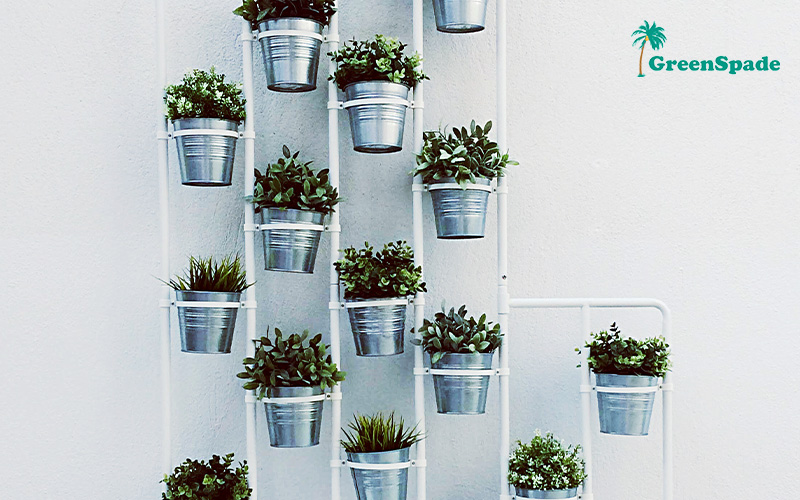
Choosing the right pots is crucial for plant health. Opt for lightweight containers to minimize stress on mounting hardware. Consider materials like plastic, fiber, or recycled materials. These options are durable and easy to hang. Ensure each pot has drainage holes to prevent waterlogging. Hanging baskets are ideal for trailing plants. For a sleek look, consider wall-mounted planters. They save space and offer a modern aesthetic.
Essential Tools For Installation
Proper tools make the installation process smooth. Start with a sturdy drill for secure mounting. Use screws and anchors for added stability. A measuring tape ensures accurate placement. Leveling tools help achieve even alignment. Consider using hooks or brackets for hanging baskets. A moisture meter helps monitor soil hydration. Finally, gather potting soil and fertilizer for plant health.
Credit: greenspade.sg
Installation Techniques
Creating a hanging indoor garden adds a touch of nature and elegance to any space. Installation techniques play a crucial role in ensuring your plants not only thrive but also captivate the eyes. With the right approach, your indoor garden can become the centerpiece of your room, offering both beauty and tranquility.
Creating Secure Hanging Mechanisms
Safety and security are paramount when suspending plants indoors. Consider using sturdy hooks and brackets that can hold the weight of your plants. For instance, ceiling hooks made of heavy-duty metal can ensure your plants remain secure.
Test the strength of your chosen support by gradually adding weight. This will help avoid any unfortunate crashes or damage. Remember, your hanging mechanism should be easy to install, yet reliable enough to hold your garden for years.
Have you thought about how your hanging garden can be adjusted over time? Using adjustable systems, like pulley systems or retractable cords, can offer flexibility as your plants grow or as you wish to change the arrangement.
Arranging Plants For Aesthetic Appeal
Visual harmony is essential in crafting an appealing indoor garden. Mix and match plant sizes and colors to create depth and interest. Consider placing trailing plants at the edges to cascade beautifully.
Group plants with similar light and water needs together. This not only makes care easier but also ensures each plant thrives in the right environment. Your garden should be both functional and stunning.
How do you envision your garden enhancing the space? Think about the direction of natural light. Positioning plants to catch the light can highlight their vibrant colors and interesting textures, creating a living tapestry.
Maintenance Tips
Create a sturdy frame using lightweight materials for stability. Choose plants that thrive indoors, like ferns or succulents. Regularly check soil moisture and provide adequate sunlight to ensure healthy growth.
Creating a hanging indoor garden is a delightful way to bring nature into your home, but its beauty comes with the responsibility of maintenance. You need to ensure your plants remain healthy and vibrant over time. This involves regular watering, feeding, pruning, and pest control. With a little attention and care, your indoor garden can thrive and be a lovely focal point in your living space. Let’s dive into some practical maintenance tips to keep your hanging garden flourishing.Watering And Fertilizing
Consistent watering is crucial for your hanging garden. Check the moisture level of the soil frequently. You can use your finger to test if the top inch of soil is dry. If it is, it’s time to water. Consider using a spray bottle for a gentle and even distribution of water, especially for delicate plants. Remember, overwatering can be as detrimental as underwatering. Fertilizing is equally important. Use a balanced liquid fertilizer every few weeks. This helps replenish nutrients and promotes growth. Always read the instructions on the fertilizer label to avoid overfeeding.Pruning And Pest Control
Pruning helps maintain the shape and health of your plants. Remove dead or yellowing leaves to encourage new growth. Regular pruning also prevents your plants from becoming too leggy or sparse. Pay attention to any signs of pests. Common indoor plant pests include aphids and spider mites. If you notice any, act quickly. You can use a mild soap solution or neem oil to treat affected areas. Have you ever found yourself battling a persistent pest problem? Sometimes, moving the affected plant away from others can prevent the spread. Regular inspection is key to catching issues early. Maintenance may seem daunting at first, but with these tips, you’ll find it becomes a rewarding routine. What’s your favorite part about caring for your indoor garden?
Credit: www.instagram.com
Incorporating Design Elements
Incorporate design elements by using colorful pots and creative hangers to enhance the aesthetic appeal of your indoor garden. Arrange plants at varying heights for visual interest and ensure each plant receives adequate light and space.
Incorporating design elements into your hanging indoor garden can transform any space into a lush oasis. Thoughtful integration of style can enhance the visual appeal of your greenery. Let’s explore how you can achieve this with decorative accessories and lighting.Using Decorative Accessories
Decorative accessories play a crucial role in garden design. Choose pots with unique textures and colors. These can complement your room’s existing decor. Hang your plants in macramé holders for a bohemian touch. Consider adding small figurines or stones to create focal points. These elements can bring personality to your space.Lighting And Ambiance
Lighting sets the mood for your indoor garden. Use soft, warm lights to create a calming environment. LED strip lights can highlight your plants. They also provide necessary light for growth. A mix of floor and hanging lamps can add dimension. Adjustable lights let you change the atmosphere easily. Light placement can accentuate plant features beautifully.Benefits Of Indoor Hanging Gardens
Creating a hanging indoor garden enhances air quality and saves space. These gardens add beauty to any room, while providing a calming environment.
Indoor hanging gardens offer numerous benefits for your living space. They not only enhance the beauty of your home but also improve your health. By incorporating greenery into your home, you create a serene environment. These gardens bring nature indoors, creating a peaceful oasis.Improving Air Quality
Plants act as natural air purifiers. They absorb carbon dioxide and release oxygen. This process improves indoor air quality. Certain plants also remove toxins from the air. Spider plants, ferns, and pothos are excellent choices. They help reduce indoor pollutants. Cleaner air enhances your well-being. You may notice fewer allergies and respiratory issues. A fresh environment promotes better health.Enhancing Home Aesthetics
Hanging gardens add a unique visual appeal. They maximize vertical space, making rooms look lively. A variety of plants can create interesting textures and colors. You can mix trailing plants with vibrant flowers. This adds depth to your decor. These gardens can fit any style. They blend well with modern and traditional interiors. Hanging gardens also save floor space. This is perfect for small apartments. They make your home look stylish without cluttering it.
Credit: www.youtube.com
Frequently Asked Questions
How Do I Start A Hanging Indoor Garden?
Begin by selecting suitable plants that thrive indoors. Choose containers that can hang and ensure they have drainage holes. Use lightweight potting soil to support plant growth. Install secure hooks or brackets to hang containers. Regularly water and prune your plants to maintain health and appearance.
Which Plants Are Best For Hanging Gardens?
Opt for lightweight, trailing plants like pothos, ivy, or spider plants. These varieties adapt well to indoor environments and require minimal care. Consider air plants for unique aesthetics. Ensure chosen plants suit your lighting conditions for optimal growth and longevity.
How Do I Maintain An Indoor Hanging Garden?
Regularly check soil moisture and water as needed. Prune plants to encourage healthy growth and remove dead leaves. Fertilize monthly to provide essential nutrients. Rotate plants occasionally for even light exposure. Monitor for pests and treat promptly to prevent infestations.
Can I Hang A Garden In Low Light?
Yes, choose shade-tolerant plants like ferns or peace lilies. Use artificial lighting such as grow lights to supplement natural light. Position plants to receive indirect sunlight, avoiding direct exposure. Regularly assess plant health and adjust lighting as necessary for optimal growth.
Conclusion
Creating a hanging indoor garden is a fun project. It brings nature into your space. You can enjoy fresh air and beauty indoors. Start with simple plants. Choose those that need less care. Use strong hooks and rods for safety.
Arrange plants by size and color. Water them regularly. Check for sunlight needs. This garden can refresh your home. It’s a peaceful hobby. Relax and watch your plants grow. Enjoy your little green world. Keep learning about plant care. Your efforts will surely pay off.







