
Have you ever found yourself needing to water your garden, but your outdoor tap just isn’t up to the task? Perhaps you’re in an apartment with no outdoor faucet, or maybe your existing garden hose just can’t reach where it needs to go.
Whatever the reason, connecting a garden hose to an indoor tap can be a game-changer. It’s simpler than you might think, and once you know how, you’ll wonder why you didn’t do it sooner. Imagine the ease and convenience of a longer reach without the struggle of hauling buckets of water outside.
You’ll discover a straightforward method to connect your garden hose to an indoor tap, saving you time and effort. So, if you’re ready to unlock a new level of gardening convenience, keep reading. Your plants—and your back—will thank you!
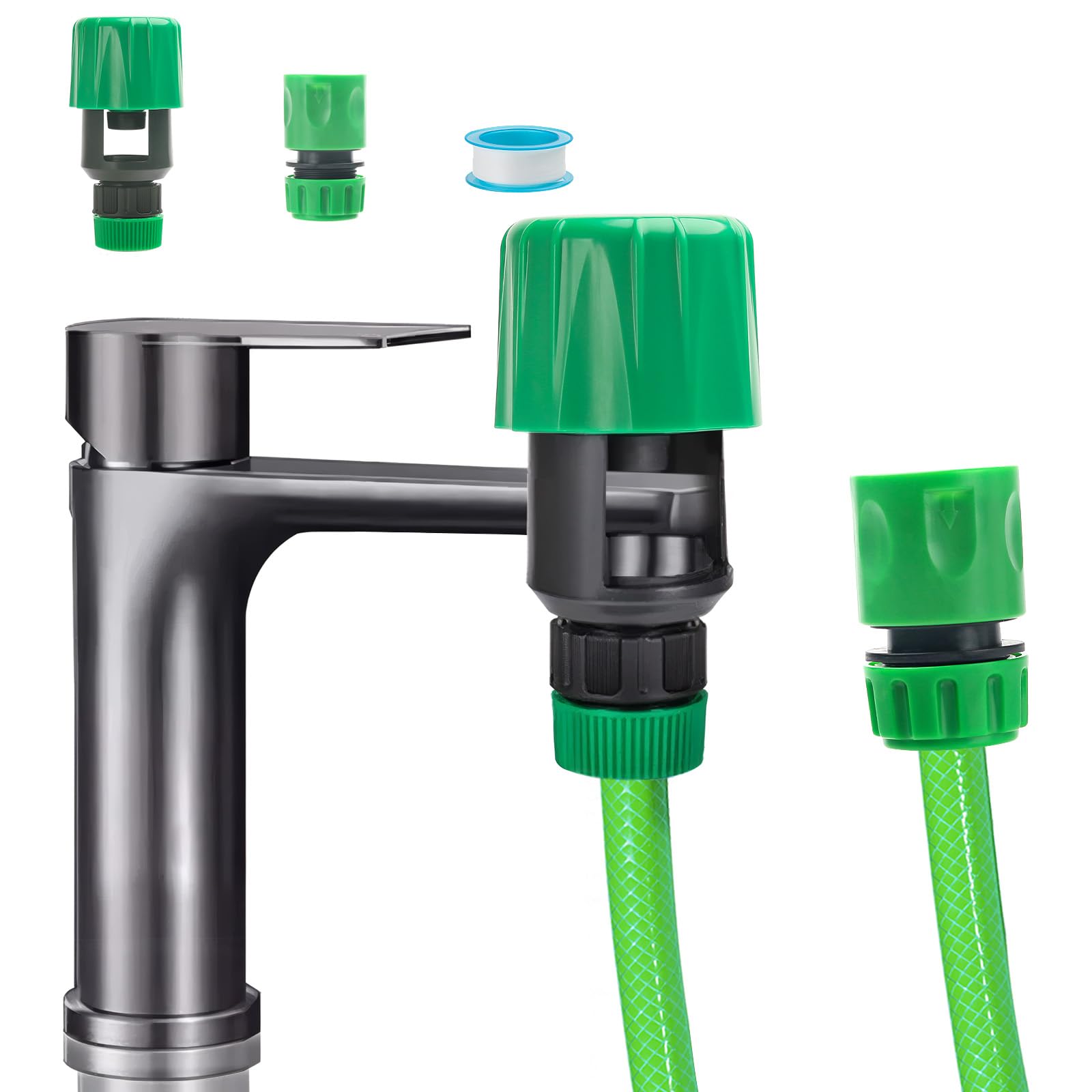
Credit: www.amazon.co.uk
Choosing The Right Adapter
Choosing the right adapter simplifies connecting your garden hose to an indoor tap. Ensure compatibility with your tap size and hose type. This ensures a leak-free and efficient water flow for gardening needs.
Connecting a garden hose to an indoor tap can seem daunting, but choosing the right adapter is your first step to success. Selecting the perfect adapter ensures a snug fit and leak-free experience. Understanding the different types of adapters and their material composition can save you time and frustration.Types Of Adapters
There are several types of adapters available to connect your garden hose to an indoor tap. Some common ones include: – Threaded Adapters: These are ideal if your tap has external threads. They screw directly onto the tap, providing a secure connection. – Snap-On Adapters: Perfect for quick connections, these adapters allow you to attach and detach the hose with ease. – Universal Adapters: These are versatile, fitting most tap sizes and offering a solution if you’re unsure of your tap’s dimensions. Each type of adapter has its unique advantages. Consider what best matches your tap and usage needs.Material Considerations
The material of your adapter plays a significant role in its durability and performance. Common materials include: – Plastic: Lightweight and affordable, plastic adapters are great for occasional use. – Metal: Robust and long-lasting, metal adapters can withstand frequent use and harsh conditions. – Brass: Known for its resistance to corrosion, brass is a popular choice for durability and longevity. Think about how often you’ll use the adapter and under what conditions. A durable material may save you from repeated replacements. Have you ever tried connecting a hose only to find out it doesn’t fit? That frustration is avoidable with the right adapter! Keep these tips in mind, and you’ll be watering your garden effortlessly in no time.Preparing The Indoor Tap
Connecting a garden hose to an indoor tap requires a suitable adapter. Choose a connector that fits both the tap and hose. Ensure a tight seal to prevent leaks during use.
Preparing the Indoor Tap Getting ready to connect your garden hose to an indoor tap involves a few simple but essential steps. Ensuring your tap is ready will prevent any leaks or damage. Let’s dive into these important preparations.Cleaning The Tap
Begin by cleaning the tap thoroughly. Dirt and grime can create a poor seal, leading to annoying drips or leaks. Use a soft cloth and some soapy water to wipe away any residue around the spout. This simple cleaning step can make all the difference in achieving a tight connection. If you notice any hard water stains or mineral buildup, consider using a mixture of vinegar and water. This natural solution can break down stubborn deposits without damaging the tap’s finish. A clean tap ensures a better fit and reduces the chances of water escaping.Checking For Compatibility
Before you get too excited about watering your indoor plants with ease, check the compatibility of your tap and hose. Not all taps are created equal, and some may require an adapter to fit your hose. Measure the diameter of your tap’s spout and compare it with your hose connector. Most standard hoses have a ¾ inch fitting, but indoor taps can vary. You may need a simple adapter, which is available at most hardware stores, to bridge the gap between tap and hose. Think about the last time you tried to connect two things that didn’t fit perfectly. Wasn’t it frustrating? Avoid that hassle by ensuring compatibility from the start. Doing so will save you time and effort, allowing you to enjoy your gardening tasks without unnecessary interruptions.Attaching The Adapter
Attaching the adapter ensures a secure connection between the garden hose and indoor tap. Twist the adapter onto the tap until it fits snugly. This creates a tight seal, preventing leaks when the water is turned on.
Attaching the adapter is crucial for connecting a garden hose to an indoor tap. This process involves fitting a special adapter to your tap, allowing you to securely attach the hose. The adapter ensures that the connection is tight and prevents any water leakage. It typically comes with threads that match the tap and hose. Make sure to choose an adapter compatible with your tap type. This step is simple but essential for a hassle-free water supply.Securing The Connection
Ensure the adapter is tightly screwed onto the tap. A loose connection can cause water to leak. Use a wrench if necessary to tighten the adapter. Check the threads are aligned properly. Misalignment can lead to issues. Tighten until you feel resistance, but don’t overdo it. Over-tightening can damage the threads.Testing For Leaks
Turn the tap on slowly to test the connection. Observe for any leaks around the adapter. If leaks are present, try tightening the adapter again. Use a cloth to wipe the area dry and check again. If leaks persist, consider using plumber’s tape. This tape can help seal minor leaks effectively. Ensure the hose is also secured tightly to the adapter. A secure fit prevents water from escaping.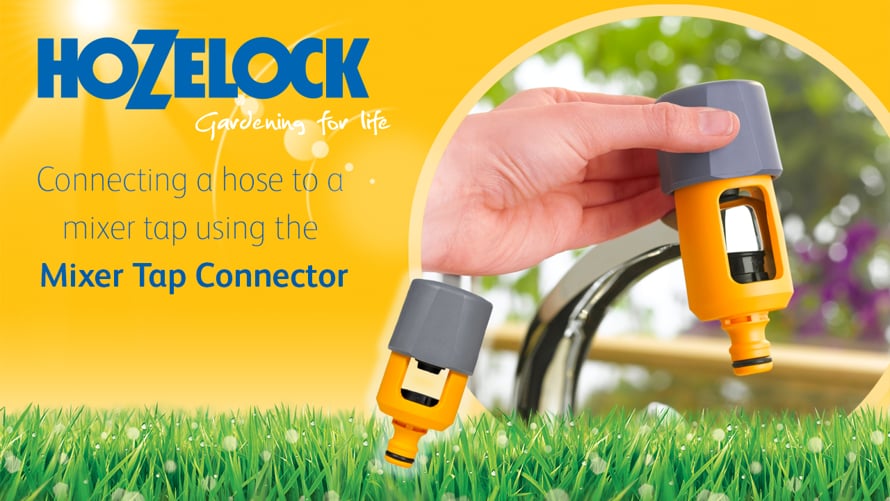
Credit: vimeo.com
Connecting The Garden Hose
Connecting a garden hose to an indoor tap is simple with an adapter. First, attach the adapter to the tap. Then, connect the hose to the adapter tightly. Ensure no leaks by checking the connection.
Connecting a garden hose to an indoor tap can be a simple task. It allows you to use indoor water for outdoor gardening needs. Whether you’re washing your car or watering plants, this connection can be handy. Follow these steps to ensure a proper setup.Ensuring A Tight Fit
Start by checking the tap adapter. It should match the size of your indoor tap. A snug fit prevents leaks and water wastage. Push the hose onto the adapter until it feels secure. Test the connection by turning on the tap briefly. If water leaks, adjust the hose until it fits tightly.Using Hose Clamps
Hose clamps offer extra security for your connection. Place a clamp around the end of the hose. Tighten it with a screwdriver until snug. This step helps prevent the hose from slipping off. Remember, a secure fit ensures efficient water flow.Water Flow Management
Managing water flow effectively is crucial when connecting a garden hose to an indoor tap. Proper water flow management ensures you have the right amount of water for your gardening needs without causing unnecessary stress on your indoor plumbing. It’s about striking a balance between adequate pressure and mindful usage to keep your plants thriving and your water bill in check.
Adjusting Pressure
Getting the pressure just right can make all the difference. If the pressure is too high, you risk damaging your indoor plumbing and wasting water. Consider using a pressure regulator to maintain a steady flow.
Have you ever noticed your hose bulging? That’s a sign of excessive pressure, which can lead to leaks or bursts. A simple twist of the regulator can protect both your hose and your indoor tap.
Experiment with different settings to find what works best for your specific setup. You might be surprised at how a small adjustment can save water and extend the life of your equipment.
Monitoring Usage
How often do you check your water usage? Keeping an eye on how much water you’re using can prevent waste and reduce costs. Many homeowners overlook this crucial step.
Consider installing a water meter to track your usage. These devices are easy to use and provide valuable insights into your watering habits.
Are you using more water than expected? Adjusting your watering schedule or techniques could lead to significant savings over time. Regular monitoring keeps you informed and in control.
By paying attention to pressure and usage, you can optimize the connection between your garden hose and indoor tap, ensuring efficient and sustainable watering practices.

Credit: www.reddit.com
Troubleshooting Common Issues
Connecting a garden hose to an indoor tap can solve watering challenges. Ensure you have a compatible adapter for the tap. Secure the adapter tightly to prevent leaks and ensure efficient water flow.
Connecting a garden hose to an indoor tap might seem straightforward, but it can come with its own set of challenges. Whether you’re trying to water indoor plants or fill a kiddie pool, there are common issues you might encounter. Let’s dive into some effective troubleshooting techniques for leakage and pressure problems to ensure your setup works seamlessly.Leakage Solutions
Leaking connections are frustrating and wasteful. First, check the tightness of your fittings. A loose connection is a common culprit. Use a wrench to gently tighten the adapter, ensuring it’s snug but not over-tightened. Examine the washer inside the adapter. A worn or damaged washer can cause leaks. Replacing it with a new one can often solve the problem. If the leak persists, consider using plumber’s tape. Wrapping it around the threads can create a better seal, preventing water from escaping.Handling Pressure Problems
High water pressure can lead to hose bursts or damage. You can install a pressure regulator to manage this issue, ensuring your hose doesn’t bear the brunt of excessive force. If your hose seems to be struggling with pressure, check for kinks. A kinked hose restricts water flow, causing back pressure that could lead to leaks or bursts. Straightening the hose can alleviate this. Have you ever experienced inconsistent water flow? This might be due to sediment buildup in the tap or hose. Cleaning out any debris can help maintain steady pressure and flow. While troubleshooting, remember to stay patient and methodical. These common issues often have simple solutions, saving you time and frustration. Are there any other techniques you’ve found useful in your DIY adventures?Maintenance Tips
Connecting a garden hose to an indoor tap requires a simple adapter. Choose an adapter that fits your tap size. Attach the hose securely to avoid leaks and ensure a snug fit.
Maintaining your garden hose connection to an indoor tap ensures its longevity and functionality. Consistent care can prevent leaks and keep your setup in top condition. Here are some straightforward maintenance tips to help you out.Regular Inspections
It’s essential to check your garden hose and tap connection regularly. Look for any visible signs of wear like cracks or loose fittings. A quick inspection every month can save you from unexpected leaks. Feel free to run your fingers along the hose to detect any unnoticed tears. If you notice water pooling around the tap, it might be a sign of a loose connection. Tighten any loose parts to prevent water wastage.Replacing Worn Parts
Over time, parts of your hose connection may wear out. It’s crucial to replace these components as soon as you notice any damage. A small investment in new washers or connectors can make a significant difference. Consider keeping a few spare parts handy in your toolbox. This way, you’re prepared for any quick fixes without having to rush to the store. Regularly replacing worn parts prolongs the life of your hose and keeps your garden activities running smoothly. What are some challenges you’ve faced with your garden hose connections? Addressing these issues promptly can save you time and effort in the long run.Frequently Asked Questions
How To Connect A Garden Hose Indoors?
To connect a garden hose to an indoor tap, use an adapter. Ensure the adapter fits your faucet type, whether threaded or unthreaded. Attach the hose securely to avoid leaks. Test the connection by turning on the tap gradually. Avoid using excessive force when connecting to prevent damage.
What Adapter Do I Need For My Faucet?
You need a faucet adapter that matches your tap type. Most indoor taps are threaded, requiring a threaded adapter. For unthreaded taps, use a universal or snap-on adapter. Check the adapter size and material for compatibility. Choose durable materials like brass or plastic for longer-lasting use.
Can I Use Any Garden Hose Indoors?
Not all garden hoses are suitable for indoor use. Choose a lightweight hose that is easy to handle. Ensure the hose material is safe for indoor plumbing. Look for hoses labeled as drinking water safe if using for potable water.
A flexible hose helps maneuver tight spaces easily.
Is It Safe To Use Indoor Water Pressure?
Indoor water pressure is generally safe for garden hoses. Ensure the hose and connections are secure to prevent leaks. Start with low pressure and adjust as needed. Check for any signs of damage or wear on the hose. Avoid high pressure to prevent damage to your indoor plumbing.
Conclusion
Connecting a garden hose to an indoor tap is simple. With the right adapter, you can easily manage the task. Ensure the adapter fits your tap size. Tighten connections to prevent leaks. Double-check everything for a secure fit. Now you’re ready to water plants inside.
Enjoy your indoor gardening with ease. Regular maintenance helps keep everything running smoothly. Check for wear or damage occasionally. Replace worn parts quickly to avoid issues. Don’t forget to turn off the tap after use. Save water and prevent unnecessary spills.
Happy gardening!







