Imagine stepping into your garden and feeling instantly at peace. The secret to creating this oasis isn’t just about having plants.
It’s about knowing how to combine them in a way that makes your garden sing. Whether you’re a seasoned gardener or just starting, you can transform your outdoor space into a harmonious paradise. Picture the vibrant colors, the delightful scents, and the gentle rustle of leaves in the breeze.
Doesn’t it sound perfect? You might wonder how to achieve this effortlessly beautiful look. The good news is, it’s easier than you think. Stick around, and you’ll discover simple yet powerful tips to combine plants in a way that captivates the senses and elevates your garden to new heights. Ready to make your garden the talk of the neighborhood? Let’s dive in!
Choosing Complementary Plants
Choosing complementary plants enhances your garden’s beauty and health. Pair plants with similar sunlight and water needs. Consider color, texture, and height for a balanced look.
Choosing the right plants for your garden can transform its look and feel. Picking complementary plants is an art. It involves considering color, texture, shape, and growth habits. This ensures a harmonious and thriving garden.Color Coordination
Colors in your garden should work together. Use a color wheel to guide your choices. Choose colors that are next to each other for a serene look. For contrast, pick colors opposite each other. This creates a vibrant effect. Group plants with similar hues for a cohesive appearance. Consider the blooming periods to maintain color throughout the seasons.Texture And Shape Considerations
Texture and shape add depth to your garden. Mix plants with different leaf textures. Pair smooth-leaf plants with those that have rough leaves. This creates visual interest. Use plants with varying shapes. Combine tall, spiky plants with rounded ones. This adds dimension to your garden design. Varying heights also create layers, making the garden more dynamic.Growth Habits And Compatibility
Understanding growth habits is crucial for plant compatibility. Some plants spread quickly, while others grow tall. Ensure plants have similar sun and water needs. This prevents competition for resources. Consider how plants interact with each other. Some might shade others or compete for nutrients. Group plants with similar growth rates for balanced development. Ensure enough space for each plant to grow fully.
Credit: www.youtube.com
Seasonal Plant Pairings
Seasonal plant pairings make your garden vibrant all year. Choosing the right plants for each season creates a dynamic and colorful landscape. It enhances the beauty of your outdoor space and supports plant health. Each season brings unique opportunities to mix and match plants. Let’s explore some exciting combinations for different times of the year.
Spring And Summer Combinations
Spring and summer are perfect for bright, bold colors. Mix tulips with daffodils for a spring burst. They both bloom around the same time. This creates a stunning display of reds and yellows. Lavender pairs well with roses in summer. Their scents complement each other beautifully. Sunflowers and zinnias also make a cheerful summer duo. Their vibrant colors attract pollinators to your garden.
Fall And Winter Options
Fall offers rich, warm hues. Pair asters with chrysanthemums for a classic autumn look. Their deep colors add warmth to your garden. Ornamental kale and pansies thrive in cooler weather. They bring texture and color to fall gardens. In winter, evergreens and holly make excellent partners. They provide structure and color when most plants are dormant. Hellebores and snowdrops bloom in late winter. They add a touch of life to a sleepy garden.
Soil And Sunlight Requirements
Understanding soil and sunlight needs is vital for successful plant combinations. Choose plants with similar light and soil preferences to ensure healthy growth. Mixing plants with varying requirements can lead to competition and poor development.
The beauty of a well-combined garden lies not just in the variety of plants, but in how these plants thrive together. This harmony is often dictated by two key factors: soil and sunlight requirements. Understanding these elements can transform your garden from a mere collection of plants to a vibrant ecosystem.Understanding Soil Types
The foundation of any garden is the soil. Different plants have distinct soil preferences. Some thrive in sandy soil, while others need clay. Consider testing your soil to know its type. You can then choose plants that match the soil you have or amend it to suit your desired plants. Think about your experiences with different soil types. Have you noticed that some plants seem to thrive in certain soils while others struggle? This observation can guide your plant choices.Sun Exposure Needs
Sunlight is another crucial element for plant health. Plants can be sun-loving, shade-loving, or somewhere in between. Assess your garden’s sun exposure throughout the day. Is there a sunny spot perfect for sun-loving plants like lavender or roses? Or perhaps a shaded corner ideal for ferns? Ask yourself: are there areas in your garden where plants seem to wilt or fail to bloom? This may indicate a mismatch between plant needs and sunlight availability. Choosing the right plants based on soil and sunlight can significantly impact the success of your garden. How can you adjust your garden setup to better meet these requirements?Creating Visual Interest
Mix various plant shapes and colors for an engaging garden look. Tall trees and low shrubs create depth. Bright flowers near dark foliage add contrast and vibrancy.
Creating a visually striking garden involves more than just choosing beautiful plants. It’s about strategically arranging them to capture attention and create harmony. By thoughtfully combining plants, you can transform a simple garden into a vibrant tapestry of color and texture. Here are some practical tips to help you create visual interest in your garden.Using Height Variations
Playing with plant height is a powerful way to add depth to your garden. Tall plants, like sunflowers or hollyhocks, can create a dramatic backdrop. Shorter plants, such as marigolds or petunias, fill in the foreground and soften the transition. Think of your garden as a stage. Taller plants at the back, medium in the middle, and shortest at the front. This layering effect draws the eye in and gives your garden a professional look. Consider using containers or raised beds to add even more variation. This can be especially useful if your garden space is flat. Experiment with different heights to see what creates the best effect in your space.Incorporating Foliage Diversity
Foliage diversity brings texture and interest even when flowers are not in bloom. Mixing different leaf shapes, sizes, and colors can create a dynamic and engaging garden scene. Consider pairing broad-leaf plants with feathery ones. The contrast between hostas and ferns, for example, is both striking and elegant. Don’t forget about color. Silver-hued foliage from plants like lamb’s ear can complement deep greens or purples, creating a pleasing palette. Use a combination of evergreen and deciduous plants. This ensures your garden has interest all year round, even in the depths of winter. As you plan your garden, ask yourself: How can I make this space feel alive and full of movement? By mixing heights and foliage types, you’ll create a garden that invites exploration and admiration.Incorporating Edible Plants
Combining edible plants in your garden boosts variety and flavor. Mix herbs with vegetables for a vibrant look. Fruits and flowers can enhance the garden’s appeal while providing tasty treats.
Incorporating edible plants into your garden not only enhances its beauty but also provides fresh ingredients right at your doorstep. Imagine stepping outside to pick fresh basil for your pasta or juicy strawberries for your breakfast. It’s a delightful way to combine aesthetics with functionality.Herbs And Vegetables
Herbs and vegetables are often the easiest edible plants to start with. They require little space and can thrive in containers or small patches of soil. Consider planting basil and tomatoes together. They not only complement each other in recipes but also in the garden, as basil can help deter pests from tomatoes. Mix lettuce and radishes for a quick-growing salad patch. Lettuce provides a leafy backdrop while radishes add a pop of color and spice. You can also create a herb spiral, which is a vertical garden feature that allows you to grow a variety of herbs in a small area. This is perfect for those with limited space.Fruit Trees And Shrubs
Fruit trees and shrubs add structure and height to your garden. They also provide delicious fruits throughout the growing season. Consider planting dwarf fruit trees if space is a concern. They offer the same fruit-bearing benefits without overshadowing other plants. Berry shrubs like blueberries and raspberries are excellent choices. They can serve as hedges or border plants, providing both privacy and produce. Think about the sunlight and soil requirements of each tree or shrub. Pair them with compatible plants to ensure a harmonious garden ecosystem. Have you ever thought about the joy of harvesting your own fruits? With careful planning, your garden can become a bountiful source of nourishment.
Credit: www.youtube.com
Maintaining Plant Health
Combining plants in your garden can be a rewarding endeavor, but maintaining their health is crucial to ensuring they thrive together. Each plant has specific needs, and understanding how to cater to them can keep your garden flourishing. Let’s explore some practical strategies to tackle the common challenges of pest control, watering, and fertilizing.
Pest And Disease Management
Garden pests can quickly turn a beautiful landscape into a battleground. Regularly inspect your plants for signs of pests like aphids or caterpillars. Hand-picking these invaders is often effective.
Consider companion planting, which can naturally deter pests. For example, planting marigolds near your vegetables can repel nematodes. Why not let nature work for you?
Don’t forget to check for diseases, like powdery mildew. Prune affected areas and ensure good air circulation to prevent spread. A healthy plant is less likely to succumb to disease.
Watering And Fertilizing Techniques
Proper watering is vital for plant health. Over-watering can cause root rot, while under-watering leads to stress. Aim for consistent moisture levels in the soil.
Use mulch to retain moisture and reduce watering frequency. It’s a simple trick that saves time and water. Plus, it prevents weeds from stealing nutrients.
Fertilizing is another key aspect. Use organic fertilizers to enrich the soil. Think of compost or worm castings as a buffet for your plants. They provide nutrients without the harsh chemicals.
Have you ever considered the timing of fertilizer application? Avoid fertilizing during extreme heat, as it can burn your plants. Instead, plan for cooler times when plants can absorb nutrients effectively.
Designing For Biodiversity
Create a thriving garden by combining native plants with different heights and colors. This attracts various pollinators and supports biodiversity. Choose plants that bloom in different seasons to keep your garden vibrant year-round.
Designing for biodiversity in your garden is more than just mixing plants; it’s about creating a thriving ecosystem. By selecting a variety of plant species, you can transform your garden into a sanctuary for wildlife. This approach not only enhances the beauty of your space but also contributes positively to the environment.Attracting Pollinators
Pollinators like bees, butterflies, and hummingbirds are crucial for plant reproduction. To attract them, focus on planting native flowering species. Choose plants with varying bloom times to ensure a continuous supply of nectar throughout the seasons. Consider colors and shapes; bright flowers and tubular shapes are particularly attractive to pollinators. Personal experience: I noticed an increase in butterflies after planting lavender and coneflowers. What pollinators will your garden invite?Supporting Local Wildlife
Your garden can be a haven for local wildlife by providing food, shelter, and water. Plant trees and shrubs that offer berries, nuts, and seeds, which are food sources for birds and small mammals. Create layers of vegetation to provide cover and nesting sites. Install a small water feature or birdbath to offer hydration. Remember, a diverse garden not only supports wildlife but also brings life and movement to your space. Will your garden be a refuge for local species?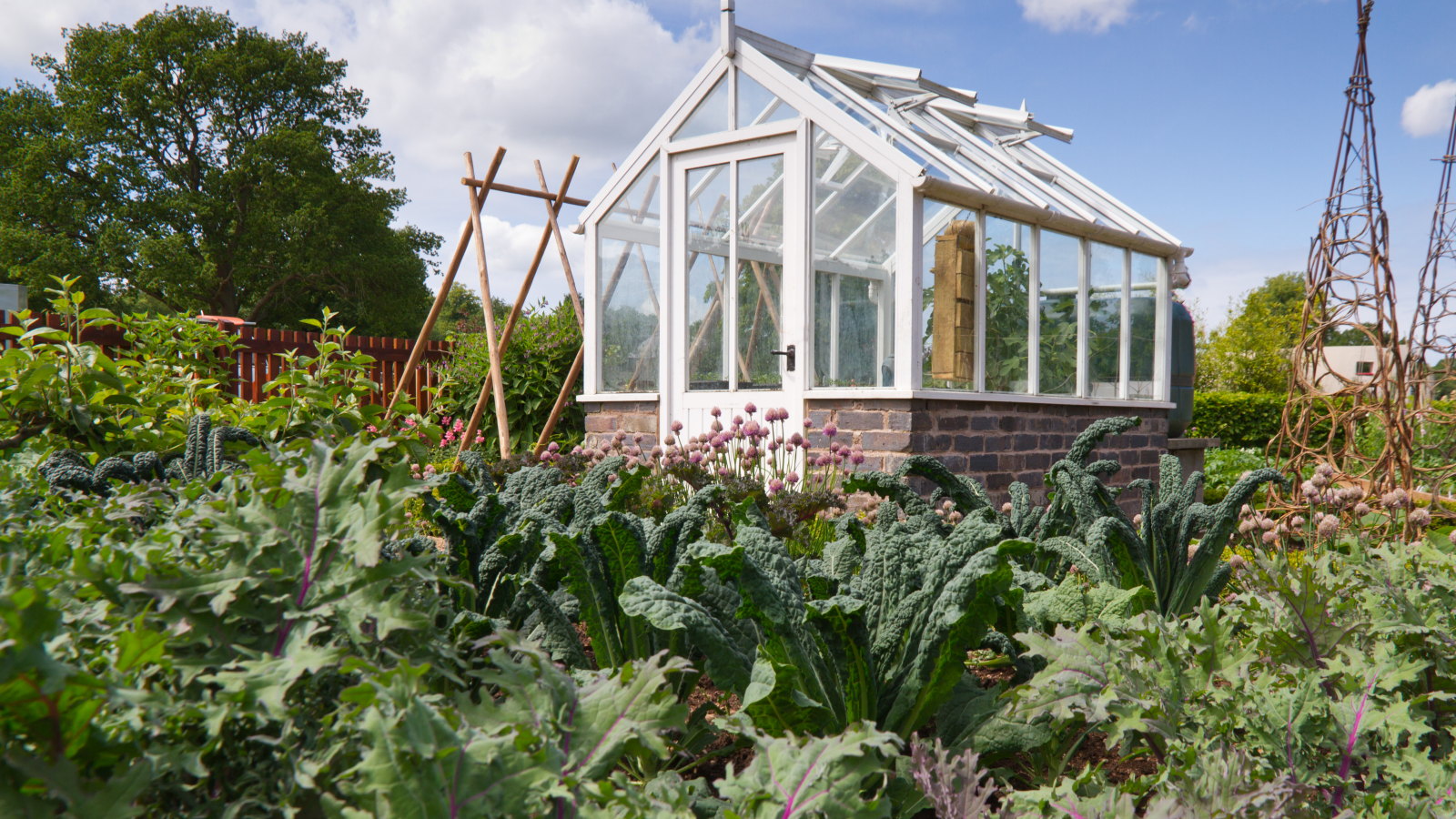
Credit: www.homesandgardens.com
Frequently Asked Questions
What Are The Best Plant Combinations?
Choose plants with similar light and water needs. Pair tall plants with ground covers for visual interest. Complement colors and textures for a harmonious look. Mixing perennials and annuals can provide year-round beauty. Consider the plant’s growth habits to ensure they don’t overcrowd each other.
How Do I Ensure Plants Thrive Together?
Select plants with similar care requirements. Ensure they have compatible soil, light, and water needs. Research the growth habits to avoid competition. Use mulch to retain moisture and suppress weeds. Regularly monitor for signs of stress or disease. Adjust care as needed for optimal health.
Can I Mix Edible And Ornamental Plants?
Yes, combining edible and ornamental plants is possible. Choose edible plants that complement the aesthetics of ornamentals. Herbs and vegetables can add texture and color. Ensure they share similar environmental needs. This combination enhances garden beauty while providing fresh produce.
How To Avoid Plant Overcrowding In Gardens?
Plan your garden layout carefully. Space plants according to their mature size. Consider vertical gardening to save space. Regular pruning helps maintain airflow and prevents overcrowding. Use containers to manage growth. Select compact varieties for smaller spaces to ensure healthy development.
Conclusion
Combining plants in your garden can create a stunning landscape. Mix colors and textures for a vibrant display. Choose plants with similar sunlight needs to thrive together. Consider height and spacing for a balanced look. Group plants by water needs for easy care.
Experiment with different combinations. See what works best in your space. Enjoy the beauty and variety in your garden. Watch it change with the seasons. Gardening is a fun and rewarding activity. It brings life and joy to your home.
Happy gardening!