Imagine stepping into your garden, surrounded by vibrant colors, soothing scents, and the gentle rustle of leaves in the breeze. Your garden is not just a patch of earth—it’s a sanctuary that reflects your personality and nurtures your soul.
Choosing the right plants can transform this space into a thriving oasis, but with countless options available, how do you make the best choices? You might feel overwhelmed at the thought of picking the perfect plants, but don’t worry. This guide will help you understand what your garden needs and how to select plants that will flourish in your environment.
From considering sunlight and soil conditions to assessing the aesthetics and maintenance requirements, you’ll find the expert tips you need to create a garden that’s uniquely yours. Dive in, and discover how simple and rewarding it can be to turn your gardening dreams into reality.
Assessing Your Space
Understanding your garden’s conditions is vital for selecting the right plants. Consider sunlight, soil type, and climate. Different plants thrive in different environments, so match your garden’s features with suitable plant varieties for optimal growth.
Assessing Your Space Before you dive into the delightful world of gardening, it’s crucial to understand the unique characteristics of your garden space. Every garden is a canvas with its own set of conditions, and knowing these can help you make the best plant choices. From the way sunlight filters through to the quality of your soil and the climate you live in, each element plays a key role in the success of your garden.Evaluating Sunlight Exposure
Sunlight is a primary energy source for plants, and understanding how much your garden receives is vital. Spend a day observing your garden to see where the sun hits and when. Does your garden bask in full sunlight, or are there shady areas under a tree? Consider how the sunlight changes through the seasons. A spot that’s sunny in summer might be shaded in winter. Knowing this can prevent you from planting sun-loving flowers in areas that get less light.Measuring Soil Quality
Soil is the foundation of any garden, and its quality can significantly affect plant growth. Start by picking up a handful of soil and feeling its texture. Is it sandy, clay-heavy, or loamy? Test your soil’s pH level with a simple home kit. Most plants prefer neutral pH, but some, like blueberries, thrive in acidic soil. Adjusting the soil conditions can be as simple as adding organic matter or lime.Understanding Climate Conditions
Your local climate dictates what plants can thrive in your garden. Familiarize yourself with your area’s hardiness zone, which indicates the average extreme minimum temperature. This will help you choose plants that can withstand your winter temperatures. Consider other climate factors like humidity, rainfall, and wind. If you live in a dry region, drought-resistant plants might be your best bet. Knowing your climate can guide you to plants that will not just survive, but thrive. With these insights, you’re well on your way to crafting a garden that flourishes beautifully. What will you plant first?
Credit: www.instagram.com
Defining Your Garden Goals
When planning your garden, a crucial step is defining your garden goals. This helps you make informed decisions about which plants to choose. By understanding what you want from your garden, you can create a space that truly reflects your personality and meets your needs.
Aesthetic Preferences
Consider what visual appeal you want in your garden. Do you prefer a formal structure with symmetrical layouts, or a more relaxed, wild appearance? Your aesthetic preferences will guide you in selecting plants with specific colors, shapes, and sizes.
Think about whether you want a monochromatic theme or a vibrant mix of hues. Do you favor towering trees or low-growing shrubs? By pinpointing your style, you’ll ensure your garden is a reflection of your taste.
Functional Uses
Decide what practical purposes your garden should serve. Are you looking to grow your own vegetables, create a space for relaxation, or perhaps provide a habitat for wildlife?
Plants can serve multiple functions, such as herbs for cooking or flowers that attract pollinators. Consider incorporating plants that offer shade, privacy, or even natural pest control. What roles do you want your garden to fulfill?
Seasonal Interest
Think about how your garden will look throughout the year. Do you want blooms in spring, vibrant colors in fall, or evergreen foliage in winter?
Choose plants that will keep your garden lively across seasons. Mixing perennials with annuals can provide continuity and variety. What plants will keep your garden interesting during each season?
By defining your garden goals, you lay the foundation for a space that is both beautiful and functional. Remember, your garden is an extension of your living space, and the right plants will bring your vision to life.
Selecting Plant Types
Choosing plants involves considering climate, soil, and sunlight. Focus on native species for easier maintenance. Ensure the plants fit your garden’s size and design.
Selecting the right plants for your garden can transform your outdoor space. Choosing plants involves understanding your garden’s environment and your personal preferences. Consider factors like sunlight, soil type, and climate. This process ensures your garden flourishes and reflects your style.Annuals Vs. Perennials
Annuals bloom for one season, offering vibrant colors. They are perfect for gardeners who enjoy changing their garden’s look yearly. Perennials return year after year, saving time and effort. These plants provide consistency and long-term beauty. Choose annuals for variety; choose perennials for stability.Native Plants
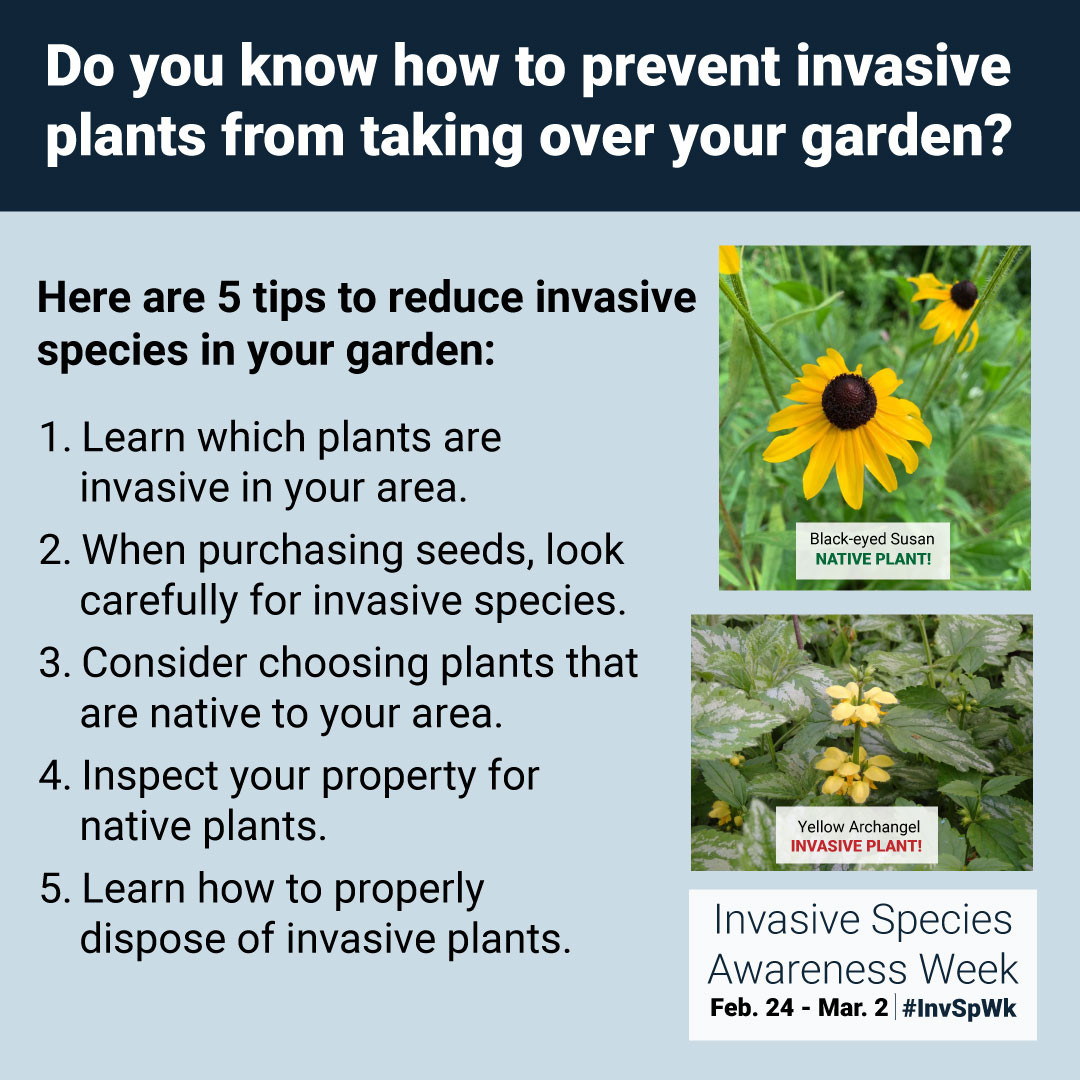
Native plants adapt well to local conditions. They require less maintenance and support local wildlife. These plants often resist pests and diseases better than non-native species. Native plants also help maintain biodiversity. They make a great choice for environmentally conscious gardeners.Edible Options
Edible plants offer beauty and nourishment. Consider herbs, vegetables, and fruits that suit your climate. They add flavor to meals and can save money. Growing edibles connects you with nature in a practical way. Pick plants that fit your taste and garden space.
Credit: www.schreders.ca
Considering Plant Size
Consider the space your garden offers before choosing plants. Large plants may overpower small areas, while smaller plants can get lost in vast spaces. Balance plant size with garden area to ensure harmony and aesthetic appeal.
Choosing the right plants for your garden requires careful consideration, especially when it comes to their size. Plant size isn’t just about aesthetics; it impacts how your garden functions and looks over time. A small plant today can become a towering giant tomorrow, potentially outgrowing its space or overshadowing other plants. Understanding plant size can help you create a harmonious garden that thrives in all seasons.Growth Patterns
Plants have unique growth patterns that can influence your garden’s design. Some plants grow rapidly, while others take years to mature. It’s essential to understand these patterns to avoid overcrowding and ensure each plant has enough room to thrive. Imagine a shrub that grows quickly and starts to invade the space of a delicate perennial nearby. This can disrupt the balance and aesthetics of your garden. Observing growth patterns allows you to plan effectively and maintain harmony among your plants.Mature Height And Spread
Every plant reaches a mature height and spread, which significantly impacts your garden layout. A tree that looks perfect now might eventually overshadow your entire garden if not planned for its full size. Knowing a plant’s mature size helps you visualize how it fits into your overall design. Consider a small sapling that grows into a large shade tree. This transformation can be wonderful, providing shade and beauty, but only if you’ve planned for it. Checking plant labels or researching online can give you insights into their future size.Spacing Requirements
Spacing is crucial for plant health and garden aesthetics. Proper spacing ensures that each plant has access to necessary sunlight, nutrients, and air circulation. Overcrowding can lead to competition for resources, resulting in stunted growth or plant diseases. Think about the disappointment of planting flowers too close together, only to watch them struggle for sunlight and eventually wither. By understanding spacing requirements, you can avoid these issues and create a lush, vibrant garden where every plant has room to flourish. In your garden, consider how plant size influences everything from growth patterns to spacing needs. By doing so, you can cultivate a thriving space that remains beautiful and functional year after year.Assessing Maintenance Needs
Assessing the maintenance needs of your garden plants is crucial to ensure they thrive without overwhelming your schedule. Choosing the right plants involves understanding how much care they require and how that fits into your lifestyle. Let’s dive into some key aspects that will help you make informed decisions about your garden’s maintenance.
Watering Requirements
Consider how much water each plant needs to flourish. Some plants thrive with minimal watering, perfect for those with busy lifestyles or those who live in drier climates. Others might need daily attention, which could be a delightful ritual if you enjoy spending time in the garden.
Think about installing a simple irrigation system. It can save time and ensure your plants receive consistent moisture. Remember, over-watering can be as harmful as under-watering, leading to root rot and other issues.
Pruning Necessities
Pruning helps maintain plant health and aesthetics, but not all plants require it frequently. For example, roses and fruit trees often need regular pruning to encourage growth and productivity. On the other hand, ornamental grasses and some perennials may only need trimming once a year.
Consider your willingness and ability to prune regularly. If you’re not keen on frequent pruning, opt for low-maintenance plants that naturally maintain their shape. Pruning can also be a meditative task, offering you a chance to connect with your garden.
Pest And Disease Management
Pest and disease management is an integral part of plant care. Research which plants are more resistant to common pests and diseases in your area. For example, marigolds are known to deter certain insects and can be a great addition to your garden.
Think about natural methods for pest control, such as companion planting or introducing beneficial insects like ladybugs. Regularly inspect your plants for signs of trouble, and act swiftly to prevent the spread of disease. How will you ensure your garden remains a healthy, thriving space for your plants?
Credit: www.facebook.com
Exploring Companion Planting
Selecting the right plants enhances your garden’s health. Pairing compatible plants boosts growth and deters pests. Discovering plant combinations can create a thriving garden ecosystem.
Exploring companion planting is like creating a harmonious neighborhood in your garden. It involves strategically placing plants that mutually benefit each other. This practice not only enhances growth but also boosts the health of your garden ecosystem. But how do you ensure these plant pairings are right for your garden? Let’s delve into the essentials.Mutual Benefits
Companion planting offers mutual benefits by allowing plants to share resources effectively. Consider planting corn, beans, and squash together, a traditional Native American practice known as the “Three Sisters.” Corn provides a natural trellis for beans, beans fix nitrogen in the soil to nourish corn, and squash covers the ground to suppress weeds. Do you remember the last time you had a great neighbor who helped you out? That’s what these plants do for each other. They work together, ensuring each gets what it needs. Think about which plants in your garden could form such beneficial partnerships.Pest Control
One of the greatest advantages of companion planting is natural pest control. Marigolds, for instance, are known to repel nematodes and other pests that can harm your vegetables. Planting basil near tomatoes can deter whiteflies, mosquitoes, and tomato hornworms. This method reduces your reliance on chemical pesticides, fostering a healthier environment for both plants and pollinators. Have you ever noticed fewer bugs in certain areas of your garden? It might be due to a natural defense system in action. Consider experimenting with different plant combinations to see what works best for your space.Soil Health
Healthy soil is the foundation of a thriving garden, and companion planting can significantly contribute to this. Certain plants, like legumes, improve soil fertility by fixing nitrogen. Their roots release nutrients back into the soil, enriching it for neighboring plants. Additionally, deep-rooted plants like carrots can aerate the soil, helping to prevent compaction and improve drainage. Are you noticing patches of your garden struggling more than others? Introducing a diverse range of companions might rejuvenate those areas. Choose plants that complement each other to maintain and enhance your garden’s soil health. By understanding these principles, you can create a garden that not only looks beautiful but thrives in harmony. What plant pairings will you try next season?Sourcing Quality Plants
Select plants that thrive in your garden’s climate and soil. Check for healthy leaves and roots. Choose disease-resistant varieties for better growth.
Sourcing quality plants is crucial for a thriving garden. Choosing the right plants involves considering their health, origin, and environmental impact. This section will guide you through sourcing practices that ensure your garden flourishes.Nurseries Vs. Online
Traditional nurseries offer a chance to see plants firsthand. You can examine their condition and speak with knowledgeable staff. This personal touch helps in making informed decisions. Online shopping, on the other hand, provides convenience. You access a wider selection, sometimes even rare species. Reading reviews and checking return policies is key. Ensure you choose reputable online sellers to avoid disappointment.Selecting Healthy Specimens
Healthy plants are vital for a vibrant garden. Look for bright, firm leaves and strong stems. Avoid plants with yellowing or wilting signs. Check for pests or diseases on leaves and stems. Healthy roots are crucial too. They should be white and slightly firm, not brown or mushy.Sustainability Considerations
Sustainable gardening respects the environment. Choose plants native to your region. They adapt better and need less water and care. Consider organic or pesticide-free plants. Support nurseries that practice sustainable farming. This ensures your garden is eco-friendly and thriving. Making these choices benefits both your garden and the planet.Frequently Asked Questions
What Are The Best Plants For Beginners?
For beginners, choose hardy, low-maintenance plants like succulents, marigolds, or lavender. These plants are resilient and require minimal care. They thrive in various conditions and are perfect for novice gardeners. Start with these to build confidence and enjoy a flourishing garden.
How Do I Select Plants For My Climate?
Select plants suited to your local climate zone. Research plants that thrive in your area’s temperature and rainfall patterns. Native plants are often ideal as they naturally adapt to your climate. This ensures healthier plants and reduces maintenance efforts.
Which Plants Require Low Maintenance?
Low-maintenance plants include succulents, hostas, and ornamental grasses. These plants need minimal watering and care, making them ideal for busy gardeners. They resist pests and thrive with little intervention, providing beauty without constant attention.
How To Choose Plants For Small Gardens?
Opt for compact, versatile plants like dwarf shrubs or container-friendly flowers. These plants maximize space and offer vibrant colors. Use vertical gardening techniques to further enhance small areas. Consider plant height and spread for efficient use of space.
Conclusion
Choosing the right plants creates a beautiful, thriving garden. Consider climate, soil, and sunlight needs. Match plants to your garden’s conditions. Think about color, height, and maintenance. Select a mix of perennials and annuals. This adds variety and year-round interest.
Don’t forget native plants. They adapt well to local environments and support wildlife. Visit local nurseries for expert advice. Enjoy experimenting with different plants. Remember, gardening is a journey. Keep learning and adjusting as your garden grows. Happy gardening!