Imagine stepping into your garden and finding vibrant, juicy tomatoes hanging from lush green vines. It’s a sight that can brighten your day and add a delicious touch to your meals.
But how do you achieve this garden wonder? Caring for tomato plants can seem challenging, but with the right guidance, you can transform your garden into a tomato haven. You’re here because you want thriving tomato plants, and you’re in the right place.
This guide will walk you through every essential step to nurture your plants and ensure they yield the best fruits. Whether you’re a seasoned gardener or a newbie, you’ll find practical tips that are easy to follow and incredibly effective. Keep reading, and you’ll discover simple techniques that can make a big difference in your garden. Your tomato plants deserve the best care, and soon, you’ll be enjoying the fruits of your labor. Let’s dive into the secrets of successful tomato gardening, where every tip brings you closer to harvesting perfection.
Credit: wallacesgardencenter.com
Choosing The Right Tomato Varieties
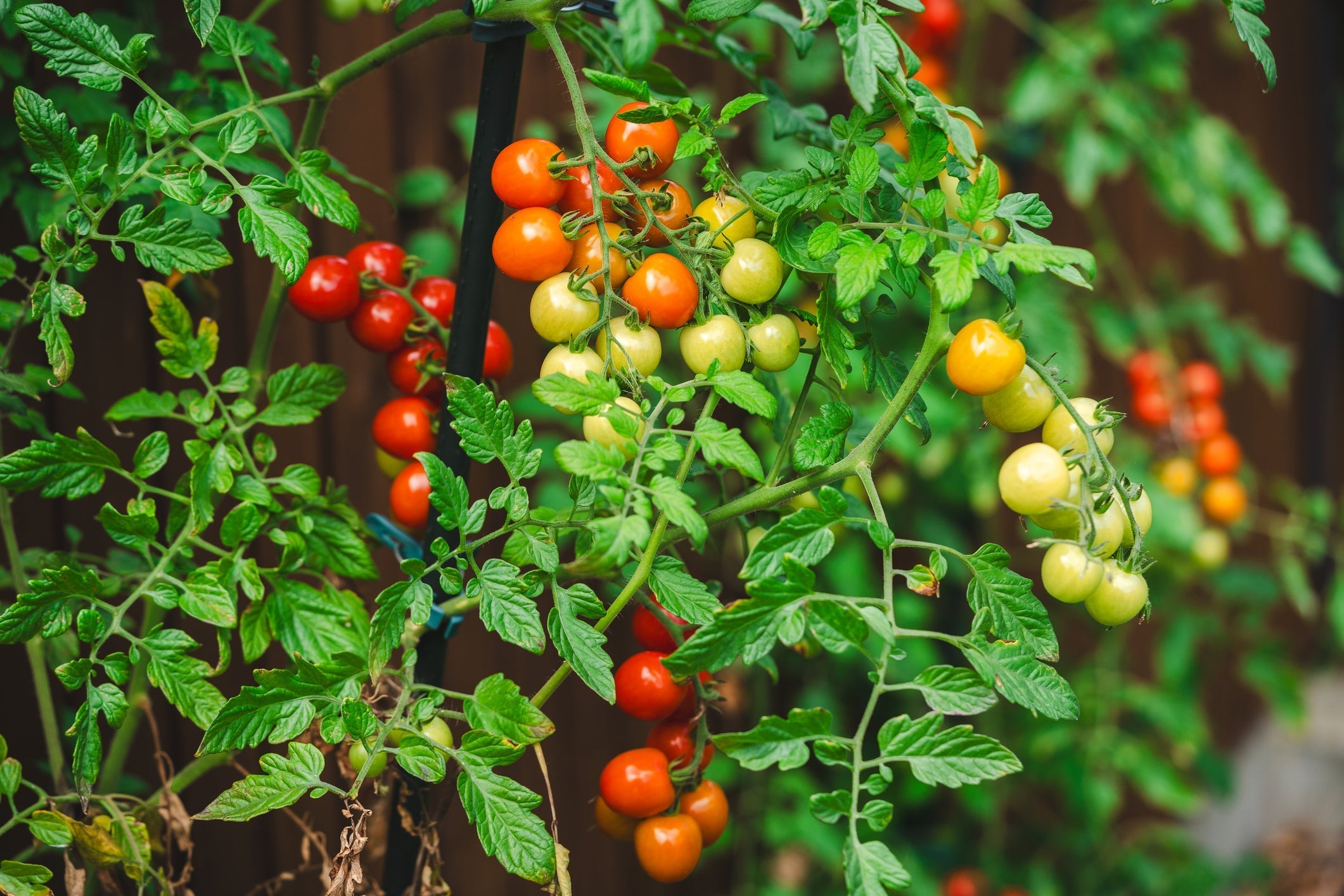
Choosing the right tomato varieties ensures healthy growth in your garden. Select disease-resistant types for easier care and better yields. Consider climate and space to find the perfect match for your gardening needs.
Choosing the right tomato varieties is crucial for a thriving garden. Different tomato types offer unique benefits. Some grow better in certain climates. Others are ideal for specific uses, like salads or sauces. Understanding these differences helps you select the best plants for your needs.Determinate Vs Indeterminate
Tomato plants fall into two categories: determinate and indeterminate. Determinate tomatoes grow to a set height. They produce fruit all at once. This makes them great for canning. These plants require less staking. Indeterminate tomatoes grow continuously. They produce fruit throughout the season. They need more support, like cages or stakes. Indeterminate varieties are perfect for fresh eating all summer.Heirloom Vs Hybrid
Heirloom tomatoes are old varieties. They have been passed down through generations. They offer unique flavors and colors. These tomatoes are open-pollinated. They can be grown again from seeds. Hybrid tomatoes are bred for specific traits. They offer disease resistance and uniformity. Hybrids often yield more fruit. Both types have their benefits. Choose based on your taste and gardening goals.Preparing The Soil
Preparing the Soil Ensure the garden soil is rich and well-drained for healthy tomato plants. Mix compost and organic matter to boost nutrients. Aim for a slightly acidic pH, around 6. 2 to 6. 8, for best growth.
Preparing the soil for your tomato plants is a crucial step that can determine the success of your garden. It involves understanding the needs of tomatoes and creating a nurturing environment for them to flourish. By focusing on the right soil composition and pH levels, you can ensure your tomato plants have a strong foundation for growth.Soil Composition
The right soil composition can make all the difference in your tomato plants’ growth. Tomato plants thrive in well-draining soil that’s rich in organic matter. Consider adding compost or aged manure to enrich the soil with essential nutrients. A balanced soil structure provides both air and water to the roots. If your garden soil is heavy clay, you might want to mix in sand to improve drainage. Conversely, if the soil is too sandy, adding peat moss can help retain moisture.Ph Levels
Tomato plants prefer a slightly acidic environment. Aim for a pH level between 6.0 and 6.8 to optimize their nutrient uptake. You can test your soil’s pH using an inexpensive soil test kit available at garden centers. If the pH is too low (acidic), consider adding lime to raise it. On the other hand, if it’s too high (alkaline), sulfur can help lower the pH. Adjusting the soil pH might seem tedious, but it ensures that your plants can access all the nutrients they need to thrive. Have you ever wondered why some gardens produce juicier tomatoes than others? Often, it’s the unseen work put into preparing the soil. By taking the time to get your soil composition and pH levels just right, you’re setting the stage for a bountiful tomato harvest.Planting Techniques
Nurture tomato plants by ensuring they receive at least six hours of sunlight daily. Water deeply once a week to encourage strong roots. Use mulch to retain moisture and keep the soil warm.
Planting tomatoes correctly is key for a healthy garden. The right techniques ensure strong growth and bountiful harvests. Let’s explore how to plant tomatoes effectively.Spacing And Depth
Proper spacing prevents diseases and promotes air circulation. Plant tomato seedlings about 24 to 36 inches apart. This distance allows room for growth. Ensure the rows are about 4 feet apart. This setup simplifies movement and maintenance. Plant the seedlings deeper than in their pots. Bury two-thirds of the stem. This encourages strong root development. Deep roots support the plant and improve nutrient uptake.Companion Planting
Companion planting benefits tomato health and yield. Certain plants improve growth and deter pests. Basil is a good companion for tomatoes. It enhances flavor and repels harmful insects. Marigolds also protect tomatoes by repelling nematodes. Plant them nearby for a healthier garden ecosystem. Avoid planting tomatoes near cabbage or corn. These can attract pests that harm tomatoes.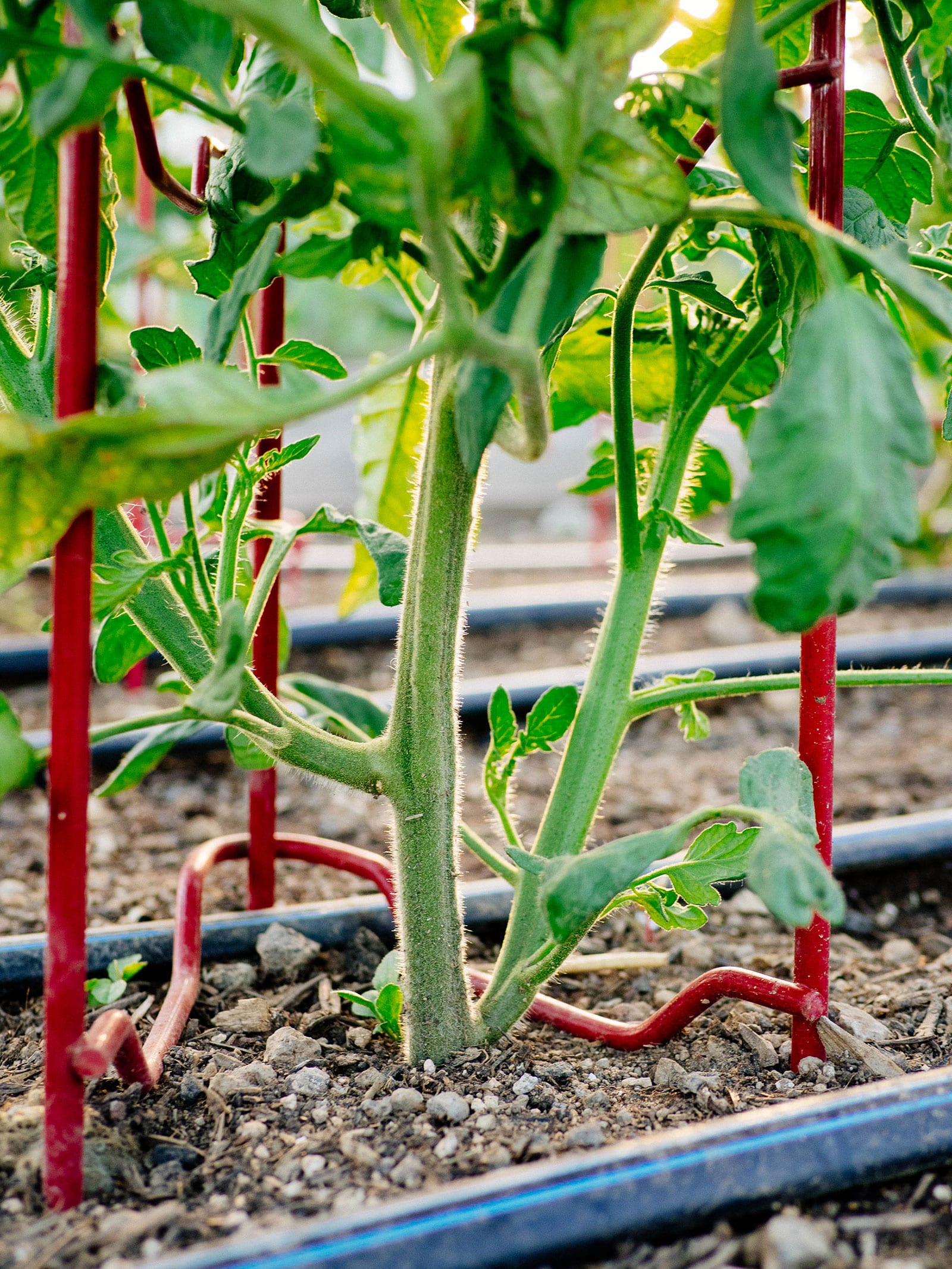
Credit: gardenbetty.com
Watering Strategies
Tomato plants thrive with consistent watering strategies. Aim for deep watering to encourage strong root growth. Water early in the day to reduce evaporation and prevent disease.
Watering your tomato plants correctly can be the difference between a bountiful harvest and a disappointing yield. It’s a delicate balance—too much water can drown your plants, while too little can leave them thirsty and unproductive. Understanding the right watering strategies will help your tomato plants flourish, turning your garden into a vibrant, productive space.Frequency And Amount
Tomato plants thrive on consistent watering. Aim to water them deeply 2 to 3 times a week rather than giving them a little water every day. This encourages the roots to grow deeper into the soil, making the plants more resilient to drought conditions. The amount of water your tomatoes need can vary based on factors like weather, soil type, and plant size. On average, tomato plants require about 1 to 1.5 inches of water per week, including rainfall. You can use a rain gauge to monitor how much rain your garden gets and adjust your watering schedule accordingly.Drip Irrigation Systems
Drip irrigation systems are a fantastic option for maintaining consistent moisture levels in your tomato garden. These systems deliver water directly to the base of the plant, minimizing evaporation and ensuring that the roots receive the hydration they need. Setting up a drip irrigation system can save you time and water. Once installed, you can set a timer to water your plants at optimal times, like early morning or late afternoon, when evaporation is less likely. This method not only conserves water but also prevents the leaves from getting wet, reducing the risk of fungal diseases. Have you ever wondered how much water you might be wasting with traditional watering methods? Drip systems can cut water usage by up to 50%, making them an eco-friendly choice for conscientious gardeners. Embrace these watering strategies, and you’ll see your tomato plants thrive like never before.Fertilization Methods
Fertilizing tomato plants is crucial for their health and productivity. Proper fertilization ensures strong growth and abundant fruiting. Understanding the different methods can greatly benefit your garden.
Organic Vs Synthetic Fertilizers
Organic fertilizers come from natural sources. They include compost, manure, and bone meal. These enrich the soil with essential nutrients. They also improve soil structure and drainage. Organic options release nutrients slowly. This provides a steady supply over time.
Synthetic fertilizers are man-made. They offer a quick nutrient boost. These are available in balanced formulas. They provide precise nutrient ratios. However, overuse can harm plants and soil. They might leach nutrients into waterways.
Timing And Application
Timing is key for fertilizing tomato plants. Apply the first dose when planting. This helps seedlings establish roots. Use a balanced fertilizer for young plants.
During the growing season, fertilize every 4-6 weeks. This supports ongoing growth and fruit production. Follow package instructions for amounts. Over-fertilizing can burn plant roots.
Water plants before and after fertilizing. This helps the nutrients reach the roots. Avoid fertilizing during midday heat. Early morning or late afternoon is best.
Pruning And Training
Pruning and training tomato plants boost growth and fruit production. Remove lower leaves to enhance air circulation. Support stems with stakes or cages for better stability and sunlight exposure.
Pruning and training are vital for healthy tomato plants. They promote growth and increase yield. Proper pruning helps direct energy to fruit production. Training ensures plants grow strong and upright.Removing Suckers
Suckers are small shoots between the stem and branches. They steal nutrients from the plant. Removing them improves fruit quality. Use clean scissors or your fingers. Pinch suckers when they are small. This prevents large wounds on the plant. Regularly check for new growth. Prune to keep the plant tidy and healthy.Supporting Structures
Tomato plants need support as they grow. Use stakes, cages, or trellises. Stakes are simple and effective. Place them near the plant base. Tie the stem gently with soft ties. Cages offer all-around support. They are easy to install and use. Trellises work well for indeterminate varieties. Guide the plant to grow vertically. This saves space and improves air circulation. Ensure structures are sturdy and secure.Pest And Disease Management
Tomato plants need regular care to prevent pests and diseases. Use organic methods like crop rotation and companion planting. Regularly check leaves for signs of trouble and maintain healthy soil for strong growth.
Tomato plants are a favorite in many gardens, offering fresh produce and vibrant color. Yet, they are often targeted by pests and diseases, posing challenges for gardeners. Effective pest and disease management ensures your tomato plants thrive, producing juicy, healthy fruits. This section provides practical tips to protect your plants from common threats.Common Tomato Pests
Tomato plants attract various pests. These creatures can damage leaves and fruits. Aphids are tiny bugs that suck sap from leaves. They weaken plants and promote disease. Control them with insecticidal soap or neem oil. Tomato hornworms are large caterpillars that eat leaves and stems. Pick them off by hand or use organic pesticides. Spider mites are tiny and cause yellow spots on leaves. Spray with water or use miticides to reduce their numbers.Disease Prevention
Diseases can ruin tomato plants quickly. Early blight causes dark spots on leaves. Prevent it by spacing plants for good air circulation. Use mulch to keep soil moisture consistent. Fusarium wilt turns leaves yellow and droopy. Plant resistant varieties to minimize damage. Keep soil healthy by rotating crops every year. Regularly remove weeds that harbor disease. Water plants at the base to avoid wetting leaves. This reduces the chance of fungal infections.Harvesting Tips
Ensure tomato plants get at least six hours of sunlight daily. Water them deeply but infrequently to encourage strong roots. Regularly check for pests and remove damaged leaves to promote healthy growth.
Harvesting your tomato plants is an exciting stage, a reward for your diligent care and nurturing. Knowing when and how to pick your tomatoes can make a significant difference in their taste and quality. Whether you’re a seasoned gardener or a beginner, mastering the art of harvesting will ensure you enjoy the best of your garden’s bounty. Here are some tips to guide you through the process.Signs Of Ripeness
Identifying the perfect time to pick your tomatoes is crucial. Look for a rich, even color—whether it’s red, yellow, or orange, depending on the variety. The fruit should feel slightly firm yet yield gently to pressure. It’s much like the feeling of a ripe peach. Notice any changes in the skin. A glossy, smooth appearance indicates it’s ready for harvest. If you spot a dull or matte finish, it might be overripe or underdeveloped. Have you ever been tempted to pick one too soon? Waiting just a couple more days can enhance the flavor significantly.Best Practices For Picking
When picking tomatoes, twist the fruit gently off the vine. Avoid pulling, as this can damage the plant. If the fruit resists, use clean pruning shears to snip it close to the vine. Remember, your plants are still growing, so treat them kindly. Harvesting in the early morning can be beneficial. The cooler temperatures help preserve the tomato’s freshness and flavor. Have you ever thought about how timing might affect the taste? Try it and see the difference in your next salad! Avoid placing freshly picked tomatoes in direct sunlight. Instead, store them in a cool, shaded area to maintain their quality. A simple basket or tray lined with a cloth can prevent bruising and keep them fresh until you’re ready to enjoy them.Post-harvest Care
Tomato plants need careful handling after harvest to maintain freshness. Store tomatoes in a cool, dry place to prevent spoilage. Regularly check for signs of overripeness to ensure quality.
Post-harvest care for tomato plants is crucial to ensure the fruits retain their flavor and freshness long after they’ve been picked. You’ve spent months nurturing your tomato plants, watching them grow and flourish. Now, as you gather your bounty, understanding how to properly store and preserve these juicy gems can make all the difference in enjoying their garden-fresh goodness.Storing Tomatoes
The way you store your tomatoes can greatly impact their taste and texture. Keep tomatoes at room temperature if you plan to use them within a few days. This prevents them from losing flavor and becoming mealy. If you have a surplus, consider refrigeration. However, ensure they reach room temperature before consumption for the best taste. Avoid storing them in direct sunlight, as this can hasten ripening and spoilage.Preservation Techniques
If you’ve ever found yourself with more tomatoes than you can handle, preservation can be a lifesaver. Canning is a popular method, allowing you to enjoy summer flavors in the colder months. It’s a straightforward process with a rewarding payoff. Drying tomatoes is another fantastic option. Sun-dried tomatoes add a concentrated burst of flavor to dishes. Alternatively, freeze your tomatoes. Just blanch them first to retain their texture and color. Which preservation technique will you try this year to savor your tomato harvest all year round?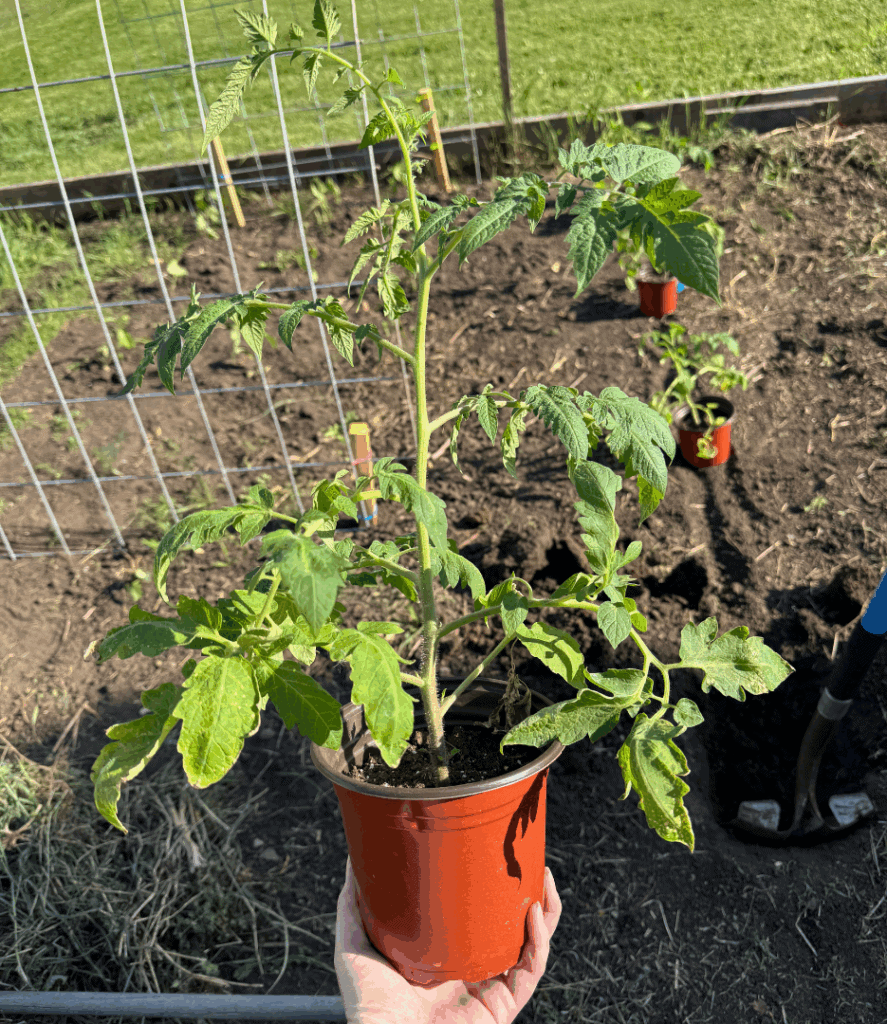
Credit: homelyhens.com
Frequently Asked Questions
How Often Should I Water Tomato Plants?
Tomato plants require consistent watering, ideally once a week. Ensure soil remains moist but not soggy. Adjust watering based on weather conditions. During hot spells, increase frequency to avoid wilting. Using a drip irrigation system can help maintain consistent moisture levels.
What Is The Best Fertilizer For Tomato Plants?
Use a balanced fertilizer with equal parts nitrogen, phosphorus, and potassium. Look for one labeled 10-10-10. Apply every two weeks during growing season. Organic options like compost or fish emulsion work well. Avoid over-fertilizing, as this can lead to leafy growth without fruit.
How Can I Prevent Tomato Plant Diseases?
Rotate crops annually to avoid soil-borne diseases. Keep foliage dry by watering at the base. Use mulch to prevent splashing soil onto leaves. Regularly prune to improve air circulation. Consider disease-resistant varieties and apply organic fungicide if necessary.
When Should I Prune Tomato Plants?
Prune tomato plants when they reach about 12 inches tall. Remove suckers and yellow leaves weekly. Focus on lower branches to improve air circulation. Pruning encourages healthier growth and higher yields. Avoid over-pruning, as it can stress the plant.
Conclusion
Caring for tomato plants brings delicious rewards. Healthy plants need proper attention. Water them regularly, but avoid soggy soil. Ensure they get plenty of sunlight. Fertilize to provide necessary nutrients. Keep an eye out for pests and diseases. Prune to encourage better fruit production.
Supporting the plants with stakes helps them grow upright. Harvest tomatoes when they are ripe and ready. Enjoy fresh, home-grown tomatoes. With these tips, your garden will flourish. Happy gardening!