Imagine transforming your living space into a lush oasis, where vibrant greenery thrives by your windows, adding life and beauty to your home. With an indoor window garden, you can do just that.
Whether you’re a seasoned gardener or a complete novice, creating your own window garden is easier than you might think. It’s a simple yet rewarding way to bring nature indoors, purify your air, and boost your mood. Picture yourself sipping coffee next to a thriving mini-garden, the sunlight streaming through leaves, offering a sense of peace and connection with the natural world.
If you’re ready to enjoy these benefits and learn how to build your own indoor window garden, keep reading—this guide will walk you through every step of the process, ensuring your success and satisfaction.
Choosing The Right Location
Choosing the Right Location Select a sunny spot near a window for your indoor garden. Ensure it receives ample natural light daily. Avoid areas with drafts or temperature fluctuations.
Choosing the right location for your indoor window garden is crucial. A well-chosen spot ensures your plants thrive. The location influences light exposure, temperature, and plant growth. Let’s explore how to find the perfect spot for your garden.Assessing Natural Light
Natural light is vital for plant health. Observe which windows receive the most sunlight. South-facing windows often provide the best light. Consider the changing angles of sunlight throughout the day. Ensure your plants won’t be shaded by furniture or curtains. Adjust positions as seasons change to maintain optimal light exposure.Temperature Considerations
Temperature affects plant growth and health. Windows can be drafty, affecting temperature consistency. Ensure the area is not too cold or hot for your plants. Check for heat from radiators or cold air from vents. Maintain a stable temperature around your plants. Use thermometers to monitor temperature changes. Avoid placing plants too close to glass to prevent overheating or cold drafts.Selecting Suitable Plants
Choosing the right plants is key to a thriving indoor window garden. Consider the light your window receives daily. Opt for low-light plants for shaded areas and sun-loving varieties for bright spots.
Selecting the right plants is crucial for your indoor window garden. Each plant has unique needs and benefits. Choose plants that fit your space and light conditions. Some plants require bright light, while others thrive in low light. Consider your commitment level to care. With the right selection, your garden will flourish.Herbs For Indoor Gardens
Herbs are perfect for indoor gardens. They are easy to grow and maintain. Common choices include basil, parsley, and mint. Basil loves sunlight, so place it in a sunny spot. Parsley and mint can tolerate some shade. Herbs are great for cooking and add freshness to meals.Vegetables That Thrive Indoors
Certain vegetables do well indoors. Leafy greens like lettuce and spinach are easy to grow. They require moderate light and regular watering. You can also grow cherry tomatoes. They need a sunny window and regular feeding. Indoor vegetables provide fresh produce year-round.Flowering Plants Options
Flowering plants add color to your window garden. African violets are popular for their vibrant blooms. They thrive in moderate light and require moist soil. Peace lilies are another option. They need low light and are easy to care for. Both options add beauty and freshness to your space.Preparing Containers And Soil
Creating an indoor window garden brings nature into your home. The first step is preparing the right containers and soil. This part ensures your plants grow healthy and strong. Let’s dive into choosing containers and selecting the best soil mix.
Choosing Containers
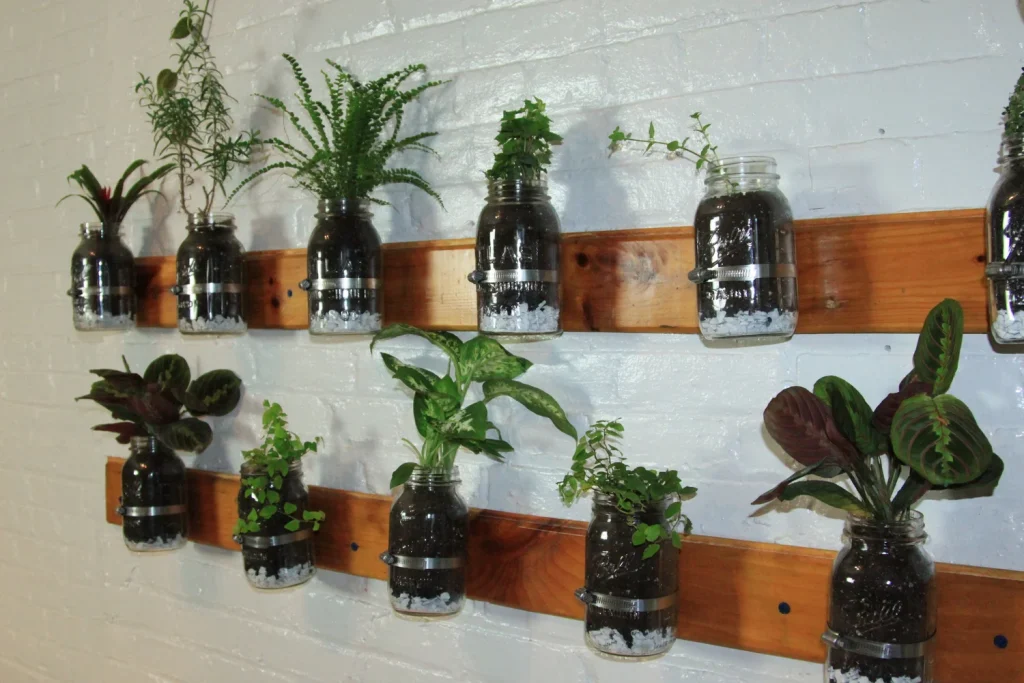
Choose containers that fit your window space. Small pots work well for herbs and succulents. Larger containers suit bigger plants like tomatoes or peppers. Ensure each container has drainage holes. This prevents water from sitting at the bottom. Use saucers under pots to catch excess water. Clay pots breathe better than plastic, helping roots get air.
Soil Mix Recommendations
Choose the right soil mix for your plants. A general potting mix works for most plants. It contains peat, vermiculite, and perlite. These ingredients help retain moisture and provide air. For herbs, add a bit of sand to the mix. This improves drainage, crucial for herb growth. For vegetables, enrich the soil with compost. Compost adds nutrients and improves plant health.

Credit: www.goodhousekeeping.com
Planting Techniques
Create an indoor window garden by choosing small pots or containers with proper drainage. Arrange them on a sunny windowsill. Add soil, plant seeds or seedlings, and water regularly. Watch your garden thrive with care and sunlight.
Planting Techniques Creating an indoor window garden is not just a delightful hobby but also a great way to bring nature into your home. Whether you’re growing herbs, flowers, or small vegetables, understanding the right planting techniques is crucial. Let’s explore some practical methods to get your indoor garden thriving.Seed Planting Methods
Starting plants from seeds can be incredibly satisfying. It allows you to witness every stage of a plant’s growth. Begin by selecting seeds that suit your indoor environment and light conditions. Use seed trays or small pots with drainage holes. Fill them with a quality potting mix, which helps retain moisture and provides nutrients. Make small indentations in the soil, plant seeds according to the depth instructions on the packet, and cover them lightly with soil. Water gently to avoid displacing the seeds. A spray bottle can be ideal for this task. Ensure the seeds remain moist but not waterlogged. Place your seed trays in a warm spot near the window for optimal sunlight. Consider using a seed-starting heat mat if your home is cold. This can speed up germination and improve success rates.Transplanting Tips
Transplanting is an essential skill for indoor gardening. It involves moving seedlings from seed trays to larger pots as they grow. Knowing when and how to transplant can make a significant difference. Wait until seedlings have at least two sets of true leaves. This indicates they’re strong enough to handle the move. Choose pots that will allow the roots to expand and use fresh potting soil to give the plants a healthy start. Gently loosen the soil around the seedling to avoid damaging the delicate roots. Use a spoon or small trowel to lift them out carefully. Make a hole in the new pot’s soil, place the seedling in, and firm the soil around it. Water the transplanted seedling thoroughly to help it settle in its new environment. Keep the pot in a slightly shaded area for a few days to reduce transplant shock before returning it to a sunny window spot. What are your biggest challenges with indoor gardening? Share your thoughts below!Watering And Maintenance
Regular watering is key for thriving indoor window gardens. Ensure soil moisture without over-saturating to prevent root rot. Consistent maintenance, like pruning, keeps plants healthy and beautiful.
Creating an indoor window garden can be a delightful way to bring a touch of nature into your home. However, maintaining its vibrancy requires the right care and attention. Watering and maintenance are crucial to keep your plants healthy and flourishing. Knowing when and how to water, along with regular pruning, will ensure your indoor garden thrives. Let’s dive into the essentials that will keep your window garden lush and lively.Watering Schedule
Understanding your plants’ watering needs is key. Most indoor plants prefer soil that’s neither too dry nor too soggy. A good rule of thumb is to check the top inch of soil; if it’s dry, it’s time to water. Using a consistent schedule helps maintain plant health. Consider watering in the morning to allow the soil to dry during the day. If you’re like me and often forget, setting a reminder on your phone might be a game-changer. Different plants have varied needs. For instance, succulents require less frequent watering compared to herbs like basil. Pay attention to each plant’s specific requirements for the best results.Pruning And Care
Regular pruning keeps your plants neat and encourages new growth. Trim dead leaves and stems to prevent disease and promote healthy development. Don’t be afraid to snip a bit here and there. It may feel daunting at first, but your plants will thank you with lush new foliage. Consider this a little personal grooming for your green friends. Remember, plants are living organisms that respond to their environment. Notice how they react to changes in light or temperature, and adjust care as needed. Your observation skills will make all the difference in maintaining a thriving indoor garden. Engage with your plants, understand their needs, and enjoy the tranquility they bring into your space. After all, isn’t the joy of gardening partly about building a relationship with nature?Enhancing Growth With Accessories
Building an indoor window garden is a delightful way to bring nature into your home. But simply placing pots on a windowsill may not always ensure thriving plants. Enhancing growth with the right accessories can make all the difference between a lackluster garden and a flourishing one. Using Grow LightsNatural sunlight is wonderful, but not all windows receive enough light for plants to thrive. This is where grow lights come in handy. They mimic sunlight and provide your plants with the light they need to photosynthesize and grow.
LED grow lights are a popular choice due to their energy efficiency and long lifespan. They are available in a variety of spectrums to suit different plant needs. You can hang them above your plants or use clip-on versions for smaller setups.
Consider investing in a timer for your grow lights. This ensures your plants receive consistent light each day, promoting healthy growth. Have you ever noticed how plants tend to lean towards the light source? With grow lights, you can maintain even growth by rotating your plants regularly.
Incorporating FertilizersJust like humans need nutrients, so do plants. Fertilizers provide essential nutrients that might not be present in the soil. They can give your indoor window garden the boost it needs to thrive.
Liquid fertilizers are easy to apply and quickly absorbed by plants. You can add them to your watering routine every few weeks. Be mindful of the type of plants you have; some require specific nutrient mixes.
Organic options like compost tea can also enrich your soil without chemicals. Have you ever tried making your own compost? It’s a sustainable option and can be a fun project. Remember, over-fertilizing can harm plants, so always follow the recommended guidelines.
With the right accessories, your indoor window garden can flourish beautifully. What will you add to your garden today?
Dealing With Pests And Diseases
Combat pests and diseases in your indoor window garden by ensuring proper air circulation and moisture control. Regularly inspect plants for signs of trouble, and use natural remedies when necessary to maintain plant health.
Dealing with pests and diseases is crucial for a thriving indoor window garden. Pests can damage plants, while diseases may lead to wilting or death. Keeping your plants healthy requires vigilance and timely intervention. This section guides you in identifying common pests and using natural remedies for diseases.Identifying Common Pests
Spotting pests early is key to protecting your garden. Common indoor garden pests include aphids, spider mites, and whiteflies. Aphids are small, green insects that cluster on leaves and stems. Spider mites are tiny and often leave webbing on plants. Whiteflies are small, white insects that fly around when disturbed. To identify these pests, examine the leaves closely. Look for signs like holes, sticky residue, or webbing. Regularly checking your plants helps in catching infestations early. If you find pests, act quickly to prevent damage.Natural Remedies For Diseases
Natural remedies can combat diseases without harmful chemicals. Baking soda is effective against powdery mildew. Mix one tablespoon with water and spray on affected leaves. Neem oil is useful for treating fungal infections. It disrupts the growth of fungi and is safe for plants. Garlic spray can ward off many diseases. Blend garlic cloves with water and strain. Spray this mixture on plants to boost their immunity. Regularly using these remedies keeps your plants healthy and disease-free.
Credit: www.familyhandyman.com
Seasonal Adjustments
Transform your windowsill into a vibrant indoor garden. Choose sun-loving plants like herbs and succulents for bright spaces. Adjust positioning for seasonal light changes to ensure healthy growth year-round.
Building an indoor window garden is a delightful way to bring nature into your home. However, like outdoor gardening, your indoor garden will require adjustments with the changing seasons to thrive. Understanding how to care for your plants throughout the year can make all the difference in their growth and vitality.Winter Care Tips
Winter can be challenging for your indoor garden due to reduced sunlight and lower temperatures. Consider moving your plants closer to the window to maximize light exposure. If natural light is insufficient, supplement it with grow lights to ensure your plants continue to photosynthesize effectively. Humidity levels tend to drop during winter, which can stress your plants. A simple way to combat this is by placing a small humidifier near your garden or setting a tray of water with pebbles under your pots. This added moisture can keep your plants from drying out. Watering needs also change in winter. Plants typically require less water, so it’s crucial to check the soil moisture before watering. Overwatering can lead to root rot, so it’s better to err on the side of caution.Summer Growth Strategies
Summer is a time of vigorous growth for many indoor plants due to increased sunlight. This is the perfect opportunity to fertilize your plants to support their development. Using a balanced, water-soluble fertilizer every few weeks can give your plants the nutrients they need. Pay attention to your plants’ watering needs, as they may require more frequent watering during the hotter months. Ensure the soil is well-drained and not waterlogged, as this can lead to problems despite the heat. Have you ever noticed your plants leaning toward the light? Rotating them every week can encourage even growth and prevent them from becoming lopsided. This small adjustment can make a significant difference in the overall health and appearance of your indoor garden. By tailoring your care strategies to the seasons, you can ensure that your indoor window garden not only survives but thrives all year round. How will you adjust your routine to meet the needs of your indoor oasis?
Credit: www.instagram.com
Frequently Asked Questions
What Plants Thrive In Window Gardens?
Plants like herbs, succulents, and small flowers thrive in window gardens. They require minimal space and sunlight to grow. Consider options such as basil, mint, or aloe vera, which are both decorative and useful. Ensure your window garden receives adequate light and water for optimal growth.
How To Choose The Right Window?
Choose a window with ample sunlight for your garden. South-facing windows typically receive the most light throughout the day. Assess the window’s exposure and consider the needs of your chosen plants. Avoid windows with drafts or extreme temperatures to ensure plant health.
What Containers Are Best For Window Gardens?
Choose containers with good drainage for window gardens. Terracotta pots are popular due to their breathability and classic look. Ensure the containers fit on your window sill and match your decor. Consider self-watering pots for convenience and to maintain consistent soil moisture.
How Often To Water Window Garden Plants?
Water window garden plants when the soil feels dry. Frequency depends on plant type and indoor climate. Generally, most indoor plants need watering once a week. Ensure pots have drainage holes to prevent overwatering, which can lead to root rot and other issues.
Conclusion
Creating an indoor window garden is simple and rewarding. It brightens your space and improves air quality. Choose the right plants for your light conditions. Use quality soil and proper containers for best results. Remember to water and care for your plants regularly.
Enjoy watching them grow and flourish. This hobby brings nature closer to you. It also offers a calming effect to your home. With patience and care, your indoor garden will thrive. Dive into this green journey. Your window garden will thank you with beauty and freshness.