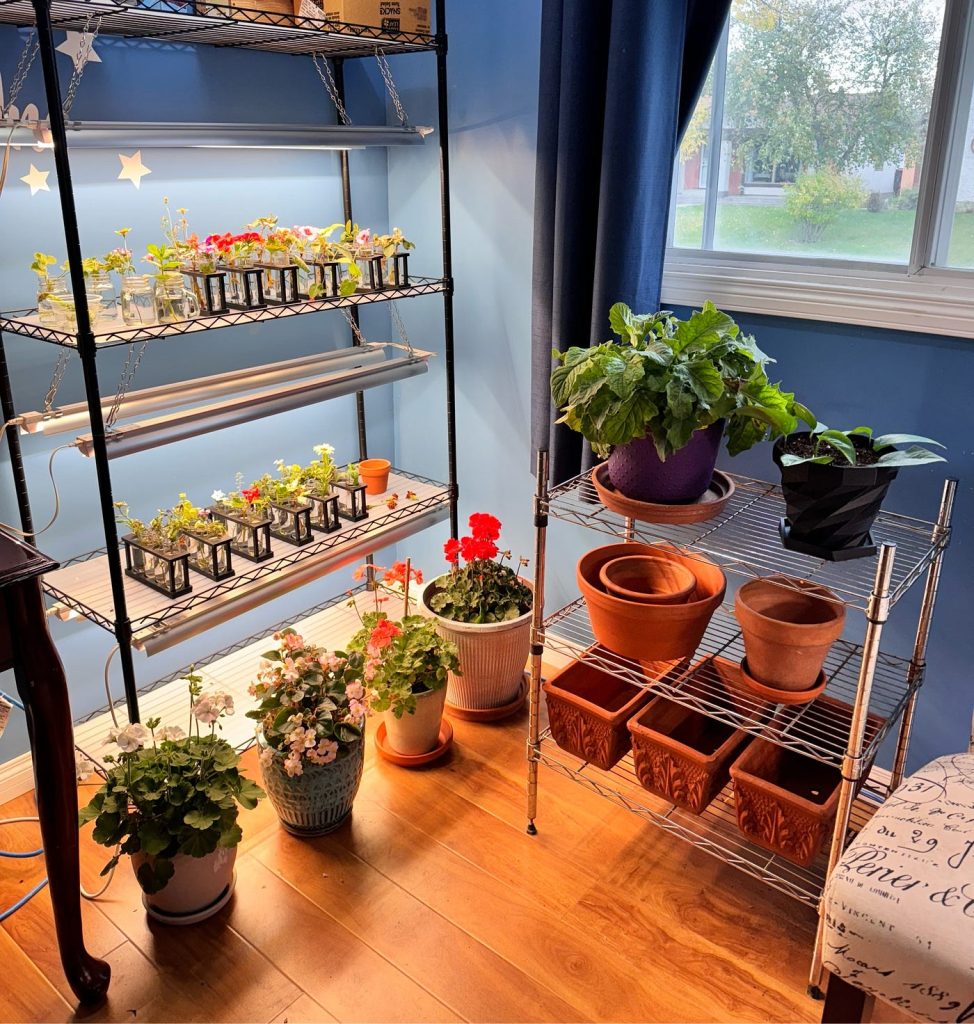
Imagine stepping into your home and being greeted by a lush, green oasis. A space where vibrant plants thrive, offering a sense of calm and happiness.
Creating an indoor garden grow room isn’t just a hobby; it’s a chance to transform your living space into a sanctuary. You might wonder how to start or what you’ll need. Don’t worry. This guide is designed to help you every step of the way.
You’ll discover simple tips and tools to make your indoor garden a success. Whether you’re aiming for a few herbs or a mini jungle, you’ll find everything you need right here. Dive in, and let’s unlock the secrets to building your perfect indoor garden grow room. You won’t want to miss a single detail!
Credit: www.gardenbuildingsdirect.co.uk
Selecting The Right Space
Choosing the ideal space ensures plants thrive in your indoor garden grow room. Consider light, temperature, and humidity levels. Aim for a location with ample natural light and controlled conditions.
Selecting the right space for your indoor garden grow room is a crucial step that can determine the success of your plants. The space you choose should not only accommodate your plants but also provide the optimal conditions for them to thrive. By carefully assessing your available area and understanding the best location choices, you can create an environment where your indoor garden can flourish.Assessing Available Area
Start by evaluating the space you have at your disposal. Measure the dimensions to understand the area you’re working with. Consider the height, width, and depth, keeping in mind the growth potential of your plants. Think about the current use of the space. Is it a spare room, a corner of your basement, or an unused closet? Each has its advantages and challenges. A spare room offers space, while a closet might need more ventilation efforts. Make sure the area is clean and free from clutter. A tidy space not only helps in organizing your gardening tools but also ensures that your plants have a healthy environment to grow.Optimal Location Choices
Selecting an optimal location is key to a thriving indoor garden. Ideally, choose a space that has access to natural light. However, if that’s not possible, plan to use grow lights to mimic the sun’s rays. Consider the temperature and humidity of the space. Basements might be cooler and more humid, while attics can get too warm. Use tools like thermometers and hygrometers to monitor conditions. Accessibility is another important factor. You’ll need to water and care for your plants regularly, so choose a location where you can easily tend to them. Is the space close to a water source or an electrical outlet? Convenience can make a big difference in maintaining your indoor garden. Choosing the right space can feel overwhelming, but with careful planning and consideration, you can find the perfect spot for your indoor garden grow room. What space can you transform into a haven for your plants?Essential Equipment
Creating an indoor garden grow room requires essential equipment like grow lights, fans, and temperature controls. Proper lighting ensures plants thrive, while fans maintain airflow. Temperature controls help create an ideal environment for growth.
Creating an indoor garden grow room can be an exciting project, bringing the joys of gardening indoors all year round. However, the right equipment is crucial to ensure your plants thrive. Here’s a breakdown of the essential equipment you’ll need to consider.Grow Lights Selection
Choosing the right grow lights is critical for your indoor garden’s success. LED lights are energy-efficient and provide a full spectrum of light, perfect for various plant types. Consider the size of your grow room and the types of plants you’re cultivating when selecting your lights. Placement matters too. Ensure the lights are at the correct distance from the plants to avoid burning them. Adjustable light fixtures can be a good investment, allowing you to modify the height as your plants grow.Ventilation Systems
Proper ventilation keeps your plants healthy by regulating air circulation. A good ventilation system prevents mold and pests by keeping humidity in check. It also supplies fresh carbon dioxide, which is essential for photosynthesis. Installing oscillating fans can help distribute air evenly throughout your grow room. If you notice stagnant air or condensation on leaves, it’s a sign that you may need to enhance your ventilation setup.Temperature And Humidity Control
Maintaining the right temperature and humidity is crucial for optimal plant growth. Most plants thrive in temperatures between 65-75°F (18-24°C). A digital thermostat can help you monitor and adjust the temperature easily. Humidity levels should generally be around 40-60%. Using a humidifier or dehumidifier can help you maintain these levels. Have you ever noticed your plants looking droopy? It could be an indicator that the humidity or temperature is off. Investing in a hygrometer-thermometer combo can offer you precise readings, ensuring you’re always in control. Remember, the right environment can make all the difference between a flourishing indoor garden and a struggling one.Choosing The Right Plants
Selecting the right plants is crucial for a thriving indoor garden grow room. Consider light and space requirements, as well as plant types that suit indoor conditions.
Choosing the right plants is crucial for a successful indoor garden grow room. Not all plants thrive indoors. It’s important to select varieties suited for limited light and space. Some plants require specific conditions to flourish. Understanding these needs ensures a thriving garden.Best Plants For Indoor Growing
Indoor gardening offers a variety of plant options. Herbs like basil, mint, and thyme grow well indoors. They require minimal space and light. Leafy greens like spinach and lettuce are ideal. They grow quickly and are easy to maintain. Succulents and cacti are perfect for those with less time. They need less frequent watering. Orchids and peace lilies add beauty and require moderate care. Choose plants based on your available space and light conditions.Understanding Plant Needs
Each plant has unique needs. Light is a primary factor. Some plants need bright light, while others thrive in low light. Water requirements differ too. Overwatering is a common mistake. Ensure pots have drainage holes to prevent root rot. Temperature and humidity are important. Most indoor plants prefer warmer conditions. Use a humidifier to maintain proper humidity levels. Nutrients are vital. Use quality potting soil and fertilizers for healthy growth. Understanding these needs helps your plants thrive indoors.
Credit: www.reddit.com
Setting Up The Grow Room
Creating an indoor garden grow room involves selecting the right space and ensuring proper lighting and ventilation. It’s important to choose suitable plants and maintain optimal temperature and humidity for healthy growth. With careful planning, you can enjoy a flourishing indoor garden year-round.
Creating a grow room for your indoor garden can be an exciting project that brings a bit of nature into your home. It allows you to cultivate plants regardless of the season outside. Setting up the grow room correctly is crucial to ensure your plants thrive. Let’s dive into the essentials of setting up your grow room for optimal results.Layout Design
Begin by selecting the right space. A spare room, basement, or even a large closet can serve as your grow room. Ensure there’s enough space for plants to grow and for you to move around comfortably. Think about the arrangement of your plants. Group similar plants together to make watering and maintenance easier. Consider using vertical space with shelves or hanging pots if floor space is limited. Map out where equipment like fans and humidifiers will go. Proper spacing will prevent overcrowding and ensure good air circulation.Installing Equipment
Equip your grow room with the essentials. Fans are vital for air circulation to prevent mold and pests. Choose adjustable fans to direct airflow as needed. A dehumidifier or humidifier can help maintain the right humidity levels. This is especially important if you’re growing plants that are sensitive to moisture changes. Don’t forget about temperature control. A small heater or air conditioner can help maintain consistent temperatures, which is crucial for plant health.Ensuring Proper Lighting
Lighting is the lifeline of your indoor garden. LED grow lights are popular for their energy efficiency and effectiveness. Position lights to cover the entire growing area without leaving dark spots. Consider the light spectrum your plants need. Different plants require different wavelengths, so choose lights that cater to your specific plant’s needs. Adjust the height of your lights as your plants grow. Keeping them too close can scorch the plants, while too far may hinder growth. Regularly check and adjust based on plant height and growth stage. Setting up your grow room might seem daunting, but it’s a rewarding process that pays off with a thriving indoor garden. What challenges have you faced in creating your perfect grow room? Your insights could be helpful to others embarking on this green journey.Soil And Nutrients
Creating a healthy indoor garden requires good soil and nutrients. Choose quality potting mix to support plant growth. Incorporate organic fertilizers to enrich the soil, ensuring plants receive essential nutrients.
Creating an indoor garden grow room can be an exciting endeavor, allowing you to cultivate a variety of plants right within your home. A crucial aspect of successful indoor gardening is understanding soil and nutrients. These elements form the foundation for healthy plant growth, directly influencing the yield and quality of your indoor garden.Choosing The Right Soil
Selecting the appropriate soil is the first step in setting up your indoor garden. Not all soils are created equal, and using the wrong type can hinder plant growth. Look for a soil mix that provides good aeration and drainage. Consider using a potting mix specifically designed for indoor plants. These mixes typically include components like peat moss, vermiculite, and perlite, which help to retain moisture while ensuring excess water drains away. Have you ever noticed how some plants thrive while others struggle in the same environment? The secret often lies beneath the surface—in the soil you choose.Nutrient Management
Once you’ve selected the right soil, the next focus should be on nutrient management. Plants need a balanced supply of nutrients to grow strong and healthy. Using a high-quality, all-purpose fertilizer can provide the essential nutrients your plants need. Consider adding organic matter like compost to enrich the soil and enhance its nutrient content naturally. Regularly check your plants for signs of nutrient deficiencies, such as yellowing leaves or stunted growth. Adjust your feeding schedule based on these observations to ensure your plants get exactly what they need. Have you thought about how often you should feed your plants? The answer might surprise you—less is often more. Over-fertilizing can be just as harmful as not fertilizing at all. By paying close attention to your soil and nutrient choices, you’re setting the stage for a thriving indoor garden. Remember, the right soil and nutrients are your plants’ best friends. So, what will you do differently in your grow room to ensure your plants flourish?Watering Techniques
Proper watering techniques are vital in an indoor garden grow room. Ensure consistent moisture by using drip irrigation or self-watering pots. These methods help prevent overwatering and promote healthy plant growth.
Watering Techniques are crucial for a thriving indoor garden grow room. Plants need the right amount of water to flourish. Too much water can lead to root rot. Too little can cause plants to wilt. Finding the right balance is key for plant health.Hydration Methods
Different plants require different watering methods. For small pots, consider bottom watering. Place pots in a shallow tray with water. Let them soak for 10-15 minutes. This allows roots to absorb water directly. For larger pots, use a watering can with a narrow spout. Water directly at the base of the plant. Drip irrigation systems are also effective. They provide consistent moisture without overwatering.Watering Schedule
A regular watering schedule ensures healthy plant growth. Check soil moisture before watering. Insert your finger into the soil up to the first knuckle. If the soil feels dry, it’s time to water. Most indoor plants need watering once a week. But this can vary based on plant type and room conditions. Hotter rooms may need more frequent watering. Always adjust based on your plant’s needs. Keep a watering diary to track your schedule. It helps prevent over or under-watering.Pest And Disease Control
Create a healthy indoor garden grow room by managing pests and diseases effectively. Regularly inspect plants for signs of trouble. Use natural remedies and ensure proper ventilation for a thriving garden space.
Pest and disease control is a critical aspect of maintaining a thriving indoor garden grow room. While plants are often less susceptible to pests indoors, they aren’t completely immune. A small infestation can quickly become a major problem if not addressed. To ensure your plants stay healthy, understanding how to identify and prevent pests is essential.Identifying Common Pests
Identifying pests can be tricky, especially when they’re sneaky about their presence. Start by closely inspecting leaves and stems for tiny bugs, webs, or holes. Look out for common culprits like aphids, spider mites, and whiteflies. Each pest leaves distinct marks, like yellowing leaves or sticky residue. It’s vital to act fast once you spot them. Visual cues can guide you, but sometimes you need a magnifying glass for the smaller pests. Keep a journal of observations to track any unusual changes. Have you ever wondered why a plant seems to wilt overnight? It might be a pest problem. Documenting these can help you spot trends and take action promptly.Preventative Measures
Prevention is your best defense against pests. Regular cleaning and maintenance can deter them from settling in. Consider using natural insect repellents, like neem oil or diatomaceous earth, which are safe for your plants and the environment. Creating a barrier is another effective strategy. Use mesh screens to keep pests out while allowing airflow. Additionally, quarantine any new plants before introducing them to your grow room. This reduces the risk of bringing in new pests that could threaten your established plants. Rotate crops regularly to disrupt pest breeding cycles. This simple practice can significantly reduce pest populations. Are you willing to try these measures to safeguard your indoor garden? By taking proactive steps, you can enjoy a lush, pest-free grow room.
Credit: food52.com
Monitoring Growth
Creating an indoor garden grow room is an exciting journey. It’s essential to monitor plant growth closely to ensure a healthy and thriving environment. Monitoring growth involves tracking plant health and adjusting conditions when necessary. This ensures plants receive the optimal care they need.
Tracking Plant Health
Regularly check the leaves and stems for any signs of distress. Yellowing leaves might indicate nutrient deficiencies. Brown edges could mean your plants need more humidity. Keep an eye out for pests or diseases. These can spread quickly in an indoor setting. Use a magnifying glass to inspect smaller plants. This helps detect issues early.
- Observe color changes
- Inspect for pests
- Check growth patterns
Adjusting Conditions
Adjust light levels to suit your plants’ needs. Some plants thrive in low light, while others need bright light. Use grow lights to mimic natural sunlight. Control the temperature and humidity to create a comfortable environment. Ensure good airflow to prevent mold and mildew. Regularly update your system for optimal results.
- Set the right temperature
- Manage humidity levels
- Ensure proper lighting
Harvesting Tips
Harvesting is one of the most rewarding aspects of maintaining an indoor garden grow room. Knowing when and how to harvest can make the difference between a bountiful yield and a lackluster crop. This section will provide you with practical tips to ensure your harvest is timely and properly cared for, maximizing your efforts.
Timing The Harvest
Timing is crucial for a successful harvest. Observe your plants closely, noting the specific signs that indicate readiness. For instance, look for color changes in fruits or vegetables, and check the texture of leaves or flowers.
Consider keeping a journal to track these changes. This personal record can be invaluable for future harvests, helping you refine your timing and techniques.
Ask yourself: Are your plants showing consistent signs of maturity? This insight will guide you in determining the ideal harvest moment.
Post-harvest Care
Post-harvest care is just as vital as the harvest itself. Ensure you gently handle your crops to prevent bruising or damage. Proper storage conditions, like temperature and humidity, can significantly affect the quality of your yield.
Think about creating a checklist for your post-harvest routine. This can include steps like washing, drying, and storing. Each step should be tailored to the specific needs of your plants.
What methods do you use to prolong the freshness of your harvest? Sharing tips with other gardening enthusiasts can lead to unexpected insights and improvements.
Troubleshooting Common Issues
Troubleshooting common issues in building an indoor garden grow room involves managing lighting, temperature, and humidity. Ensure proper ventilation to prevent mold and pests. Regularly check equipment for malfunctions to maintain a healthy environment.
Building an indoor garden grow room can be rewarding. But common issues can pop up. Knowing how to troubleshoot them is key. Problems like slow growth or unhealthy plants can occur. Learning to address these issues ensures your garden thrives.Addressing Growth Problems
Plants need the right environment to grow. Sometimes they don’t get it. Check light sources first. Are they too dim or too bright? Adjust as needed. Temperature matters too. Keep it stable, not too hot or too cold. Humidity levels must be right. Use a hygrometer to measure it. Correct imbalances quickly. Soil quality plays a role. Is it too compact or lacks nutrients? Test and amend with compost if needed. Monitor water levels. Avoid overwatering or underwatering.Tips For Healthy Plants
Healthy plants need regular care. Prune them to remove dead leaves. This encourages new growth. Rotate plants often. This ensures even light exposure. Use fans for air circulation. Fresh air prevents mold and pests. Fertilize plants appropriately. Don’t overfeed or underfeed. Follow label instructions. Use organic options if possible. Check for pests regularly. Remove them with natural remedies. Neem oil is effective. Keep tools clean. This prevents disease spread. Trim roots when necessary. This promotes better nutrient uptake.Frequently Asked Questions
What Is An Indoor Garden Grow Room?
An indoor garden grow room is a controlled environment where plants thrive. It utilizes artificial lighting, ventilation, and temperature control. This setup allows year-round cultivation of various plants. Grow rooms maximize space efficiently, providing optimal conditions for plant growth. They are ideal for urban gardening enthusiasts.
How To Start An Indoor Grow Room?
Starting an indoor grow room requires planning and equipment. First, choose a suitable location with enough space. Then, install proper lighting, ventilation, and temperature control systems. Select plants that fit your space and climate. Regular monitoring and maintenance ensure healthy plant growth and yield.
What Lighting Is Best For Grow Rooms?
LED and fluorescent lights are popular choices for grow rooms. They provide efficient energy use and optimal light spectrum. LED lights have long lifespans and low heat output. Fluorescent lights offer versatility and affordability. Both options ensure healthy plant growth.
Choosing the right lighting depends on plant type and room size.
How To Control Temperature In Grow Rooms?
Temperature control is crucial for plant health in grow rooms. Use heaters or air conditioners to maintain optimal temperatures. Fans and ventilation systems help distribute air evenly. Monitoring devices ensure consistent conditions. Proper temperature control prevents stress and disease in plants.
Adjust settings based on plant species and growth stage.
Conclusion
Creating an indoor garden grow room is a rewarding journey. It transforms unused spaces into lush green havens. Start with a clear plan and gather necessary supplies. Light, temperature, and humidity are key factors. Choose plants that thrive indoors and understand their needs.
Regular care ensures your plants flourish. Watch your indoor garden evolve over time. Enjoy fresh produce and a vibrant atmosphere. It’s not just gardening; it’s a fulfilling hobby. Anyone can succeed with patience and consistency. Dive into this green adventure today.
Experience the joy of nurturing life indoors. Happy gardening!







