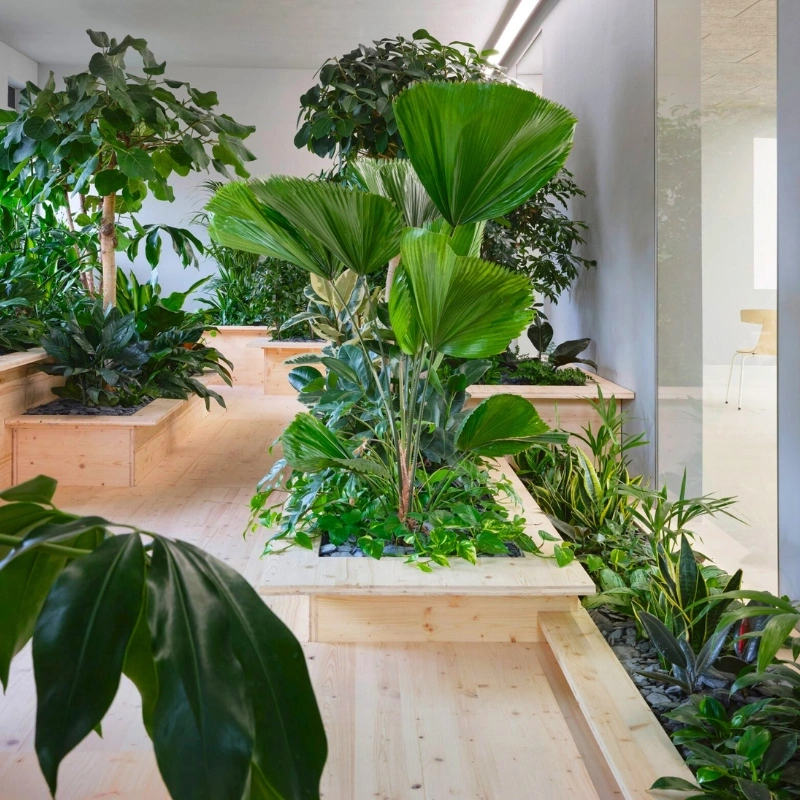
Imagine stepping into your home and being greeted by the lush, vibrant greenery of a tropical paradise. You can create this oasis right inside your living room, no matter where you live.
Building an indoor tropical garden is not just a hobby; it’s a gateway to tranquility and a boost to your well-being. Picture yourself unwinding after a long day, surrounded by the soothing presence of nature. The vibrant colors and exotic plants can lift your mood and transform your space into a personal retreat.
In this guide, you’ll discover simple steps to bring the tropics indoors. You’ll learn how to select the right plants, set up the perfect environment, and maintain your garden with ease. By the end, you’ll be ready to cultivate your own slice of paradise, making every day feel like a tropical getaway. Ready to get started? Let’s dive in!
Choosing The Right Space
Selecting a spot with ample natural light is crucial for an indoor tropical garden. Ensure consistent temperatures and humidity levels to mimic a tropical environment. Keep the space free from drafts for optimal plant growth.
Choosing the right space for your indoor tropical garden is crucial. The space needs to mimic a tropical environment. This means understanding the light and humidity needs of tropical plants. Selecting the right area ensures your plants thrive and stay healthy.Evaluating Light Conditions
Light is a key factor in plant growth. Tropical plants often require bright, indirect sunlight. Avoid direct sunlight; it can scorch leaves. Consider windows that offer filtered light. Rooms with south or east-facing windows are ideal. You can also use grow lights if natural light is limited.Assessing Humidity Levels
Humidity is vital for tropical plants. They flourish in high humidity environments. Bathrooms or kitchens may offer naturally higher humidity. If these aren’t options, use a humidifier. Maintain humidity levels around 50% to 60%. Grouping plants together can also boost humidity. Regular misting helps keep leaves hydrated.
Credit: www.architecturaldigest.com
Selecting Tropical Plants
Select vibrant tropical plants like ferns and orchids for your indoor garden. Ensure they have adequate humidity and light. These plants thrive in warm environments, adding lush beauty to your space.
Creating an indoor tropical garden is a rewarding experience. The lush greenery and vibrant colors can transform any space. Selecting the right tropical plants is crucial. It ensures your garden thrives and adds beauty to your home.Best Plants For Indoor Gardens
Certain plants adapt well indoors. They require less sunlight and are easy to care for. Consider these popular choices:- Monstera Deliciosa: Known for its large, split leaves. This plant adds a tropical feel.
- Philodendron: Available in many varieties. It has heart-shaped leaves and grows well indoors.
- Peace Lily: Features elegant white blooms. It purifies the air and thrives in low light.
- Bird of Paradise: Offers striking orange flowers. Needs bright, indirect light to bloom.
- ZZ Plant: Hardy and drought-tolerant. Perfect for beginners.
Compatibility With Indoor Environment
Not all tropical plants suit every home. Consider the environment before choosing plants. – Light Levels: Most tropical plants need indirect light. Avoid direct sunlight to prevent leaf burn. – Humidity: Tropical plants enjoy humidity. Use a humidifier or mist leaves regularly. – Temperature: Keep the environment warm. Avoid placing plants near cold drafts. – Space: Some plants, like Monsteras, grow large. Ensure you have enough room. Understanding plant needs helps them thrive. Choose plants that fit your home’s conditions.Soil And Potting Essentials
Creating an indoor tropical garden begins with selecting the right soil and potting essentials. Opt for well-draining potting mix to support healthy root growth. Incorporate elements like coconut coir or perlite for moisture retention and aeration.
Creating an indoor tropical garden brings nature into your home. The right soil and pots are crucial for healthy plants. Understanding these essentials helps your garden thrive.Optimal Soil Mix
A good soil mix provides nutrients and drainage. Tropical plants like slightly acidic soil. Use a mix of peat moss, perlite, and vermiculite. Peat moss retains moisture, keeping roots hydrated. Perlite improves aeration, preventing root rot. Vermiculite adds minerals for plant growth. This combination mimics a tropical environment.Choosing The Right Pots
Select pots with drainage holes. These prevent water from sitting at the bottom. Clay pots are breathable, allowing air to reach roots. Plastic pots are lightweight and retain moisture. Choose pots that fit your plant’s size. A pot too big holds excess water. A small pot restricts root growth. Consider the plant’s growth rate when selecting pot size. The right pot ensures a stable, healthy environment.Watering And Maintenance
Indoor tropical gardens need regular watering to mimic their natural environment. Ensure consistent moisture without overwatering to prevent root rot. Proper maintenance includes checking humidity levels and trimming dead leaves for healthy growth.
Creating an indoor tropical garden is like bringing a slice of paradise into your home. However, to keep your lush oasis thriving, understanding the nuances of watering and maintenance is essential. With the right techniques, your tropical haven will flourish, offering vibrant greenery and a breath of fresh air in your living space.Proper Watering Techniques
Watering is crucial for any garden, but tropical plants have specific needs. Consistent moisture is key, yet overwatering can be just as damaging as neglect. Aim to keep the soil evenly moist but not soggy. Consider using a spray bottle to mist the leaves, emulating the humid environment these plants love. This not only hydrates the leaves but also prevents them from becoming dusty. A simple touch test can help you determine when your plant needs watering. Insert your finger into the soil about an inch deep. If it feels dry, it’s time to water. This ensures you’re meeting your plant’s needs without guessing.Regular Care And Pruning
Regular maintenance is essential to keep your tropical garden in top shape. Pruning promotes healthy growth and keeps plants looking tidy. Trim away any dead or yellowing leaves. This allows the plant to direct energy towards new growth. Plus, it helps prevent diseases from spreading. Inspect your plants weekly for signs of pests or diseases. Early detection is crucial for effective treatment. Ask yourself: Are your plants getting enough light? Are they too close to a drafty window? Regularly reassessing their environment can make all the difference in their health. Incorporate these care routines into your schedule. They don’t take much time but ensure your indoor tropical garden remains a vibrant focal point in your home.Lighting Solutions
Brighten your indoor tropical garden with efficient lighting solutions. Choose grow lights that mimic natural sunlight. Ensure proper positioning for vibrant plant growth.
Building an indoor tropical garden is a delightful way to bring a slice of paradise into your home. One of the most crucial elements in maintaining such a garden is understanding the lighting solutions that best mimic the warm, bright conditions of the tropics. The right lighting ensures your plants thrive, flaunting their vibrant colors and lush foliage. Let’s dive into the details that will illuminate your path to a flourishing indoor tropical oasis.Natural Vs. Artificial Light
Natural light, streaming through windows, gives your tropical plants the full spectrum they crave. It’s the closest thing to the sun’s rays, providing the energy plants need for photosynthesis. However, depending on your home’s layout, relying solely on natural light might be challenging. Not all rooms have the right exposure or enough windows. Artificial light steps in as a reliable alternative. It allows you to control the intensity and duration of light, ensuring your plants get exactly what they need. LED lights, for instance, are energy-efficient and customizable. They can mimic different stages of daylight, giving your plants the perfect conditions to grow even in rooms with minimal natural light.Setting Up Grow Lights
Choosing the right grow lights is pivotal for your indoor tropical garden. Consider LED grow lights for their versatility and energy efficiency. They offer a full spectrum of light, beneficial for various growth stages. Positioning is key. Arrange grow lights to cover all plants evenly. This prevents shading and ensures each plant receives adequate light. Aim for a height that balances coverage and intensity—usually around 12 to 18 inches above the plants. Timer settings can automate your light schedule, simulating day and night cycles. Aim for about 12-16 hours of light daily, adjusting based on your plants’ needs. Your tropical garden will thank you with flourishing growth. Are you ready to light up your indoor paradise?
Credit: www.youtube.com
Humidity Control
Managing humidity is crucial for an indoor tropical garden. Tropical plants thrive in moisture-rich environments. Ensure consistent humidity levels to keep plants healthy and vibrant.
Maintaining the right humidity levels is crucial when building an indoor tropical garden. Tropical plants thrive in humid environments, often requiring more moisture in the air than what is naturally present in most homes. Without proper humidity control, your plants may suffer, showing signs of wilting or brown edges on leaves. But don’t worry—achieving the perfect humidity is entirely doable with some smart strategies.Using Humidifiers
A humidifier is one of the most effective tools for increasing humidity levels in your indoor garden. Choose a model that suits the size of your space. For smaller setups, a tabletop humidifier might suffice, while larger gardens may need a more robust, floor-standing unit. Position the humidifier near your plants, ensuring even distribution of moisture. Run it during the day when plants are actively photosynthesizing, as this is when they need the most humidity. Remember to clean the humidifier regularly to prevent mold and bacteria buildup, which could harm your plants.Creating Microclimates
Creating microclimates involves mimicking the natural humid conditions of a tropical environment. Grouping plants together is a simple way to boost humidity naturally. As plants release moisture through transpiration, the air around them becomes more humid. Consider placing humidity-loving plants like ferns and orchids next to each other to amplify this effect. Another method is to use pebble trays filled with water under your plants. As the water evaporates, it increases the humidity around the plants. Just make sure the pots are not sitting directly in the water to prevent root rot. Have you tried misting your plants? While not a substitute for a humidifier, misting can provide a quick humidity boost. Use a spray bottle to lightly mist the leaves, but avoid overdoing it as too much moisture can lead to fungal issues. By taking these steps, you’re not only creating a lush, thriving indoor garden but also crafting a serene, tropical oasis within your home.Pest Management
Creating an indoor tropical garden requires effective pest management. Regular monitoring keeps plants healthy and thriving. Use natural remedies to control unwanted pests and maintain a balanced ecosystem.
Managing pests is crucial in keeping your indoor tropical garden healthy. Pests can harm plants, spread diseases, and ruin the garden’s beauty. Effective pest management ensures vibrant plant growth and a beautiful garden. Let’s explore common pests and their solutions.Common Pests In Tropical Gardens
Indoor tropical gardens often attract specific pests. Common ones include spider mites, aphids, and scale insects. Spider mites create fine webs and yellow spots on leaves. Aphids are small, soft-bodied insects that cluster on new growth. Scale insects appear as small bumps on stems and leaves. These pests can weaken plants and stunt their growth.Natural And Chemical Solutions
Both natural and chemical options exist for pest control. Natural solutions are safe and environmentally friendly. Use neem oil to repel many pests without harming plants. A soap and water solution can remove aphids and other soft-bodied insects. Introduce beneficial insects like ladybugs to control pest populations naturally. Chemical solutions work faster but require caution. Insecticidal soaps and horticultural oils target specific pests effectively. Always follow instructions on chemical labels to avoid plant damage. Select a solution based on pest type and garden needs. Balance natural and chemical methods for optimal pest management.
Credit: www.instagram.com
Decorative Elements
Vibrant pots and unique plant stands can enhance your indoor tropical garden. Incorporate colorful pebbles for added charm. Use hanging baskets to create layers and depth.
Creating an indoor tropical garden is like bringing a slice of paradise into your home. While lush greenery and vibrant flowers are the stars, decorative elements play a vital role in enhancing the ambiance. They transform your garden from a simple plant collection into a serene escape. Let’s explore some ways to elevate your indoor tropical haven with thoughtful decorative touches.Incorporating Water Features
Adding water features can make your indoor garden feel like a tranquil oasis. Consider a small tabletop fountain or a miniature waterfall. The gentle sound of flowing water can be incredibly soothing, creating a peaceful environment. Water features also help maintain humidity levels, which is essential for tropical plants. Have you ever noticed how plants thrive near natural water sources? You can mimic that effect indoors. Choose a design that complements your garden’s aesthetic. Whether it’s a sleek modern fountain or a rustic stone waterfall, water features can be a striking focal point.Adding Decorative Stones
Decorative stones can add texture and interest to your indoor tropical garden. Use them to create pathways or borders around plant arrangements. They can also serve as a natural mulch, helping to retain moisture in the soil. Consider using stones of varying sizes and colors to create visual contrast. This can highlight specific plants and draw attention to different areas of your garden. Stones are also practical—they can prevent soil erosion and improve drainage. Have you thought about how stones can enhance both form and function in your garden? Experiment with different arrangements. Try placing stones around the base of plants or use them to create a zen-like rock garden. The possibilities are endless, and each choice adds a personal touch to your tropical paradise.Seasonal Considerations
Creating an indoor tropical garden requires understanding seasonal changes. Different seasons affect plant health and growth. Knowing how to adjust care ensures your garden thrives year-round. This section provides insights into seasonal considerations.
Adjusting Care For Seasonal Changes
Plants need varying levels of light and water in different seasons. During spring and summer, your tropical plants may need more water. Increased sunlight and warmth lead to faster growth. Check soil moisture frequently. Ensure plants don’t dry out.
Fall and winter bring shorter days. Reduce watering as growth slows down. Use artificial lights to supplement natural light. Position grow lights to mimic sunlight patterns. This helps maintain healthy growth.
Preparing For Winter Months
Winter can be challenging for tropical plants. Low temperatures and humidity levels affect plant health. Use humidifiers to maintain moisture levels. Keep indoor temperatures stable. Avoid placing plants near cold drafts.
Regularly check leaves for signs of stress. Yellowing or wilting may indicate cold damage. Adjust care routines to prevent further harm. Prune damaged leaves to encourage new growth. This keeps your garden vibrant even in cold weather.
Frequently Asked Questions
What Plants Thrive In Indoor Tropical Gardens?
Indoor tropical gardens flourish with plants like orchids, ferns, and bromeliads. These plants thrive in warm, humid conditions. Make sure to provide ample indirect sunlight and maintain high humidity levels for optimal growth.
How To Maintain Humidity In A Tropical Garden?
Use a humidifier to maintain humidity levels for tropical plants. Regular misting can also help increase moisture. Grouping plants together can naturally increase humidity. Ensure proper ventilation to prevent mold growth.
What Type Of Soil Is Best For Tropical Plants?
Tropical plants prefer well-draining soil rich in organic matter. A mix of peat moss, perlite, and orchid bark is ideal. This combination ensures proper aeration and moisture retention, preventing root rot.
How Often Should I Water Tropical Plants?
Water tropical plants when the topsoil feels dry to touch. Generally, once or twice a week is sufficient. Avoid overwatering, which can lead to root rot. Ensure pots have drainage holes to prevent water accumulation.
Conclusion
Creating an indoor tropical garden brings nature indoors. It brightens any living space. Lush greenery transforms the atmosphere. Careful planning is key. Choose plants that thrive indoors. Humidity and light are crucial. Regular watering keeps plants healthy. Tropical gardens need attention.
But the rewards are great. Enjoy vibrant colors and fresh air. Relaxing amidst your garden feels wonderful. It’s a personal paradise. A tropical touch to your home. Simple, yet calming. Dive into this green adventure. Start small, grow big. Embrace nature inside.
Your own indoor oasis awaits.







