Imagine stepping into a magical world right inside your home. Picture tiny plants, delicate decorations, and whimsical fairies creating a serene escape from your everyday life.
You’re about to discover the enchanting art of building an indoor fairy garden. This miniature paradise isn’t just a delightful addition to your decor; it’s a stress-buster, a creative outlet, and a conversation starter all rolled into one. You’ll learn how simple it is to create a beautiful fairy oasis, even if you don’t have a green thumb.
Dive into the details, and you’ll find that crafting your own enchanted realm is easier than you think. Ready to sprinkle some fairy dust on your space? Let’s get started!
Choosing The Right Container
Selecting the perfect container is crucial for an enchanting indoor fairy garden. Opt for shallow pots or trays to allow easy access and visibility. Consider materials like ceramic or wood for a whimsical touch.
Choosing the right container is crucial for your indoor fairy garden. It sets the stage for the entire scene. A well-chosen container enhances the charm of your miniature world. Let’s explore how to select the perfect one.Size And Shape Considerations
The size of your container determines your fairy garden’s scale. A larger container offers more room for creativity. You can add more plants and decorations. Small containers are great for limited spaces. They are easy to move and maintain. Shapes also play an important role. Round containers provide a natural look. Rectangular ones offer structured layouts. Consider the space you have available. Choose a shape that fits well in your home.Material Options
The material of your container affects the garden’s look and feel. Ceramic pots are classic and elegant. They retain moisture well for your plants. Plastic containers are lightweight and affordable. They come in many colors and styles. Wooden boxes add a rustic touch. They are perfect for earthy themes. Glass containers allow you to create terrariums. They let you showcase every detail inside. Choose a material that complements your home’s style. Ensure it meets your gardening needs.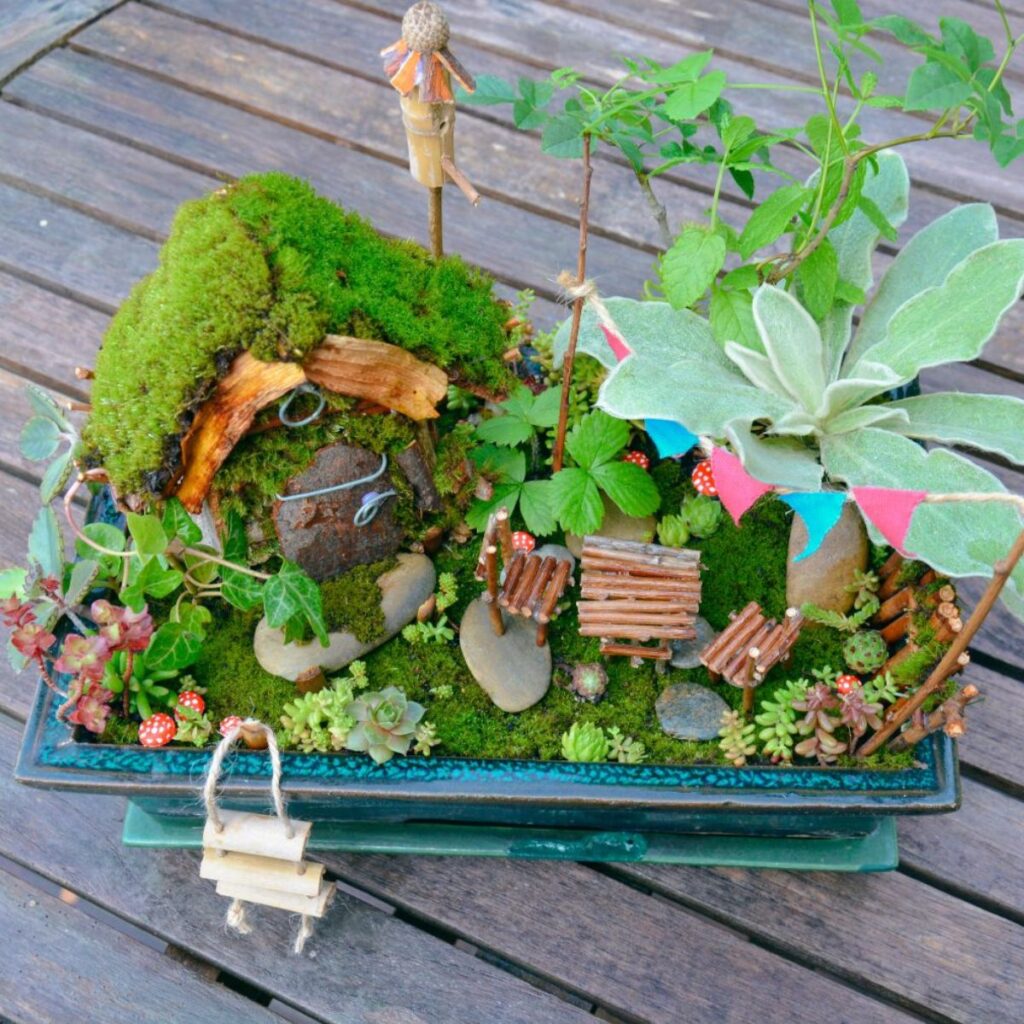
Credit: lodhigarden.com
Selecting Fairy Garden Plants
Creating an indoor fairy garden is like crafting a tiny, magical world right in your home. Selecting the right plants is crucial to bringing your fairy garden to life. The plants you choose need to be not only visually appealing but also suitable for indoor conditions. With a little planning, your fairy garden can thrive and enchant anyone who sees it.
Best Indoor Plant Choices
When picking plants for your fairy garden, opt for those that are small and easy to manage. Miniature fernsare excellent because they add a lush, green backdrop without overpowering the space. Succulentsare another great choice due to their low maintenance and variety of shapes and colors. Consider adding baby’s tearsfor their delicate, cascading greenery that mimics fairy-tale landscapes.
Have you ever thought about including herbs? Thymeand mintnot only fit the scale of a fairy garden but also add delightful scents. These plants can serve a dual purpose—enhancing your garden’s beauty while providing fresh ingredients for cooking.
Care And Maintenance Tips
Maintaining your fairy garden is all about balance. Too much water can drown your tiny plants, while too little can dry them out. Observe your plants closely; signs of distress often indicate watering issues. Use a spray bottle for gentle watering to avoid disturbing the delicate setup.
Light is another key factor. Most fairy garden plants thrive in indirect sunlight. Position your garden near a window where it can catch gentle rays throughout the day. If natural light is scarce, consider using a small grow light.
Fertilization should be minimal. A diluted liquid fertilizer every few months can give your plants the nutrients they need without overwhelming them. How do you keep pests at bay? Regularly check leaves for any unwanted visitors, and use natural remedies to keep your garden healthy.
Remember, your fairy garden is a living work of art. With thoughtful plant selection and attentive care, it will continue to enchant and inspire your imagination.
Creating A Magical Layout
Creating a magical layout for your indoor fairy garden adds charm and fantasy. It’s where imagination meets creativity. This section guides you to craft an enchanting space that transports you to a fairy tale world.
Design Inspiration
Look at nature for ideas. Consider forest landscapes and dreamy meadows. Use fairy tales for whimsical themes. A tiny bridge or a miniature castle can spark creativity. Picture a scene that evokes wonder and delight.
Layering Techniques
Use layers to create depth. Start with a base layer of soil or moss. Arrange pebbles to form paths. Add height with small plants or figurines. Use varied textures. Place larger objects at the back. Smaller items can be at the front. This creates a sense of perspective.
Adding Fairy Garden Accessories
Enhance your indoor fairy garden with charming accessories like tiny benches and colorful pebbles. Create magical scenes using miniature houses and delicate lights. Add whimsical touches with small figurines and vibrant plants to bring your fairy garden to life.
Adding fairy garden accessories can truly bring your magical landscape to life. These tiny details not only enhance the aesthetic appeal but also create a whimsical atmosphere that captures the imagination. From miniature furniture to delightful decorative elements, each accessory contributes to the enchanting narrative of your indoor fairy garden.Miniature Furniture Ideas
Consider adding a tiny bench or a quaint little table to your fairy garden. These pieces can be crafted from materials like twigs and leaves, or purchased from craft stores. A small hammock strung between two sticks can add a playful touch, inviting fairies to relax and enjoy their surroundings. If you’re feeling creative, try making a miniature swing or a tiny ladder leaning against a plant. These items suggest activity and life, as if fairies are busy with their day-to-day adventures. What furniture would you imagine a fairy needs in their whimsical abode?Decorative Elements
Decorative elements can transform a simple garden into a mystical haven. Small pebbles can form a charming path winding through the greenery. Consider adding tiny fairy lights to cast a magical glow over your garden in the evening. Think about incorporating natural elements like acorns, pinecones, or seashells. These items can serve as fairy homes or gathering spots, creating layers of interest. How will you use these elements to tell your fairy garden’s story? Remember, the beauty of a fairy garden lies in the little details. Each accessory you add enriches the enchanting world you are creating. With a bit of imagination, your indoor fairy garden can become a magical retreat that sparks joy and wonder every time you look at it.Crafting Diy Fairy Houses
Crafting enchanting DIY fairy houses can be a delightful indoor activity. Start by gathering small, natural materials like twigs and stones. Create a magical setting by arranging these items in a pot or tray. Add miniature plants and accessories to complete your indoor fairy garden.
Crafting DIY Fairy Houses Creating a magical indoor fairy garden starts with crafting enchanting fairy houses. These tiny dwellings serve as the centerpiece of your whimsical wonderland. They ignite imagination and bring your fairy garden to life. Building them can be a fun and creative project for all ages. Use simple materials to turn ordinary items into extraordinary fairy abodes. Below, you’ll find everything needed to start crafting your fairy houses.Materials Needed
- Small cardboard boxes or wooden blocks
- Natural materials like twigs, moss, and pebbles
- Craft glue or hot glue gun
- Acrylic paint and brushes
- Decorative items like buttons and beads
- Scissors
Step-by-step Instructions
- Choose the base: Use a small box or block as the house structure.
- Design the roof: Attach twigs or cardboard to form a roof.
- Decorate the exterior: Paint the walls with vibrant colors.
- Add windows and doors: Cut shapes from cardboard and glue them on.
- Embellish with nature: Glue moss and pebbles around the house.
- Personalize: Add beads or buttons for extra charm.
- Let dry: Ensure the glue sets before placing in your fairy garden.
Incorporating Lighting Effects
Incorporating lighting effects can transform your indoor fairy garden into a magical scene. Use small LED lights or string lights to highlight features. These lights create a cozy and enchanting atmosphere, enhancing the charm of your tiny garden.
Creating an indoor fairy garden is a magical experience that allows you to bring a touch of whimsy into your home. One of the most enchanting ways to enhance your fairy garden is by adding lighting effects. The right lighting can transform your miniature world, casting playful shadows and illuminating tiny details that might otherwise go unnoticed. As you explore ways to light up your fairy garden, consider how different lighting techniques can create mood and ambiance.Types Of Lighting
Different types of lighting can bring different effects to your fairy garden. LED string lights are popular for their flexibility and low heat output, allowing you to wrap them around miniature trees or structures without worry. Fairy lights are another excellent choice; their delicate glow can make your garden look like it’s sprinkled with stardust. Battery-operated tea lights can provide a warm, flickering effect, perfect for creating a cozy atmosphere. If you want a more vibrant look, consider using colored LED lights to add splashes of color to your scene. What kind of mood do you want to set in your fairy garden?Placement Tips
The placement of your lights can dramatically affect the overall look of your fairy garden. Tuck LED string lights behind shrubs or under bridges to create a soft, hidden glow that mimics moonlight. Placing tea lights near miniature ponds or fountains can reflect light and add depth to the water. Consider using fairy lights to frame the edges of your garden, drawing the eye inward to your whimsical creations. If your garden has a central feature, such as a fairy house, placing a light inside can make it the focal point of the scene. How can strategic lighting transform your fairy garden into an enchanting wonderland?Maintaining Your Fairy Garden
Creating an indoor fairy garden begins with selecting a shallow container. Gather miniature plants, tiny figurines, and decorative stones. Arrange them creatively to craft a magical landscape.
Maintaining your indoor fairy garden is an enchanting journey. It keeps your miniature world thriving and beautiful. Regular care ensures your fairy haven remains lush and inviting. Here’s how you can maintain this magical space with ease.Watering Guidelines
Water your fairy garden regularly. Indoor plants need consistent moisture. Use a spray bottle for gentle misting. Check the soil with your finger. If it feels dry, it’s time to water. Overwatering can harm your plants. Ensure the container has drainage holes. This prevents water from pooling.Pruning Techniques
Pruning keeps your fairy garden neat. Trim overgrown leaves and stems with small scissors. This encourages healthy growth. Remove any dead or yellowing leaves promptly. It helps plants focus on new growth. Shape plants to maintain the garden’s aesthetics. Regular pruning keeps your miniature world tidy.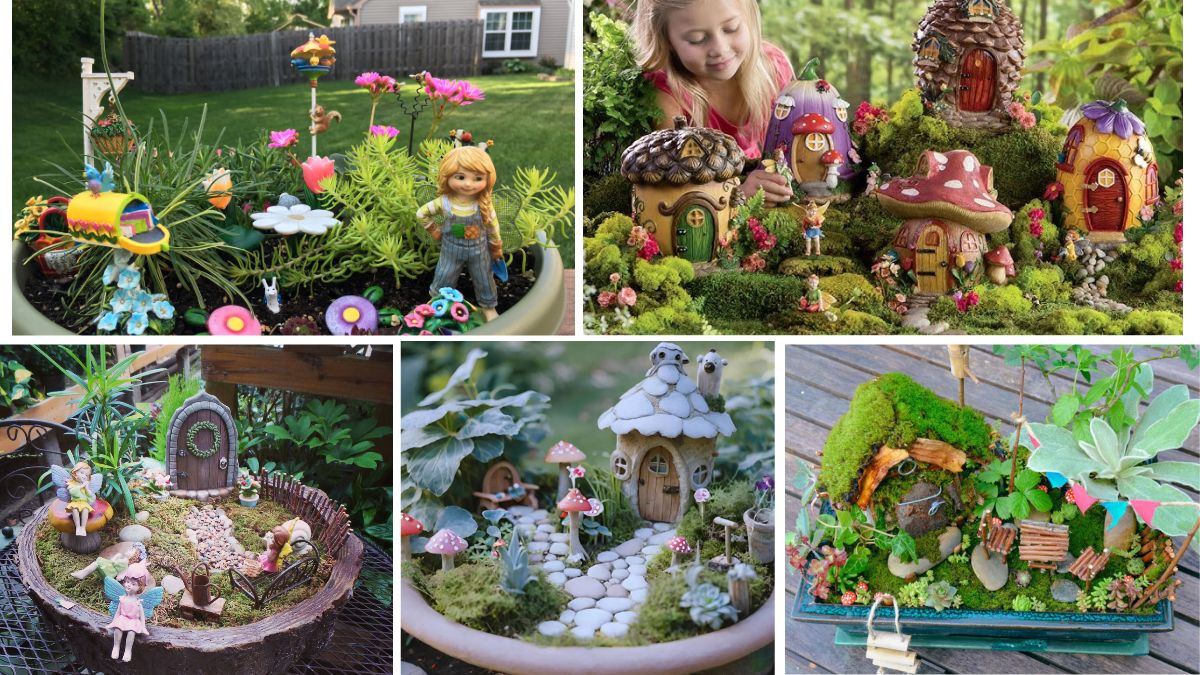
Credit: lodhigarden.com
Seasonal Fairy Garden Themes
Create a magical indoor fairy garden with seasonal themes. Incorporate tiny plants, miniature furniture, and whimsical figures to reflect each season’s charm. Capture the essence of spring, summer, fall, and winter in your enchanting indoor oasis.
Creating an indoor fairy garden is like opening a portal to a miniature realm of wonder within your home. One way to keep your fairy garden enchanting all year round is by embracing seasonal themes. By adapting your fairy garden to reflect the changing seasons, you can ensure it remains a source of joy and inspiration. Let’s explore some delightful ideas for seasonal fairy garden themes.Spring And Summer Ideas
Spring breathes life into your fairy garden with vibrant colors and blossoming flowers. Consider adding miniature daffodils, tulips, and pansies to create a lively scene. A tiny birdhouse or a small pond can attract fairy visitors. Summer is the perfect time to add elements like sunflowers and daisies. Incorporate tiny beach accessories like a miniature umbrella or a hammock. If you love the seaside, add small shells and sand to your garden for a coastal vibe. Have you ever thought of using your leftover Easter decorations in your fairy garden? A small basket or colorful eggs can add a festive touch.Autumn And Winter Concepts
Autumn’s rich colors offer a warm and cozy ambiance. Include miniature pumpkins and acorns to capture the essence of fall. A tiny scarecrow or a faux leaf pile can complete the look. Winter fairy gardens can be enchanting with snow-themed accessories. Use cotton or white felt to mimic snow. Add small pine trees and fairy lights for a magical glow. Ever tried crafting tiny snowmen or using a doll-sized sled? Such additions can create a whimsical winter wonderland. What seasonal theme would you love to see in your fairy garden? Your imagination is the only limit.
Credit: www.facebook.com
Frequently Asked Questions
What Materials Do I Need For A Fairy Garden?
To create an indoor fairy garden, you’ll need a container, potting soil, small plants, and decorative items like miniature figurines, stones, and moss. Ensure your container has drainage holes to prevent waterlogging. Choose plants that thrive indoors, such as succulents or ferns, to keep maintenance simple and effective.
How Do I Choose Plants For My Fairy Garden?
Select small, low-maintenance plants like succulents, ferns, or mosses. These plants thrive indoors and complement a fairy garden’s whimsical look. Consider light and humidity levels in your chosen location. Ensure the plants you select can coexist well in similar environmental conditions for optimal growth.
Can I Use Artificial Elements In My Fairy Garden?
Yes, you can use artificial elements like fairy figurines, miniature houses, and faux moss. These items enhance the magical feel of your garden. Artificial elements are durable and require less maintenance. They can add personal touches to your fairy garden without the need for extra care.
How Often Should I Water My Fairy Garden?
Water your indoor fairy garden once a week or when the soil feels dry. Over-watering can harm plants, so ensure proper drainage. Adjust watering frequency based on plant type and indoor humidity. Succulents need less water than ferns, so tailor care to your plant choices.
Conclusion
Creating an indoor fairy garden offers endless joy. Tiny plants and magical figures bring life to any space. Crafting these gardens lets your creativity shine. Start small and watch it grow. Little details make it enchanting. Share with friends and family.
Everyone loves a touch of magic. Fairy gardens are easy to maintain. Just a bit of care is needed. Perfect for rainy days or small apartments. Let your imagination soar. It’s a fun, rewarding hobby. Begin your fairy garden adventure today.
Embrace the magic and charm. Let your indoor garden be your happy place.