Imagine having a lush, vibrant garden right inside your home, where fresh herbs, crisp lettuce, and juicy tomatoes are just a few steps away. With an indoor drip hydroponic garden, this dream can become your reality.
You don’t need a sprawling backyard or even a green thumb to get started. This method allows you to grow plants without soil, using a nutrient-rich water solution to nourish your crops. As you read on, you’ll discover the simple steps to set up your own indoor oasis, ensuring you enjoy fresh produce year-round.
Dive into this guide and unlock the secrets to a thriving, low-maintenance garden that will impress your friends and delight your taste buds.
Drip Hydroponic Basics
Embarking on the journey of creating an indoor drip hydroponic garden can be both exciting and rewarding. Imagine growing your favorite herbs and vegetables right in your living room, without soil. Drip hydroponic systems offer a streamlined, efficient way to nurture plants by delivering nutrient-rich water directly to their roots. This method not only saves space but also maximizes plant growth and health. Ready to dig deeper into the basics of drip hydroponics?
Understanding Hydroponics
Hydroponics is a method of growing plants without soil, using mineral nutrient solutions in an aqueous solvent. This technique leverages water as the primary growing medium and provides plants with essential nutrients directly through their root system. The absence of soil means you have greater control over the environment, allowing for optimal growth conditions. Picture your plants thriving in a perfectly balanced ecosystem, where you manage light, water, and nutrients to create the ideal growth environment.
Hydroponics might seem complex at first, but understanding its foundational principles is key. Consider how water, light, and nutrients interact to sustain plant life. As you grasp these elements, you’ll start to appreciate the beauty and efficiency of this method. Have you ever wondered how astronauts grow fresh food in space? Hydroponics is their secret weapon!
Benefits Of Drip Systems
Drip systems are a popular choice for hydroponic gardening, especially indoors, due to their simplicity and effectiveness. These systems deliver water directly to each plant’s root zone, ensuring consistent moisture levels. This direct delivery reduces water waste and ensures that every drop counts, making it an eco-friendly option. Imagine the peace of mind knowing your plants receive the perfect amount of hydration daily!
Another advantage is the precision in nutrient delivery. You have the power to tailor the nutrient mix to suit the specific needs of each plant species. This customization leads to healthier, faster-growing plants. Think of drip systems as the personal nutritionist for your plants, ensuring they get exactly what they need to thrive.
Drip systems also excel in scalability. Whether you’re nurturing a small herb garden or a larger vegetable setup, these systems can be adapted to fit your space and ambition. The modular nature of drip systems allows you to expand your garden as your confidence grows. Ready to start your hydroponic adventure and reap the benefits of a drip system?
Planning Your Garden
Building an indoor drip hydroponic garden can be simple and rewarding. Begin by selecting a space with adequate light. Install a drip system to provide plants with a steady water and nutrient supply.
Planning Your Garden Building an indoor drip hydroponic garden starts with a solid plan. A well-thought-out plan ensures your plants thrive in their new environment. Consider the space, plant types, and resources. These elements play a key role in your garden’s success.Choosing The Right Space
Select a spot with enough room for your garden setup. Ensure good lighting, either natural or from grow lights. Check for easy access to water and electricity. The area should have proper ventilation to prevent mold and mildew. Think about the temperature, as some plants need specific conditions. Keep the space free from pests and dust.Selecting Plants For Hydroponics
Choose plants that grow well in hydroponic systems. Leafy greens like lettuce and spinach are great for beginners. Herbs such as basil and mint also thrive indoors. Research each plant’s specific needs. Understand their light, water, and nutrient requirements. Avoid plants that need deep soil or large spaces. Keep in mind the growth cycle and harvest time. This helps in planning your planting schedule effectively.Gathering Supplies
Collect essential materials for your indoor drip hydroponic garden. Choose the right pots, nutrient solutions, and a water pump. Ensure proper lighting to support plant growth indoors.
Gathering supplies is the foundation of building your indoor drip hydroponic garden. You’ll need to acquire essential equipment and choose the right nutrients and grow mediums. Each component plays a crucial role in ensuring your plants thrive, so it’s important to make informed choices.Essential Equipment
To start, you’ll need a few key pieces of equipment. A drip system is central to providing water and nutrients directly to your plants. You might consider a timer to automate watering, making it easier to maintain consistent care. A reservoir is necessary to hold the nutrient solution. Consider its size and material to ensure it suits your garden’s needs and space. Additionally, you’ll need drip emitters, which control the flow of water to each plant. Lighting is another critical element. LED grow lights are energy-efficient and provide the full spectrum of light your plants need. Reflect on your space and budget when selecting lights, as they come in various sizes and intensities.Nutrients And Grow Mediums
Selecting the right nutrients is vital for plant health. You can find nutrient solutions designed specifically for hydroponic systems. Look for balanced formulas that support growth and development. Grow mediums provide support and retain moisture for your plants. Options like coco coir, perlite, and rockwool are popular choices. Each has unique properties, so consider factors like water retention and aeration. Have you ever wondered how different grow mediums impact plant growth? Experimenting with various options can lead to unexpected results and insights. Think about what works best for your specific plant types and growing conditions. As you gather supplies, remember that each choice contributes to the success of your hydroponic garden. Equip yourself with the right tools and materials, and your indoor garden will flourish.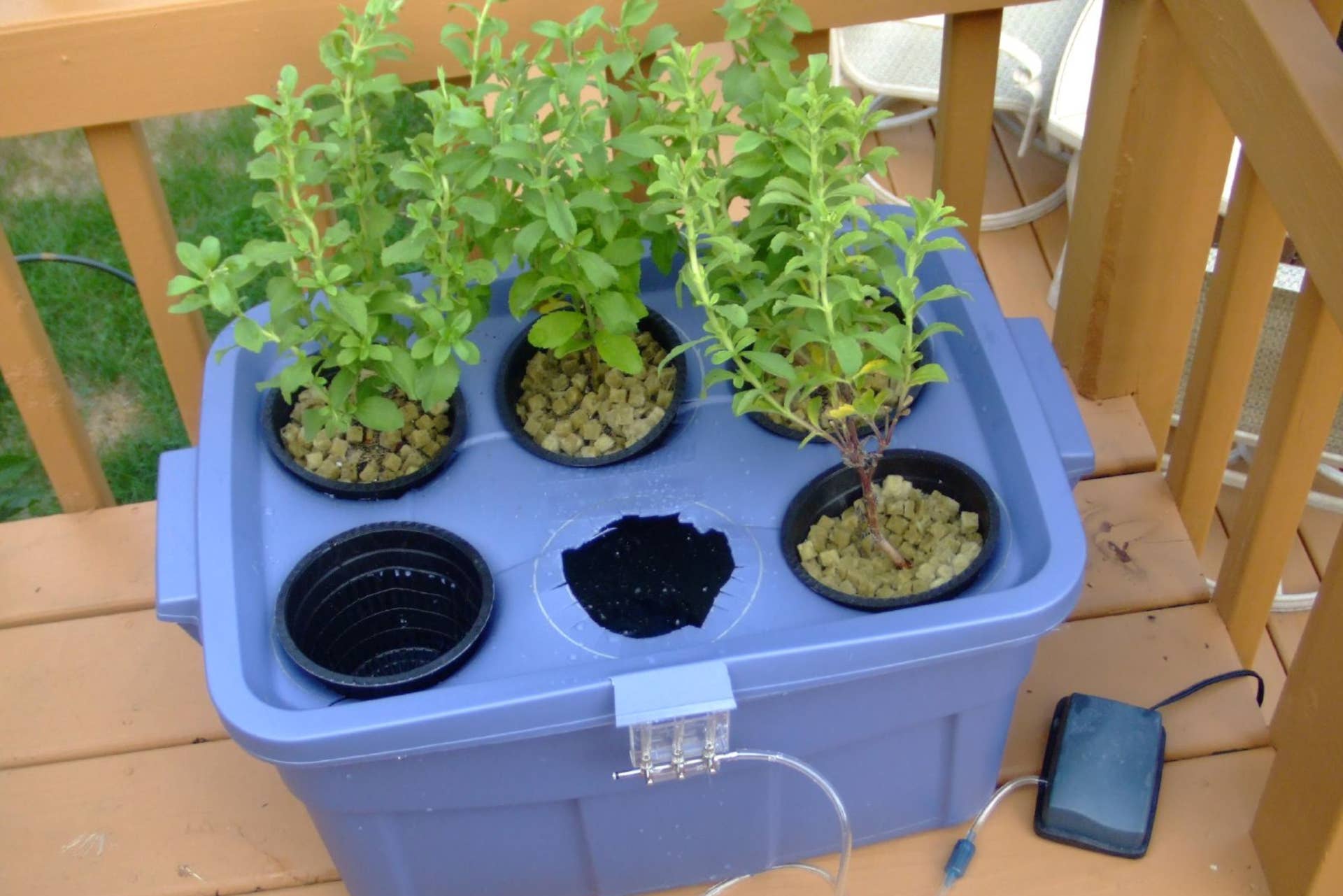
Credit: dengarden.com
Setting Up The System
Choose a suitable container for your indoor garden setup. Install a water pump to circulate nutrients efficiently. Position LED grow lights above plants to ensure proper growth.
Setting up your indoor drip hydroponic garden system can be an exciting endeavor. It’s where you transform your vision into a tangible setup, ready to nurture your plants. Every choice you make at this stage influences the overall success and efficiency of your garden. You’ll need to focus on building a robust framework and installing a reliable drip system. Let’s dive into how you can achieve this seamlessly.Building The Framework
Begin by selecting a suitable space in your home that receives ample light. Ensure the area is accessible for maintenance yet spacious enough to accommodate your plants. Next, construct a sturdy frame. Use materials like PVC pipes or wooden planks for a durable structure. This framework will support your plants and hold the water reservoir. Consider the height and width of your framework. It should allow plants to grow freely without overcrowding. This ensures optimal air circulation and light penetration.Installing The Drip System
With the framework in place, it’s time to install the drip system. Choose a high-quality pump that can efficiently circulate water throughout the system. Attach drip emitters to the main water line. Position these emitters near the base of each plant to provide consistent moisture. Use timers to automate watering schedules. This minimizes the risk of overwatering and ensures plants receive water at regular intervals. Test the system for leaks and ensure the water flow is steady. Adjust the emitters if needed to achieve uniform distribution. Does your drip system cater to the specific needs of your plants? Reflect on your choices and make adjustments if necessary, ensuring your garden thrives.Maintaining Your Garden
Creating an indoor drip hydroponic garden enhances plant growth using nutrient-rich water. Assemble a simple system with a water reservoir, pump, and tubing. Enjoy fresh herbs and vegetables all year round with minimal space and effort.
Maintaining your indoor drip hydroponic garden is vital for healthy plants. Consistent care ensures your plants thrive and yield great results. This section will guide you on keeping your garden in top condition.Monitoring Water And Nutrients
Regularly check the water level in your system. Use a measuring cup to add water as needed. Ensure the water covers the roots but doesn’t drown them. Nutrient concentration is crucial. Use a nutrient solution specific for hydroponics. Follow the instructions on the package for the right mix. Test the pH level of your solution weekly. Aim for a pH between 5.5 and 6.5. Adjust the pH using a pH up or pH down solution. Keep a log of your readings and adjustments. This helps track any changes over time.Troubleshooting Common Issues
Watch for yellowing leaves. This may indicate a nutrient deficiency. Adjust your nutrient solution accordingly. Check for any signs of pests. Use a magnifying glass to spot tiny insects. If found, treat with an organic pesticide. Ensure your pump is working correctly. Listen for any unusual noises. Clean the pump filters regularly to avoid blockages. If plants wilt, check for root rot. Remove any affected roots and improve drainage. Keep an eye on algae growth. Cover exposed water to prevent light from reaching it. This will reduce algae buildup in your system.
Credit: nosoilsolutions.com
Optimizing Growth
Optimizing growth in an indoor drip hydroponic garden ensures healthy plants. Key factors include light, temperature, pruning, and regular care. Each aspect requires attention for your plants to thrive indoors.
Light And Temperature Control
Proper light is vital for plant growth. Use LED grow lights for energy efficiency. Place lights above the plants, about 12 inches away. Adjust height as plants grow taller.
Control the temperature for optimal plant health. Maintain a range between 65-75°F. Use a thermometer to monitor temperature regularly. Avoid placing your garden near drafts or heat sources.
Pruning And Plant Care
Pruning keeps plants healthy and promotes new growth. Trim dead or yellowing leaves regularly. Use clean scissors to prevent disease spread.
Check plants for pests and signs of disease. Inspect leaves and stems weekly. Use organic solutions to treat any issues promptly.
Regularly check nutrient levels in the water. Ensure the nutrient solution is balanced for plant needs. This practice supports healthy growth and bountiful harvests.
Harvesting And Replanting
Harvesting involves carefully removing mature plants from your indoor drip hydroponic garden. Replanting ensures continuous growth by introducing new seedlings into the system, maintaining a cycle of fresh produce.
Harvesting and replanting are pivotal moments in the lifecycle of your indoor Drio hydroponic garden. The thrill of picking fresh produce grown right in your home is incomparable. Yet, the process doesn’t end with the harvest. Preparing for the next cycle is equally important to ensure continuous growth and productivity.Identifying Harvest Time
Knowing when to harvest is crucial for the best flavor and quality. Look for signs like vibrant color and mature size in your plants. Leafy greens like lettuce can be harvested when the leaves are large enough to eat. Take a closer look at fruit-bearing plants; tomatoes should be firm yet yield slightly under pressure. Pay attention to your plants’ maturity timeline; keeping a growth journal can help track the progress and expected harvest dates. Ask yourself: are you noticing signs of decay or overripeness? If so, it’s time to harvest before your produce loses its prime quality.Preparing For The Next Cycle
Once you’ve harvested, it’s time to focus on replanting. Start by cleaning your hydroponic setup, ensuring no remnants are left that could hinder new growth. Select new seeds or seedlings that align with your desired harvest timeline. Rotate crops to maintain soil health and prevent disease. Consider adjusting nutrients based on previous plant performance; sometimes a tweak in the nutrient mix can lead to a more robust growth cycle.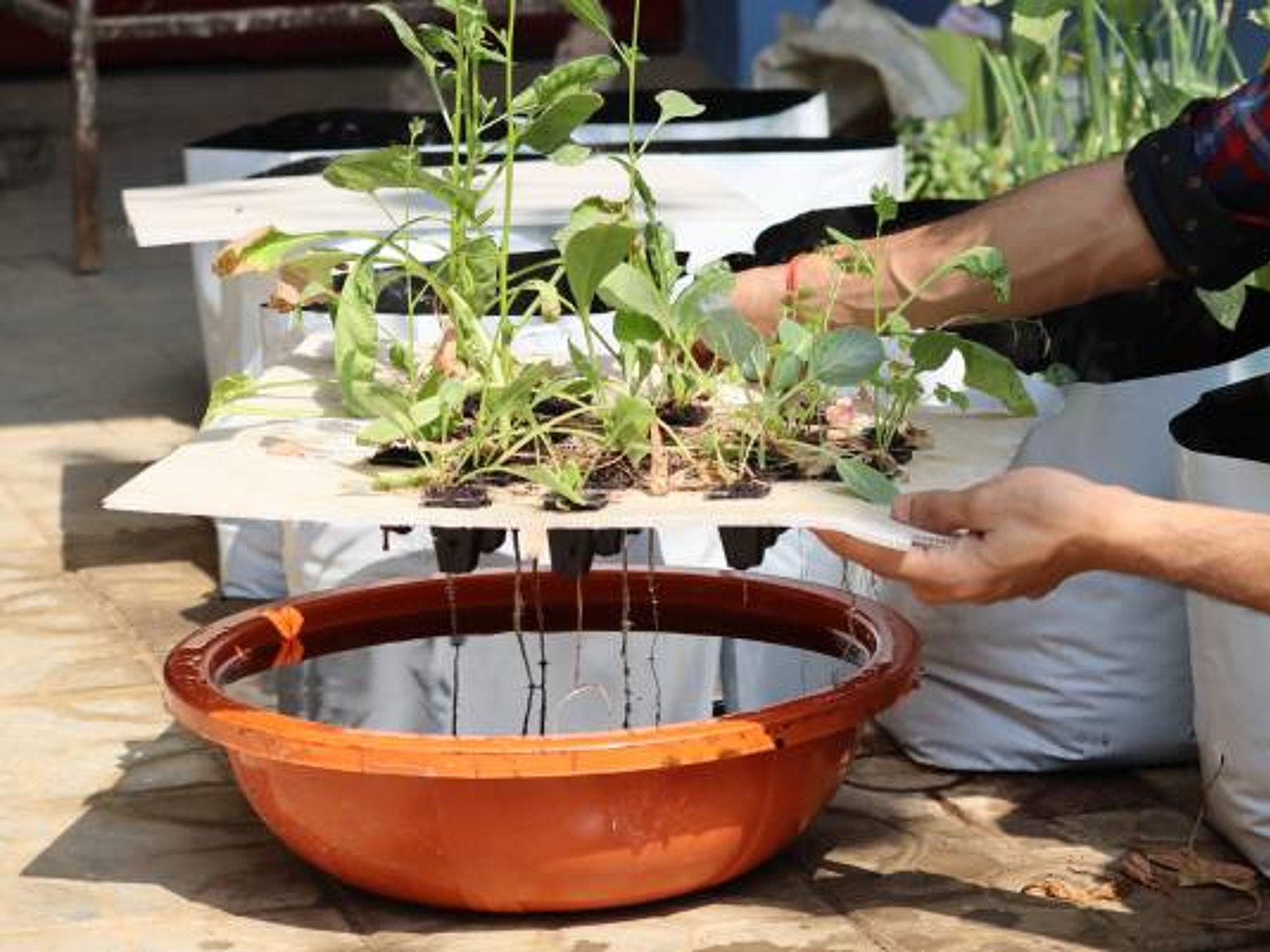
Credit: www.airtasker.com
Frequently Asked Questions
What Is Drip Hydroponic Gardening?
Drip hydroponic gardening involves using a nutrient solution delivered through a drip system. It allows plants to grow without soil, using water and nutrients. This method ensures precise nutrient delivery, supports efficient water usage, and promotes healthy plant growth indoors.
How Do I Start An Indoor Drip System?
To start, gather essential supplies like containers, drip lines, and a nutrient solution. Set up your system to ensure proper water flow and nutrient delivery. Regularly monitor plant health, adjust nutrient levels, and maintain the drip system for optimal results.
Which Plants Thrive In Drip Hydroponics?
Leafy greens like lettuce, spinach, and herbs are ideal for drip hydroponics. They grow quickly and efficiently in nutrient-rich solutions. Tomatoes and peppers can also thrive, given proper support and nutrient management. Choose plants suited to your indoor environment.
How Often Should I Water Plants?
In a drip system, water plants regularly but avoid overwatering. The frequency depends on plant needs and growth stage. Typically, drip hydroponic systems provide water every few hours, ensuring consistent moisture and nutrient availability for optimal growth.
Conclusion
Creating an indoor drip hydroponic garden is simpler than you think. Start with basic materials. Follow the steps carefully. Watch plants grow and thrive. Enjoy fresh herbs and veggies at home. Save money on groceries. Experiment with different plants and setups.
Learn and adapt as you go. Share your success with friends and family. Inspire others to try hydroponics. Enjoy the beauty and benefits of your garden. With patience, your indoor space transforms. Happy gardening!