Imagine transforming your home into a lush oasis, even in the smallest of spaces. With a vertical garden, you can bring the beauty of nature indoors, breathe new life into your living area, and enjoy the benefits of fresh, home-grown plants.
Whether you’re a seasoned gardener or a curious beginner, building a vertical garden indoors can be an exciting and fulfilling project. You might think it’s complicated, but with a few simple steps, you can create a stunning green space that impresses both you and your guests.
Ready to discover how you can start your own indoor vertical garden and enjoy a slice of nature inside your home? Keep reading to learn the secrets of crafting your very own vertical garden paradise.
Benefits Of Indoor Vertical Gardens
Building a vertical garden indoors maximizes space and enhances air quality. These gardens offer easy maintenance and aesthetic appeal, making them ideal for small living areas. Enjoy fresh produce, herbs, or decorative plants year-round with minimal effort.
Indoor vertical gardens offer numerous benefits that can enhance your living space. They not only bring a touch of nature indoors but also provide practical advantages for your home environment. Let’s explore some of the key benefits of having an indoor vertical garden.Improved Air Quality
Plants naturally filter and purify the air. They absorb toxins and release oxygen. This leads to fresher indoor air and healthier living conditions.Space Efficiency
Vertical gardens utilize unused vertical spaces. This is ideal for smaller homes or apartments. You can grow a variety of plants without needing extra floor area.Aesthetic Appeal
A vertical garden adds a beautiful green accent. It serves as a living piece of art. This enhances the visual appeal of any room.Mood Enhancement
Being around plants can boost your mood. Greenery has a calming effect, reducing stress and promoting relaxation.Improved Humidity
Indoor plants help balance humidity levels. They release moisture into the air through transpiration. This can be beneficial in dry indoor environments.Easy Maintenance
Vertical gardens are often easier to maintain. They require less soil and water. This makes them low-maintenance compared to traditional gardens.Health Benefits
Gardening is a therapeutic activity. Caring for plants can improve mental well-being. It provides a sense of accomplishment and purpose.
Credit: www.youtube.com
Choosing The Right Plants
Selecting the right plants is key for a successful indoor vertical garden. Choose low-maintenance plants that thrive in your home’s light and humidity conditions. Consider herbs, succulents, or ferns, as they are ideal for vertical growth and easy to care for.
Choosing the right plants for your indoor vertical garden is crucial for its success and beauty. The selection not only affects the aesthetics but also the maintenance and health of your garden. A well-chosen plant can thrive with minimal care, while an unsuitable one may require constant attention.Best Plants For Indoor Vertical Gardens
Certain plants are tailor-made for vertical gardening indoors. Herbs like basil, mint, and thyme are excellent choices. They are not only easy to grow but also offer the added benefit of fresh ingredients for your meals. Succulents are another fantastic option. Their minimal water requirements make them perfect for indoor settings. Plus, they add a unique texture and color to your garden. Consider ferns for a lush, green look. They thrive in humid environments and can add a touch of nature to any indoor space.Considerations For Plant Selection
When selecting plants, think about the light conditions in your space. Is it bright and sunny, or does it stay mostly shaded? Plants like snake plants or pothos do well in low-light areas. Watering needs are another critical factor. Choose plants with similar watering requirements to simplify care. Mixing plants with different needs might lead to overwatering or underwatering. Finally, consider the growth habits of your chosen plants. Will they grow upwards or spread out? Ensure they have enough space to flourish without competing for resources. Choosing the right plants can make the difference between a thriving garden and a struggling one. Have you thought about which plants would best suit your indoor oasis?Designing Your Vertical Garden
Designing a vertical garden indoors involves choosing the right plants and space. Use wall-mounted planters or hanging pots for easy setup. Ensure plants receive adequate light and water for healthy growth.
Designing your vertical garden is a fun and creative process. It transforms your indoor space into a lush oasis. Careful planning ensures your garden is both beautiful and functional. This section guides you through the steps to craft your perfect indoor green space.Space And Layout Planning
Think about where your vertical garden will go. Choose a spot with enough natural light. Measure the space to know your limits. Vertical gardens fit well in narrow spaces. Walls in the living room or kitchen work great. Plan how you want your plants to grow. Do you want a tall, narrow look or a wide, sprawling design? Use shelves or hanging pots for different layouts. Consider using a trellis for climbing plants. Create a sketch of your layout before you begin.Aesthetic Considerations
Decide on the look you want for your garden. Do you prefer a modern or rustic style? Choose containers that match your home decor. Use colors that complement your room. Select plants with varying textures and shapes. Mix leafy greens with flowering plants. Arrange plants by height and color for visual interest. Vertical gardens can be an art piece. Consider adding decorative elements like stones or small sculptures. Think about plant maintenance too. Choose plants that fit your care routine.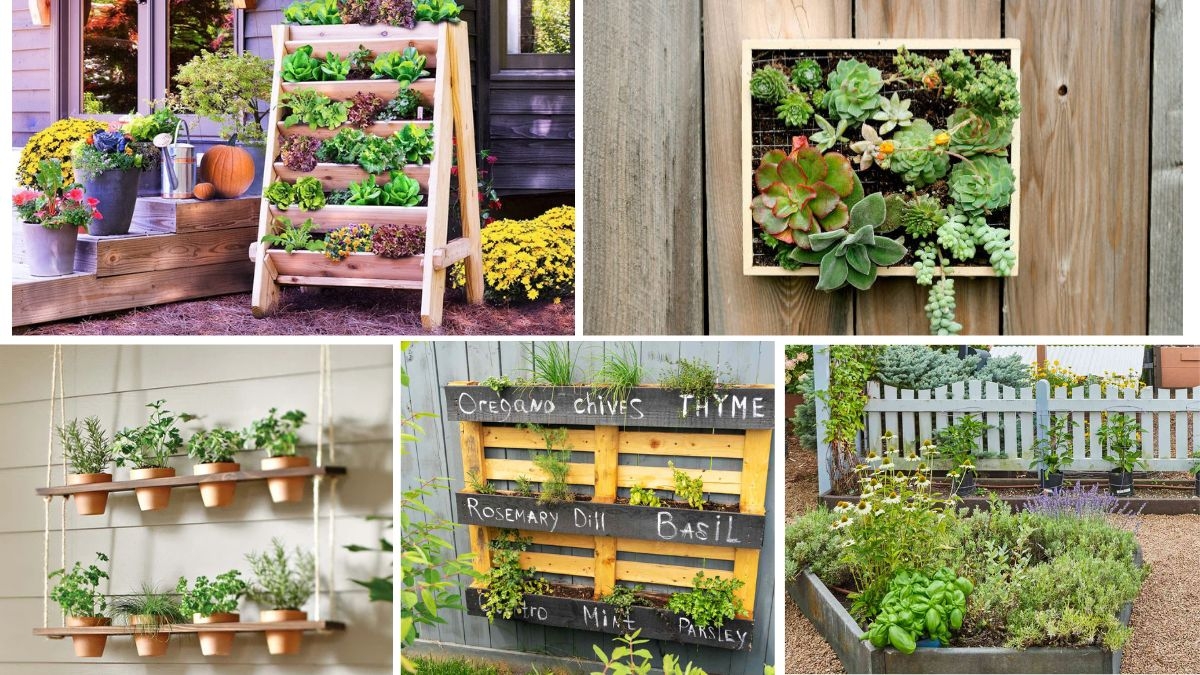
Credit: pune-okayamafriendshipgarden.com
Materials And Tools Needed
Creating a vertical garden indoors requires a few basic materials and tools. Gather pots, soil, seeds, and a sturdy frame. Ensure you have hooks, shelves, and a watering can for easy maintenance.
Creating a vertical garden indoors is a delightful way to bring nature closer to you, offering a touch of greenery in your living space. But before you start, it’s crucial to gather the right materials and tools. Having the proper equipment can make the difference between a flourishing vertical oasis and a setup that struggles to thrive. Let’s dive into what you’ll need to get started.Essential Tools
To kick off your indoor vertical garden project, you’ll need a few basic tools. A sturdy pair of glovesis essential to protect your hands while handling plants and soil. If you’ve ever been pricked by a rose thorn, you’ll understand why gloves are non-negotiable.
An electric drillwith various drill bits can be invaluable, especially when mounting your garden structure. Whether you’re using a wooden frame or metal brackets, a drill ensures your setup is secure.
Don’t forget a good pair of scissors or pruning shears. These are crucial for trimming plants and maintaining healthy growth. Imagine the satisfaction of snipping away dead leaves to reveal a vibrant, lush green.
Recommended Materials
Your choice of materials can significantly impact the look and feel of your garden. Start with a vertical frame, which can be made from wood or metal. Wooden frames offer a rustic charm, while metal can provide a sleek, modern touch.
Consider your plant containers. Wall-mounted pots or pocketsare popular choices for vertical gardens. They help keep your plants organized and easy to manage. Have you ever tried repurposing old jars? They can be quirky yet functional plant holders.
Finally, ensure you have quality potting soil. This is the foundation of your garden, providing nutrients and support. Opt for soil that retains moisture but drains well to keep your plants thriving.
With these tools and materials at your disposal, you’re well on your way to creating a stunning indoor vertical garden. What unique twist will you add to make it truly yours?
Step-by-step Building Process
Creating a vertical garden indoors involves choosing the right spot with adequate light and selecting suitable plants. Install wall planters or shelves, ensuring stability and easy access for watering and maintenance. Arrange plants based on their light needs for optimal growth and beauty.
Building a vertical garden indoors is not just a fun project but a rewarding one too. By following a straightforward step-by-step process, you can transform any wall or corner of your home into a lush, green oasis. Whether you’re a seasoned gardener or a beginner, creating an indoor vertical garden is an achievable goal. Let’s dive into the steps that will guide you through this exciting journey.Preparing The Space
Before you start, evaluate the space where you plan to build your vertical garden. Choose a spot that has access to natural light, or consider installing grow lights if your chosen area is dim. Clear the area of any obstructions and make sure the wall or surface can support the weight of your garden structure. Consider the humidity and temperature of the room, as different plants thrive in different conditions. If you’re a plant lover like me, you’ll know how important it is to select a space where your plants can flourish!Installing The Vertical Structure
Choose a sturdy vertical frame, such as a trellis or shelves, that can hold pots or planters securely. Mount the structure onto the wall using brackets or screws, ensuring it is level and stable. This step is crucial for safety and longevity, so double-check everything. Opt for materials that resist moisture, like metal or treated wood, to avoid damage over time. Have you ever considered using recycled materials? It’s a great way to be eco-friendly while adding character to your garden!Planting Techniques
Select plants that suit your indoor environment, such as herbs, succulents, or small flowers. Arrange them based on their light and water requirements, placing those needing more care at eye level for easy access. Plant them in containers that fit well within your structure, ensuring good drainage and soil quality. Water your plants regularly, but be cautious not to overwater, especially in an indoor setting. Have you ever found yourself talking to your plants? It’s said to improve their growth, so go ahead and share your stories with them!Caring For Your Vertical Garden
Building a vertical garden indoors involves selecting suitable plants that thrive in limited sunlight. Ensure proper drainage by using high-quality soil and containers. Regular watering and occasional fertilization are essential for healthy growth and vibrant foliage.
Caring for your vertical garden is essential for its growth and beauty. Each plant has its needs. With proper care, your indoor garden will thrive.Watering And Fertilizing Tips
Water your vertical garden wisely. Overwatering can harm plants. Check soil moisture regularly. Use your finger to test it. Water only when the soil feels dry. Choose a spray bottle for even watering. This prevents waterlogging. Fertilizing is crucial for plant health. Use liquid fertilizer for best results. Apply it every two weeks. Follow instructions on the label. This ensures plants receive enough nutrients.Pruning And Maintenance
Pruning keeps your garden neat. Trim dead leaves and stems often. This encourages new growth. Use clean scissors for pruning. It prevents disease spread. Regular maintenance is key. Check for pests on leaves and stems. Remove pests with a gentle spray. Keep your garden free from dust. Wipe leaves with a damp cloth. This keeps them healthy and shiny. A little effort goes a long way. Your vertical garden will flourish indoors.Troubleshooting Common Issues
Identifying light sources is crucial for indoor vertical gardening. Ensure each plant receives adequate water to prevent wilting. Addressing pest issues promptly keeps plants healthy and thriving.
Troubleshooting common issues in your indoor vertical garden can be a journey of learning and patience. Every gardener faces challenges, and with the right solutions, you can maintain a thriving green space. Let’s dive into some frequent problems and how you can tackle them effectively.Dealing With Pests
Indoor gardens aren’t immune to pests, though you might think otherwise. It’s not uncommon to spot aphids, spider mites, or whiteflies. These tiny invaders can quickly become a menace if not addressed. To combat them, start with natural remedies. Neem oil is a popular choice among indoor gardeners for its effectiveness and safety. Simply spray it on affected areas, and it usually does the trick. Another option is to introduce beneficial insects like ladybugs, which are natural predators to many pests. But if you’re not keen on bugs in your home, sticky traps can also help monitor and reduce pest populations. Have you ever considered why these pests are attracted to your plants? Overwatering is often a culprit, creating a humid environment that pests love. Adjust your watering schedule to keep things in balance.Solving Growth Problems
If your plants aren’t thriving, it might be time to investigate. Growth problems can stem from various issues, including inadequate light, poor soil quality, or incorrect watering. Start by assessing your light conditions. Plants need the right amount of light to grow properly. LED grow lights are an excellent choice for indoor gardens, providing the necessary spectrum for plant growth without overheating. If lighting isn’t the issue, consider your soil. Poor soil can stunt growth and lead to nutrient deficiencies. Using a quality potting mix with good drainage and nutrient content is crucial. Watering is another factor that can affect growth. Overwatering or underwatering can be detrimental. An easy test is the finger test—stick your finger an inch into the soil. If it’s dry, it’s time to water; if it’s wet, hold off. Addressing growth issues might require some trial and error. Is your plant too tall or leggy? You might need to adjust its light source or prune it back to encourage bushier growth. With a bit of patience and observation, you can turn these challenges into opportunities for learning and improvement. What problem-solving strategies have worked for you in your vertical garden?Innovative Ideas For Vertical Gardens
Creating a vertical garden indoors adds greenery to small spaces. Start by choosing a suitable wall or corner. Use containers or wall-mounted planters to arrange your plants vertically. Consider light and water needs for each plant type. This setup enhances your living area with natural beauty.
Innovative vertical garden ideas bring nature inside in exciting ways. These gardens transform small spaces into lush, green areas. They use creative designs and smart solutions. Indoor vertical gardens offer beauty and freshness. They brighten homes and improve air quality. Let’s explore how to create one with style.Creative Designs
Vertical gardens allow for artistic expression. Consider using old ladders as plant shelves. Hang pots from a simple wooden frame. Use colorful pots to add vibrancy. Mix different plant types for varied textures. Succulents, herbs, and ferns work well together. Create patterns with plant colors and leaf shapes.Space-saving Solutions
Vertical gardens are perfect for small spaces. Wall planters save floor space. Pocket planters attach directly to walls. Shelves can hold rows of small pots. Use tiered stands for more plant layers. Hang planters from the ceiling to free up space. Window sills are great for light-loving plants. Opt for lightweight materials to avoid wall damage. Vertical gardens enhance any indoor area. They bring life and color. With creativity, even tiny spaces can bloom.
Credit: www.bholanursery.in
Frequently Asked Questions
What Is A Vertical Garden?
A vertical garden is a method of growing plants on vertically suspended panels using hydroponics or soil. It’s ideal for small spaces and indoor environments. Vertical gardens can enhance your home’s aesthetic and improve air quality, making them a popular choice for urban gardening.
How Do I Start An Indoor Vertical Garden?
To start, choose a wall with adequate light and ensure proper ventilation. Use vertical planters or shelving systems. Select suitable plants like herbs, succulents, or ferns. Regularly water and maintain your garden for optimal growth. Ensure you have the right potting mix and a reliable watering system.
Which Plants Are Best For Vertical Gardens?
Herbs, succulents, and ferns are excellent choices for vertical gardens. They thrive in limited soil and light conditions. Consider plants like mint, basil, aloe vera, and Boston ferns. These varieties are easy to maintain and can adapt well to indoor environments.
How To Maintain A Vertical Garden Indoors?
Regular watering and monitoring are essential for indoor vertical gardens. Check for pests and diseases frequently. Ensure adequate light and ventilation. Prune plants to encourage growth and remove dead leaves. Use fertilizers sparingly to boost plant health and maintain vibrant greenery.
Conclusion
Vertical gardens indoors bring nature to your living space. They offer fresh air and beauty. Creating one is simple with the right tools. Choose plants that thrive indoors. Water them regularly and provide enough light. Use creative designs to enhance your room.
Vertical gardens save space and improve well-being. Start small and watch your garden grow. Experiment with different plants and arrangements. Enjoy the calming effect of greenery indoors. Let your vertical garden be a peaceful retreat. Your home becomes a haven with nature’s touch.
Embrace the joy of indoor gardening today!