Imagine stepping into your dream garden—a personal paradise right in your backyard. The vibrant colors, soothing scents, and serene ambiance perfectly align with your vision.
This blissful oasis doesn’t just happen by chance; it begins with a well-crafted briefing to your garden designer. But how do you effectively communicate your dreams and ideas? This is where the magic starts. By understanding how to brief a garden designer, you’re setting the stage for a creative collaboration that brings your ideal garden to life.
You’ll discover practical steps and expert tips that ensure your vision is not only understood but beautifully executed. Ready to transform your outdoor space into a masterpiece? Keep reading to unlock the secrets to a successful garden design briefing.
Understanding Your Vision
Understanding your vision helps in briefing a garden designer effectively. Share your desired style, favorite plants, and color palette. Discuss any practical needs like seating areas or pathways.
Understanding your vision is key to creating a garden you love. Before meeting a garden designer, take time to form a clear picture. This helps ensure the designer captures your unique tastes and needs. Let’s explore how to make your vision clear.Identifying Your Style
Think about gardens that inspire you. Do you prefer a modern, sleek look or something more rustic? Perhaps lush greenery or vibrant flowers appeal to you. Gather images from magazines or online. These visuals will help you define your style. Share these with your designer for a better understanding.Setting Clear Objectives
List what you want from your garden. Maybe a quiet spot to relax, a play area for children, or space for entertaining guests. Decide on your must-haves and nice-to-haves. Clear objectives guide the design process. They ensure your garden meets your lifestyle needs.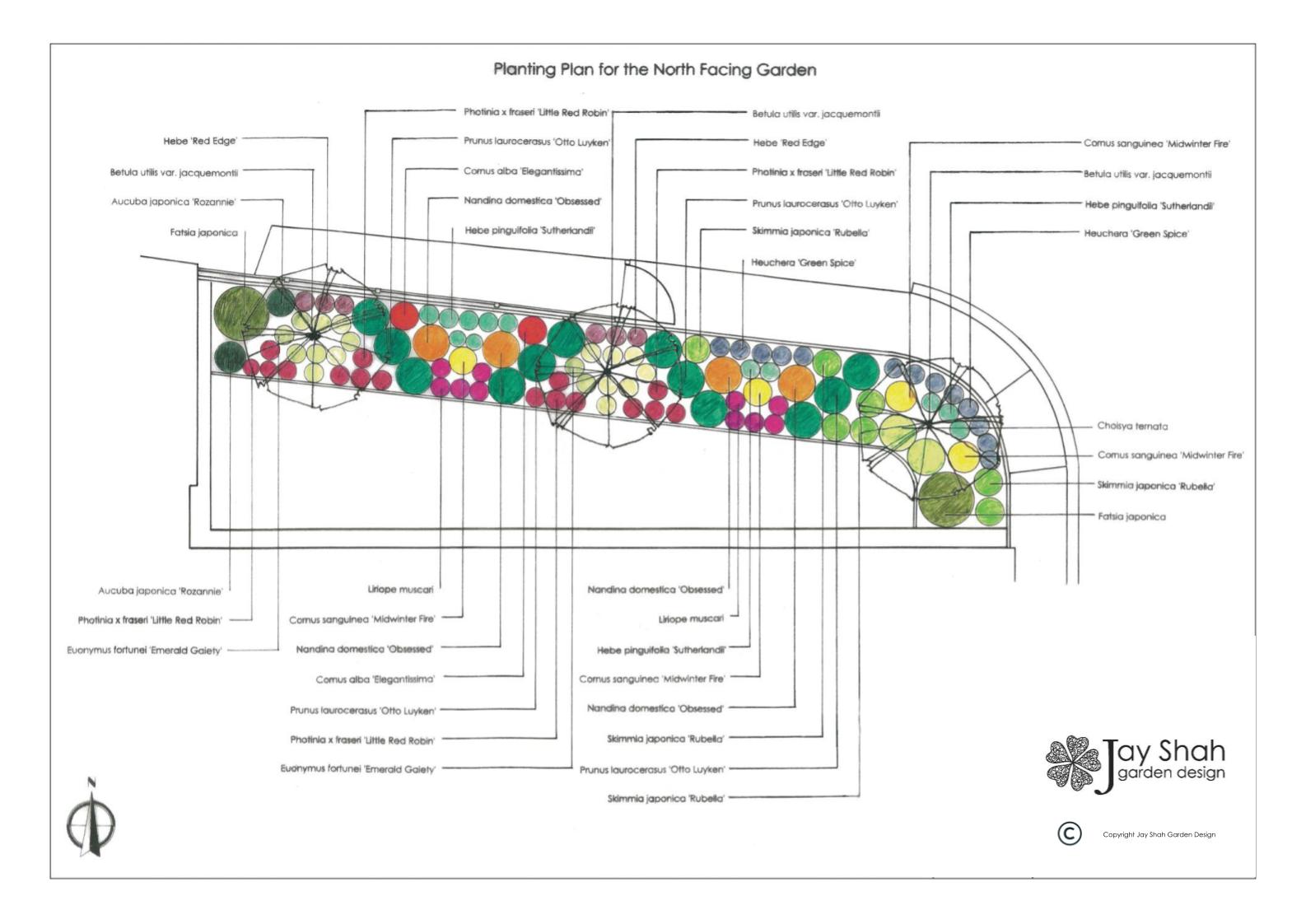
Credit: m.facebook.com
Assessing Your Space
Assessing Your Space Understand your garden’s size, shape, and sunlight patterns. Share your style preferences and desired features with your designer. Consider maintenance levels and budget to create a harmonious outdoor space.
Assessing your space is vital before briefing a garden designer. Understanding your garden’s current state helps in planning a new design. This process ensures your garden meets your needs and preferences.Evaluating Current Layout
Start by examining your garden’s existing layout. Identify areas that are functional or need improvement. Consider paths, seating areas, and plant placements. Take note of elements you wish to keep or replace. Measure the dimensions of your garden. This provides a clear picture for your designer. Create a simple sketch to visualize changes. A detailed assessment saves time and enhances the design process.Considering Environmental Factors
Environmental factors play a crucial role in garden design. Observe the amount of sunlight each area receives. Check for shaded spots and areas with full sun. Understand the soil type and drainage conditions. These factors affect plant selection and placement. Consider local weather patterns and wind exposure. A garden needs to withstand seasonal changes. Share these insights with your designer for a sustainable garden plan.Budget Planning
Discussing budget planning with a garden designer ensures your vision aligns with financial boundaries. Clearly outline your preferences and priorities to create a harmonious outdoor space. This approach helps avoid unexpected costs and keeps the project manageable.
Budget planning is crucial in briefing a garden designer. It ensures your garden project stays on track. Having a clear budget helps in decision-making. It also aids in managing expectations with your designer. Let’s explore key aspects of budget planning.Estimating Costs
Estimating costs gives a clear picture of expenses. Start with a rough estimate. Consider factors like garden size and design complexity. Think about materials and plants you prefer. Consult your designer for expert insights. This helps in narrowing down a realistic budget. Remember, costs can vary with quality and availability.Prioritizing Elements
Prioritizing elements is key in budget planning. Decide what’s most important for your garden. Is it a water feature or a seating area? List elements based on importance. Focus on must-have features first. It ensures essential parts fit your budget. Optional elements can follow if the budget allows. This strategy keeps you within budget limits.Choosing The Right Designer
Clear communication is key to briefing a garden designer effectively. Describe your vision with specific elements and preferences. Share budget limits and timeline to ensure a successful collaboration.
Choosing the right garden designer is crucial. A skilled designer transforms your garden dreams into reality. With the right choice, your garden becomes a beautiful and functional space. So, how do you choose the right designer? Let’s dive into the details.Researching Options
Start with online research. Use search engines to find local designers. Visit their websites. Look at their portfolios. Check online reviews to see what past clients say. This gives you an idea of their style and customer satisfaction. Explore social media platforms. Designers often showcase their work on Instagram or Pinterest. Follow designers whose work you admire. This helps you understand their design approach and aesthetic.Checking Credentials
Verify the designer’s credentials. Ensure they have relevant qualifications. This includes a degree in landscape architecture or design. Membership in professional organizations is a plus. It shows commitment to industry standards. Ask for references. Contact previous clients. Ask about their experience. Was the designer professional? Did they meet deadlines? This feedback is invaluable. Also, check if the designer has insurance. This protects you from potential liabilities during the project. A reputable designer will have the necessary coverage. By carefully researching and checking credentials, you can make an informed choice. Your garden deserves the best design possible.Effective Communication
Effective Communicationis the cornerstone of any successful collaboration, especially when working with a garden designer. It’s not just about exchanging words; it’s about ensuring your vision is understood and brought to life. Imagine walking through your completed garden, feeling the satisfaction that every detail reflects your dream. This is where effective communication plays a crucial role. Let’s explore how you can convey your ideas and establish expectations with your garden designer.
Conveying Your Ideas
Start by visualizing your ideal garden. What elements are non-negotiable for you? A serene pond? A vibrant vegetable patch? Share these key elements with your designer.
Use tools like mood boards or sketches. They can transform abstract thoughts into concrete visuals, helping your designer see through your eyes.
Don’t shy away from sharing your inspirations. A favorite park or a neighbor’s garden can spark ideas for your space.
Establishing Expectations
Define what success looks like for your project. Is it a low-maintenance garden or a seasonal bloom showcase? Make this clear to your designer.
Discuss timelines and budget openly. Setting these parameters early helps avoid surprises down the road.
Regular check-ins can keep the project aligned with your expectations. Consider them as milestones to ensure everything is on track.
What would you do if your designer suggests a different approach? Flexibility can lead to unexpected, delightful results.
Collaborative Design Process
Understanding your garden’s needs is key when briefing a designer. Share your vision, budget, and favorite plants. Clear communication ensures a design that matches your expectations.
Creating a garden that feels like an extension of your home requires a thoughtful collaborative design process. This journey is not just about the designer bringing your vision to life but also about you actively participating. The dialogue between you and your garden designer is crucial, ensuring the final design reflects your personality and meets your needs.Incorporating Feedback
Feedback is the backbone of any successful collaboration. Share your thoughts openly with your designer. Are you envisioning a space for relaxation, entertaining guests, or growing your own vegetables? Your input helps shape the design to suit your lifestyle. Be specific about what you like or dislike. If a particular plant or layout doesn’t appeal to you, say so early in the process. Constructive feedback leads to a garden that truly resonates with you. Remember, your designer is there to guide and refine your ideas, not dictate them.Staying Flexible
Flexibility can be a game-changer in the design process. While you may have a clear vision, being open to suggestions can enhance the final outcome. Designers bring a wealth of experience and might suggest options you hadn’t considered. Adapting to new ideas doesn’t mean compromising your vision. It’s about blending professional insights with your desires for a harmonious result. Consider whether small changes could improve functionality or aesthetics. Could a different plant species thrive better in your climate? Would a slight shift in the layout maximize space? Embrace the journey of discovery in creating your ideal garden.Finalizing The Design
Finalizing the design with a garden designer involves clear communication. Share your vision, preferred styles, and any specific plants. This helps create a personalized garden that meets your expectations.
Finalizing the design of your garden is a crucial step. It marks the transition from ideas to actionable plans. This phase is about ensuring every detail is perfect. You and your garden designer need to be on the same page. Communication is key in this process.Reviewing Plans
Carefully examine the proposed garden plans. Look at the layout and design features. Make sure the plans match your vision. Check if all elements are included. Discuss any changes with your designer. Clarity now prevents issues later.Confirming Details
Verify all details in the design. Confirm plant types and locations. Ensure materials are correct. Check the timeline for completion. Address any concerns immediately. This helps keep the project on track.
Credit: m.facebook.com
Implementation Strategy
Once you’ve chosen a garden designer, the implementation strategy becomes crucial. It’s where ideas turn into reality. Clear communication and planning are essential to ensure your vision is executed flawlessly. This stage isn’t just about planting flowers—it’s about orchestrating a transformation. How do you ensure everything goes according to plan?
Timeline Planning
Begin by establishing a realistic timeline. Discuss with your designer how long each phase should take. Consider factors like seasonal changes, weather conditions, and plant growth cycles. A well-thought-out timeline prevents rushed jobs and ensures quality work. Would you rather have a garden that blooms beautifully next spring, or one that’s hurriedly put together?
Use a calendar to visualize the process. Break it down into smaller tasks, each with its own deadline. This helps in tracking progress and making adjustments if needed. Keep in mind that flexibility is key; sometimes nature has its own schedule.
Overseeing Installation
Your involvement in the installation process can make a big difference. Regular check-ins with the designer can help maintain the integrity of the plan. Don’t hesitate to ask questions or express concerns. This is your garden, after all. Are the plants being placed where you envisioned them?
Consider appointing a project manager if the garden is extensive. They can be your eyes and ears, ensuring everything aligns with the agreed design. This doesn’t mean micromanaging but rather being actively engaged in the process.
Stay open to suggestions from the designer, as their expertise might offer solutions you hadn’t considered. Your collaboration can lead to unexpected enhancements that elevate the final outcome.

Credit: www.instagram.com
Frequently Asked Questions
What Information Should I Provide My Garden Designer?
Start by sharing your vision, preferences, and budget. Include any specific plants, features, or styles you desire. Additionally, provide details about the site, such as soil type, climate, and existing structures. This information helps the designer create a personalized plan that meets your expectations and enhances your outdoor space.
How Do I Choose The Right Garden Designer?
Research local designers and review their portfolios. Look for experience with similar projects and check client reviews. Consider their design style and communication skills. Arrange meetings to discuss your project and ensure they understand your vision. Selecting a designer who aligns with your goals ensures a successful collaboration.
How Important Is My Budget In The Design Process?
Your budget is crucial in guiding the design process. It helps the designer prioritize features and select materials within your financial limits. Be transparent about your budget from the start. This ensures the designer creates a feasible plan that meets your expectations without unexpected costs.
What Should I Expect During The Initial Consultation?
During the initial consultation, expect to discuss your vision, preferences, and budget. The designer will assess your site and understand your requirements. They’ll provide insights, suggest ideas, and outline the design process. This meeting establishes the foundation for a successful collaboration and ensures your expectations are clear.
Conclusion
A successful garden design begins with a clear brief. Communicate your vision, needs, and preferences with the designer. Discuss your budget openly to avoid surprises later. Share photos or sketches for better understanding. Talk about your favorite plants or styles.
Define the purpose of your garden space. Is it for relaxation or entertaining? Be open to their ideas and suggestions. Trust their expertise but ensure your voice is heard. Collaboration leads to a garden that truly reflects you. A clear brief sets the foundation for a beautiful, functional garden.
Your dream garden is within reach.