Imagine stepping into your kitchen and plucking fresh basil leaves straight from your own indoor herb garden. The aroma fills the air, and your dishes are instantly transformed.
Starting an indoor herb garden is easier than you think, and it brings a touch of nature right into your home. You don’t need a green thumb or a sprawling backyard. You just need a little guidance and some simple tools.
This article will show you how to begin your indoor herbs garden, making it easy and enjoyable. Are you ready to infuse your home with natural flavors and scents? Keep reading, and discover the secrets to growing your own thriving herb garden indoors.
Choosing The Right Herbs
Starting an indoor herbs garden is a rewarding journey that begins with choosing the right herbs. Selecting the best herbs for your indoor space will ensure you enjoy fresh flavors and fragrant aromas year-round. With so many options available, how do you decide which herbs are ideal for your indoor garden? Let’s explore some popular choices and key factors to consider when making your selection.
Popular Indoor Herbs
- Basil:This aromatic herb thrives indoors and is perfect for adding a fresh touch to dishes like pasta and salads.
- Mint:Known for its refreshing scent, mint can be used in teas, desserts, or as a garnish.
- Chives:With their mild onion flavor, chives are a versatile addition to soups and omelets.
- Parsley:Easy to grow, parsley is a staple for garnishing dishes and enhancing flavor.
- Thyme:This hardy herb adds depth to stews and roasts and is surprisingly simple to care for indoors.
Factors To Consider
When selecting herbs for your indoor garden, consider your cooking preferences. Which flavors do you use most often? This will guide you toward the herbs you’ll enjoy growing and using.
Think about the space available in your home. Herbs like basil and mint can grow large and may require more space, while thyme and chives are more compact.
Light is another crucial factor. Most herbs need plenty of sunlight, so placing them near a sunny window will help them thrive. If natural light is limited, consider investing in grow lights.
Lastly, consider the ease of care. Some herbs, like basil and parsley, demand frequent watering, while others like thyme are more drought-tolerant. Choose herbs that match the level of attention you’re able to provide.
By carefully selecting your herbs based on these factors, you’ll create a flourishing indoor garden that caters to your culinary needs. What herbs will you choose to start your indoor garden adventure?
Gathering Essential Supplies
Starting an indoor herb garden can be a rewarding endeavor. It brings fresh flavors to your kitchen year-round. Before planting, gather essential supplies to ensure your herbs thrive. The right tools and materials make a significant difference in the success of your garden. Let’s delve into the key supplies you need.
Containers And Pots
Choose pots that suit your space and style. Ensure they have drainage holes to prevent waterlogging. This helps keep the roots healthy. Consider using clay or plastic pots. Clay pots are porous and allow air circulation. Plastic pots retain moisture longer. Select sizes based on the herb type. Smaller herbs need less space, while larger ones require bigger pots.
Soil And Fertilizers
Use well-draining soil for your herbs. Regular potting soil often works well. Add some perlite or sand to improve drainage. Fertilizers provide necessary nutrients for growth. Choose organic fertilizers for a natural option. Follow the instructions on the package for proper use. Avoid over-fertilizing, which can harm your plants.
Lighting Equipment
Herbs need ample light to grow well indoors. Place them near a sunny window for natural light. Consider grow lights if natural light is insufficient. LED grow lights are energy-efficient and effective. Position the lights close to the plants. Ensure they receive about 12-16 hours of light daily. Adjust the distance based on the light intensity.
Preparing Your Space
Starting an indoor herb garden is an exciting venture. Preparing your space is the first step to ensure your herbs thrive. The location you choose and the light exposure are crucial. Let’s explore how to set up your indoor garden.
Selecting A Location
Your herb garden needs a stable environment. Choose a space away from drafts and temperature fluctuations. Kitchens and living rooms often work well. These spaces are typically warm and inviting. A countertop or windowsill can be ideal. Ensure easy access for watering and maintenance.
Optimizing Light Exposure
Herbs need plenty of light to grow well. A south or west-facing window is perfect. It provides natural light for most of the day. If direct sunlight is limited, consider using grow lights. LED grow lights are energy-efficient and effective. Keep the lights on for about 12-16 hours daily. Rotate your plants regularly to ensure even growth.
Planting Your Herbs
Starting an indoor herbs garden is simple and rewarding. Choose sunny spots for pots and use quality soil. Water regularly and enjoy fresh herbs year-round.
Planting your herbs is one of the most exciting parts of starting an indoor herb garden. Whether you’re a seasoned gardener or a beginner, the process of watching your herbs grow from seeds or cuttings can be incredibly rewarding. Let’s explore two popular methods to get your indoor herb garden thriving: starting from seeds and using cuttings.Starting From Seeds
Growing herbs from seeds offers a sense of accomplishment and allows you to experiment with various types of herbs. Begin by selecting quality seeds from a trusted supplier. Look for packets that specify high germination rates. Prepare small pots or seed trays with well-draining potting mix. Lightly press the seeds into the soil, covering them with a thin layer. Ensure they receive ample sunlight by placing them on a sunny windowsill. Maintain soil moisture by misting it regularly. Be patient—germination times vary depending on the herb. For instance, basil may sprout in a week, while rosemary could take a month. Watching those tiny sprouts emerge is a joy like no other.Using Cuttings
Using cuttings is a fantastic way to propagate herbs, especially if you have an existing plant. This method saves time and can be more straightforward than starting from seeds. Choose healthy stems from a mature plant, ideally about four to six inches long. Remove the lower leaves, leaving a few at the top. Place the cuttings in a glass of water, ensuring that the nodes are submerged. Change the water every few days to prevent stagnation and encourage root growth. Once roots develop, typically after a couple of weeks, transfer the cuttings to pots filled with potting mix. Keep them in a warm spot with indirect sunlight. Within no time, you’ll have a thriving herb plant ready to enhance your culinary creations. Which method appeals more to you, seeds or cuttings? Both offer unique experiences and benefits. Dive in and watch your indoor herb garden flourish.Caring For Your Herb Garden
Starting an indoor herb garden offers fresh flavors and aromas year-round. Choose pots with good drainage for thriving plants. Position them near windows to maximize sunlight exposure.
Caring for your indoor herb garden can be both a rewarding and therapeutic activity. Once your herbs are planted, the journey has just begun. With a bit of attention and know-how, your herbs can thrive, offering fresh flavors and scents right from your home.Watering Techniques
Watering your herbs might seem straightforward, but it’s crucial to get it right. Herbs generally prefer a balance—not too dry and not too soggy. Use a pot with drainage holes to prevent water from pooling at the bottom, which can lead to root rot. Feel the soil with your fingers. If it feels dry about an inch below the surface, it’s time to water. In my experience, a simple spray bottle can be perfect for maintaining the right moisture level, especially for herbs like basil and mint.Pruning And Harvesting
Regular pruning encourages growth and ensures your herbs remain lush and productive. Snip the tops of your herbs to encourage them to grow more bushy rather than tall and lanky. Harvesting can be as simple as pinching off leaves for your cooking. It’s both practical and beneficial for the plant. When you do this, you encourage the plant to produce new growth, keeping your herb garden vibrant.Pest Management
Even indoor gardens aren’t immune to pests. Keep an eye out for common culprits like aphids and spider mites. A gentle solution of water and dish soap can be a simple, effective remedy. Consider using natural deterrents like neem oil if problems persist. Have you ever thought about inviting beneficial insects like ladybugs? It might sound unconventional, but they can be a great natural solution for pest management. Taking care of your herb garden doesn’t have to be daunting. With a little attention to detail, you can enjoy the fruits—or rather, the herbs—of your labor right from your windowsill. Are you ready to transform your kitchen into a fresh herb haven?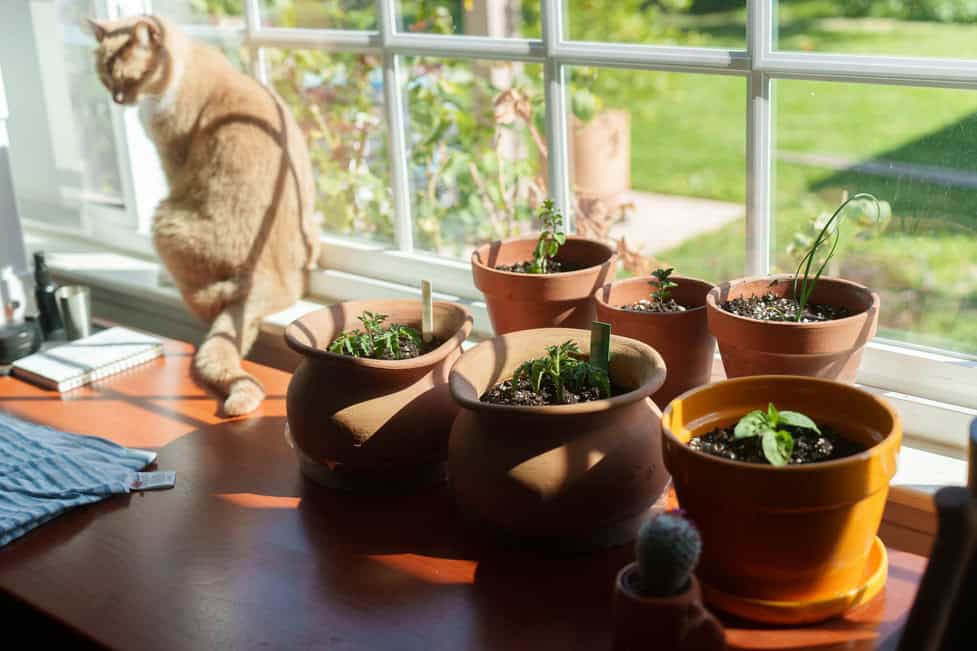
Credit: www.hungryhuy.com
Troubleshooting Common Issues
Troubleshooting common issues helps keep your indoor herbs thriving. Check for proper sunlight and water levels. Use well-draining soil to prevent overwatering and root rot.
Troubleshooting common issues in your indoor herb garden can feel daunting, but with some guidance, you can tackle these problems head-on. Whether you’re struggling with wilting leaves or stunted growth, understanding the root causes is the first step to finding solutions. Let’s dive into some common issues you might face and how to address them effectively.Overwatering
Overwatering is a frequent mistake, and it’s easy to see why. You might think you’re giving your herbs the love they need, but too much water can suffocate the roots. Check if your pots have proper drainage holes. This simple action can prevent water from pooling at the bottom and causing root rot. Feel the soil with your fingers. If it feels damp, hold off on watering for a day or two. A moisture meter can also be a handy tool to gauge when your herbs truly need a drink.Lack Of Growth
If your herbs seem to be stuck in a growth rut, consider their light source. Herbs need plenty of light to thrive, so ensure they’re getting at least six hours of sunlight daily. Artificial grow lights are a great solution if natural light is limited. They can give your herbs the boost they need to grow strong and healthy. Check the soil quality. Poor soil may lack the nutrients your herbs need. Consider using a potting mix enriched with organic matter to promote growth.Pest Infestations
Discovering pests on your herbs can be disheartening. These tiny invaders can wreak havoc if not dealt with promptly. Inspect your plants regularly for signs of pests like aphids or spider mites. A simple solution of water and mild soap can often do the trick in eliminating them. Encourage natural predators like ladybugs if you’re dealing with an outdoor setup. They can help keep pest populations in check. Remember, every gardener faces challenges. The key is learning from them and adapting your approach. What issues have you faced in your herb garden, and how did you overcome them? Share your thoughts and tips in the comments below!Benefits Of Indoor Herb Gardening
Starting an indoor herb garden offers numerous benefits that can enhance your lifestyle in delightful ways. Imagine having fresh herbs at your fingertips, transforming your meals and providing a touch of greenery to your home. Whether you’re a culinary enthusiast or simply looking to beautify your space, the advantages of indoor herb gardening are boundless.
Health And Culinary Uses
Growing herbs indoors allows you to add fresh, nutritious ingredients to your dishes without leaving your home. Imagine the vibrant taste of basil or rosemary in your favorite pasta dish or salad, elevating the flavors to new heights. Fresh herbs are packed with vitamins and antioxidants, contributing to a healthier diet.
Have you ever considered the healing properties of herbs like mint and chamomile? They can aid digestion and promote relaxation, offering natural remedies right from your kitchen. Plus, experimenting with different herb combinations can turn ordinary meals into extraordinary culinary experiences.
Aesthetic Value
Indoor herbs can transform the look and feel of your living space. Picture the lush green of parsley or the delicate leaves of thyme adorning your kitchen windowsill. These plants bring a refreshing touch to any room, creating a lively and inviting atmosphere.
Think about how the aroma of fresh herbs can invigorate your home, offering a natural fragrance that beats any artificial air freshener. By nurturing these plants, you can enjoy a touch of nature indoors, enhancing both your environment and your mood.
Are you ready to experience the joy of having an indoor herb garden? It’s a simple way to enrich your life with health, flavor, and beauty. What herbs will you start growing today?
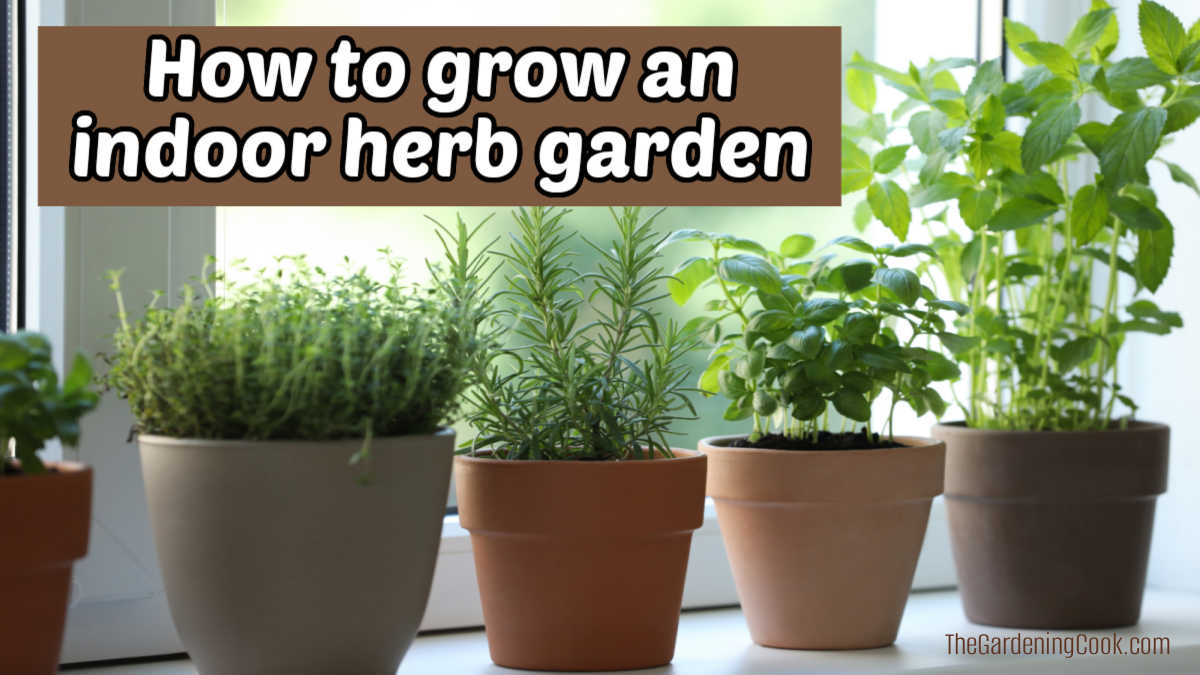
Credit: thegardeningcook.com

Credit: goebbertspumpkinfarm.com
Frequently Asked Questions
What Herbs Are Best For Indoor Gardening?
Start with herbs like basil, mint, rosemary, and thyme. These herbs thrive indoors and require minimal space. They adapt well to indoor conditions. Choose herbs that suit your culinary needs for a fresh supply year-round. Ensure they have enough light and proper watering.
How Much Light Do Indoor Herbs Need?
Indoor herbs need bright, indirect light for 6-8 hours daily. Place them near windows or use grow lights. South-facing windows are ideal for most herbs. Adjust the light source if leaves appear pale or leggy. Proper lighting ensures healthy growth.
How Often Should I Water Indoor Herbs?
Water indoor herbs when the top inch of soil feels dry. Avoid overwatering to prevent root rot. Ensure pots have drainage holes. Inconsistent watering can stress herbs, affecting growth. Use a spray bottle for gentle watering. Monitor humidity levels for optimal health.
Can Indoor Herbs Repel Pests?
Yes, some indoor herbs can repel pests naturally. Mint deters ants and mosquitoes; rosemary can keep moths away. Basil and thyme may repel flies. Planting herbs indoors minimizes pest exposure. Regularly inspect for any pest signs. Use natural solutions for pest control.
Conclusion
Starting an indoor herb garden is simple and rewarding. You just need a few supplies and some patience. Choose easy-to-grow herbs like basil and mint. Place them in a sunny spot. Water them regularly. Watch them thrive! Fresh herbs enhance your meals.
They also add a touch of greenery to your home. Begin with small pots and expand as you gain confidence. Enjoy the journey of nurturing your own herbs. It’s a wonderful way to connect with nature, even indoors. Get started today and savor the benefits of fresh herbs at home.