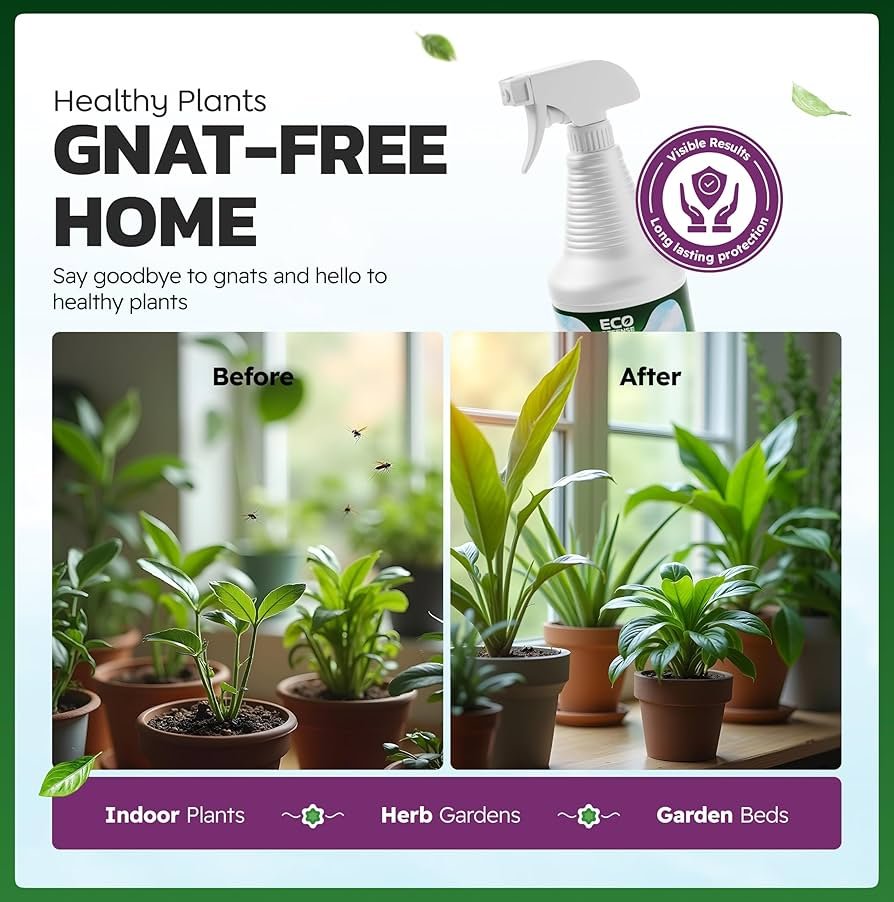
Imagine stepping into your indoor garden, anticipating the fresh aroma and vibrant colors, only to be greeted by swarms of pesky gnats. These tiny invaders can quickly turn your peaceful plant sanctuary into a frustrating battleground.
But fear not—you’re not alone in this struggle, and there’s a solution. You deserve to enjoy the beauty and tranquility of your indoor garden without the nuisance of gnats buzzing around. By understanding what attracts these pests and learning effective prevention strategies, you can reclaim your green oasis and keep it gnat-free.
Ready to uncover the secrets to a pest-free indoor garden? Keep reading to find out how you can protect your plants and maintain a serene environment.
Common Causes Of Gnats
Gnats can be a pesky problem for indoor gardeners, but understanding their common causes is a vital step in keeping them at bay. These tiny intruders often make their way into your home due to favorable conditions that inadvertently invite them. Let’s dive into the primary causes and how you can prevent them.
Overwatering Issues
One of the most frequent culprits of gnat infestations is overwatering. Gnats thrive in moist environments, and excess water creates the perfect breeding ground for them. Are you watering your plants more than they need? Check the soil’s top layer; if it’s still damp, you might be overdoing it. Adjust your watering schedule, allowing the soil to dry out between sessions. This simple change can drastically reduce gnat attraction.
Soil Contamination
Contaminated soil is another common cause of gnats. If the soil you use contains organic matter that is decomposing, it can lure gnats like a magnet. Consider using sterilized potting soil or baking the soil before planting to kill any potential gnat-attracting organisms. You might be surprised at how effective this preventative measure can be.
Poor Air Circulation
Gnats love stagnant air, and poor air circulation can make your indoor garden a haven for them. Is there a spot in your home where air barely moves? You might need to enhance airflow with fans or open windows to create a breezy environment that gnats dislike. Imagine your garden as a well-ventilated space; it’s not just healthier for your plants, but also less appealing to gnats.
By tackling these common causes, you can significantly reduce the chances of gnats invading your indoor garden. Have you considered how these simple adjustments might improve your gardening experience?

Credit: www.amazon.com
Identifying Gnat Infestations
Prevent gnats in your indoor garden by keeping the soil dry. Ensure proper drainage to avoid excess moisture. Regularly check plants for signs of infestation like tiny flying insects.
Identifying gnat infestations in your indoor garden can feel like solving a mystery. These tiny insects can quickly become a big problem if not detected early. Understanding how to spot them is crucial to maintaining a healthy indoor garden. You might think you’re watering your plants perfectly, but if you notice persistent buzzing, it could be time to investigate further.
Recognizing Gnat Types
Not all gnats are the same. Fungus gnats are the most common culprits in indoor gardens. They resemble small mosquitoes and are often found near the soil surface. You might also encounter fruit flies, which are slightly larger and more attracted to ripening fruits. Knowing the difference helps in targeting your efforts effectively.
Signs Of Infestation
Gnats leave behind telltale signs. Yellowing leaves, wilting plants, and small black flies hovering around your plants are all red flags. Check the soil for larvae, which look like tiny worms. If you see them, it’s a sure sign your garden has a gnat problem. Are your plants looking less vibrant? It might be time to scrutinize your indoor garden for these pesky invaders. Curious about that buzzing noise around your plants? It could be more than just a random fly. Addressing these signs promptly can save your plants from further damage.
Preventive Measures
Maintain clean soil by removing fallen leaves and debris to prevent gnats. Water plants sparingly, avoiding overly damp soil. Use sticky traps to capture adult gnats and reduce their population.
Preventive measures are essential for maintaining a healthy indoor garden. Gnats can become a nuisance if not managed properly. By following these effective strategies, you can minimize their presence and keep your plants thriving.
Proper Watering Techniques
Overwatering is a common cause of gnats. Water your plants only when the soil feels dry. Use a watering can with a narrow spout for precision. Avoid leaving standing water in trays or pots. This reduces the chance of gnats breeding.
Choosing The Right Soil
Select well-draining soil to prevent moisture buildup. Gnats thrive in damp environments. Consider mixing sand or perlite into your soil. This improves drainage and reduces gnat attraction. Avoid using heavy, compact soils which retain too much moisture.
Enhancing Airflow
Good airflow can deter gnats from settling. Use a fan to circulate air around your plants. Ensure your plants have enough space between them. This helps reduce humidity levels that attract gnats. Open windows or use vents to improve ventilation.

Credit: www.amazon.com
Natural Remedies
Natural remedies can keep gnats away from indoor gardens effectively. Use cinnamon to deter larvae growth in soil. Sticky traps catch adult gnats, helping maintain a pest-free environment.
Natural remedies offer simple solutions to keep gnats away from your indoor garden. Many people prefer these methods as they are safe and eco-friendly. Let’s explore some effective options that can help maintain a gnat-free environment.
Using Essential Oils
Essential oils can repel gnats naturally. Peppermint, eucalyptus, and tea tree oils work well. Mix a few drops of these oils with water. Use a spray bottle to mist around your plants. The strong scent keeps gnats at bay. Reapply every few days for best results.
Homemade Traps
Create simple traps with items from home. Use apple cider vinegar and dish soap. Fill a shallow dish with vinegar. Add a few drops of dish soap. The vinegar attracts gnats. The soap traps them. Place these dishes near affected plants. Change the mixture regularly for effectiveness.
Beneficial Insects
Introduce beneficial insects like nematodes. These tiny creatures prey on gnat larvae. They reduce gnat populations naturally. Release them into the soil of your indoor garden. Ladybugs can also help by feeding on adult gnats. These natural predators maintain balance and protect your plants.
Chemical Solutions
Chemical solutions offer effective ways to repel gnats in indoor gardens. Use neem oil or insecticidal soap to target these pests. Regular application helps maintain a gnat-free environment, ensuring healthy plants.
Chemical solutions can effectively control gnats in indoor gardens. They target pests without harming your plants. Using safe insecticides and applying them correctly ensures success. Let’s explore these aspects.
Safe Insecticides
Choose insecticides labeled safe for indoor use. Look for natural ingredients like neem oil. These are less toxic to humans and pets. Avoid harsh chemicals which can damage plants. Read labels carefully before purchasing.
Application Tips
Apply insecticides during early morning or late evening. This reduces plant stress and improves effectiveness. Always follow the instructions on the product label. Overuse can harm plants and reduce effectiveness. Use a spray bottle for even coverage. Focus on areas where gnats are most active.
Maintaining A Gnat-free Garden
Prevent gnats in your indoor garden by keeping soil dry and avoiding overwatering. Use well-draining pots and maintain cleanliness. Regularly check plants for signs of infestation and act quickly to manage any issues.
Maintaining a Gnat-Free Garden Gnats can be pesky little creatures, especially when they invade your indoor garden. These tiny insects thrive in moist environments, making your plant pots their ideal home. However, keeping them at bay is entirely possible with a little vigilance and care. Let’s explore practical steps to ensure your indoor garden remains a haven for your plants, not gnats.
Regular Monitoring
Regularly checking your plants is crucial. Gnats often appear unexpectedly and multiply quickly. Inspect the soil surface and leaves for signs of adult gnats or their larvae. Use a magnifying glass if necessary. Consider placing yellow sticky traps around your plants. These traps can help you spot and reduce the gnat population early.
Routine Garden Maintenance
Proper maintenance is key to preventing a gnat infestation. Water your plants only when necessary. Overwatering creates a breeding ground for gnats. Ensure pots have good drainage. Stagnant water is a gnat magnet. Use clean tools and equipment to prevent transferring eggs from one plant to another. By keeping a close eye on your indoor garden and maintaining it meticulously, you can enjoy a gnat-free environment. Have you ever spotted gnats in your plants? What steps did you take to eliminate them?

Credit: www.amazon.com
Frequently Asked Questions
What Attracts Gnats To Indoor Gardens?
Gnats are attracted to moist soil and decaying organic matter. Overwatering your plants creates an ideal environment for them. Ensure proper drainage and avoid leaving standing water. Regularly clean up fallen leaves and debris. Using yellow sticky traps can help monitor and reduce their presence effectively.
How Can I Prevent Gnats Naturally?
To prevent gnats, maintain proper watering practices and ensure good air circulation. Use natural repellents like neem oil or diluted hydrogen peroxide. Introduce beneficial insects like nematodes to control gnats. Regularly inspect and clean plant containers. These methods help keep your indoor garden gnat-free without chemicals.
Are There Any Plants That Repel Gnats?
Yes, some plants naturally repel gnats. Consider growing lavender, rosemary, or mint in your indoor garden. These plants emit strong scents that gnats dislike. Additionally, their aromatic properties can enhance your indoor environment. Placing these plants strategically can help reduce gnat infestation effectively and naturally.
How Often Should I Water Indoor Plants?
Watering frequency depends on plant type and indoor conditions. Generally, wait until the top inch of soil is dry. Overwatering leads to gnat infestations and root rot. Adjust watering based on humidity and plant needs. Always ensure pots have good drainage to prevent excess moisture, which attracts gnats.
Conclusion
Keeping gnats away from your indoor garden takes a few simple steps. Start by maintaining clean soil and avoid overwatering. Use natural repellents like vinegar traps and neem oil. Ensure good air circulation to deter gnats. Regularly inspect plants for signs of infestation.
Act quickly if you spot any gnats. Patience and consistency are key to a gnat-free garden. With these tips, your plants can thrive indoors. Enjoy a healthier and more vibrant indoor garden. A peaceful, gnat-free space awaits you. Happy gardening!







