Imagine stepping into your garden and feeling the instant calm and beauty of a well-arranged plant bed. You can have this oasis right at your fingertips.
Whether you’re a seasoned gardener or just starting out, arranging plants in your garden bed can be both a fun and rewarding experience. But where do you begin? The secret lies in choosing the right plants, understanding their needs, and placing them strategically to create a stunning visual impact.
This article will guide you through simple, actionable steps to transform your garden into a vibrant paradise. You’ll learn how to play with colors, heights, and textures to captivate anyone who visits your garden. Ready to uncover the techniques that will keep your garden lively and flourishing? Keep reading!
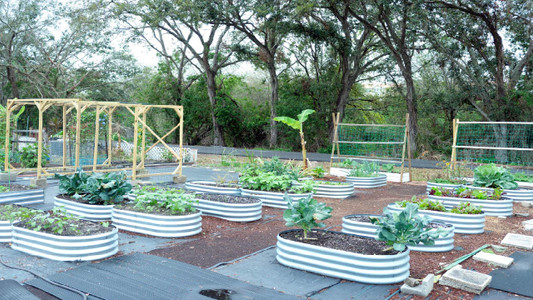
Credit: www.dripworks.com
Choosing The Right Plants
Choosing the right plants for your garden bed ensures a thriving landscape. The right selection creates harmony and beauty, offering a delightful outdoor experience. Consider climate, soil, plant size, growth, and colors for a well-designed garden.
Assessing Climate And Soil
Understand your garden’s climate for plant compatibility. Some plants prefer warm, sunny environments, while others thrive in cooler, shaded areas. Soil type plays a critical role too. Check if your soil is sandy, clay, or loamy. Choose plants suited to your soil’s characteristics for optimal growth.
Considering Plant Size And Growth
Plant size affects garden layout and aesthetics. Some plants grow tall, providing shade and structure. Others remain compact, filling spaces and adding texture. Consider growth patterns. Fast-growing plants might need frequent maintenance. Slow-growing varieties offer stability and long-term beauty.
Selecting Complementary Colors
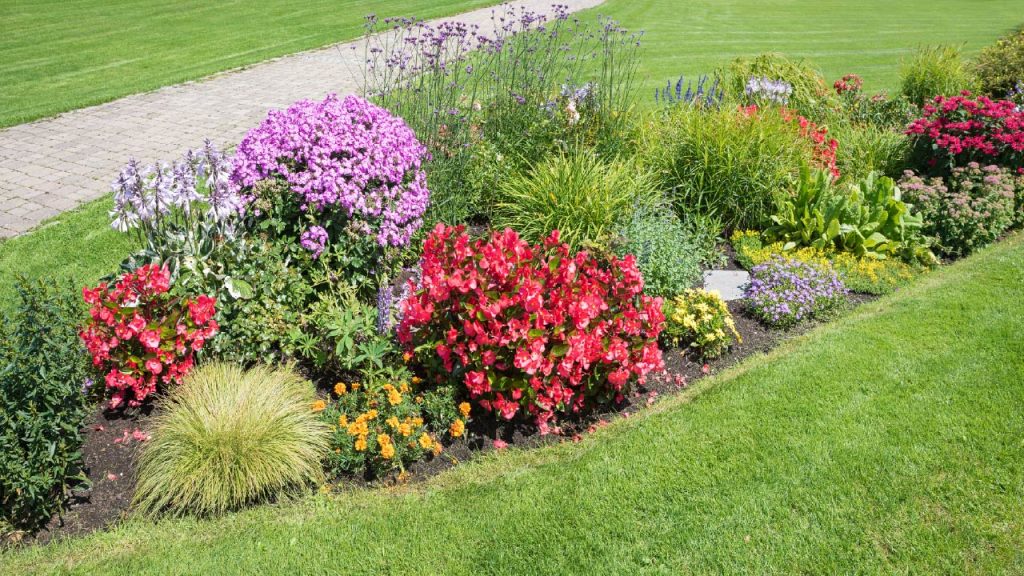
Color choice transforms garden ambiance. Mix colors for vibrant displays. Choose complementary hues for a soothing effect. Cool colors, like blues and purples, create calmness. Warm colors, such as reds and yellows, add energy and excitement.

Credit: www.yahoo.com
Designing Your Garden Layout
Planning a garden bed involves strategic plant placement for optimal growth. Group plants with similar sunlight and water needs. This approach ensures a thriving, harmonious garden.
Designing your garden layout is an exciting journey that combines creativity and functionality. Whether you’re a seasoned gardener or a beginner, arranging plants in your garden bed can transform your outdoor space into a personal sanctuary. Each decision you make, from choosing focal points to balancing symmetry, plays a crucial role in crafting a garden that feels cohesive and inviting.Creating Focal Points
Focal points guide the viewer’s eye and create a sense of order. Think about adding a striking plant, a sculpture, or a vibrant flower bed as a focal point. A tall ornamental grass or a unique shrub can draw attention and add depth. Consider what naturally attracts your eye and let that be your guide in selecting focal points.Balancing Symmetry And Asymmetry
Symmetry can bring a sense of calm and order, while asymmetry adds a dynamic and natural feel. Mix these elements to create balance in your garden. For instance, you might place matching plants on either side of a pathway for symmetry and then break it up with an unexpected cluster of wildflowers. Ask yourself: Does this arrangement feel harmonious?Incorporating Pathways And Borders
Pathways invite exploration and can serve as a practical way to navigate your garden. Consider using stepping stones or gravel paths for a rustic feel. Borders help define spaces and can be created with low hedges or flowering plants. They can also add a sense of structure and make maintenance easier. Your garden layout reflects your personality and style. Experiment with different arrangements and don’t be afraid to make changes. How does your current layout reflect who you are?Planting Techniques
Arrange plants in your garden bed by considering their size, sunlight needs, and color harmony. Place taller plants at the back for depth and shorter ones in front for a layered effect. Group similar plants together to create visual interest and ensure optimal growth conditions.
Planting Techniques in your garden bed can transform it into a thriving, vibrant oasis. These techniques are not just about digging holes and placing plants; they encompass strategies that maximize space, encourage growth, and create a harmonious environment for your flora. Whether you’re a novice gardener or a seasoned pro, understanding how to arrange your plants can significantly impact their health and beauty. Let’s explore some practical methods to make your garden bed flourish.Layering For Depth
Layering adds visual interest and depth to your garden bed. Imagine planting taller plants like sunflowers or delphiniums at the back. This creates a backdrop that frames smaller plants in the middle and front. Consider using mid-sized plants like daisies or lavender to create a transition between the tallest and shortest plants. This approach not only enhances the aesthetics but also ensures each plant gets the sunlight it needs. Try experimenting with different heights and textures. How does your garden bed look with varied heights? The contrast can be striking, inviting you to explore each layer.Spacing For Growth
Proper spacing is crucial for a garden bed that thrives. Crowded plants compete for nutrients, sunlight, and water, often leading to poor growth. Measure the mature width of each plant before placing it in your garden bed. This foresight prevents overcrowding and allows each plant room to breathe and grow. Think about the future. How much space will your plants need in a few months? Planning for growth ensures your garden remains lush and healthy over time.Using Companion Planting
Companion planting is a technique that pairs plants to benefit each other. Some plants repel pests, while others enhance nutrient uptake. Consider pairing tomatoes with basil. Basil can deter pests that love tomatoes, while also improving the flavor of your harvest. Why not mix marigolds with your vegetables? Marigolds can keep harmful nematodes at bay, making them a valuable ally. Have you tried companion planting? It can be a game-changer for your garden’s health and productivity.Caring For Your Garden Bed
Arranging plants in a garden bed enhances growth and beauty. Mix tall and short plants for a layered look. Ensure enough space between them for healthy growth.
Caring for your garden bed ensures healthy, thriving plants. Regular maintenance keeps your garden vibrant and productive. With a few simple steps, you can nurture your plants and enjoy their beauty all season long.Watering And Fertilizing
Proper watering is crucial for plant health. Water deeply, reaching the roots, rather than shallowly. This encourages strong root growth. Early morning is the best time to water. It allows foliage to dry during the day, preventing disease. Fertilizing provides essential nutrients. Choose a balanced fertilizer for overall plant health. Follow the instructions on the package for the best results. Organic options, like compost, enrich the soil naturally.Pruning And Deadheading
Pruning shapes plants and removes dead or diseased parts. Use clean, sharp tools for precise cuts. Deadheading, or removing spent flowers, encourages new blooms. It also keeps plants looking tidy and healthy. Regular maintenance helps plants use energy efficiently.Managing Pests Naturally
Pests can damage plants, so it’s important to manage them. Natural methods are effective and safe for the environment. Encourage beneficial insects like ladybugs to control pests. Companion planting can also deter unwanted bugs. Plants like marigolds repel nematodes and aphids. Regular inspection helps catch pest problems early. Handpick larger pests to reduce their numbers. Use homemade sprays with ingredients like garlic or soap for small infestations. These solutions are gentle on plants and effective against many pests.Seasonal Adjustments
Seasonal adjustments play a crucial role in maintaining a vibrant garden bed. Each season brings its challenges and opportunities. Adjusting your garden arrangements ensures your plants thrive year-round.
Rotating Plants For Freshness
Rotate plants periodically to keep the soil healthy. Different plants use different nutrients. Rotating them helps balance nutrient levels in the soil. It also prevents pest buildup. For example, swap leafy greens with root vegetables. This simple change rejuvenates your garden bed.
Adapting To Weather Changes
Weather impacts plant growth significantly. In hot months, provide shade for sensitive plants. Use taller plants as natural sun shields. During rainy seasons, ensure proper drainage. Avoid waterlogged soil by using raised beds. These adjustments keep your garden resilient.
Preparing For Winter
Winter requires extra care for your garden bed. Mulch your plants to insulate roots. Use straw or leaves for effective insulation. Protect delicate plants with fabric covers. Choose hardy plants that can survive frost. These steps help your garden endure the cold months.

Credit: www.hgtv.com
Frequently Asked Questions
How To Choose Plants For A Garden Bed?
Selecting plants depends on your climate, soil type, and sunlight exposure. Consider native plants for easier maintenance. Choose plants with varying heights and textures for visual interest. Ensure the plants complement each other in color and growth patterns. Research specific plant requirements to ensure they thrive in your garden bed.
What Is The Best Soil Mix For Garden Beds?
A well-draining soil mix is essential for healthy plant growth. Combine topsoil, compost, and peat moss for a balanced mix. Compost enriches the soil with nutrients, while peat moss helps retain moisture. Adjust the mix based on your plants’ specific needs and the local climate conditions.
Regularly amend the soil to maintain its quality.
How To Arrange Plants For Optimal Growth?
Arrange taller plants at the back and shorter ones at the front. This ensures all plants receive adequate sunlight. Group plants with similar water and light requirements together for easier maintenance. Consider spacing to allow air circulation and prevent overcrowding.
Regularly prune and monitor plant health for optimal growth.
How Often Should You Water Garden Beds?
Watering frequency depends on plant types, weather, and soil. Generally, water deeply once or twice a week. Ensure the soil remains moist but not waterlogged. Early morning is the best time to water. Use mulch to retain moisture and reduce evaporation.
Regularly check soil moisture levels to adjust watering schedules.
Conclusion
Arranging plants in a garden bed can be fun. Start by considering colors and sizes. Mix tall and short plants for depth. Leave space between them for growth. Choose plants that thrive in your climate. Use native plants for easy maintenance.
Think about sun and shade needs. Group plants with similar water needs. This helps with watering. Enjoy watching your garden grow and change. Feel proud of your beautiful creation. With care, your garden will flourish. Happy gardening!