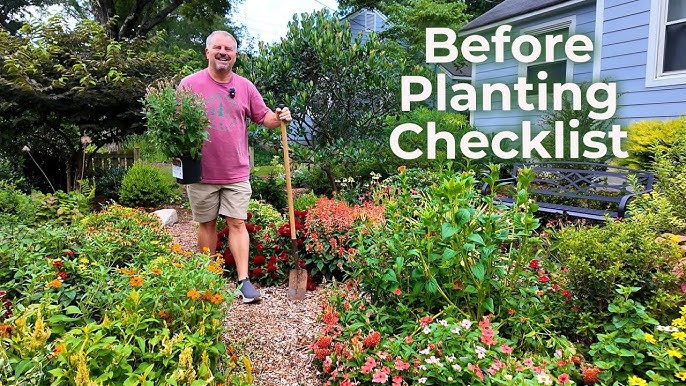
Imagine stepping into your backyard and being greeted by a vibrant tapestry of colors and fragrances. Picture the satisfaction of harvesting fresh vegetables or watching bees dance around your blossoms.
Planting a garden can offer you these daily delights, along with a touch of magic. But how do you transform a patch of earth into your personal paradise? You might wonder about the right steps to take, the tools you’ll need, and the secrets to nurturing thriving plants.
Don’t worry; you’re not alone in your curiosity. This guide is your friend, ready to walk you through each step of the process. By the end, you’ll not only know how to plant a garden but also feel inspired and confident to get your hands dirty. Are you ready to dive into a world where nature and serenity meet? Let’s get started!
Choosing The Right Location
Selecting the perfect spot for your garden is crucial. Ensure the area gets ample sunlight and has well-drained soil. Consider wind protection and accessibility for easy maintenance.
Choosing the right location for your garden is the cornerstone of successful planting. A well-chosen spot can make all the difference between thriving plants and lackluster growth. Consider these critical factors to ensure your garden flourishes.Sunlight And Shade
Understanding the light requirements of your plants is crucial. Most vegetables and flowers need at least six to eight hours of sunlight daily. Walk around your yard at different times to observe how sunlight moves across the space. But don’t dismiss the importance of shade. Some plants thrive in partial or full shade, especially during hot summer months. Consider areas that provide natural shade from buildings or trees if your plants need protection from intense afternoon sun.Soil Quality
Healthy soil is the foundation of a productive garden. Check the texture and drainage by picking up a handful of soil and squeezing it. Good soil crumbles easily without clumping too much. Conduct a simple soil test to determine pH levels and nutrient content. Amend the soil with organic matter like compost to improve its quality. Remember, plants in nutrient-rich soil grow stronger and are more resistant to pests and diseases.Proximity To Water Source
Convenience is key when it comes to watering your garden. Ensure your garden is close to a water source, whether it’s a garden hose or a rain barrel. This makes regular watering easier and more efficient. Think about how often you’ll need to water and how much time you can dedicate to it. If water is too far away, you might find yourself neglecting your garden during hot spells. A well-placed garden can save you time and effort in the long run. Choosing the right location involves thoughtful observation and planning. By considering sunlight, soil, and water access, you set your garden up for success. What insights have you gained from choosing your garden spot?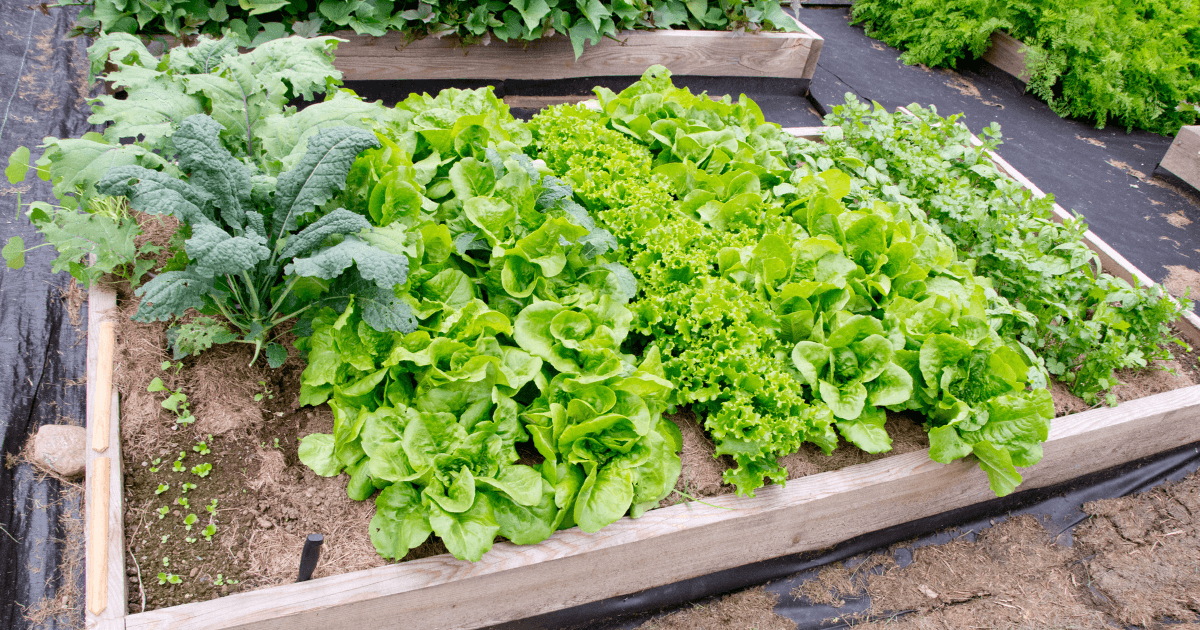
Credit: northerngardener.org
Selecting The Best Plants
Choosing the right plants for your garden creates a thriving outdoor space. Consider sunlight, soil type, and climate before planting. Select a mix of flowers, herbs, and vegetables to enhance biodiversity and visual appeal.
Selecting the right plants for your garden is like choosing the perfect ingredients for a meal. The choices you make can significantly impact the success and beauty of your garden. By considering factors like climate, purpose, and whether to choose native or exotic species, you can create a thriving outdoor space. Let’s dive into these considerations to help you make informed decisions.Climate Compatibility
Understanding your local climate is crucial when selecting plants. Imagine planting a tropical flower in a cold region—it simply won’t survive. Check the hardiness zones in your area and choose plants that thrive in those conditions. Consider your garden’s exposure to sunlight and shade. Some plants bask in full sun, while others prefer the cool, shaded areas. Think about rainfall patterns, too. If you live in a dry climate, drought-resistant plants might be your best bet.Purpose Of The Garden
What do you want from your garden? Is it a peaceful retreat, a source of fresh produce, or a vibrant display of colors? For a vegetable garden, focus on edible plants that suit your culinary tastes. Leafy greens and tomatoes are popular choices. If you wish to attract wildlife, consider plants that provide nectar, seeds, or shelter for local birds and insects.Native Vs Exotic Species
Native plants are adapted to your local environment, making them easier to maintain. They often require less water and fertilizer, reducing your garden’s ecological footprint. Exotic species can add unique beauty and diversity to your garden, but they may demand more attention. Be mindful of their potential invasiveness, which can disrupt local ecosystems. Explore the balance between native and exotic plants. How can you create a garden that celebrates both local heritage and global diversity? By carefully selecting plants based on these factors, you can ensure a garden that not only survives but thrives, bringing joy and satisfaction year-round.Preparing The Soil
Preparing the soil is crucial for a thriving garden. Begin by clearing weeds and debris to create a clean base. Add compost or organic matter to enrich the soil, ensuring nutrients are available for plants.
Preparing the soil is the first step to a thriving garden. Healthy soil lays the foundation for strong plants. It influences growth, water absorption, and nutrient availability. Let’s dive into the essential steps for enriching your garden soil.Soil Testing
Testing your soil reveals its pH and nutrient levels. This helps you understand what your garden needs. Use a simple home test kit. Follow the instructions for accurate results. Check for acidity, alkalinity, and nutrient deficiencies. These factors affect plant health. Knowing them guides your soil preparation process.Adding Nutrients
Once you know your soil’s needs, add the right nutrients. Compost is a great choice for enriching soil. It improves texture and adds organic matter. Consider fertilizers to balance nutrient levels. Choose organic options for a natural boost. Ensure your plants get enough nitrogen, phosphorus, and potassium. These nutrients are crucial for growth.Mulching Techniques
Mulching protects soil and retains moisture. It prevents weeds and moderates soil temperature. Use organic mulch like straw, leaves, or wood chips. Lay a thick layer around your plants. This shields roots and nourishes the soil. Mulch breaks down over time, enriching the earth below. It’s a simple way to boost soil health.
Credit: littlesproutslearning.co
Planting Techniques
Choose the right location with sunlight and good soil. Prepare the soil by removing weeds and adding compost. Arrange plants in a layout considering space and plant type.
Planting techniques are the foundation of a thriving garden. Whether you’re a seasoned gardener or just starting out, understanding how to plant effectively can make all the difference. From choosing between seeds and seedlings to perfecting the spacing and depth, each technique plays a crucial role in the success of your garden. Let’s dive into these techniques and explore how you can cultivate a garden that flourishes with life and color.Seed Vs Seedlings
Deciding between seeds and seedlings is like choosing between a blank canvas and a paint-by-number kit. Seeds offer a wider variety and can be more cost-effective. They require patience as they take longer to mature. On the other hand, seedlings give you a head start, as they are already established and can bring quicker results. Consider the time of year and the climate in your area. If you’re planting in spring with a short growing season, seedlings might be your best bet. However, if you’re planning a garden in a mild climate, seeds can be a rewarding choice, allowing you to nurture your plants from the very beginning.Spacing And Depth
Proper spacing and depth are crucial for healthy plant growth. Crowding plants can lead to competition for nutrients and sunlight. This may result in weaker plants and smaller yields. On the flip side, too much space can leave gaps and make your garden look sparse. Follow the instructions on seed packets or plant labels. They provide guidance on how far apart and how deep to plant each type. As a rule of thumb, larger seeds need more depth while smaller seeds should be closer to the surface. Experiment with different arrangements to see what works best for your garden.Companion Planting
Companion planting can transform your garden into a symbiotic ecosystem. Some plants thrive when grown together, while others compete. For instance, pairing tomatoes with basil can enhance flavor and deter pests. Conversely, avoid planting onions near peas as they can inhibit each other’s growth. Think about what you want from your garden. Are you looking for maximum yield, pest control, or flavor enhancement? Mixing compatible plants can help achieve your goals. Take the time to research and plan your garden layout. This can be a fun opportunity to try new combinations and discover what works best for you.Watering Strategies
Watering your garden requires careful planning. This ensures healthy plant growth. Different strategies suit different gardens. Let’s explore some effective ways to water your garden.
Watering Schedule
A consistent watering schedule is essential. Mornings are the best time to water. This allows plants to absorb water before the sun’s heat. Evening watering can lead to fungal growth. Adjust your schedule based on the season. During hot months, water more frequently. In cooler months, reduce watering.
Drip Vs Overhead
Drip irrigation targets the roots directly. This method conserves water and reduces evaporation. It prevents water from sitting on leaves, reducing disease risk. Overhead watering mimics natural rain. It can be effective but may lead to water waste. Use a sprinkler for even coverage. Choose the method that fits your garden’s needs.
Rainwater Harvesting
Rainwater harvesting is an eco-friendly option. Collect rainwater in barrels. Use this water for your garden. It reduces your water bill and conserves resources. Ensure your barrels are clean and covered. This prevents mosquito breeding. Install a filter to remove debris. Rainwater is a natural, sustainable resource.
Garden Maintenance
Garden maintenance is crucial for a thriving, vibrant space. Regular care ensures plants grow healthy and strong. It also keeps your garden looking its best throughout the year. With consistent upkeep, your garden will flourish and bring joy to you.
Weed Control
Weeds compete with your plants for nutrients and water. Regularly remove them to keep your garden healthy. Use a hand trowel or hoe for small weeds. For larger areas, consider mulching. Mulch suppresses weed growth and retains soil moisture. Keep an eye on your garden weekly. Address any weed issues promptly to prevent them from spreading.
Pest Management
Pests can harm your plants and reduce yields. Inspect plants regularly for signs of damage. Identify common garden pests like aphids, snails, and caterpillars. Use natural solutions like neem oil or insecticidal soap. Encourage beneficial insects like ladybugs. They help control pest populations naturally. Keep your garden clean and debris-free. It reduces pest hiding spots.
Seasonal Pruning
Pruning encourages healthy growth and shapes your plants. Each plant type has specific pruning needs. For flowering plants, prune after they bloom. For fruit trees, prune during dormant seasons. Use sharp, clean tools to make precise cuts. Remove dead or diseased branches first. This prevents disease spread. Trim overgrown areas to improve air circulation. It also allows sunlight to reach all parts of the plant.
Sustainable Practices
Embrace sustainable gardening by choosing native plants and using compost as natural fertilizer. Reduce water usage with rainwater collection and drip irrigation. These practices promote a thriving, eco-friendly garden.
Planting a garden isn’t just about creating a beautiful space; it’s about nurturing the earth and ensuring that your gardening practices are sustainable. Sustainable gardening allows you to grow your plants in harmony with nature, reducing waste and conserving resources. By adopting sustainable practices, you can create a thriving garden that benefits both you and the environment.Organic Gardening
Organic gardening is a commitment to growing without synthetic fertilizers or pesticides. It relies on natural processes and materials to cultivate healthy plants. You can start by using seeds and plants labeled as organic, ensuring they haven’t been treated with chemicals. Rotating crops is another simple yet effective organic practice. By changing plant locations each year, you can naturally manage pests and diseases. Have you tried companion planting? Combining certain plants can enhance growth and deter unwanted insects.Composting
Composting is a fantastic way to recycle kitchen scraps and yard waste into nutrient-rich soil. By composting, you’re reducing landfill waste and enriching your garden simultaneously. Start by setting up a compost bin in a convenient location in your garden. Add a mix of green waste like fruit peels and coffee grounds, and brown waste like dried leaves and cardboard. Remember to turn the pile regularly to speed up decomposition. Watching waste transform into valuable compost is a rewarding experience that benefits your plants.Conserving Resources
Conserving resources in your garden is crucial for sustainable gardening. Simple practices like collecting rainwater can significantly reduce your water usage. Set up rain barrels to capture runoff from your roof, and use this water to nourish your plants. Mulching is another resource-saving technique. By covering the soil with organic materials like straw or bark, you retain moisture and suppress weeds. Ever thought about planting native species? They require less water and are adapted to local conditions, making them an ideal choice for resource conservation. By adopting these sustainable practices, you can grow a vibrant garden that respects and protects our planet. What changes can you make today to ensure your garden is sustainable for tomorrow?:strip_icc()/BHG-Garden-Allium-A9M0_OGrKqM8qIuuwX4Kyc-f9a259b55f3644408a8de40d98649ebf.jpg)
Credit: www.bhg.com
Frequently Asked Questions
What Is The Best Time To Plant A Garden?
The ideal time to plant a garden depends on your location and the plants. Generally, spring is best for most vegetables and flowers. Fall is ideal for bulbs and perennials. Check local climate and frost dates to ensure optimal growth.
How Do You Choose Garden Plants?
Selecting garden plants depends on climate, soil, and sunlight. Consider local weather and soil type. Choose plants that match these conditions. Also, consider the garden layout. Combining colors and plant heights can enhance visual appeal.
What Tools Are Essential For Gardening?
Essential gardening tools include a trowel, gloves, and watering can. Pruning shears and a garden fork are also helpful. These tools assist with planting, maintaining, and harvesting. Investing in quality tools can make gardening tasks easier.
How To Prepare Soil For Planting?
To prepare soil, start by removing weeds and debris. Next, loosen the soil with a garden fork. Add organic matter, like compost, to enrich the soil. Test soil pH to ensure it’s suitable for your chosen plants.
Conclusion
Planting a garden offers joy and relaxation. Start with healthy soil. Choose plants suited for your climate. Water them regularly but avoid overwatering. Provide sunlight to encourage growth. Keep pests away using natural methods. Prune plants to maintain their shape.
Add mulch to retain moisture. Gardening needs patience, but it rewards well. Enjoy watching your garden bloom. Share your experience with others. Gardening connects you with nature. It’s a fulfilling hobby. Ready to dig in? Let your garden be your peaceful retreat.
Explore and learn as you nurture your green space. Happy gardening!







