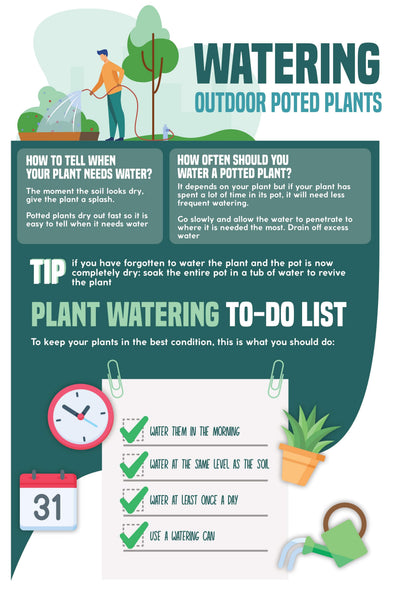
Imagine stepping into your garden, the earth freshly turned, and the promise of vibrant blooms or lush vegetables just beginning to unfold. You’ve planted with care, but now comes a crucial question: how often should you water to ensure your garden thrives?
It’s a delicate balance that can make all the difference between flourishing plants and those that struggle. You might be tempted to water every day, thinking more is better. But hold on—overwatering can be just as harmful as underwatering. We’ll unravel the secrets of watering, tailored specifically to your garden’s needs.
You’ll discover simple tips that will help your plants grow strong and healthy. Don’t let uncertainty keep you from having the garden of your dreams. Read on, and take control of your garden’s future with confidence.

Credit: savvygardening.com
Factors Affecting Watering Frequency
Soil type, climate, and plant species influence how often to water a garden after planting. Sandy soil drains quickly, needing frequent watering, while clay retains moisture longer. Hot, dry climates require more frequent watering compared to cooler regions. Different plants have varied water needs, affecting watering schedules.
Factors Affecting Watering Frequency Knowing how often to water your garden can be tricky. Several factors influence the right watering schedule. Understanding these factors can help maintain healthy plants and conserve water.Soil Type And Composition
Soil type plays a crucial role in watering frequency. Sandy soils drain quickly, needing more frequent watering. In contrast, clay soils retain water longer, reducing the need for frequent watering. Loamy soil balances both, offering good drainage and moisture retention.Climate And Weather Conditions
Climate has a significant impact on watering needs. Hot, dry climates require more watering to prevent plants from drying out. In humid areas, less frequent watering is needed. Rainfall can also affect watering schedules. Regular rain reduces the need for additional watering.Plant Species And Needs
Different plants have varying water needs. Succulents and cacti thrive in dry conditions, needing less water. Vegetables and flowers usually require more frequent watering. Understanding your plant’s specific needs helps in setting a proper watering schedule. By considering these factors, you can ensure your garden stays healthy and vibrant.Initial Watering After Planting
Watering new plants is crucial to their growth. Ensure soil remains moist, not soggy, in initial weeks. Check moisture level daily, adjusting water as needed.
After planting your garden, the initial watering phase is crucial for the health and success of your plants. This is the time when your plants begin to settle into their new environment, making proper watering techniques essential. It’s not just about pouring water over them; it’s about setting the stage for robust growth.Immediate Watering Techniques
Right after planting, your garden needs a generous drink of water. Ensure that the soil around the roots is thoroughly moist. Use a gentle spray setting on your hose to avoid washing away the soil. A personal tip: use your finger to check the moisture level. If the top inch of soil is dry, it’s time to water. This tactile method ensures you’re not over or under-watering.Importance Of Root Establishment
The initial watering helps roots establish themselves firmly in the soil. This is vital for the plant’s ability to absorb nutrients and withstand environmental stress. A well-watered root system lays the foundation for healthy plant development. Imagine planting a tree in your backyard. Proper initial watering encourages the roots to grow deeper, anchoring the tree securely. Isn’t it satisfying to know that your careful watering now will help your plants thrive in the future?Signs Of Overwatering And Underwatering
Watering after planting requires balance. Yellow leaves and wilting signal overwatering, while dry soil and brown edges indicate underwatering. Pay attention to plant needs for a healthy garden.
Watering your garden properly is crucial for healthy plants. Too much or too little can lead to problems. Knowing the signs of overwatering and underwatering helps you adjust your watering routine. Understanding these symptoms ensures your garden thrives. `htmlRecognizing Overwatering Symptoms
Overwatering makes leaves look yellow or wilted. Roots might start to rot. You may notice a musty smell from the soil. Plants can show stunted growth. New leaves may drop easily. Soil might feel soggy even days after watering. Fungus or mold can appear on the surface. htmlIdentifying Underwatering Indicators
Seasonal Watering Adjustments
Adjust garden watering based on weather changes. Newly planted gardens need daily watering for the first week. After that, reduce to every other day to promote root growth.
Watering your garden isn’t a one-size-fits-all task. Seasonal changes demand adjustments, ensuring your plants thrive year-round. Understanding these nuances can make a significant difference in your garden’s health and beauty.Spring And Summer Considerations
Spring introduces warmer temperatures and longer daylight hours. Your plants, emerging from dormancy, will need more frequent watering. Consider the type of soil in your garden. Sandy soil may require daily watering, while clay retains moisture longer, needing less frequent attention. In summer, the heat intensifies, and evaporation rates soar. Monitor your plants closely for signs of wilting, a clear indicator they need more hydration. Water early in the morning or late in the evening to minimize evaporation. A simple garden hose timer can be a game-changer, saving you time and effort.Fall And Winter Guidelines
Fall brings cooler temperatures and often more rainfall. It’s time to scale back your watering schedule. Check the moisture level in the soil before watering. Overwatering in the fall can lead to root rot, especially in clay-heavy soils. Winter requires minimal watering, as many plants enter a dormant phase. However, if your region experiences dry spells, a light watering may be necessary. Remember, a layer of mulch can help retain moisture and protect roots from freezing temperatures. Are you adjusting your watering practices to suit the season?Watering Techniques And Tools
Understanding the right watering schedule is crucial after planting. Newly planted gardens usually require daily watering for the first week. Adjust frequency based on weather and soil moisture levels to ensure healthy growth.
Watering your garden after planting is crucial for ensuring your plants’ health and growth. The right techniques and tools can make all the difference. Whether you’re using advanced systems or traditional methods, understanding how to effectively water your garden can save time, water, and effort.Efficient Irrigation Systems
Investing in an efficient irrigation system can transform your gardening routine. Drip irrigation, for example, delivers water directly to the plant’s roots, minimizing waste and ensuring your plants get exactly what they need. Smart irrigation controllers adjust watering schedules based on weather conditions, making your garden more sustainable. Consider systems that allow you to water different zones separately. This flexibility ensures that plants with varying water needs receive the appropriate amount. If you’re tech-savvy, smartphone-controlled systems can offer convenience and precision.Manual Watering Methods
For those who prefer a more hands-on approach, manual watering can be both therapeutic and effective. Using a watering can or hose with an adjustable nozzle allows you to control the flow and reach of water. This method is ideal for small gardens or specific plant areas that need extra attention. Watering early in the morning or late in the afternoon reduces evaporation. It also allows plants to absorb moisture more effectively. Pay attention to the soil’s moisture level; if it feels dry a few inches below the surface, it’s time to water.Use Of Mulch For Moisture Retention
Adding mulch to your garden is a simple way to retain moisture and reduce the frequency of watering. Organic mulches like straw or wood chips not only conserve water but also improve soil quality as they decompose. They create a protective barrier that keeps the soil cool and prevents evaporation. A layer of mulch also helps suppress weeds that compete for water. Be sure to keep the mulch a few inches away from plant stems to prevent rot. Have you ever noticed how lush and hydrated a well-mulched garden looks? It’s a testament to the power of this simple, yet effective technique.
Credit: www.rasnetwork.org
Common Mistakes To Avoid
Avoid watering plants too frequently, which may lead to root rot. Ensure soil is moist, not soggy, for healthy growth. Check weather forecasts to adjust watering schedules.
Gardening is a rewarding hobby, but getting the watering schedule right can be tricky. Many new gardeners make common mistakes that can hinder plant growth. Let’s explore some of these pitfalls so you can avoid them and keep your garden thriving.Ignoring Soil Type Differences
Different soils retain water differently. Clay soil holds moisture longer, while sandy soil dries out quickly. Knowing your soil type helps you adjust your watering schedule appropriately. Test your soil by feeling it. Is it gritty or sticky? Adjust your watering to match its needs. This simple step can prevent overwatering or underwatering.Inconsistent Watering Schedules
Plants thrive on consistency. Random watering can stress them out, affecting growth and yield. Set a routine that fits both your schedule and your garden’s needs. Use reminders or alarms to stick to your watering plan. Consistency helps plants establish strong roots, leading to a healthier garden.Neglecting Environmental Factors
Weather plays a big role in how much water your garden needs. Sunny, windy days dry out soil faster than cloudy, calm ones. Keep an eye on the forecast and adjust your watering accordingly. Consider the season too. Spring showers might reduce the need for additional watering, while summer heat may require more frequent attention. Being aware of these factors ensures your plants get just the right amount of water.Expert Tips For Optimal Watering
Watering your garden after planting is crucial for healthy growth. Proper watering ensures plants receive the necessary nutrients. But how often should you water? Follow expert tips to find the right balance. Let’s explore how you can make informed watering decisions.
Consulting Local Gardening Experts
Local gardening experts know your area’s climate well. They can provide insights on rainfall patterns. This helps in determining the best watering schedule. Experts can also advise on plant-specific needs. Visit local nurseries or gardening clubs for advice.
Implementing Water-saving Practices
Water-saving techniques help conserve resources. Use mulch around plants to retain moisture. Drip irrigation systems deliver water directly to roots. Choose drought-resistant plants for less watering needs. Collect rainwater for a sustainable water source. These practices keep your garden healthy and environmentally friendly.

Credit: www.youtube.com
Frequently Asked Questions
How Often Should I Water New Plants?
Newly planted gardens need regular watering to establish roots. Water deeply once a week, ensuring the soil is moist. Adjust frequency based on climate and soil type. In hot weather, increase watering to twice a week. Always check soil moisture before watering to avoid overwatering.
Is It Necessary To Water Daily After Planting?
Daily watering isn’t always necessary for new gardens. Overwatering can harm plants. Instead, aim for deep, weekly watering. This encourages strong root growth. Monitor soil moisture and weather conditions. Adjust watering frequency as needed, especially during dry spells or heatwaves.
How Do I Know When To Water My Garden?
Check soil moisture by inserting your finger into the soil. If the top inch feels dry, it’s time to water. Observe plant leaves; wilting can indicate dehydration. Consider weather conditions, as rain can reduce watering needs. Adjust based on plant type and climate.
Can Overwatering Harm My Newly Planted Garden?
Yes, overwatering can harm plants by drowning roots and causing rot. It prevents oxygen from reaching roots, affecting growth. Always check soil moisture before watering. Ensure adequate drainage to prevent waterlogging. Adjust watering based on plant species and local climate conditions.
Conclusion
Watering your garden properly helps plants grow strong and healthy. Check soil moisture regularly to know when to water. Observe plant leaves for signs of thirst. Too much water can harm plants. Too little water stresses them. Adjust watering based on weather and soil type.
Consistent care ensures a thriving garden. New plants need more attention. Established plants require less frequent watering. Stay observant and adapt your watering routine. This balance supports a lush, vibrant garden. Enjoy watching your plants flourish with the right care.
Happy gardening!







