Imagine stepping into your garden, the vibrant colors and lush greenery creating a serene escape from the daily grind. But wait—something seems off.
Your plants appear lackluster, and the blooms aren’t quite as brilliant as you’d hoped. Could it be the fertilizer? If you’re wondering how often to fertilize garden plants, you’re not alone. This question plagues many gardeners who want nothing more than to see their plants thrive.
You might think more is better, but over-fertilizing can lead to disappointment and damaged plants. On the other hand, too little can leave them hungry and underdeveloped. Striking the perfect balance is key, and it’s easier than you might think. This article will guide you through understanding the needs of your plants, ensuring they get the right nutrients at the right time. By the end, you’ll know exactly when and how to feed your garden, transforming it into the vibrant paradise you envision. So, are you ready to unlock the secrets to a flourishing garden? Let’s dive in!
Credit: dengarden.com
Optimal Fertilization Frequency
Understanding the optimal fertilization frequency can make a significant difference in the health and vitality of your garden plants. Fertilizing too often can harm your plants, while too little can stunt their growth. Striking the right balance requires a keen observation of your plants’ needs and understanding the type of soil they thrive in. Are you wondering how often you should fertilize your garden plants to keep them flourishing?
Consider Your Plant Type
Different plants have different nutritional needs. Vegetables and flowering plants, for instance, usually require more frequent fertilization than shrubs and trees. You might find that your tomatoes crave nutrients every few weeks, while your azaleas might need them only once a season. Tailor your fertilization schedule to the specific requirements of your plants.
Assess Soil Quality
Soil quality plays a crucial role in determining fertilization frequency. Rich, loamy soil with ample organic matter often requires less frequent fertilization. Conduct a soil test to understand its nutrient levels. If your soil is sandy or clay-heavy, you might need to fertilize more often to ensure your plants receive adequate nutrients.
Observe Plant Behavior
Your plants will often tell you when they need feeding. Watch for signs like yellowing leaves or stunted growth. These can indicate a need for more frequent fertilization. Conversely, lush growth and vibrant colors suggest that your current schedule is effective. Pay attention to these cues to adjust your fertilization routine accordingly.
Adjust For Seasonality
Seasonal changes affect how often you should fertilize your garden. During the growing season, plants generally require more nutrients. In contrast, during dormant periods, they need less. Adjust your fertilization schedule with the seasons to align with your plants’ natural cycles.
Use Fertilizer Wisely
Not all fertilizers are created equal, and the type you use can impact how often you need to apply them. Slow-release fertilizers are perfect for those who prefer less frequent application, as they provide nutrients gradually. In contrast, liquid fertilizers might need to be applied more regularly. Choose the right type for your gardening style and plant needs.
Credit: www.gardenary.com
Factors Influencing Fertilization Needs
Understanding plant type, soil quality, and climate helps determine fertilization frequency. Regular checks ensure optimal growth. Adjust schedules based on seasonal changes and plant response.
Fertilizing garden plants is not a one-size-fits-all activity. Various factors determine how often you should add nutrients to your plants. Understanding these factors can transform your garden from average to abundant. Let’s explore how soil quality, plant type, and growth stage influence your fertilization strategy.Soil Quality
The quality of your soil plays a crucial role in determining fertilization frequency. Poor soil may require more frequent nutrient boosts to support plant health. Conducting a soil test can provide valuable insights into nutrient deficiencies. Healthy soil, rich in organic matter, might not need as much fertilization. Adding compost can often be enough to maintain nutrient levels. Think of your soil as the foundation of your garden’s success.Plant Type
Different plants have different nutritional needs. Vegetables like tomatoes and peppers are heavy feeders and may need more regular fertilization. In contrast, native plants or drought-tolerant varieties might thrive with less frequent feeding. Consider the specific requirements of each plant type in your garden. Tailoring your approach can lead to healthier, more productive plants. Are you giving each plant what it truly needs?Growth Stage
The growth stage of a plant greatly influences its fertilization needs. Young plants often require more nutrients to support rapid growth. As plants mature, their nutrient requirements may decrease. During flowering or fruiting, plants might need another nutrient boost. Recognizing these stages can help you provide the right nutrients at the right time. Are you attentive to your plants’ changing needs? By keeping these factors in mind, you can develop a fertilization plan that suits your garden’s unique needs. Tailoring your approach can lead to a more vibrant and successful garden.Signs Your Plants Need Fertilizing
Fertilizing garden plants is crucial for their health and growth. But how do you know when it’s time to fertilize? Plants often show signs when they need extra nutrients. Recognizing these signs can help maintain a vibrant garden. Here are some common indicators your plants might need fertilizing:
Yellowing Leaves
Yellow leaves often mean nutrient deficiency. It usually points to a lack of nitrogen. This nutrient helps plants stay green and healthy. If leaves turn yellow, it might be time to feed them.
Stunted Growth
Plants should grow steadily. If growth slows, they might lack nutrients. Stunted growth often signals poor soil nutrition. Ensure your plants get the food they need to thrive.
Poor Flowering
Flowers are a key sign of plant health. If flowering is weak, check nutrient levels. Phosphorus supports strong blooms. A lack of it can reduce flowering. Fertilizing can boost flower production.
Choosing The Right Fertilizer
Choosing the right fertilizer depends on how often you need to fertilize garden plants. Most garden plants thrive with fertilization every few weeks during the growing season. Adjust frequency based on plant needs and soil conditions for best results.
Choosing the right fertilizer for your garden can feel overwhelming with so many options available. Fertilizers play a crucial role in ensuring your plants get the nutrients they need to thrive. But how do you decide which one to use? Understanding the differences between organic and synthetic fertilizers, as well as balanced and specialized formulas, can help you make the best choice for your garden’s unique needs.Organic Vs. Synthetic
Choosing between organic and synthetic fertilizers often depends on your gardening goals and values. Organic fertilizers, made from natural materials like compost and manure, improve soil structure and promote healthy microbial activity. They release nutrients slowly, providing a steady supply for your plants. On the other hand, synthetic fertilizers are manufactured with chemical processes. They offer precise nutrient ratios and immediate availability, which can be beneficial for quickly correcting deficiencies. However, they may not enhance soil health in the long run. Consider your garden’s needs. Are you looking for a quick boost or long-term soil improvement? Your answer will guide your choice between organic and synthetic options.Balanced Vs. Specialized
Balanced fertilizers contain equal proportions of essential nutrients like nitrogen, phosphorus, and potassium (NPK). They are versatile and can be used for a variety of plants, making them a convenient option for mixed gardens. However, not all plants have the same nutritional requirements. Specialized fertilizers are formulated to meet the specific needs of certain plants or growth stages. For instance, tomato fertilizers have higher potassium levels to support fruit development, while lawn fertilizers focus on nitrogen to promote lush green growth. Think about the plants in your garden. Do they have unique needs that a specialized fertilizer could address? Tailoring your choice can lead to healthier, more productive plants. Choosing the right fertilizer is not just about picking a product off the shelf. It’s about understanding your garden’s specific needs and how different fertilizers can meet those needs effectively. What have you learned about your garden’s needs through trial and error?Application Techniques
Determining the right fertilizing schedule keeps plants healthy. Fertilize garden plants every 4-6 weeks for best growth. Adjust frequency based on plant type and soil quality.
When it comes to keeping your garden plants lush and thriving, mastering the art of fertilization is key. But how exactly should you apply those nutrients? Understanding the different application techniques can make all the difference in the health and vibrancy of your garden. Each method has its own unique benefits and suits different types of plants and gardens. Let’s dive into the specifics to find out which technique might work best for your green sanctuary.Granular Fertilizers
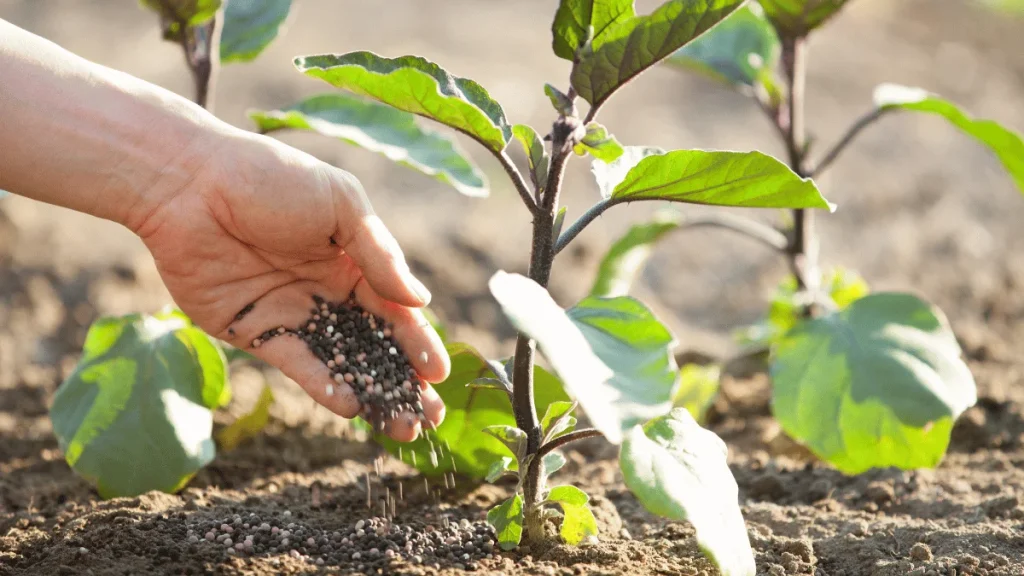
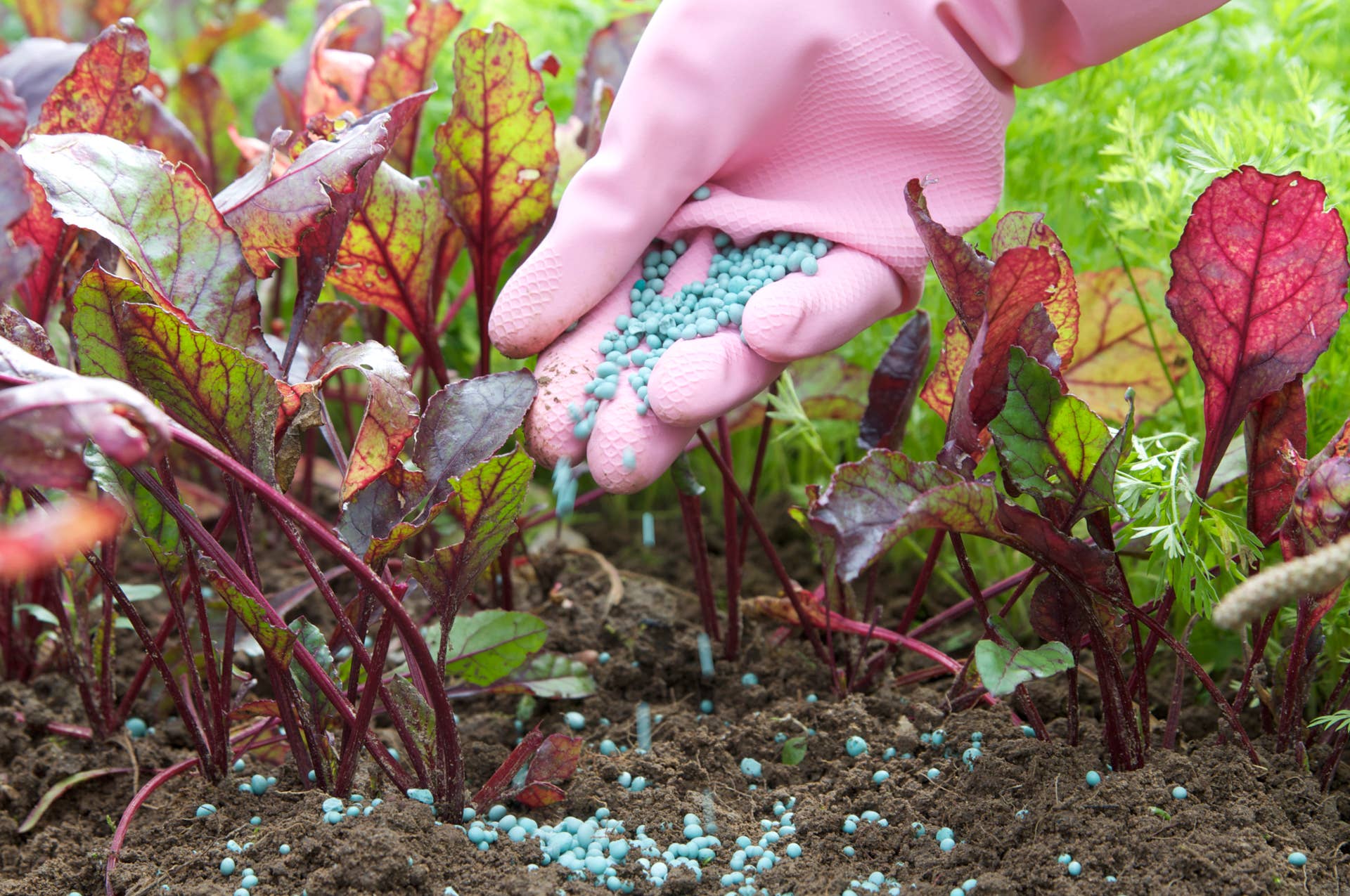
Granular fertilizers are a favorite among gardeners for their ease of use and long-lasting effects. They come in pellet form and are typically spread over the soil. This technique is great for feeding your plants slowly over time, as the nutrients are released gradually. To apply, simply sprinkle the granules evenly around the base of your plants. Be cautious not to let them touch the leaves, as this can cause burning. Water the area thoroughly after application to help the granules dissolve into the soil.Liquid Fertilizers
Liquid fertilizers offer a quick nutrient boost, perfect for plants needing immediate attention. These are diluted in water and applied directly to the soil or sprayed onto the foliage. This method allows the plants to absorb nutrients quickly. Mix the liquid fertilizer according to the instructions on the package. Use a watering can or sprayer to apply it evenly. Avoid applying during the hottest part of the day to prevent evaporation and leaf scorch.Foliar Feeding
Foliar feeding is a technique where nutrients are sprayed directly onto the leaves of the plants. This method can be particularly effective for fast-growing plants or those showing signs of deficiency. The leaves absorb nutrients faster than roots, offering a quick fix for nutrient shortages. To foliar feed, use a fine mist sprayer and apply the solution evenly across the foliage. Ensure the undersides of the leaves are covered as well, as they are often more receptive. This technique is best done in the early morning or late afternoon to prevent leaf burn from the sun. Which technique do you think will work best for your garden? Each has its benefits, and sometimes a combination might be the perfect solution. Remember, the key is to observe how your plants respond and adjust your methods accordingly. Happy gardening!Seasonal Fertilization Guide
Fertilizing garden plants throughout the year ensures healthy growth. Understanding the seasonal needs of your plants can boost their productivity. Different seasons require different approaches to fertilization. Let’s explore how to nourish your plants effectively across the seasons.
Spring Applications
Spring is a critical growth period for most plants. As the soil warms, roots begin absorbing nutrients actively. Apply a balanced fertilizer to support new growth. Consider a slow-release formula to provide steady nutrients. Focus on nitrogen-rich fertilizers to enhance leaf development. Early spring applications can set the tone for a vibrant garden. Ensure the soil is moist before fertilizing to prevent root burn.
Summer Feeding
Summer requires maintaining energy for blooming and fruiting. Plants consume more nutrients during this time. Use a fertilizer high in phosphorus and potassium. These nutrients support flowers and fruit production. Water your plants well before and after fertilizing. This helps in nutrient absorption and prevents stress. Adjust the feeding schedule based on plant needs and weather conditions.
Fall Preparations
Fall is about preparing plants for dormancy. Reduce the amount of fertilizer as growth slows down. Focus on fertilizers with less nitrogen. Too much nitrogen encourages new growth, which can be damaged by frost. Potassium-rich fertilizers help strengthen roots for winter. Consider using organic compost to enrich the soil. This supports microbial activity, improving soil health over winter.
Common Fertilization Mistakes
Common fertilization mistakes can hinder plant growth. Many gardeners struggle with fertilization. Mistakes can lead to weak or unhealthy plants. Understanding these errors is crucial. It helps in nurturing a thriving garden.
Over-fertilizing
Using too much fertilizer burns plant roots. It can lead to stunted growth. Plants may appear lush but lack fruit or flowers. Excess nutrients can harm the environment. Runoff pollutes waterways, affecting wildlife.
Under-fertilizing
Not enough nutrients weaken plants. They become more prone to diseases. Growth slows, and leaves may turn yellow. Plants struggle to produce blooms. They need a balanced diet for healthy development.
Ignoring Soil Testing
Soil testing reveals nutrient levels. Many gardeners skip this step. Without testing, fertilization becomes guesswork. Plants may not receive needed nutrients. Testing helps tailor fertilization to soil needs.
Expert Tips For Successful Fertilization
Fertilizing garden plants requires knowledge and timing. Expert tips can guide you to success. Understanding your plants’ needs ensures healthy growth and vibrant blooms. Below are some expert tips to help you achieve successful fertilization.
Tailoring Schedules
Different plants need different fertilizing schedules. Research your plant types. Some plants thrive with monthly feeding, while others need less. Create a personalized schedule for each plant. This ensures they get the right nutrients at the right time. Consistency is key to maintaining plant health.
Monitoring Plant Health
Keep an eye on your plants’ health. Look for signs like yellowing leaves or stunted growth. These might indicate nutrient deficiencies. Adjust fertilization based on plant appearance. Healthy plants often have deep green leaves and sturdy stems. Regular checks help catch problems early.
Adjusting For Weather Changes
Weather affects how plants absorb nutrients. In cooler months, plants may need less fertilizer. During warm seasons, their nutrient needs might increase. Rain can wash away nutrients from the soil. Adjust fertilization after heavy rainfall. Always consider the weather when planning your schedule.
Credit: www.dripworks.com
Frequently Asked Questions
How Often Should I Fertilize Garden Plants?
Garden plants typically need fertilizing every 4-6 weeks during the growing season. This schedule varies based on plant type and soil quality. Monitor your plants and adjust frequency if they show signs of nutrient deficiency or excessive growth. Always follow the specific instructions on the fertilizer packaging for best results.
Can Over-fertilizing Harm My Garden Plants?
Yes, over-fertilizing can harm garden plants by causing nutrient burn. This can lead to leaf yellowing and reduced growth. Excessive fertilizer can also damage soil structure and beneficial microorganisms. Always use the recommended amount and frequency to ensure healthy plant growth and avoid negative effects.
What Type Of Fertilizer Is Best For My Garden?
The best fertilizer depends on your plants’ needs and soil condition. Organic fertilizers improve soil health, while synthetic ones provide quick nutrient boosts. Choose a balanced fertilizer with equal parts nitrogen, phosphorus, and potassium for general use. Soil testing can help determine specific nutrient requirements for optimal plant growth.
Is Liquid Or Granular Fertilizer Better?
Both liquid and granular fertilizers have advantages. Liquid fertilizers offer quick absorption for immediate nutrient boosts. Granular fertilizers release nutrients slowly, providing long-term feeding. Choose based on your plants’ specific needs and growth stage. Combining both types can optimize nutrient delivery throughout the growing season.
Conclusion
Fertilizing garden plants regularly boosts their health. Timing and quantity matter. Too much fertilizer harms plants. Too little stunts growth. Understand your plants’ needs. Different plants require different care. Check the soil condition frequently. Adjust your fertilizer schedule accordingly. Observe your plants closely.
Healthy plants show vibrant colors and strong leaves. Weak plants need extra attention. Balance is key for thriving gardens. Consider natural options for sustainable gardening. Use compost to enrich the soil. It provides nutrients slowly. Remember, patience and care yield fruitful gardens.
Keep learning and experimenting. Your garden will thank you.







