When it comes to nurturing your garden, nothing is as crucial as watering. You want your plants to thrive, but figuring out the right watering schedule can be tricky.
Are you watering too much, or maybe not enough? These questions can leave you feeling unsure, but don’t worry. This guide is here to help you understand the perfect watering routine for your garden plants. Whether you’re a seasoned gardener or just starting out, you’ll discover practical tips to keep your plants happy and healthy.
Dive in to learn how to strike the perfect balance, ensuring your garden flourishes all season long.
Factors Affecting Watering Frequency
Soil type, plant species, and climate influence how often to water garden plants. Sandy soils dry quickly, needing more water. Cacti in dry climates require less frequent watering.
Watering your garden plants can sometimes feel like a guessing game, but it doesn’t have to be. Understanding the factors that affect how often you should water can save you time and ensure healthy plant growth. Each garden is unique, and by paying attention to specific elements, you can tailor your watering routine to meet your plants’ needs perfectly. Let’s dive into what influences how often you should water your plants.Plant Species
Different plant species have varying water requirements. Some plants thrive in dry conditions, while others need constant moisture. For example, succulents like cacti prefer dry soil and require less frequent watering, whereas vegetables such as tomatoes need consistent moisture. Choosing plants that match your ability to water them regularly can make gardening more enjoyable. Are you growing plants that need daily attention or those that can go a week without water?Soil Type
The type of soil in your garden plays a crucial role in determining watering frequency. Sandy soil drains quickly and may require more frequent watering, whereas clay soil retains moisture longer. Conduct a simple soil test by squeezing a handful of soil. If it crumbles easily, it’s sandy; if it clumps together, it’s likely clay. This quick test can help you adjust your watering schedule effectively.Climate And Weather Conditions
Climate and weather are significant factors affecting how often you should water your garden. If you live in a dry climate or during a heatwave, your plants will need more water. Conversely, in a rainy season or humid area, you can cut back on watering. Monitoring the weather forecast can help you plan your watering routine. Have you ever thought about how rain can be your ally in reducing your gardening chores?Seasonal Changes
Seasonal changes can significantly impact watering frequency. During summer, the heat can dry out your soil quickly, requiring more frequent watering. In contrast, cooler temperatures in fall and winter might mean you need to water less. Consider the season and how it affects your plants’ growth cycle. Are your plants in a dormant stage, or are they actively growing and needing more hydration? Understanding these factors can help you create a watering schedule that keeps your garden thriving all year round. By observing your plants and adapting your approach, you can ensure they’re getting the right amount of water without overdoing it.
Credit: savvygardening.com
Signs Of Overwatering And Underwatering
Spotting overwatering includes yellowing leaves and soggy soil, while underwatering leads to dry soil and wilting plants. Adjust watering based on weather, plant type, and soil moisture to maintain healthy garden plants.
Watering your garden plants is a delicate balance. Too much water can drown your plants, while too little can leave them parched. Recognizing the signs of overwatering and underwatering is crucial in maintaining a healthy garden. By paying attention to these signs, you can ensure your plants thrive.Wilting Leaves
Wilting leaves might seem like a sign of thirst, but it can also be a result of overwatering. If you’ve been generous with the hose and your plants look droopy, it might be time to cut back. On the flip side, if the soil is dry and leaves are wilting, your plants are begging for a drink.Yellowing Foliage
Yellow leaves are a common indicator of overwatering. It’s as if your plants are waving a yellow flag, warning you to ease up on the water. However, yellowing can also occur when plants are underwatered, as they struggle to conserve moisture. Observing the pattern of yellowing can help determine the cause.Soil Moisture Levels
Checking the soil is a straightforward way to gauge watering needs. Stick your finger a couple of inches into the soil. If it feels soggy, overwatering is the likely culprit. If it’s bone dry, it’s time to give your plants a drink. How does your garden respond to watering changes? Observing these signs can save your plants from drowning or dehydration.Watering Techniques
Watering your garden effectively can be the difference between flourishing plants and a lackluster garden. Understanding the right techniques ensures that your garden gets the right amount of water, without wastage or overwatering. Let’s explore three popular methods to water your garden, each with its unique benefits and considerations.
Drip Irrigation
Drip irrigation is a targeted approach that delivers water directly to the plant’s root zone. This method minimizes evaporation and water runoff, making it efficient for water conservation. It’s especially useful for gardens with varied plant types, as you can tailor the water delivery to specific needs.
Imagine waking up to find your plants perfectly hydrated without soaking the entire garden. That’s the beauty of drip irrigation. By setting up a system, you can automate watering, ensuring consistency and saving time.
Consider installing a timer to control the flow, especially during dry spells. This ensures your plants receive adequate water without your constant supervision.
Sprinkler Systems
Sprinkler systems offer widespread coverage, ideal for lawns and larger garden spaces. They mimic natural rainfall, providing uniform water distribution. However, ensure you adjust the sprinkler heads to prevent overwatering, especially in areas with dense plant growth.
Have you ever noticed how refreshing a rain shower feels? Sprinkler systems replicate this, leaving your plants revitalized. They’re perfect for early mornings or late evenings when evaporation rates are lower.
Regularly check for clogs or leaks to maintain efficiency. A small leak can lead to water wastage, impacting your garden’s health and your water bill.
Hand Watering
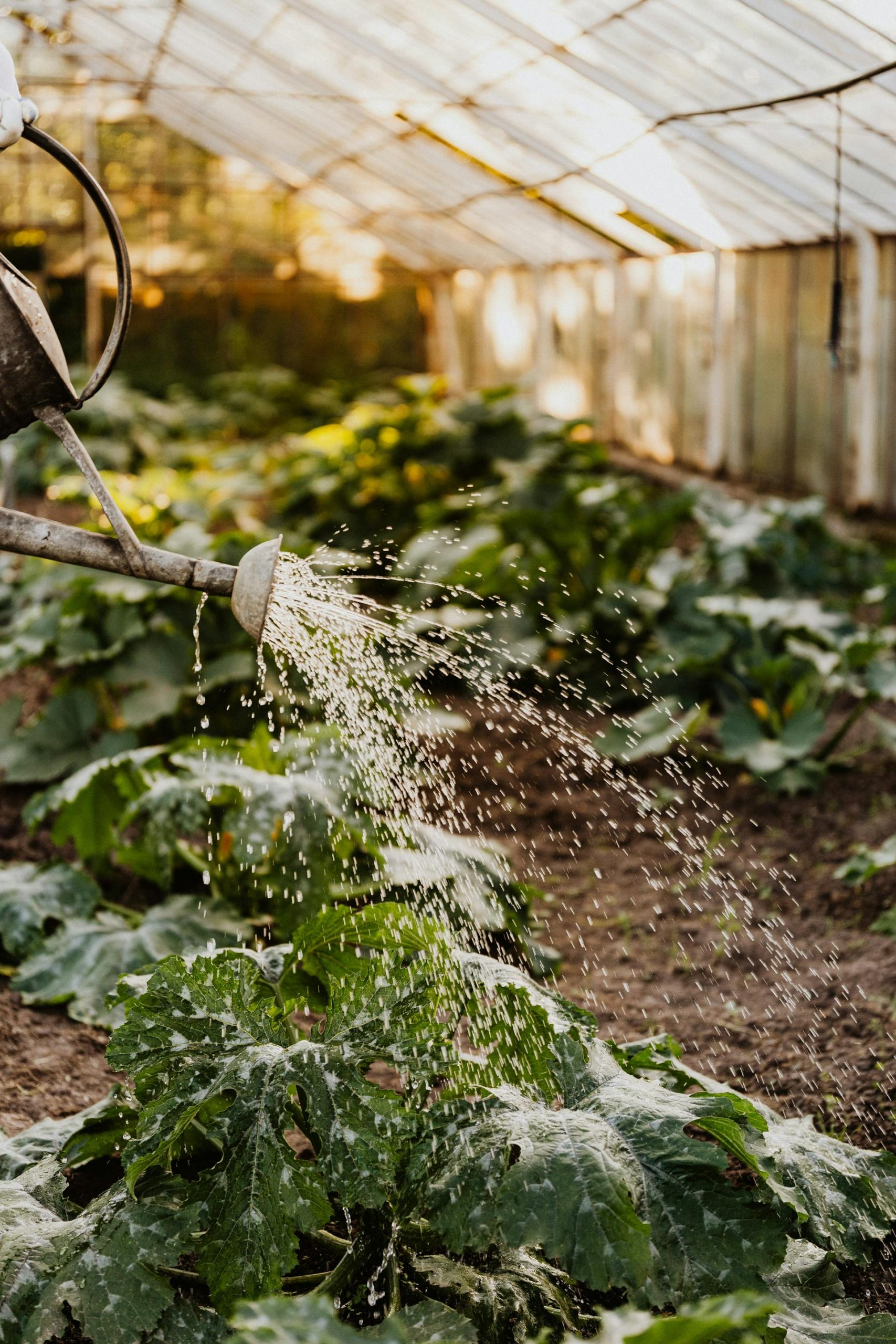
Hand watering provides a personal touch, allowing you to gauge each plant’s needs. This technique is perfect for small gardens or delicate plants requiring special attention. It gives you control over the amount of water each plant receives.
Think about those moments when you connect with nature, nurturing each plant with care. Hand watering offers that intimate experience, letting you spot early signs of distress or disease.
Use a watering can or hose with a spray nozzle for precision. Pay attention to the soil’s moisture level, adjusting your approach based on your observations.
Credit: www.gardenandhome.co.za
Best Times To Water
Finding the best time to water garden plants is crucial for their health. Proper timing ensures plants absorb water efficiently, preventing diseases and promoting growth. Timing also affects evaporation rates, so water isn’t wasted. The right time can vary based on climate and plant type.
Morning Watering
Morning is ideal for watering garden plants. Watering early lets plants absorb moisture before the sun gets too hot. This reduces evaporation, ensuring plants get enough water. Morning watering also helps prevent diseases by allowing leaves to dry throughout the day.
Early watering is beneficial for vegetable gardens. It supports growth and productivity. It allows roots to access water when they need it most. Morning watering sets up plants for a successful day ahead.
Evening Watering
Evening watering can be a good option for some gardens. It helps cool down plants after a hot day. Watering in the evening reduces stress on plants, especially in warmer climates.
Plants can absorb water overnight, preparing them for the next day. Evening watering should be done carefully. Wet leaves overnight can increase the risk of fungal diseases. Aim to water the soil directly, avoiding leaves.
Adjusting Watering For Different Plants
Understanding plant needs is crucial for watering frequency. Some plants thrive with daily watering, while others prefer less frequent hydration. Consider soil, climate, and plant type to determine the best watering routine for your garden.
Adjusting watering routines is essential for healthy garden plants. Different plants have unique needs. Understanding these can help you maintain a vibrant garden. Each plant type requires specific care. Let’s explore how to adjust watering for various plants.Vegetables
Vegetables need consistent moisture. They thrive with regular watering. Water them deeply once or twice a week. Ensure soil remains moist but not soggy. Early morning is the best time. This reduces evaporation and fungal diseases. Monitor the soil’s top inch. If dry, it’s time to water. Root vegetables may need less frequent watering.Flowering Plants
Flowering plants have diverse water needs. Annuals often require more water. Perennials might need less. Check the soil frequently. Keep it moist but well-drained. Watering early in the day is ideal. This helps flowers absorb nutrients. During blooming, they might need extra water. Mulching can help retain soil moisture.Succulents And Cacti
Succulents and cacti need minimal water. Overwatering can harm them. Allow soil to dry completely between waterings. Water them once every couple of weeks. During dormant periods, water less frequently. Ensure pots have drainage holes. This prevents water from pooling. Use a well-draining soil mix. This is crucial for their health.
Credit: savvygardening.com
Conserving Water In The Garden
Watering garden plants requires a careful approach to conserve water. Check soil moisture regularly to determine when plants need watering. Aim for deep watering less frequently to promote strong roots and reduce evaporation.
Conserving water in the garden is essential for sustainable gardening. With changing weather patterns, efficient water use helps maintain a healthy garden. It reduces your water bill and supports the environment. There are several strategies to achieve this.Mulching
Mulching is a powerful technique for water conservation. It involves covering the soil with organic or inorganic materials. Mulch helps retain moisture by reducing evaporation. It also regulates soil temperature. Organic mulches like straw or wood chips enrich the soil. They break down over time, adding nutrients. Inorganic mulches like stones are long-lasting. Choose mulch based on your garden’s needs.Rainwater Harvesting
Rainwater harvesting is a smart way to conserve water. It involves collecting rainwater from surfaces like roofs. Use barrels or tanks to store this water. Rainwater is free of chemicals, unlike tap water. It’s ideal for watering plants. Installing a rainwater system is straightforward. Ensure gutters are clean to maximize collection. Use this water during dry periods to keep plants healthy.Drought-resistant Plants
Choosing drought-resistant plants is vital for water conservation. These plants thrive in low-water conditions. They are adapted to store water efficiently. Succulents are a popular choice. Lavender and sage are also drought-tolerant. Native plants are often drought-resistant. They are suited to local climates and require less care. Including these in your garden reduces water usage.Common Watering Mistakes
Watering your garden plants seems straightforward, but it’s easy to make mistakes that could jeopardize your plants’ health. Understanding common watering mistakes can significantly boost your gardening success. Let’s delve into some frequent missteps and how you can avoid them.
Watering Too Frequently
One of the most common mistakes is watering your plants too often. Overwatering can drown the roots, leading to root rot and other diseases. It’s essential to let the soil dry out between watering sessions to ensure that roots can breathe.
Consider this: Have you ever noticed yellowing leaves or a wilted appearance even though you’ve been diligent with watering? This might be a sign of overwatering. Instead of sticking to a rigid schedule, check the soil moisture with your finger. If the top inch of soil is dry, it’s time to water.
Ignoring Soil Drainage
Good soil drainage is critical for plant health. Ignoring this aspect can lead to waterlogged soil, which is detrimental to your plants. If water doesn’t drain well, it can suffocate the roots and stunt growth.
Have you ever thought about how your soil structure affects water retention? Sandy soils drain quickly, while clay soils retain water longer. Adjust your watering based on soil type, and consider adding organic matter to improve drainage. Raised beds or containers with drainage holes can also help manage water levels effectively.
By paying close attention to your watering habits and considering your soil’s drainage capacity, you can avoid these common mistakes. Remember, every garden is different, so observe your plants and adjust accordingly. What watering challenges have you faced in your gardening journey?
Frequently Asked Questions
How Often Should I Water My Garden?
Watering frequency depends on plant type, climate, and soil. Typically, gardens need watering once a week. Adjust according to weather conditions and plant needs. Check soil moisture to ensure proper hydration. Aim for deep watering to encourage healthy root growth.
Avoid overwatering to prevent root rot.
Is Daily Watering Necessary For Plants?
Daily watering is not usually necessary for most plants. Overwatering can lead to root issues and diseases. Most garden plants thrive with weekly watering. Consider factors like temperature, rainfall, and plant species. Adjust watering frequency based on these conditions. Monitor soil moisture to ensure plants receive adequate hydration.
What Time Of Day Is Best To Water?
The best time to water is early morning. This allows plants to absorb moisture before the sun evaporates it. Morning watering reduces the risk of fungal diseases. Avoid watering in the evening, as it can lead to damp conditions. These conditions may promote mold and mildew growth on plants.
How Do I Know If I’m Overwatering?
Signs of overwatering include yellowing leaves, root rot, and wilting. Check soil moisture regularly by sticking a finger into the soil. If it feels consistently damp, reduce watering frequency. Ensure pots have drainage holes to prevent waterlogging. Adjust watering based on plant type and environmental conditions.
Conclusion
Watering your garden plants is crucial for their growth. Each plant type needs different care. Check soil moisture regularly. Adjust watering based on weather changes. Hot days mean more water. Cool days need less. Observe your plants. Drooping leaves might need more water.
Healthy plants show you’re watering right. Finding the right balance takes time. Be patient. Practice makes perfect. Your garden will thrive. Celebrate your green success! Remember, a well-watered garden blooms beautifully. Keep nurturing your garden. Enjoy the results of your hard work! Gardening is a rewarding journey.
Happy gardening!







