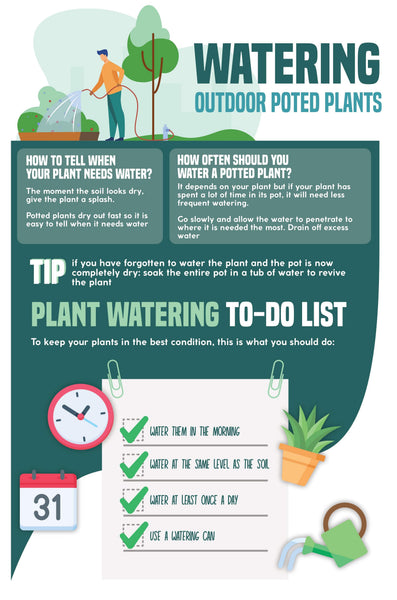
Are you tired of seeing your garden plants looking droopy or wilting despite your best efforts? You might be wondering, “How often should I water garden plants?”
You’re not alone. Many gardeners, both beginners and seasoned, grapple with the mystery of watering. The secret lies in understanding the delicate balance between too much and too little. Your plants have their own unique language, and with the right knowledge, you can learn to speak it fluently.
Imagine walking through your garden, seeing vibrant blooms and lush greenery, all because you nailed the watering schedule. Intrigued? Read on to unlock the secrets of perfect plant hydration and transform your garden into a thriving oasis.
Factors Affecting Watering Frequency
Watering garden plants involves understanding various factors that affect frequency. Different plants need different amounts of water. Soil and climate also play crucial roles. Knowing these factors helps maintain a healthy garden.
Plant Type Considerations
Different plants have unique water needs. Succulents need less water than leafy vegetables. Flowering plants might need more frequent watering. Research your plant types for specific needs. Consider their growth stage too. Young plants often need more water.
Soil Composition Impact
Soil type affects how often you should water. Sandy soil drains water quickly. Clay soil holds water longer. Loamy soil balances drainage and retention well. Test your soil to understand its composition. Adjust watering based on soil type for best results.
Climate Influence
Climate greatly affects watering needs. Hot climates require more frequent watering. Rainy areas may need less watering. Consider seasonal changes in your region. Summer might demand more water than winter. Monitor weather patterns to adjust your watering schedule.

Credit: www.instagram.com
Signs Of Overwatering And Underwatering
Understanding the signs of overwatering and underwatering is crucial for healthy plants. Each plant has specific water needs. Too much or too little can stress them. Recognizing these signs helps you adjust your watering habits effectively.
Common Symptoms
Overwatered plants often show yellow leaves. They may become limp or drop off. Underwatered plants, on the other hand, have dry, crispy leaves. They may also wilt and look dull.
Visual Cues
Waterlogged soil around your plants is a sign of overwatering. It can lead to root rot. For underwatered plants, the soil appears dry and cracked. Leaves may curl or have brown edges.
Soil Moisture Indicators
Check the soil’s moisture level by touching it. Overwatered soil feels soggy and wet. Underwatered soil feels dry and crumbly. A moisture meter can provide precise readings.
Best Times To Water
Knowing the best times to water garden plants is crucial for their health. Proper timing ensures that plants receive the right amount of moisture. It helps prevent diseases and encourages growth. Let’s explore the ideal times for watering.
Morning Vs Evening Watering
Morning watering is often the best choice for garden plants. The cool morning air reduces water evaporation. This allows roots to absorb moisture efficiently. Morning watering also gives leaves time to dry before evening. Dry leaves help prevent fungal diseases. Evening watering can be effective too, especially in hot climates. It provides relief from daytime heat. Ensure soil is not soggy overnight to avoid root rot.
Seasonal Adjustments
Seasons affect how often you should water plants. In spring, plants need regular watering to support growth. Summer heat increases water requirements. Early morning or late evening is ideal in summer. In fall, gradually reduce watering as temperatures drop. Winter watering varies based on plant type and location. Dormant plants need less water in winter.
Weather Conditions
Weather plays a significant role in determining watering times. On rainy days, reduce or skip watering to prevent overwatering. During dry spells, increase watering frequency. Windy days can dry out soil quickly, requiring more frequent watering. Monitor weather forecasts to adjust your watering schedule accordingly. This ensures plants receive optimal moisture levels.
Watering Techniques
Determining the right watering schedule for garden plants is crucial. Factors like plant type and weather influence frequency. Monitor soil moisture and adjust accordingly to ensure healthy growth.
Watering Techniques Proper watering ensures healthy garden plants. Each method offers unique benefits. Understanding these can enhance plant growth and save water.Drip Irrigation Benefits
Drip irrigation delivers water directly to roots. This system reduces evaporation and waste. It supports consistent moisture levels. Plants absorb water slowly, preventing overwatering. Installation is easy for small or large gardens.Sprinkler System Efficiency
Sprinklers cover large areas quickly. They mimic rainfall, which is ideal for many plants. Adjustable settings control water flow and direction. Schedule watering times to suit plant needs. Efficient systems save time and reduce water use.Hand Watering Tips
Hand watering offers personal control. Use a watering can or hose. Water plants deeply but less often. Focus on root areas, not leaves. Check soil moisture with fingers. Adjust frequency based on weather changes.Conserving Water In The Garden
Understanding the needs of garden plants helps save water. Water once or twice a week, depending on weather and soil conditions. Adjust frequency based on plant type and sunlight exposure to maintain healthy growth.
Conserving water in the garden is not just an environmentally friendly choice; it’s also a smart gardening practice. By using less water, you can save on your utility bills while ensuring your plants thrive. But how can you achieve this delicate balance between water conservation and plant health?Mulching For Moisture Retention
Mulching is a simple yet effective way to keep your garden hydrated. By covering the soil with a layer of organic material like wood chips or straw, you help retain moisture. This not only reduces the frequency of watering but also regulates soil temperature. Imagine not having to water your plants every day in the scorching summer. Mulch acts like a protective blanket, ensuring the soil underneath stays cool and moist. Plus, it adds nutrients to the soil as it breaks down, enhancing the growth of your plants.Rainwater Harvesting
Have you ever considered using rainwater for your garden? Setting up a rainwater harvesting system can be a game-changer. By collecting rain in barrels, you can have a free and natural water source at your disposal. This method is particularly useful during dry spells when water restrictions might be in place. Not only does it save you money, but it also reduces the demand on municipal water supplies. And it’s as easy as placing a barrel under your downspout.Choosing Drought-resistant Plants
Opting for drought-resistant plants can significantly cut down your garden’s water needs. These plants are well-adapted to survive with minimal water. Think about adding succulents, lavender, or ornamental grasses to your garden. They require less attention and can thrive even during dry conditions. This means you can focus on enjoying your garden rather than constantly maintaining it. By making smart plant choices, you contribute to a more sustainable gardening practice. So, how will you start conserving water in your garden today?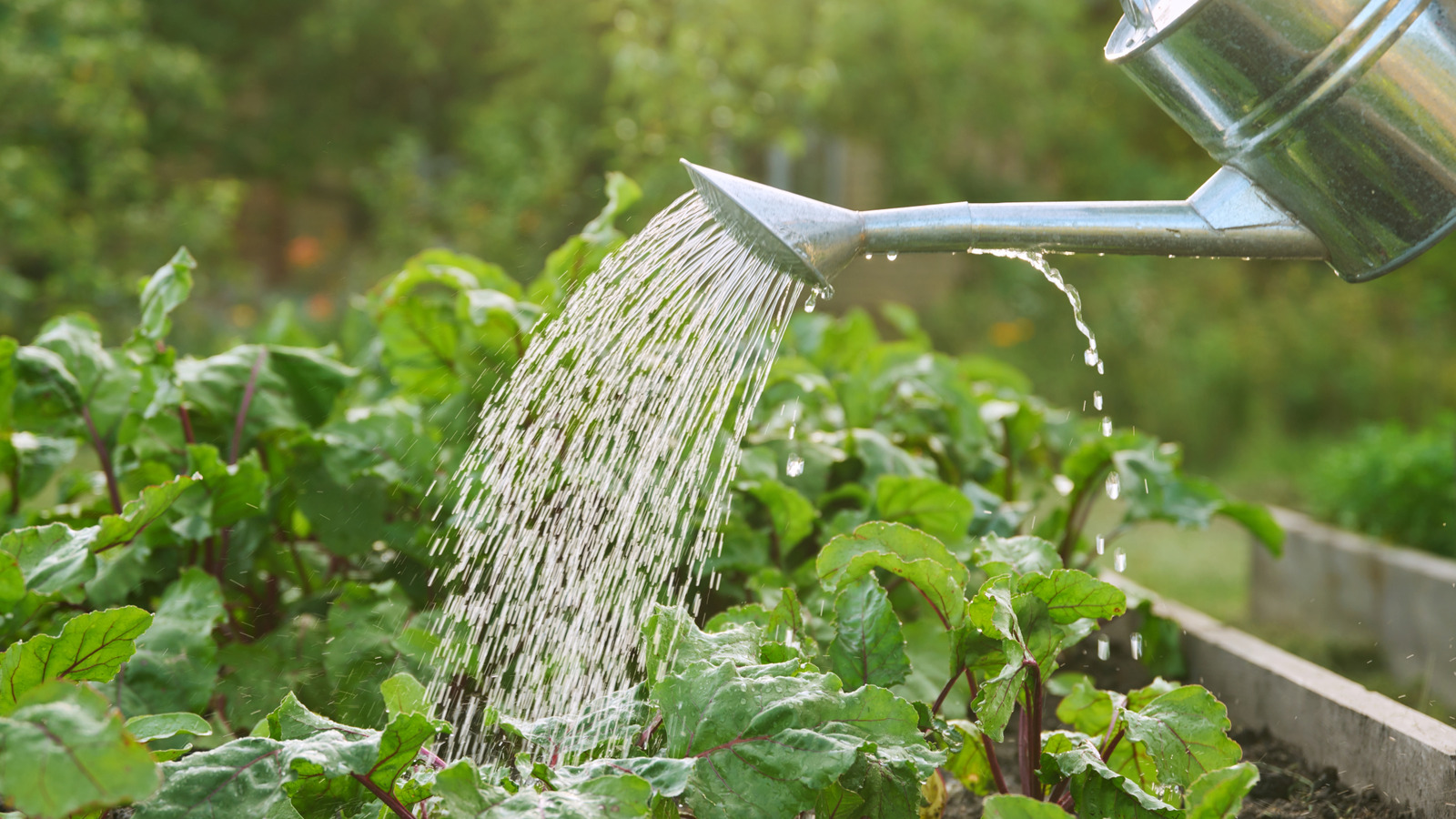
Credit: www.chowhound.com
Creating A Watering Schedule
Understanding how often to water garden plants is crucial for their health. Consider factors like plant type and soil moisture. Adjust schedules based on weather, ensuring plants receive the right amount of water.
Creating a watering schedule for garden plants ensures they thrive. The right schedule balances water needs with environmental conditions. Too much water can drown roots. Too little can stunt growth. Understanding the specific needs of your plants is key. This guide will help you create an effective watering plan.Daily Vs Weekly Plans
Some plants need daily watering. Especially in hot weather or sandy soil. Others thrive with less frequent watering. Weekly plans work for drought-tolerant plants. Consider the climate and soil type. Adjust based on plant species and season.Adjusting For Plant Growth
Young plants usually need more water. Their roots are still growing. As plants mature, their water needs change. Reduce watering once roots are established. Monitor your plants’ growth stages. Adjust the watering schedule as needed.Monitoring And Modifying
Regularly check soil moisture. Use your finger to test depth. If the soil feels dry, water is needed. Modify the schedule during rainy periods. Consider factors like wind and humidity. Keep track of plant health and adjust accordingly. Frequent observation helps maintain the ideal schedule.
Credit: savvygardening.com
Frequently Asked Questions
How Do I Know If Plants Need Water?
Check the soil moisture with your finger. If the top 2 inches are dry, it’s time to water. Wilting leaves are another sign. Regular observation helps maintain optimal hydration levels.
Can Overwatering Harm Garden Plants?
Yes, overwatering can suffocate roots and lead to rot. It prevents oxygen from reaching the roots, causing stress. Always ensure proper drainage to avoid waterlogged soil.
What’s The Best Time To Water Plants?
Early morning or late afternoon is ideal. This allows water absorption before it evaporates. Avoid midday watering to reduce water loss due to high temperatures.
How Does Weather Affect Watering Frequency?
Hot, dry weather increases water needs. Rainy periods reduce the need for watering. Adjust your watering schedule according to seasonal changes for healthy plants.
Conclusion
Watering garden plants requires attention and care. Each plant has unique needs. Check soil moisture regularly. It helps to prevent overwatering or underwatering. Adjust watering frequency based on weather conditions. Hot days need more water. Cooler days need less. Observe plant leaves for signs of distress.
Droopy leaves might need water. Yellow leaves could mean too much. Use mulch to retain moisture. It helps reduce watering frequency. Consider plant types and their preferences. Some plants need more water. Others thrive in dry conditions. Tailor your approach for healthy, vibrant growth.
Happy gardening!







