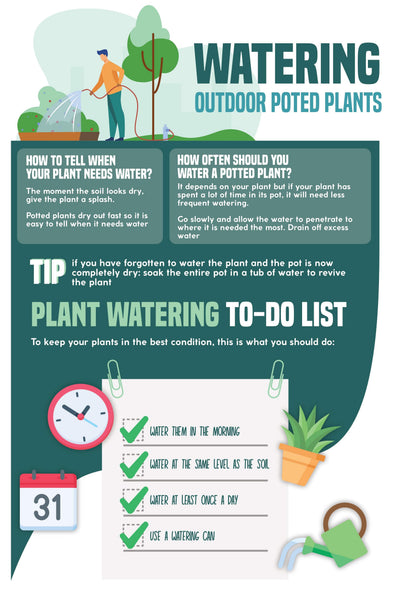
Are you wondering how much water your garden plants really need? You’re not alone.
Finding the perfect balance can be tricky, but it’s crucial for your plants’ health and growth. Over-watering can drown their roots, while under-watering can leave them thirsty and weak. This dilemma might have you feeling unsure, but don’t worry. Understanding the right amount to water your plants can transform your garden into a thriving oasis.
In this guide, we’ll unravel the mystery and provide you with straightforward tips to ensure your plants flourish. Keep reading to discover the secrets to watering your garden plants just right, and watch your garden come to life.
:max_bytes(150000):strip_icc()/GettyImages-1788189070-d73cea9356c84ae78010b36d33c7c40b.jpg)
Credit: www.marthastewart.com
Watering Basics
Watering garden plants properly is essential for their health and growth. Understanding the basics can make a huge difference in your garden’s success. Every plant has unique needs, but there are general principles to guide you. These principles help ensure your plants get the right amount of water.
Importance Of Proper Watering
Proper watering keeps plants healthy and thriving. Water is crucial for photosynthesis and nutrient transportation. It helps maintain soil structure and supports root development. Without adequate water, plants can become stressed and weak. Overwatering can lead to root rot and fungal issues. Striking a balance is key to a flourishing garden.
Signs Of Overwatering And Underwatering
Recognizing the signs of overwatering and underwatering can save your plants. Overwatered plants often have yellow, wilting leaves. Soil may feel soggy and emit a musty smell. Root rot is a common consequence of excessive water.
Underwatered plants display dry, brown leaf edges. Leaves may curl and soil looks cracked. Plants might droop or fail to grow properly. Understanding these signs helps you adjust your watering habits.
Factors Influencing Water Needs
Understanding how much to water garden plants involves several factors. Climate, soil type, and plant species all affect water needs. Observing plant health and soil moisture helps determine the right amount.
Understanding how much to water garden plants can be challenging. Water needs vary based on several factors. These factors include climate, soil, and plant type. Knowing these can ensure your plants thrive.Climate And Weather Conditions
Climate significantly impacts plant water needs. In hot and dry areas, plants need more water. Rainy or humid climates require less frequent watering. Temperature changes also affect evaporation rates. High winds can dry out plants quickly. Monitoring local weather helps plan watering schedules effectively.Soil Type And Drainage
Soil type influences water retention. Sandy soil drains water quickly, needing frequent watering. Clay soil holds water longer, reducing the need for constant watering. Loamy soil balances drainage and retention well. Good drainage prevents root rot and overwatering. Test soil to understand its type and drainage properties.Watering Techniques
Determining the right amount of water for garden plants is crucial. Consider soil type, plant species, and weather conditions. Overwatering can harm plant roots, while underwatering leads to wilting. Aim for consistently moist, not soggy, soil to promote healthy growth.
Watering techniques play a crucial role in maintaining a thriving garden. Knowing how to efficiently water your plants can save you time, money, and ensure your garden flourishes. Whether you choose to water manually or opt for automated systems, each method has its own set of benefits and challenges.Manual Vs. Automatic Systems
Deciding between manual and automatic watering systems can significantly impact your gardening experience. Manual watering, using a hose or watering can, allows for a personal touch. You can check each plant’s condition and adjust water accordingly. Automatic systems, like drip irrigation or sprinkler setups, offer convenience and consistency. They can be programmed to water at optimal times, reducing the risk of overwatering. However, they require an initial investment and regular maintenance to ensure efficiency.Efficient Watering Methods
Efficient watering can make a significant difference in plant health and water conservation. Watering early in the morning or late in the afternoon minimizes evaporation, ensuring more water reaches the roots. Consider using mulch to retain moisture. A layer of mulch around plants reduces water loss and keeps soil temperature stable. Target the roots, not the leaves. Watering directly at the base ensures that water penetrates deep into the soil, reaching the roots where it’s needed most. Are you giving your plants the right amount of water, or are you just guessing? Understanding these techniques can transform your gardening routine.Timing And Frequency
Understanding the timing and frequency of watering garden plants can be the key to maintaining a thriving garden. It’s not just about giving plants water; it’s about knowing when and how often to do so. This knowledge can turn your garden from struggling to flourishing. Let’s dive into the details of when and how frequently you should water your plants to keep them healthy and vibrant.
Best Time Of Day To Water
Watering your garden plants in the early morning is ideal. During this time, the sun is less intense, reducing evaporation and ensuring the soil absorbs the moisture. Morning watering gives plants a chance to absorb water before the heat of the day. Plus, it can help prevent fungal diseases that thrive in damp conditions overnight.
Some gardeners prefer watering in the evening, but beware of leaving plants too wet overnight. If you choose this time, make sure the soil isn’t soggy to avoid root rot. Consider your schedule and aim for the cooler parts of the day for best results.
Adjusting Frequency For Seasons
The changing seasons affect how often you should water your garden. In the hot summer months, plants may need daily watering due to increased evaporation and heat stress. However, during cooler spring and fall months, you might only need to water every few days.
Winter brings its own challenges. If you experience frost or snow, watering may not be necessary as plants are in a dormant phase. Keep an eye on your plants’ needs and adjust accordingly. Are you noticing wilting or dry soil? That’s your cue to increase watering frequency.
Consider the specific requirements of your plants. Some species thrive with less water, while others need more. Tailor your watering schedule to their needs and the season’s demands to ensure lush growth.
Special Considerations
Understanding the nuances of watering garden plants can improve their health. Special considerations ensure plants receive the right amount of water. These considerations depend on various factors. Let’s delve into some key areas.
Watering Newly Planted Gardens
Newly planted gardens require careful watering. Young plants need more frequent watering. Their roots are still developing. Water them every day during the first week. Reduce frequency after the first week. Ensure soil remains moist but not soggy. Use a gentle spray to prevent soil erosion. Morning is the best time to water.
Hydration For Different Plant Types
Different plants have unique water needs. Succulents need less water. Their leaves store moisture. Water them once every two weeks. Ferns, on the other hand, love moisture. They thrive with regular watering. Check the soil before watering each plant type. Dry soil indicates it’s time to water. Research your specific plants for best results.
Conservation Strategies
Understanding how much to water garden plants is crucial for their health and growth. Overwatering can harm roots, while underwatering may stunt growth. Monitor soil moisture and adjust watering frequency based on plant type and weather conditions.
Conserving water in your garden is smart and eco-friendly. It helps plants grow while saving resources. Many gardeners seek effective ways to water plants with less waste. Let’s explore some practical strategies to conserve water in your garden.Rainwater Harvesting
Collect rainwater for your garden. This method is simple and effective. Set up barrels or tanks to catch rain from your roof. Use this water to nurture your plants during dry spells. It’s a natural way to keep your garden hydrated. Rainwater is free from chemicals found in tap water. This makes it gentle on plants and soil.Mulching Benefits
Mulching is a protective layer over soil. It keeps moisture in and reduces evaporation. Spread organic materials like straw or wood chips around plants. Mulch helps maintain soil temperature and suppresses weeds. It also improves soil health over time. This method conserves water and enhances plant growth. Using mulch reduces the need for frequent watering. It’s a cost-effective way to keep your garden thriving.Troubleshooting Common Issues
Determining the right amount of water for garden plants can be tricky. Overwatering leads to root rot, while underwatering causes wilting. Consider factors like plant type, soil, and weather to ensure proper hydration.
Troubleshooting Common Issues Ensuring your garden plants receive the right amount of water can sometimes feel like solving a mystery. Too much or too little can lead to problems that may seem daunting at first. By understanding and addressing these common issues, you can help your plants thrive.Dealing With Watering Problems
Watering inconsistencies often leave gardeners scratching their heads. Ever notice your plant’s leaves turning yellow or wilting despite regular watering? This could be a sign of either overwatering or underwatering. Start by checking the soil’s moisture level. Use your finger to test the top inch; if it’s dry, your plant might need more water. On the flip side, if the soil feels soggy and wet, you could be drowning your plants. Consider adjusting your watering schedule or improving drainage.Recognizing Plant Stress
Plants, much like humans, show signs of stress when something isn’t right. Wilting, yellowing leaves, or stunted growth can signal distress. Observe your plants closely. Are the leaves curling or browning at the edges? This could indicate water stress, whether from drought or excess. Adjust watering based on the plant’s specific needs and local climate conditions. Don’t forget to account for weather changes. Hot and windy days might require more frequent watering, while rainy seasons demand less. Understanding these signs can help you make informed decisions, ensuring your garden remains lush and vibrant. Are you ready to tackle the watering challenges in your garden and watch your plants flourish?
Credit: savvygardening.com

Credit: www.redstemlandscapes.com
Frequently Asked Questions
How Often Should I Water Garden Plants?
Garden plants typically need water once or twice a week. However, frequency depends on the plant type and weather conditions. Adjust watering in dry or rainy periods. Test soil moisture by inserting your finger into the soil. If it’s dry, it’s time to water.
What Is The Best Time To Water Plants?
Early morning is the ideal time to water plants. This allows water to soak into the roots before the sun evaporates it. Avoid watering in the evening as it can lead to fungal diseases due to prolonged moisture. Midday watering is less efficient due to evaporation.
How Much Water Do Garden Plants Need?
Most garden plants require about an inch of water per week. This can be achieved through rainfall or manual watering. It’s crucial to ensure water penetrates deeply to reach roots. Overwatering can lead to root rot, while underwatering can cause stress to plants.
Can I Use Tap Water For Garden Plants?
Tap water is generally safe for most garden plants. However, some plants are sensitive to chlorine found in tap water. Letting water sit overnight can reduce chlorine content. Alternatively, use rainwater or distilled water for sensitive plants to ensure their healthy growth.
Conclusion
Watering garden plants needs care and attention. Too much, they drown. Too little, they wilt. Know your plants’ needs. Check soil moisture regularly. Use fingers to test. Adjust watering based on weather. Rainy days need less water. Dry spells demand more.
Morning is best for watering. Avoid midday sun. It dries the soil quickly. Choose the right method. Sprinklers, drip systems, or cans. Each has pros and cons. Healthy plants start with good watering habits. Keep learning. Your garden will thrive with patience and practice.
Happy gardening!







