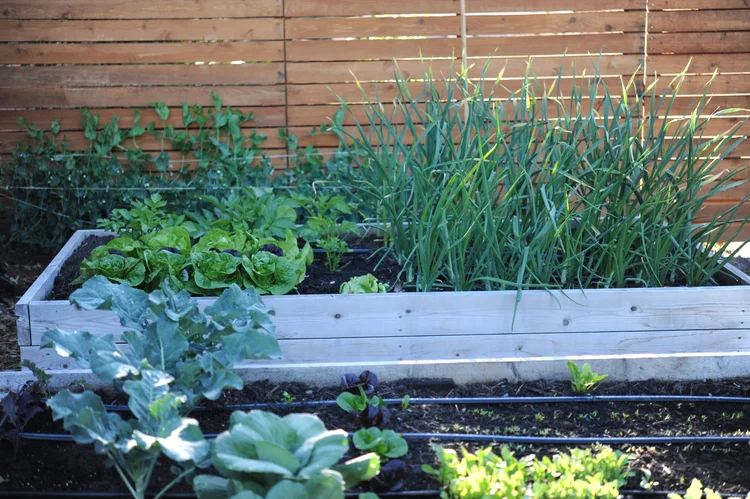
Imagine walking into your backyard and picking fresh, juicy tomatoes or crisp lettuce right from your own vegetable garden. Sounds amazing, right?
But before you get your hands dirty, there’s one crucial question you need to answer: how much should you plant in your vegetable garden? This decision can make the difference between an abundant harvest and a disappointing season. You’ll discover the secrets to planning the perfect amount for your garden.
Whether you’re a seasoned gardener or just starting out, finding the right balance is key. Too little, and you might end up with sparse meals. Too much, and you could find yourself overwhelmed with produce. By understanding your needs and the space you have, you can ensure a successful and satisfying gardening experience. Let’s dive in and uncover what you need to know to make your garden flourish!
Credit: www.melnor.com
Choosing Your Vegetables
Calculate your vegetable garden needs by considering your family’s eating habits. Assess space availability and plan accordingly. This ensures you grow the right amount, minimizing waste.
Choosing Your Vegetables Deciding what to plant in your vegetable garden can be both exciting and daunting. Your choices will shape your gardening experience, the meals you prepare, and the joy you get from harvesting your own produce. Let’s delve into some popular options for beginners and important climate considerations to help you make informed choices.Popular Options For Beginners
Starting a vegetable garden can feel overwhelming, but choosing beginner-friendly veggies can ease the process. Tomatoes, lettuce, and radishes are great choices. They are relatively easy to grow and offer rewarding yields. Think about your own food preferences. Do you love fresh salads? Consider adding cucumbers and carrots to your list. If you’re a pasta lover, basil and cherry tomatoes might be your best friends. Growing what you love to eat not only saves money but also motivates you to care for your garden. Imagine the satisfaction of preparing a meal with ingredients you’ve nurtured from seed to plate.Climate Considerations
Your local climate greatly influences which vegetables will thrive in your garden. Knowing your region’s growing season is crucial. Some vegetables, like spinach and peas, prefer cooler temperatures, while others, such as peppers and eggplants, need a warm climate to flourish. Check your area’s USDA Hardiness Zone to understand what grows best in your location. This can prevent the disappointment of planting crops that fail due to unsuitable weather conditions. It’s also wise to consider microclimates within your garden. Is there a spot that gets more sun or shade? Tailor your plant choices to these specific conditions for a more bountiful harvest.
Credit: medium.com
Space Requirements
Determining how much space to plant in a vegetable garden involves considering the types of vegetables. Different vegetables need varying amounts of room to grow. Planning ensures efficient use of space and a bountiful harvest.
Planning a vegetable garden is a delightful endeavor, but understanding space requirements is crucial to its success. You might wonder how much space each vegetable needs to thrive, or how to make the most of the area you have. Let’s dive into these aspects so you can maximize your garden’s potential and enjoy bountiful harvests.Understanding Garden Size
The size of your garden will largely depend on your goals and available space. Are you aiming to feed your family throughout the year or just looking for a weekend hobby? A small balcony garden can yield plenty with the right planning, while a backyard plot opens up more possibilities. Consider how much time you can dedicate to garden maintenance. Larger gardens require more work, while smaller ones can be easier to manage. Remember, it’s not just about the area; it’s also about how efficiently you use it.Optimal Plant Spacing
Proper plant spacing is key to a thriving vegetable garden. Overcrowding can lead to poor air circulation, increasing the risk of disease. On the flip side, too much space can be wasteful. Each vegetable has its own spacing needs. For instance, tomatoes generally require about 24 inches between plants, while carrots can be planted as close as 2 inches apart. Think about using vertical gardening techniques to save space. Trellises for peas and beans can free up ground space, allowing you to plant more varieties within the same area. Reflect on your past gardening experiences. Was there a time when overcrowding stunted your plants’ growth? Learning from these insights can guide your future planting strategies. Ultimately, the right spacing ensures each plant receives adequate sunlight and nutrients. So, how will you optimize your garden layout this season?Calculating Plant Quantities
Determining how much to plant in a vegetable garden involves considering space, family size, and consumption habits. Assessing the available space helps ensure each plant has room to grow. Understanding family dietary preferences aids in selecting the right quantity of each vegetable.
Calculating plant quantities is crucial for a successful vegetable garden. Knowing how much to plant helps meet your family’s needs and avoids waste. Consider factors like yield expectations and planting schedules for maximum harvest. Planning carefully ensures a bountiful and efficient garden.Estimating Yield Needs
Begin by estimating your family’s vegetable consumption. List the vegetables your family enjoys most. Determine how often these vegetables are eaten each week. Calculate the total amount needed for the growing season. Use yield charts to estimate how much each plant will produce. This helps determine how many plants are required. Consider preserving methods for excess produce.Accounting For Succession Planting
Succession planting maximizes garden space. It involves planting crops in intervals. This ensures continuous harvest throughout the season. Create a schedule for planting different crops. Plan for early, mid, and late-season vegetables. Use fast-growing plants to fill gaps. Rotate crops to maintain soil health. Keep track of planting and harvest dates. Adjust quantities based on previous yield results. Optimize planting to suit your garden’s specific needs.
Credit: littlesproutslearning.co
Seasonal Planting Guide
Planning your vegetable garden involves understanding the seasons. Each season offers unique planting opportunities. Knowing what to plant and when ensures a successful harvest. This guide helps you choose the right vegetables for spring, summer, fall, and winter.
Spring Planting Choices
Spring brings fresh opportunities to start your garden. Consider planting lettuce, spinach, and peas. These vegetables thrive in cooler temperatures. They grow quickly and provide early harvests. Radishes and carrots are also great choices. They add variety and color to your garden.
Summer Vegetables
Summer is perfect for sun-loving crops. Tomatoes, cucumbers, and peppers love the heat. They grow well under bright, sunny conditions. Zucchini and corn are also summer favorites. Plant them to enjoy a robust summer harvest. Ensure regular watering for healthy growth.
Fall And Winter Options
Fall offers cool-weather crops like kale and broccoli. These veggies can handle light frost. They grow well as temperatures drop. Winter is ideal for hardy greens. Plant spinach and Swiss chard for winter harvests. Protect them from harsh weather for best results.
Tools And Materials
Selecting the right tools and materials for your vegetable garden is essential. Use quality soil, seeds, and gardening tools to ensure healthy growth. Adequate watering cans, gloves, and shovels also help maintain your garden efficiently.
Planting a vegetable garden requires careful preparation and the right tools and materials. Having the right equipment can make gardening easier. It ensures your plants thrive and produce bountiful harvests. Let’s delve into the essentials needed for a successful vegetable garden.Essential Gardening Tools
A few basic tools can make gardening tasks simpler. They help in planting, maintaining, and harvesting your produce. Here are some must-have tools:- Garden Trowel:This small hand tool is perfect for digging holes for seeds.
- Pruning Shears:Useful for trimming plants and removing dead growth.
- Watering Can:Ensures your plants get the right amount of water.
- Garden Fork:Helps in loosening and aerating the soil.
- Rake:Clears debris and smooths the soil surface.
Soil And Fertilizer
The right soil and fertilizer are crucial for healthy plant growth. Quality soil provides nutrients essential for plant development. Fertilizers boost growth and improve yield. Here are some things to consider:- Potting Soil:Rich in nutrients, it provides a good start for seedlings.
- Compost:Adds organic matter to the soil, enhancing its fertility.
- Organic Fertilizer:Offers a natural nutrient source, promoting healthy growth.
- Mulch:Retains moisture and controls weeds.
Maintaining Your Garden
Consider the size of your garden space and family needs before planting. Choose vegetables that grow well in your area. Balance variety with quantity to ensure a bountiful harvest.
Maintaining your garden is essential for a bountiful harvest. Regular care ensures healthy plants and plentiful produce. A well-maintained garden can thrive and provide nourishment throughout the growing season. This section explores effective techniques for keeping your vegetable garden in top shape.Watering Techniques
Watering is crucial for plant health. Consistent moisture helps plants grow strong roots. Early morning is the best time to water. This allows plants to absorb moisture before the sun dries the soil. Drip irrigation systems can be effective. They deliver water directly to the root zones, minimizing waste. Mulching also retains soil moisture. Spread a layer of mulch around plants to reduce evaporation.Pest And Disease Management
Pests and diseases can threaten garden health. Regular inspection helps in early detection. Look for signs of damage or discoloration. Encourage beneficial insects like ladybugs to control pests naturally. Handpicking larger pests can be effective. Use barriers like row covers to protect plants from insects. For diseases, ensure plants have proper spacing. Good air circulation reduces the risk of fungal infections. Rotate crops annually to prevent soil-borne diseases. Keep the garden clean by removing debris. This reduces places for pests to hide.Troubleshooting Common Issues
Deciding how much to plant in a vegetable garden can be tricky. Consider space, family size, and gardening goals. Balance variety with quantities to avoid waste and ensure a productive harvest.
Every gardener faces challenges, and vegetable gardening is no exception. Even with the best intentions and perfect planning, issues can arise. Understanding how to troubleshoot these common problems can make all the difference in achieving a bountiful harvest.Dealing With Poor Yield
Poor yield in your vegetable garden can be frustrating. Often, it stems from inadequate sunlight, poor soil quality, or insufficient watering. Ensure your garden receives at least 6-8 hours of sunlight daily. Test your soil for nutrients and pH levels, and consider adding compost or organic matter to enrich it. Regular watering is crucial, but avoid over-watering as it can lead to root rot. Sometimes, pests or diseases can be the culprits. Keep an eye out for signs of damage or discoloration on leaves. Use organic pesticides or introduce beneficial insects like ladybugs to control pest populations. Regularly rotating crops and practicing good sanitation can also help prevent disease spread.Overcrowding Solutions
Overcrowding can hinder plant growth and reduce yields. It often results from planting too many seeds in a small area or not thinning seedlings properly. If your plants compete for sunlight, water, and nutrients, their growth will be stunted. To solve this, follow recommended spacing guidelines for each vegetable. If you’ve already planted too densely, thin out weaker seedlings to give stronger ones room to grow. Consider using raised beds or vertical gardening techniques to maximize space. Remember, a little planning goes a long way in preventing overcrowding. Before planting, sketch out your garden layout to ensure optimal spacing. Ask yourself, are you giving your plants the room they need to thrive?Frequently Asked Questions
How Much Space Do I Need For A Vegetable Garden?
The space required depends on the number of plants and types you wish to grow. For beginners, a 100 square feet garden can suffice. Ensure each plant has enough room to grow. Consider the mature size of each vegetable to optimize space effectively.
What Vegetables Are Best For Small Gardens?
In small spaces, opt for compact or high-yield vegetables like lettuce, radishes, and cherry tomatoes. Vertical growing plants such as pole beans and cucumbers are also ideal. They maximize yield without requiring much ground space, making them perfect for smaller gardens.
How Do I Calculate Vegetable Yield Per Plant?
To estimate yield, consider the vegetable type and growing conditions. For example, one tomato plant can produce 8-10 pounds of fruit. Look for seed packets or gardening guides to get specific yield estimates for each vegetable, as they vary widely.
What Factors Affect Vegetable Garden Productivity?
Several factors impact productivity, including sunlight, soil quality, water availability, and plant spacing. Ensure your garden gets 6-8 hours of sunlight daily. Use well-draining, nutrient-rich soil. Water consistently and provide enough space for each plant to thrive.
Conclusion
Growing a vegetable garden is rewarding and fun. You now know how much to plant. Start small if new to gardening. Learn as you go. Choose plants you enjoy eating. Consider space, sunlight, and climate. Keep a journal to track progress.
This helps future planning. Sharing excess produce with neighbors builds community. Gardening can be a relaxing hobby. It brings fresh food to your table. Enjoy the journey of growing your own vegetables. With time, your skills will improve. Happy gardening!







