Are you dreaming of a lush, thriving garden bursting with fresh produce right outside your door? A raised garden bed might be your perfect solution.
But before you dive in, there’s one crucial question you need to answer: How much should you plant in your raised garden bed? Get this right, and you’ll enjoy a bountiful harvest season after season. Get it wrong, and you might end up with overcrowded plants fighting for space and nutrients.
We’ll break down the essentials you need to know to maximize your raised bed’s potential. Imagine the satisfaction of picking plump tomatoes, crisp lettuce, and fragrant herbs, all from a garden that you designed and nurtured. You’ll learn not just how to fill your garden bed, but how to make it flourish. Ready to transform your gardening game? Let’s dig in!
Benefits Of Raised Garden Beds
Raised garden beds simplify planning how much to plant by offering clear boundaries. These structures encourage efficient use of space and improve soil quality, helping plants thrive.
Raised garden beds offer numerous advantages for gardeners. They improve plant growth and make gardening more accessible. The elevated structure enhances drainage and soil quality, allowing plants to thrive. These beds also reduce pest problems, creating a healthier growing environment. Raised beds are versatile and can be customized to fit any space. They are an excellent option for beginners and experienced gardeners alike.Improved Drainage And Soil Quality
Raised garden beds provide better drainage than traditional gardens. Water flows more efficiently, preventing root rot. The soil in raised beds can be tailored to suit specific plant needs. This customization boosts plant health and productivity.Pest Control
Raised beds help minimize pest issues. The elevation deters many ground-dwelling pests. Gardeners can easily install barriers to protect plants. This leads to healthier crops and fewer chemical interventions.Accessibility
Raised beds make gardening accessible to everyone. Their height reduces bending and kneeling. This is ideal for those with mobility challenges. Gardening becomes more enjoyable and less physically demanding.Space Efficiency
Raised beds maximize garden space. They can be built in small areas or on patios. This makes it possible to garden in urban settings. The efficient use of space allows for more plants in less area.Customization And Aesthetics
Raised beds can be customized in shape and size. They add visual appeal to a garden area. Different materials and styles enhance garden aesthetics. This personalization makes gardening more rewarding.Choosing The Right Size
Choosing the Right Size Decide how much space each plant needs in your raised garden bed. Consider the mature size of each plant. Balance between variety and space to ensure healthy growth.
Choosing the right size for your raised garden bed is crucial. It determines how much you can plant and manage easily. The ideal size varies based on space, plants, and your gardening needs. Understanding these factors helps you make an informed choice.Understanding Space Limitations
Consider the available space in your garden area. Measure the space accurately. This ensures your raised bed fits well without crowding. A well-sized bed allows for easy access and maintenance.Plant Type Considerations
Think about the types of plants you wish to grow. Different plants need varying amounts of space. Leafy greens require less room than sprawling vine plants. Understanding plant needs helps optimize space.Accessibility And Ease Of Use
Ensure your garden bed is accessible from all sides. This makes planting and harvesting easier. A width of 3 to 4 feet is ideal. It allows you to reach the center without stepping on the soil.Depth Requirements
The depth of your garden bed affects root growth. Most vegetables thrive in 6 to 12 inches of soil. Deeper beds support root vegetables like carrots and potatoes. Choose a depth based on your plant selection.Planning For Future Expansion
Consider if you want to expand your garden later. Start with a manageable size. You can add more beds as your interest and experience grow. Planning for expansion saves time and effort in the long run.Soil Quality And Preparation
Soil quality and preparation are crucial for a successful raised garden bed. Good soil ensures healthy plants and abundant harvests. Preparing the soil properly enhances nutrient absorption and root growth. It’s essential to understand what your plants need for optimal growth.
Understanding Your Soil Type
Start by identifying your soil type. Clay soil holds water but may drain poorly. Sandy soil drains well but might lack nutrients. Loamy soil offers a balanced mix, ideal for most plants.
Testing Soil Ph Levels
Test the soil pH to determine its acidity or alkalinity. Most plants thrive in neutral pH, around 6.5 to 7. Acidic or alkaline soil may require amendments. Use a simple pH test kit for accurate results.
Adding Organic Matter
Enrich soil with organic matter like compost or aged manure. This improves soil structure and fertility. Organic matter helps retain moisture and provides essential nutrients for plants.
Ensuring Proper Drainage
Good drainage prevents waterlogged roots. Raised beds usually offer better drainage than traditional gardens. Ensure the soil mix allows excess water to escape easily. Consider adding perlite or sand for improved drainage.
Using Mulch For Protection
Apply mulch to reduce evaporation and protect soil. Mulch keeps soil temperature consistent and suppresses weeds. Organic mulches like straw or wood chips are beneficial.
Plant Spacing Guidelines
Understanding plant spacing is crucial for a thriving raised garden bed. Proper spacing ensures each plant gets enough light, water, and nutrients. Overcrowding can lead to poor growth and increased disease risk. By following spacing guidelines, your plants will flourish.
Spacing For Vegetables
Vegetable spacing depends on the type and size of the plant. Larger plants, like tomatoes, need more space. Smaller plants, such as radishes, require less. Here’s a simple guide:
- Tomatoes: 24-36 inches apart
- Carrots: 2-3 inches apart
- Lettuce: 6-12 inches apart
- Peppers: 12-18 inches apart
This spacing helps prevent competition for resources. It also allows for better air circulation, reducing disease risk.
Spacing For Herbs
Herbs are generally smaller and can be planted closer. Proper spacing helps them grow well and remain healthy. Consider these guidelines:
- Basil: 12-18 inches apart
- Thyme: 6-12 inches apart
- Mint: 12-24 inches apart
- Parsley: 6-8 inches apart
These distances allow herbs to spread and establish a strong root system. Avoid overcrowding to maintain flavor and aroma.
Spacing For Flowers
Flowers bring color and beauty to your garden bed. Their spacing depends on their growth habits. Here’s what you need to know:
- Marigolds: 6-12 inches apart
- Sunflowers: 12-18 inches apart
- Pansies: 6-8 inches apart
- Zinnias: 12-24 inches apart
Correct spacing ensures vibrant blooms and healthy growth. It also allows for easy maintenance and weed control.
Companion Planting Strategies
Optimizing space in raised garden beds involves strategic companion planting. Planting diverse species together enhances growth and repels pests. Choose plants that thrive in close proximity, maximizing yield and space efficiency.
Companion planting strategies make a raised garden bed more productive. It involves growing plants that benefit each other. This method enhances growth, deters pests, and improves soil health. Understanding plant relationships is essential for a thriving garden.Understanding Plant Relationships
Some plants naturally help each other grow. For example, tomatoes and basil grow well together. Basil repels insects that harm tomatoes. Knowing these relationships boosts your garden’s success.Benefits Of Companion Planting
Companion planting offers multiple benefits. It reduces the need for chemicals by controlling pests naturally. This method also improves soil nutrients and promotes healthy plant growth.Popular Companion Plants
Certain plants are popular companions. Marigolds deter harmful insects. They are great partners for vegetables like tomatoes. Beans add nitrogen to the soil, helping corn grow strong.Creating A Balanced Garden
Balance is key in companion planting. Ensure plants complement each other. Avoid pairing plants that compete for resources. This strategy keeps your garden productive.Maximizing Space With Companion Planting
Companion planting maximizes garden space. Grow tall plants with shorter ones beneath them. This method increases yield without needing more space.
Credit: www.vegega.com
Maximizing Yield
Optimize space in raised garden beds by calculating plant needs carefully. Consider plant size and spacing for best results. Adjust planting density based on growth habits to ensure a bountiful harvest.
Maximizing yield in a raised garden bed is all about smart planning and efficient use of space. By carefully selecting and arranging your plants, you can enjoy a bountiful harvest without needing a large plot of land. Whether you’re a seasoned gardener or just starting out, understanding the right strategies can help you get the most out of your garden.Understanding Plant Spacing
Proper plant spacing is crucial to maximizing yield. Crowding plants can lead to competition for nutrients and sunlight, reducing their growth and productivity. On the other hand, leaving too much space can waste valuable garden area. Always check the seed packet or plant tag for recommended spacing. For instance, lettuce can be planted closer together, while tomatoes need more room to spread.Companion Planting
Companion planting involves growing plants that benefit each other side by side. This method can improve yield by enhancing growth, deterring pests, or providing necessary nutrients. For example, pairing basil with tomatoes can boost tomato flavor and repel harmful insects. Consider what combinations work best in your climate and soil type.Succession Planting
Succession planting means sowing new seeds as soon as one crop is harvested. This technique keeps your garden productive throughout the growing season. Start with fast-growing crops like radishes, followed by slower-growing plants like carrots. This way, your garden bed remains active, providing a continuous supply of fresh produce.Vertical Gardening
Vertical gardening is an excellent way to maximize yield, especially in small spaces. By training plants to grow upwards, you free up ground space for more crops. Use trellises, cages, or stakes to support vining plants like cucumbers and beans. This not only increases the number of plants you can grow but also makes harvesting easier.Soil Health And Fertility
Healthy soil is the backbone of a productive garden. Enrich your raised bed with organic matter like compost and well-rotted manure. Regularly test soil pH and nutrient levels, adjusting as needed to meet the needs of your plants. A fertile soil ensures that your plants have access to the nutrients they need to thrive. Maximizing yield doesn’t just mean planting more; it’s about making smart choices. How will you make your garden bed work harder for you this season?Seasonal Planting Tips
Consider the size of your raised garden bed. A typical 4×8 foot bed can hold about 30 plants. Choose plants based on size and growth habits. Tall plants like tomatoes need more space. Smaller plants like lettuce can be planted closer together.
Planning helps prevent overcrowding and ensures healthy growth.
Planting in a raised garden bed is an exciting journey that changes with each season. Seasonal planting tips can help you maximize your harvest throughout the year. By understanding which plants thrive in specific seasons, you can plan your garden to enjoy an abundance of fresh produce.Spring Planting
Spring is the perfect time to plant cool-weather crops. Think about sowing seeds like lettuce, spinach, and peas. These thrive in the mild temperatures of early spring. Consider staggering your planting times. This ensures a continuous harvest. You won’t have to deal with all your crops maturing at once.Summer Planting
Summer calls for heat-loving plants. Tomatoes, peppers, and cucumbers are excellent choices. They flourish under the sun’s warmth. Remember to water them regularly. The heat can dry out your soil quickly. Mulching can help retain moisture.Fall Planting
Fall is ideal for planting hardy vegetables. Broccoli, kale, and carrots can handle cooler temperatures. They can even withstand a light frost. Think about planting garlic in the fall. It will be ready to harvest next summer. This can be an exciting addition to your gardening routine.Winter Planning
Winter is a time for planning rather than planting. Use this period to prepare your garden for the coming year. Consider rotating your crops to prevent soil depletion. You can also start seedlings indoors. When spring arrives, they will be ready to transplant. This gives you a head start on the growing season. By aligning your planting with the seasons, you ensure your garden bed is always productive. What crops will you try in your next planting season?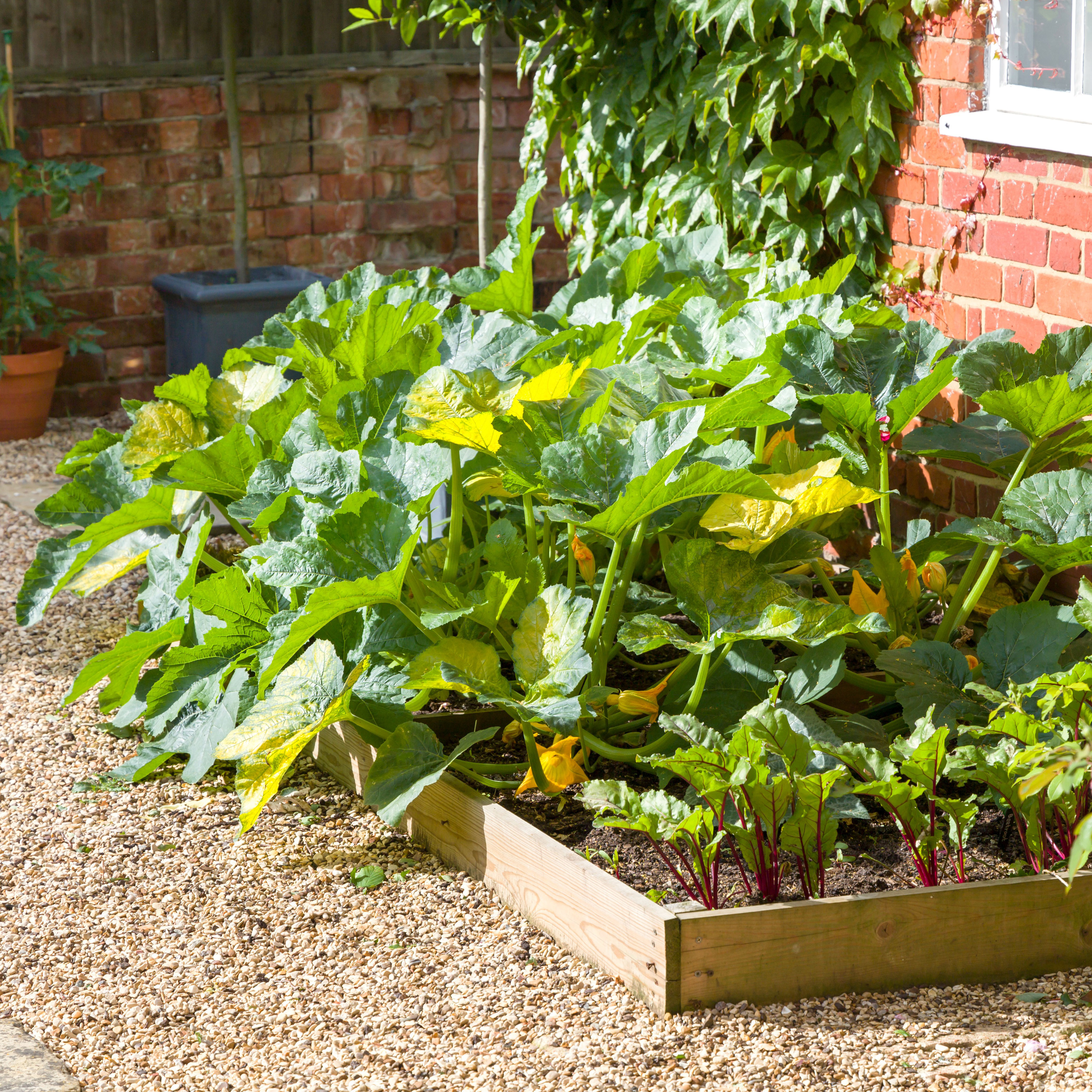
Credit: www.gardeningknowhow.com
Common Mistakes To Avoid
Planting too densely can hinder growth and reduce yields. Balance plant spacing to ensure each gets enough sunlight and nutrients. Planning ahead prevents overcrowding and maximizes your garden’s potential.
Planting in a raised garden bed can be a rewarding experience, but it’s easy to make missteps if you’re not careful. Understanding what not to do is just as important as knowing what to do. Avoiding common mistakes can save you time, effort, and ensure your plants thrive. Let’s dig into some typical errors gardeners make and how you can avoid them.Overcrowding Your Plants
One of the most common mistakes is planting too many vegetables in a small space. Although it might be tempting to plant as much as possible, overcrowding can lead to stunted growth and disease. Give each plant adequate space according to its needs for healthy growth.Ignoring Sunlight Requirements
Every plant has specific sunlight needs that shouldn’t be overlooked. Placing sun-loving plants in shaded areas will hinder their development. Consider the sunlight pattern in your garden and plant accordingly.Poor Soil Management
The quality of your soil directly impacts plant health. Using the wrong soil mix can lead to poor drainage and nutrient deficiencies. Opt for a well-balanced soil mix rich in organic matter for optimal growth.Neglecting Watering Needs
Watering can be tricky; both overwatering and underwatering can damage plants. Check the moisture level of the soil regularly and adjust your watering schedule based on weather conditions. Consistent monitoring is key to keeping your garden bed thriving.Overlooking Companion Planting
Companion planting can enhance growth, but ignoring this concept might lead to plant incompatibilities. Some plants support each other’s growth while others can be detrimental. Research compatible plants to maximize the benefits of companion planting.Skipping Crop Rotation
Planting the same crops in the same spot each year can deplete soil nutrients. Crop rotation helps maintain soil fertility and reduces pest buildup. Plan a rotation schedule to keep your soil healthy and productive. Reflect on these common pitfalls. Are you guilty of any? By making simple adjustments, you can create a flourishing garden that rewards you season after season.Maintenance And Care
Decide how much to plant by considering the size of your raised garden bed. Smaller beds need fewer plants. Ensure each plant has enough space to grow healthily.
Maintaining and caring for your raised garden bed is essential for a thriving garden. Proper care ensures your plants grow healthy and produce a bountiful harvest. Regular attention will help prevent issues and keep your garden productive.Watering Techniques
Watering is crucial for plant health. Raised beds often dry out faster. Check soil moisture regularly. Water deeply but less frequently. This encourages roots to grow deeper. Use drip irrigation for consistent moisture. Mulch helps retain water and reduce evaporation.Weed Control
Weeds compete with plants for nutrients. Remove weeds regularly. Use mulch to suppress weed growth. Hand-pulling weeds is effective. Consider using a hoe for larger areas. Stay vigilant; weeds can spread quickly.Pest Management
Pests can damage plants and reduce yield. Inspect plants regularly for signs of pests. Use organic methods for pest control. Beneficial insects can help manage pests naturally. Consider using netting to protect plants from larger pests.Fertilizing Needs
Plants need nutrients to grow. Raised beds may deplete nutrients faster. Use compost to enrich soil. Organic fertilizers can boost plant growth. Follow package instructions for application rates. Avoid over-fertilizing; it can harm plants.Seasonal Care
Different seasons require different care. Adjust watering based on weather conditions. Protect plants from extreme heat or cold. Use row covers for frost protection. Rotate crops to prevent soil depletion. Plan for seasonal changes in plant needs.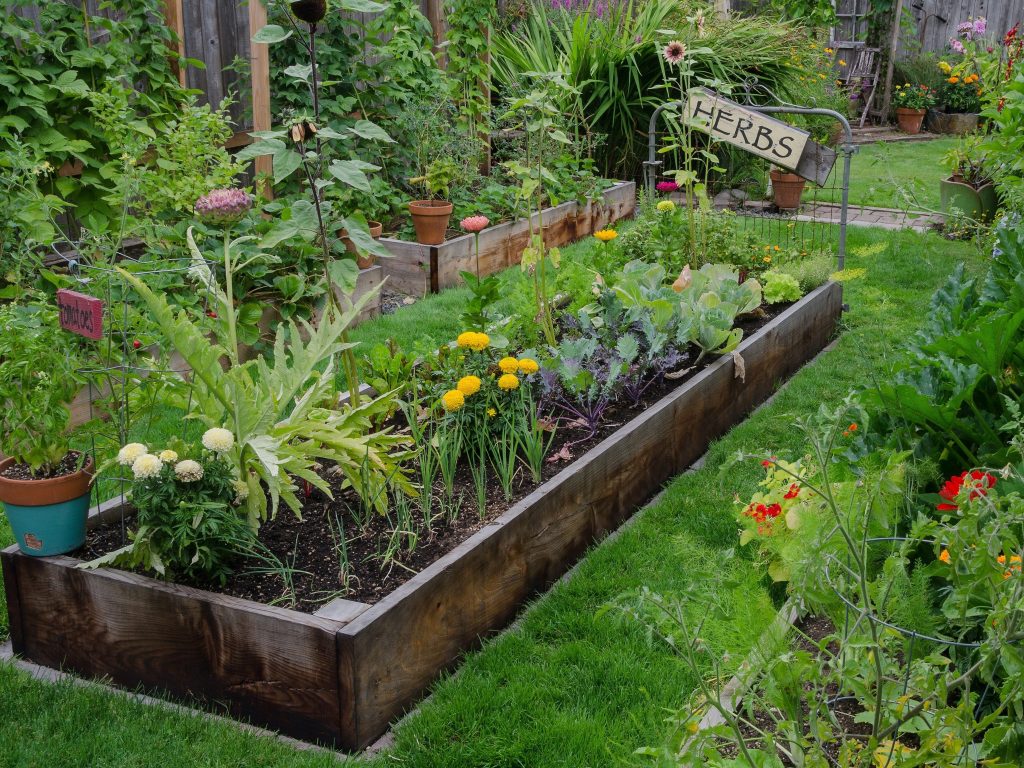
Credit: www.melnor.com
Frequently Asked Questions
How Much Space Do Plants Need In Raised Beds?
Plants need adequate space to thrive in raised beds. Generally, small plants need around 6 inches, medium plants 12 inches, and larger ones 18 inches. Consider the mature size of plants when spacing. This ensures proper air circulation and nutrient availability, promoting healthier growth.
What Vegetables Grow Best In Raised Garden Beds?
Raised garden beds are ideal for vegetables like lettuce, carrots, and tomatoes. These crops benefit from improved drainage and soil quality. Raised beds allow for better root development and easier access for planting and harvesting. Choose vegetables suitable for your climate for optimal growth.
How Deep Should A Raised Garden Bed Be?
A raised garden bed should be at least 12 inches deep. This depth allows for adequate root growth and drainage. Deep beds support a variety of plants, including vegetables and flowers. Ensure the soil mix is nutrient-rich to maximize plant health and productivity.
Can I Plant Different Crops Together In Raised Beds?
Yes, you can plant different crops together in raised beds. Use companion planting techniques to enhance growth and reduce pests. Ensure each plant has enough space and compatible growth conditions. Mixed planting can improve biodiversity and soil health, benefiting the entire garden ecosystem.
Conclusion
Planting in a raised garden bed is rewarding and simple. Consider the space and plant needs. Choose vegetables or flowers wisely. Remember to leave enough room for growth. This ensures healthy and productive plants. Soil quality matters too. Use rich, nutrient-filled soil.
Watering is crucial. Keep the soil moist but not soggy. Regular care leads to a thriving garden. Enjoy the process and watch your garden flourish. Happy gardening!







