When you look out your window, do you dream of a beautiful garden that reflects your personal style and offers a peaceful retreat? Designing and landscaping a garden can transform your outdoor space into a vibrant oasis.
But how much does it cost to turn that dream into reality? If you’re curious about the expenses involved in creating your perfect garden, you’re in the right place. This article will guide you through the costs, helping you make informed decisions without breaking the bank.
Discover how to balance quality and affordability while creating a space you’ll love. Read on to uncover the secrets to designing and landscaping a garden that suits both your vision and your budget.
Factors Influencing Garden Design Costs
Designing and landscaping a garden involves various costs. Factors such as garden size, design complexity, and choice of materials can greatly influence expenses. Professional fees, soil quality, and plant selection also contribute to the overall budget.
Designing and landscaping a garden can transform a dull space into a beautiful retreat. Yet, understanding the costs involved is crucial. Various factors influence the final price. Each element contributes differently to the overall expense.Location And Size Of The Garden
The garden’s location and size impact costs. Larger gardens require more materials and labor. Urban areas may have higher costs due to increased demand and limited space. Accessibility also plays a role. If equipment can’t reach the area easily, costs might rise.Design Complexity
Complex designs involve intricate details and custom features. Simple layouts with grass and a few plants cost less. Unique structures, water features, or themed gardens increase expenses significantly.Material Selection
The choice of materials affects the budget. Natural stone, high-quality wood, and premium plants add value but cost more. Opting for local materials can reduce transportation costs. Alternative materials like recycled items might offer savings.Labor Costs
Skilled labor is essential for quality design. Professional landscapers charge for expertise and time. Labor costs vary by region and project complexity. DIY can save money but requires time and skill.Maintenance Requirements
Ongoing maintenance influences long-term costs. Low-maintenance gardens with native plants are budget-friendly. High-maintenance designs with exotic species or intricate features may need regular care, increasing expenses over time.Permits And Regulations
Local regulations and permits can add to costs. Some areas require permits for specific structures or water features. Understanding local laws helps avoid unexpected expenses.Seasonal Factors
Seasons affect landscaping costs. Spring and summer are peak times, often costing more. Off-season projects might offer savings but require flexibility with timelines.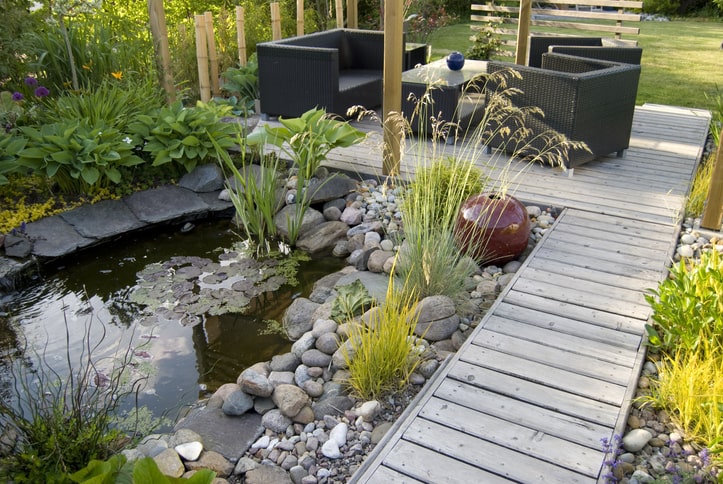
Credit: hipages.com.au
Size And Layout Considerations
Garden design costs depend on size and layout. Larger gardens require more materials, increasing expenses. Strategic planning helps optimize space efficiently.
Designing and landscaping a garden is an exciting endeavor, but it comes with its own set of considerations. The size and layout of your garden are critical factors that can significantly impact the cost and overall look. Whether you have a sprawling backyard or a compact urban garden, understanding how to make the most of your space is key. Let’s dive into the important considerations you should keep in mind when planning your garden’s size and layout.Understanding Your Space
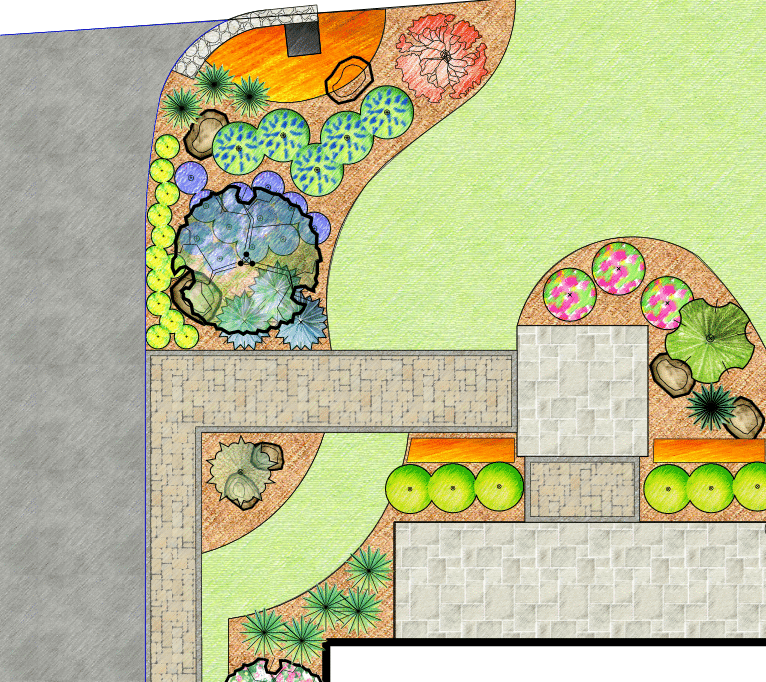
Before you start planning, it’s crucial to understand the dimensions of your garden. Measure the area and sketch out a rough layout. This helps in visualizing how different elements like plants, pathways, and seating areas will fit. Consider how the sunlight moves across your garden throughout the day. This will guide you in placing plants that require specific light conditions.Optimizing For Functionality
Think about how you want to use your garden. Do you envision a space for relaxation or entertaining guests? Maybe a play area for children? Your intended use will influence the design and layout. Consider adding multifunctional elements like benches that double as storage or a pergola that provides shade and structure.Budgeting For Size And Layout
The size of your garden directly affects the budget. Larger spaces may require more materials, plants, and professional help, increasing the cost. Creating a detailed plan and sticking to it can help manage expenses. Prioritize elements that are essential and consider phasing out non-essential ones over time.Personalizing Your Garden
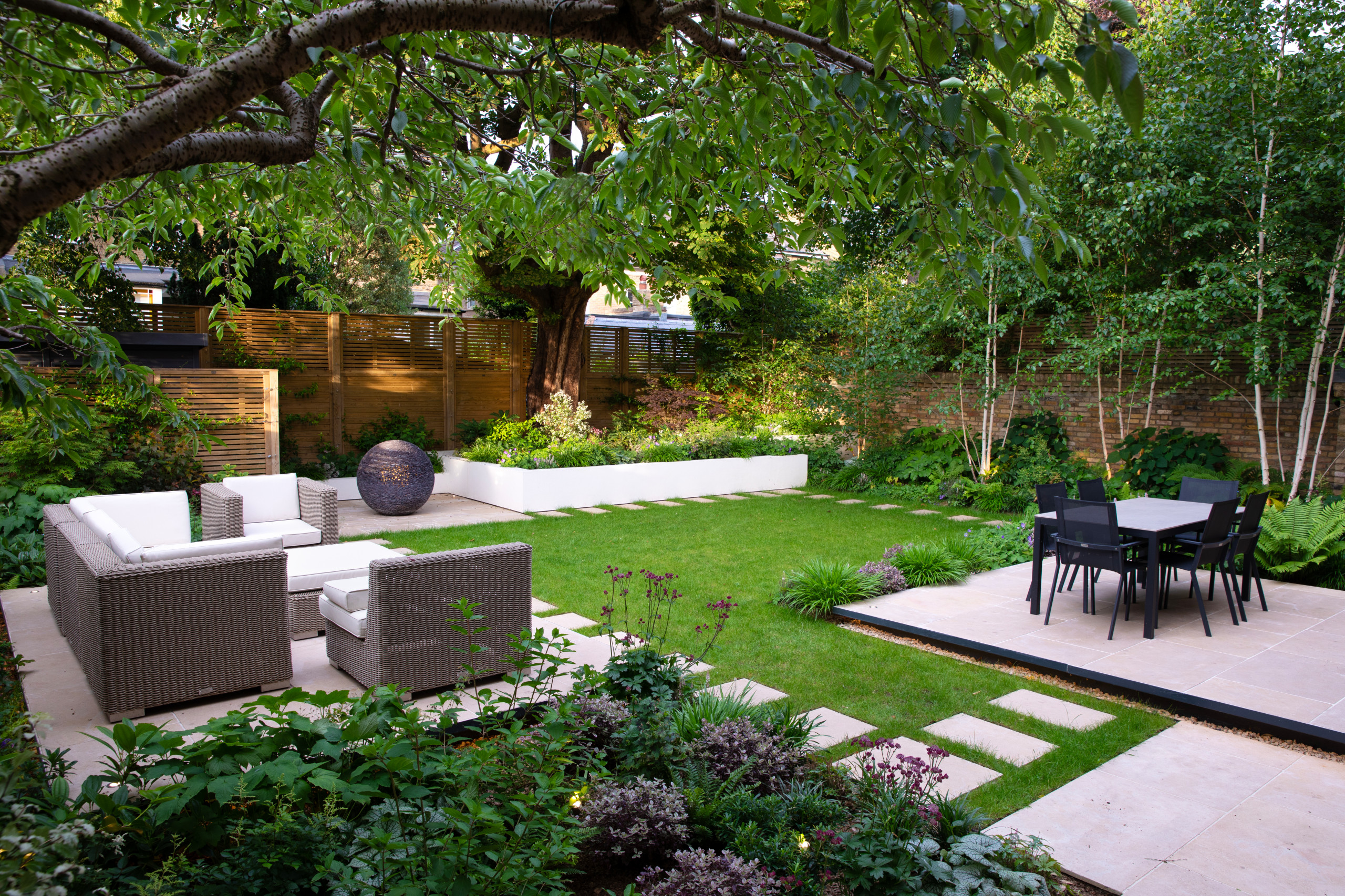
Your garden should reflect your personality and lifestyle. Incorporate elements that resonate with you, whether it’s a specific type of flower or a unique sculpture. Don’t be afraid to mix different styles. Combining modern elements with rustic touches can create a visually appealing and personalized space.Creative Layout Ideas
Explore creative layout ideas that maximize space. Vertical gardening can be a great option for smaller areas, while curved paths can add intrigue to larger gardens. Consider incorporating zones within your garden. This could mean separating a seating area from a vegetable plot, giving each zone its own unique feel. Your garden is a canvas waiting to be painted. How will you design yours to reflect your dreams and aspirations?Choice Of Plants And Materials
Selecting plants and materials impacts garden design costs significantly. Native species often reduce maintenance expenses, while durable materials ensure longevity. Proper choices balance aesthetics and budget effectively.
Choosing the right plants and materials for your garden can significantly impact the overall design and cost. Plants breathe life into your garden, while materials set the tone and structure. Making thoughtful choices can transform your outdoor space into a stunning oasis. Each selection should align with your vision, climate, and budget.Choosing Plants For Your Garden
Picking plants involves understanding your climate and soil type. Native plants often thrive better and require less maintenance. Consider the light conditions of your garden. Some plants need full sun, while others prefer shade. Think about the color palette you want. Bright flowers can add vibrancy, while greens offer a calming effect.Types Of Materials For Landscaping
Materials shape the garden’s framework. Stone pathways, wooden decks, and metal accents each offer distinct styles. Choose durable materials suited for your weather conditions. Wooden features can add warmth but may need regular upkeep. Stone is sturdy and timeless, ideal for paths and borders.Balancing Cost And Quality
Quality materials often come at a higher price. Yet, they last longer and reduce maintenance costs. Compare different suppliers for the best deals. Sometimes, recycled materials can offer both quality and affordability. Prioritize areas that need higher quality for safety and longevity.Eco-friendly Choices
Opt for sustainable materials and plants. Bamboo is a renewable resource for fencing or decking. Recycled stone can minimize environmental impact. Consider xeriscaping with drought-resistant plants to conserve water. Organic mulches enhance soil health naturally.Hardscaping Elements
Hardscaping elements like patios, walkways, and retaining walls add structure to a garden. The cost varies based on materials and design complexity. Investing in quality hardscaping can enhance a garden’s beauty and functionality significantly.
Creating a beautiful garden involves more than just choosing the right plants and flowers. Hardscaping elements add structure and functionality, transforming your outdoor space into a personal haven. They are the backbone of your garden, providing durability and a touch of elegance. Investing in hardscaping can significantly enhance both the aesthetic appeal and the value of your property. But how much should you budget for these crucial elements?Patios And Walkways
Patios and walkways are essential for navigating and enjoying your garden. The cost for these features can vary widely depending on materials such as concrete, stone, or brick. A basic concrete patio might cost less, but natural stone offers a timeless elegance that might be worth the extra expense. Consider the layout and complexity of your design. A straight walkway is cheaper to install than a winding path. Don’t forget to factor in labor costs, which can make up a significant portion of your budget.Water Features
Water features like fountains, ponds, or waterfalls can add tranquility and a focal point to your garden. Costs can range from a few hundred dollars for a small fountain to several thousand for a custom-built pond with elaborate designs. Maintenance is another consideration. Do you want a feature that requires regular cleaning and water treatment, or a simpler, low-maintenance option? Weigh the initial costs against the long-term enjoyment and upkeep.Fencing And Walls
Fences and walls offer privacy, security, and a defined boundary for your garden. Materials like wood, vinyl, and metal each come with their own price tags and benefits. Wooden fences offer a classic look but require maintenance, while vinyl is more durable and low-maintenance. Think about the height and length of the fence or wall you need. Taller structures offer more privacy but will naturally be more expensive. Consider if you need additional features such as gates or decorative elements to complement your garden design. Choosing the right hardscaping elements is a balancing act between cost, aesthetics, and functionality. What’s your priority when it comes to your garden’s hardscaping?Labor And Professional Fees
Labor and professional fees for garden design and landscaping can vary widely. Costs depend on the size and complexity of the project. Hiring experts ensures quality, but can increase expenses.
When designing and landscaping a garden, labor and professional fees can significantly impact the budget. These costs vary depending on the complexity of the project and the expertise required. Understanding how these fees contribute to the overall cost helps you plan effectively.Understanding Labor Costs
Labor costs are a crucial part of garden landscaping expenses. The amount you pay depends on the type of work needed. Simple tasks like planting may cost less. More complex jobs like installing features require skilled labor. Skilled workers charge higher rates due to their expertise.Choosing Professional Services
Hiring professionals ensures quality and efficiency. Landscape architects design beautiful gardens. They bring creative ideas and practical solutions. Garden designers focus on aesthetics and layout. Their fees depend on their experience and reputation.Comparing Hourly And Project Rates
Professionals may charge hourly or project-based rates. Hourly rates offer flexibility for smaller tasks. Project rates provide a fixed cost for larger jobs. Comparing these options helps in budgeting effectively.Negotiating Fees And Contracts
Discussing fees upfront prevents surprises later. Clear contracts outline the scope of work and costs. Negotiating allows for adjustments to fit your budget. Written agreements safeguard against misunderstandings.Diy Vs Professional Services
Choosing between DIY and professional services impacts garden design costs. DIY may save money but requires time and skills. Professional services offer expertise and convenience, often at higher costs, ensuring quality results.
Designing and landscaping a garden can be a delightful task. Yet, deciding between DIY and professional services often poses a challenge. Each approach carries its own pros and cons. Your choice may depend on budget, time, and expertise. Let’s dive into each option to help you make an informed decision.Diy Garden Design And Landscaping
Taking the DIY route can be rewarding. You have full control over the design process. It’s an opportunity to express creativity and vision. You can tailor every detail to suit personal taste. DIY projects often cost less than hiring professionals. You save on labor fees and can choose budget-friendly materials. This method is perfect for those who enjoy hands-on work. Yet, DIY can be time-consuming. It requires research and planning. Mistakes could lead to extra costs and frustrations. Experience and knowledge are key to avoiding common pitfalls.Professional Garden Design And Landscaping
Professional services offer expertise and experience. Landscapers bring creative ideas and practical solutions. They understand plants, soil, and climate conditions. This knowledge ensures the garden’s health and beauty. Hiring professionals saves time and effort. They handle the heavy lifting and complex tasks. This option suits those with busy schedules or limited gardening skills. Professional services come at a higher cost. Fees vary based on the project size and complexity. Quality work and peace of mind often justify the expense.Comparing Costs: Diy Vs Professional
DIY projects often have lower initial costs. You control the budget and material choices. Yet, unforeseen expenses can arise from mistakes. Professional services provide cost estimates upfront. This transparency helps in planning and budgeting. The expense may be higher but often includes guarantees. Both options have their advantages. Consider personal preferences, time, and skills. Choose the path that aligns best with your needs and resources.Budgeting Tips For Garden Projects
Designing and landscaping a garden requires careful budgeting. Consider costs for plants, materials, and labor. Plan efficiently to avoid overspending and achieve a beautiful outdoor space.
Creating a budget for your garden project is crucial to ensure you don’t overspend while achieving the lush outdoor space you dream of. Whether you’re planning a minor facelift or a major overhaul, understanding how much money you need and where to allocate it can save you from financial stress. Consider your priorities and the scope of your project to make the most out of your budget.Research And Plan Thoroughly
Start with a detailed plan. Know what you want to achieve with your garden design and landscaping. Do you want a vegetable patch, a flower garden, or a tranquil seating area? Research the costs associated with each element, including materials, plants, and potential labor. This will give you a clearer picture of what fits within your budget.Set A Realistic Budget
Be honest about what you can afford. It’s easy to get carried away with extravagant ideas, but setting a realistic budget based on your financial situation will ensure your project is sustainable. Consider using a simple spreadsheet to track expenses and adjust as needed. This will help you avoid unpleasant surprises.Prioritize Key Elements
Focus on the elements that will bring the most joy and value to your garden. If you love cooking, invest more in a vegetable garden. If relaxation is your goal, prioritize comfortable seating and peaceful landscaping. Make a list of must-haves versus nice-to-haves. This way, you can allocate funds effectively without compromising on what truly matters to you.Diy Vs. Professional Help
Decide what you can do yourself and where you need professional assistance. Simple tasks like planting or painting can be done on your own, saving labor costs. For complex projects like installing irrigation systems or large structures, hiring professionals might be the best route. Weigh the cost against potential mistakes and time saved.Look For Deals And Discounts
Be on the lookout for deals on materials and plants. Seasonal sales or bulk buying can significantly reduce costs. Join gardening communities or online groups where members often share discount codes or tips on where to find affordable resources.Consider Long-term Maintenance Costs
Think beyond the initial setup. Consider the long-term maintenance costs of your garden design. Will it require frequent watering, pruning, or pest control? Choose plants and materials that are sustainable and cost-effective over time. This foresight will keep your garden beautiful without breaking the bank in the future. Remember, a well-budgeted garden project is not just about saving money. It’s about ensuring your garden reflects your vision while being financially manageable. How do you plan to make your garden project affordable and beautiful at the same time?
Credit: www.housebeautiful.com
Seasonal Considerations
Designing and landscaping a garden requires considering seasonal factors. Plant selection and garden layout should align with climate changes. Seasonal adjustments ensure long-lasting beauty and functionality.
Designing and landscaping a garden involves more than just choosing plants and materials. One critical aspect to consider is the seasonality of your garden. Each season brings its own set of challenges and opportunities that can greatly impact your garden’s design and maintenance needs. Understanding these seasonal considerations can help you make informed decisions that not only enhance the beauty of your garden but also its functionality throughout the year.Understanding Seasonal Changes
Every season affects your garden differently. In spring, for example, the focus might be on planting new seeds and preparing the soil. Meanwhile, summer requires more attention to watering and pest control. Fall could be the perfect time for pruning and adding mulch, while winter might involve planning for frost protection. Knowing what each season demands can help you allocate your budget more effectively and ensure your garden thrives year-round.Budgeting For Seasonal Needs
Allocate specific amounts for seasonal expenses in your garden budget. Spring might require funds for new plants and fertilizers, while summer may need investment in irrigation systems. Consider creating a simple table that outlines potential costs for each season. This way, you can anticipate expenses and avoid unexpected financial surprises.Choosing Seasonal Plants
Selecting plants that thrive in specific seasons can reduce maintenance and increase your garden’s resilience. For instance, plant tulips in the fall to enjoy vibrant blooms in spring. Research plants that are native to your region and align them with the seasons to ensure they flourish with minimal effort. This approach not only saves time but also enhances the ecological balance of your garden.Adjusting Design Elements
Consider how seasonal changes affect the design elements of your garden. Paths may need maintenance after a wet winter, while summer might be the time to install shaded seating areas. Do you need to adjust lighting as daylight hours change? Thinking ahead about these design elements can make your garden more enjoyable and functional year-round.Seasonal Maintenance Tips
Regular maintenance is key to a thriving garden. Create a checklist for each season to keep your garden in tip-top shape. For example, in spring, focus on weeding and soil enrichment. In summer, pay attention to watering schedules. This proactive approach can prevent small issues from becoming larger problems. By considering these seasonal aspects, you can create a garden that not only looks beautiful throughout the year but is also easier to maintain. What seasonal changes have you noticed in your garden, and how have they influenced your design choices?Long-term Maintenance Costs
Designing and landscaping a garden involves ongoing expenses. Regular maintenance costs can impact the budget significantly. Choosing low-maintenance plants and materials helps reduce these costs over time.
Long-term maintenance costs are a critical component to consider when designing and landscaping a garden. Beyond the initial setup, these costs can significantly impact your budget over the years. Understanding what goes into maintaining your garden will help you plan better and enjoy your outdoor space without unexpected expenses.Understanding Regular Maintenance Tasks
Regular maintenance tasks include mowing the lawn, trimming hedges, and weeding. These activities are essential to keep your garden looking pristine. You might choose to do these tasks yourself or hire a professional service, each option affecting your budget differently.The Impact Of Plant Choices
The types of plants you select will influence your maintenance costs. Perennials require less frequent planting than annuals, reducing long-term expenses. Native plants often need less water and care, making them a cost-effective choice.Irrigation System Considerations
Installing an irrigation system can save you time and reduce water usage. However, it requires regular maintenance to prevent leaks and clogs. Consider whether the initial investment and ongoing costs align with your budget.Seasonal Adjustments
Seasonal changes demand different care routines. For example, winterizing your garden might involve adding mulch or protecting plants from frost. These seasonal adjustments can incur additional costs, so planning ahead is essential.Cost-saving Tips
Implementing simple strategies can help reduce maintenance expenses. Composting, for instance, enriches the soil naturally, lowering the need for fertilizers. Grouping plants with similar water needs can also minimize water usage.Weighing Diy Vs. Professional Help
Deciding between doing the work yourself or hiring professionals involves weighing costs against time and expertise. While DIY might be cheaper, professional services offer convenience and expertise, especially for complex tasks.Setting A Realistic Budget
Creating a detailed budget for maintenance helps you prepare for ongoing costs. Consider all factors, from plant care to seasonal needs, to avoid surprises. A well-planned budget ensures your garden remains a joy, not a financial burden.Case Studies Of Garden Designs
Exploring real-life examples of garden designs can offer valuable insights. Each garden is unique, reflecting its owner’s vision and budget. Let’s delve into some inspiring case studies. These examples highlight different styles, costs, and challenges.
Urban Oasis: A Small Space Transformation
In the heart of the city, a tiny yard became a lush retreat. The homeowner wanted a peaceful space with minimal upkeep. The design included vertical gardens and a small water feature. Native plants ensured easy maintenance. The project cost around $5,000, balancing budget and beauty.
Rustic Retreat: Expanding A Country Garden
A countryside garden expanded into a family-friendly haven. The design featured natural stone paths and a vegetable patch. A wooden pergola created a shaded seating area. The total cost reached $15,000, prioritizing sustainability and local materials.
Modern Zen: Creating A Minimalist Garden
This garden embraced simplicity and tranquility. Clean lines and open spaces defined the design. Bamboo and gravel paths introduced a calming atmosphere. A small pond added a touch of nature. The project cost was approximately $8,000, focusing on serenity.
Tropical Paradise: A Vibrant Backyard Makeover
A backyard transformed into a colorful tropical escape. The design included exotic plants and a tiki bar. Bright flowers and palm trees created a lively setting. The makeover cost about $12,000, emphasizing color and fun.
Eco-friendly Garden: Sustainable Design On A Budget
This garden focused on sustainability with a budget of $3,000. Recycled materials built raised beds and paths. Drought-resistant plants reduced water use. Solar lights provided eco-friendly illumination. The design showed that green choices can be affordable.
Credit: www.houzz.co.uk
Frequently Asked Questions
How Much Does Garden Design Cost?
Garden design costs vary widely. On average, it ranges from $500 to $5,000. Factors include garden size, design complexity, and location. Hiring a professional designer may increase costs. DIY options can reduce expenses. Always get multiple quotes before deciding.
What Is The Cost Of Landscaping A Garden?
Landscaping costs depend on garden size and desired features. Basic landscaping starts at $1,500, while more elaborate designs can reach $10,000 or more. Consider materials, plants, and labor costs. Custom features like ponds or decks will increase the price.
How Do I Budget For Garden Design?
Start by defining your garden goals and desired features. Research average costs for design elements. Allocate funds for professional help if needed. Consider ongoing maintenance costs. Set a realistic budget and prioritize essential elements to ensure a successful project.
Are There Affordable Garden Design Options?
Yes, affordable options exist. DIY designs, using native plants, and simple layouts can reduce costs. Reuse existing materials and features when possible. Opt for low-maintenance plants to save on future expenses. Consult online resources and community workshops for budget-friendly ideas.
Conclusion
Designing and landscaping a garden involves careful planning and budgeting. Costs vary based on size, style, and materials. Simple designs cost less, while intricate layouts require more investment. Consider plants, paths, and features when estimating expenses. Hiring professionals can ease the process but adds to the cost.
DIY approaches save money, yet require time and effort. Balance your vision with your budget. Prioritize essentials for a functional and beautiful garden. Enjoy the process as your space transforms. A well-designed garden enhances your home and provides peaceful enjoyment.
Explore options, plan wisely, and create a garden that reflects your style.