Have you ever planted a garden, only to find your plants struggling for space, fighting for sunlight, or crowding each other out? You’re not alone.
Many gardeners overlook the importance of plant spacing, and the impact it has on the health and yield of their garden. Proper spacing can be the difference between a thriving garden and one that barely survives. Imagine walking through your garden and seeing every plant flourishing, with enough room to grow and breathe.
This isn’t just a dream; it’s possible with the right knowledge. We’ll guide you through the essentials of determining the perfect amount of space between plants, ensuring your garden is not only beautiful but also bountiful. Stick with us, and you’ll discover the secrets to optimizing your garden layout for the best results.
Credit: www.gardeningknowhow.com
Importance Of Proper Spacing
Proper spacing between plants in the garden promotes healthy growth and prevents overcrowding. It ensures each plant gets enough sunlight, water, and nutrients. This careful planning can lead to a thriving and beautiful garden.
Proper spacing between plants in your garden is more crucial than you might think. It affects not only the health and growth of your plants but also the overall aesthetics of your garden. Imagine a garden where plants crowd each other, competing for nutrients, water, and sunlight. Such competition can stunt growth and lead to poor harvests. On the other hand, a well-spaced garden allows each plant to thrive, maximizing yield and enhancing beauty.Understanding Plant Needs
Different plants have varying space requirements. For instance, a tomato plant needs more room than a radish. Research the specific needs of each plant before sowing seeds. This ensures they have enough room to spread their roots and grow to their full potential.Improved Air Circulation
Adequate spacing enhances air circulation, reducing the risk of fungal diseases. When plants are too close, moisture can linger on leaves, fostering a breeding ground for mold and mildew. By spacing plants correctly, you allow air to flow freely, keeping them dry and healthy.Efficient Nutrient Use
Crowded plants fight for nutrients, leading to weak growth. When you space plants properly, each one has access to the nutrients it needs. This results in stronger, more resilient plants. Imagine your garden as a community where each member has enough resources to thrive.Better Sunlight Exposure
Plants need sunlight to photosynthesize and grow. Overcrowded plants may shade each other, limiting sunlight exposure. By ensuring proper spacing, you allow each plant to bask in the sun, promoting robust growth.Weed Control
Proper spacing can also help with weed management. Dense planting makes it difficult to identify and remove weeds. With the right spacing, you can easily spot and eliminate weeds, preventing them from stealing nutrients and space from your plants.Personal Experience: A Lesson In Spacing
I once planted lettuce too close together, thinking it would save space. The result? Small, underdeveloped heads and a lot of wasted effort. After adjusting the spacing the following year, I enjoyed a bountiful harvest. This taught me that giving each plant its own space is key to a successful garden. Have you experienced similar challenges in your garden?Factors Affecting Plant Spacing
Plant spacing in gardens depends on plant size, growth habits, and sunlight needs. Crowded plants compete for nutrients, while too much space wastes valuable garden area. Proper spacing ensures healthy growth and maximizes garden yield.
Understanding the right plant spacing in a garden is crucial. It impacts plant health, growth, and yield. Several factors determine how much space each plant needs. Let’s explore these key factors to help your garden thrive.Plant Type And Growth Habit
Different plants have unique growth habits. Some spread wide, others grow tall. For instance, tomatoes need more room than carrots. Vining plants, like cucumbers, require ample horizontal space. Bushy plants need distance to avoid crowding. Understanding each plant’s growth habit aids in proper spacing.Soil Quality And Composition
Soil quality affects plant spacing needs. Rich, fertile soil allows closer planting. Poor soil demands more space to reduce competition. Sandy soil drains quickly, requiring different spacing from clay soil. Assess soil type to determine the best spacing strategy.Climate And Weather Conditions
Climate influences plant spacing significantly. Warm climates with ample sunlight might support tighter spacing. In contrast, cooler regions may require more distance. Rainfall levels also play a role. High moisture areas need careful spacing to prevent disease. Understanding your local climate helps in planning effective spacing.General Spacing Guidelines
Understanding the right space between plants is essential for a healthy garden. Proper spacing lets plants receive enough sunlight, water, and nutrients. Crowded plants might struggle to grow well. Here are some general spacing guidelines for different garden types.
Vegetable Gardens
Vegetables need room to thrive. Space helps them develop roots and avoid diseases. Consider these tips:
- Leafy greens like lettuce need about 6 inches apart.
- Tomatoes require up to 24 inches between each plant.
- Root vegetables, such as carrots, should be 3 inches apart.
Flower Beds
Flower beds require thoughtful spacing for beauty and health. Proper distance can enhance their blooms:
- Small flowers like pansies need 6 inches space.
- Medium flowers, like marigolds, should have 12 inches.
- Large flowers, such as sunflowers, need up to 24 inches.
Herb Gardens
Herbs thrive with good air circulation. Spacing affects their flavor and growth:
- Basil and parsley require 12 inches between plants.
- Mint can spread, so give it about 18 inches.
- Chives need around 6 inches space.
Tools For Measuring Space
Gardening is both an art and a science, and knowing how much space to leave between plants is key to a thriving garden. But how do you accurately measure this space? Luckily, there are several tools designed specifically to help gardeners achieve precision in plant spacing. Let’s explore some of these tools that can transform your garden into a flourishing landscape.
Using A Measuring Tape
A measuring tape is a simple yet effective tool for ensuring accurate spacing between plants. It’s affordable and easy to use. Just pull the tape to the desired measurement and mark the spot. This method is perfect for those who prefer manual tools or are working with smaller plots. Have you ever tried measuring with your foot and guessed wrong? A measuring tape eliminates that guesswork entirely.
Spacing Grids And Templates
If you’re looking for something more structured, spacing grids and templates might be your go-to tools. These are typically made of durable material with pre-measured holes or slots for planting. They provide uniformity and are excellent for larger gardens. Imagine walking into your garden and seeing perfectly aligned rows. That’s the magic of grids and templates.
Modern Gardening Apps
In our digital age, gardening apps offer precision without the physical tools. These apps can calculate optimal spacing based on plant type and garden size. They often come with additional features like plant care tips and growth trackers. Ever thought about leveraging technology to make gardening easier? With just a tap on your smartphone, you can plan an entire garden layout.
Benefits Of Adequate Spacing
Adequate spacing between plants ensures healthy growth and prevents overcrowding. It allows roots to spread and access nutrients, reducing competition among plants. Proper spacing improves air circulation, minimizing the risk of diseases and promoting vibrant blooms.
Adequate spacing in your garden is crucial for the health and productivity of your plants. While it might seem tempting to squeeze as many plants as possible into a small area, proper spacing can significantly impact plant growth and overall garden success. Imagine standing shoulder-to-shoulder in a crowded room—uncomfortable, right? Plants feel the same way. Giving them the space they need can lead to a thriving garden that rewards you with a bountiful harvest.Enhanced Plant Growth
When plants have enough room to grow, they can spread their roots and leaves efficiently. This allows them to absorb more nutrients and sunlight. My neighbor once planted his tomatoes too close together, and they ended up fighting for resources. By simply spacing them out the following year, his harvest doubled. Plants also have better access to air circulation when spaced adequately. This can lead to stronger stems and healthier leaves. Next time you’re planting, consider the future size of your plants and give them the room they deserve.Disease Prevention
Crowded plants often create a humid environment that can harbor diseases. With proper spacing, you allow air to flow freely, reducing the chance of mold and mildew. I learned this the hard way with my cucumbers, which developed powdery mildew due to tight spacing. Spacing also helps in early detection of diseases. When plants are not crammed together, you can easily spot any signs of trouble. This makes it easier to take action before issues spread.Ease Of Maintenance
A well-spaced garden is much easier to maintain. You can walk between rows without stepping on plants, making weeding and harvesting a breeze. Imagine trying to pick ripe tomatoes from a jungle of tangled vines—it’s frustrating. Adequate spacing also simplifies watering and fertilizing. You can target each plant efficiently, ensuring they all receive what they need. This not only saves time but also conserves resources. So, how much space do your plants need? It varies. Check seed packets or plant labels for specific recommendations. By giving your plants the space they need, you’ll create a healthier, more productive garden. What will you do differently in your garden this season?
Credit: www.instagram.com
Common Mistakes To Avoid
Proper spacing between plants prevents overcrowding and promotes healthy growth. Avoid planting too closely, which can lead to competition for nutrients and sunlight. Ensure each plant has enough space to thrive and maximize its yield.
In gardening, spacing plants correctly can be the difference between a lush, thriving garden and a tangled mess of struggling plants. Many gardeners, especially beginners, often make common mistakes that can hinder plant growth and productivity. Understanding and avoiding these pitfalls can lead to a more successful and enjoyable gardening experience.Overcrowding Plants
Overcrowding is a frequent mistake that many gardeners make. It might seem efficient to plant more in a small space, but this can lead to competition for nutrients, water, and sunlight. Plants need room to breathe and spread their roots, so give them the space they deserve. Reflect on a time when you tried to fit too many plants into a limited area. Did they thrive, or were they stunted and unhealthy? Allowing adequate space encourages robust growth and a bountiful harvest.Ignoring Plant Growth Patterns
Each plant species has its own growth pattern, and ignoring these can lead to poor garden performance. Some plants grow tall and narrow, while others spread wide. Understanding these tendencies helps you decide the best spacing. Consider how frustrating it is when your favorite plant gets overshadowed by a taller neighbor. By observing growth patterns, you can arrange plants to complement each other rather than compete.Neglecting Environmental Factors
Environmental factors such as sunlight, soil type, and climate play a crucial role in determining plant spacing. A sunny garden may allow for closer planting, while a shaded area might require more space. Think about how different your garden looks in various seasons. Adjust spacing to account for changes in temperature and light throughout the year. By aligning your planting strategy with these factors, you’ll create a more adaptive and resilient garden space. Ultimately, the key to successful gardening lies in understanding and adapting to the needs of your plants. Are you ready to rethink your garden layout and embrace these insights for a healthier garden?Expert Tips For Beginners
Determining the right space between plants ensures healthy growth and prevents overcrowding. Consider the mature size of each plant to allow ample room. Proper spacing improves air circulation and access to sunlight, promoting vibrant gardens.
Starting your gardening journey can be both thrilling and overwhelming. You’re eager to see your plants flourish, but how do you ensure they have enough space to grow? With a few expert tips, beginners can confidently design their garden layouts, adapt to space constraints, and monitor plant growth for optimal results.Planning Your Garden Layout
Before you dig, consider the mature size of each plant. This will help you avoid overcrowding and ensure every plant receives adequate sunlight and air. Create a simple sketch of your garden, marking where each plant will go. Think about companion planting to maximize space. For example, planting taller plants like sunflowers near shorter ones can provide shade and save space. Use string or stakes to visualize spacing and make adjustments before planting.Adapting To Space Constraints
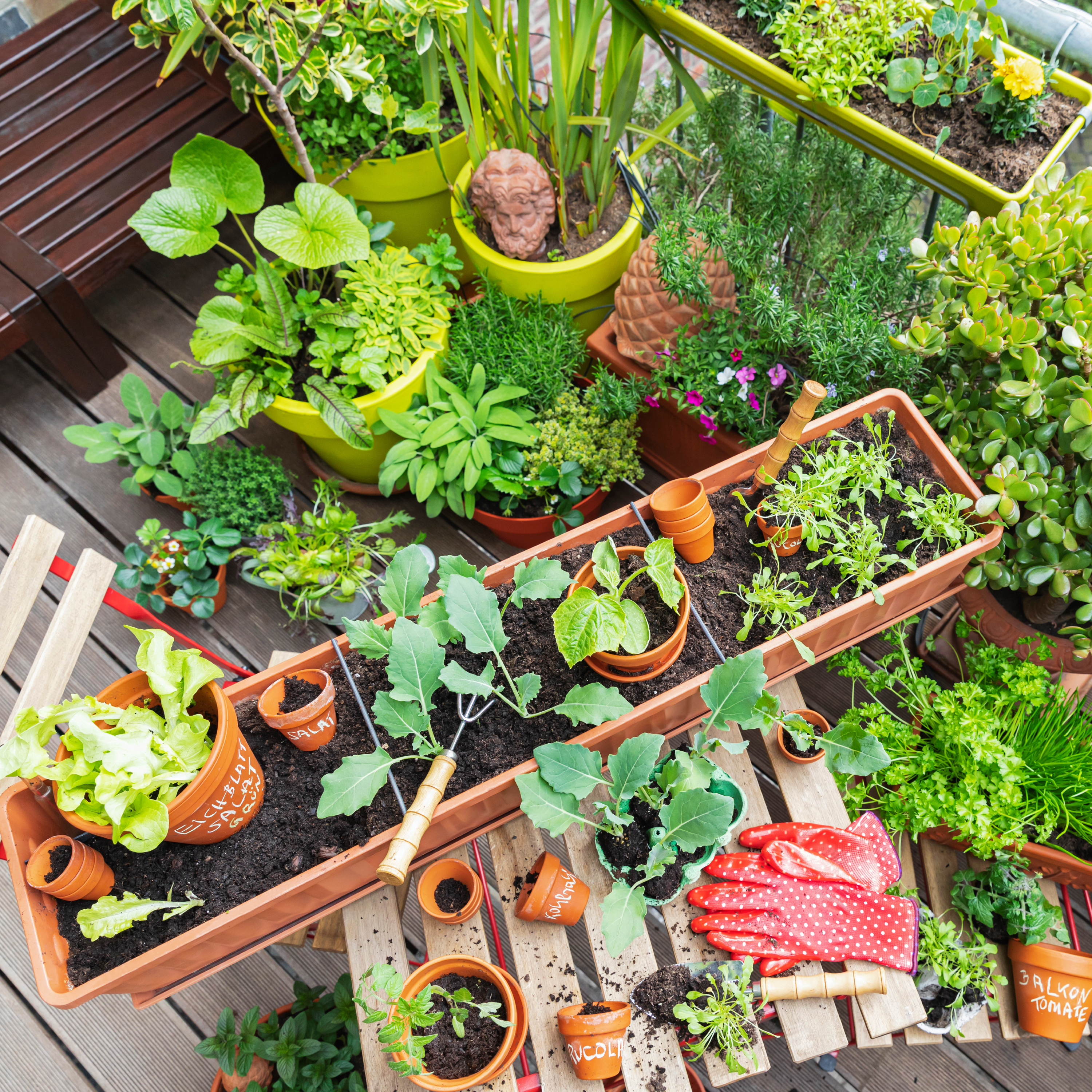
Not everyone has a large backyard, and that’s okay! Container gardening is a fantastic way to maximize limited space. Choose pots of varying sizes and heights to add dimension to your garden area. Vertical gardening is another innovative solution. Utilize walls or fences to hang planters, allowing you to grow more in less space. Consider plants like tomatoes or peas that naturally grow upwards, saving precious ground space.Regularly Monitoring Plant Growth
Once your plants are in the ground, keep an eye on their progress. Regular monitoring allows you to catch any overcrowding issues early. This ensures each plant has enough space to thrive. Prune and trim plants to maintain healthy spacing. This can prevent diseases and encourage better air circulation. Are some plants growing faster than others? Adjust your garden layout accordingly, moving or removing plants if necessary. Remember, gardening is a learning experience. Don’t be afraid to make changes and experiment with different layouts. Your efforts will lead to a more beautiful and productive garden.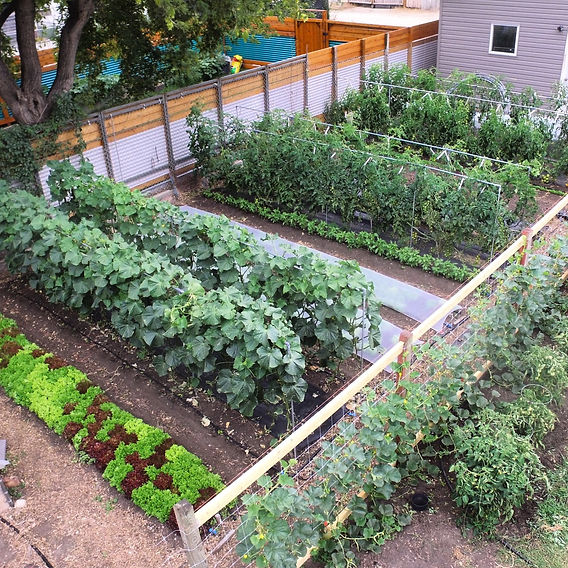
Credit: www.vegetableacademy.com
Frequently Asked Questions
How Far Apart Should I Plant Vegetables?
Spacing depends on the type of vegetable. For example, tomatoes need about 24-36 inches. Carrots require just 2-3 inches. Proper spacing ensures optimal growth and reduces disease risk.
Why Is Plant Spacing Important In Gardening?
Proper spacing prevents overcrowding, ensuring each plant receives enough sunlight and nutrients. It also aids in air circulation, reducing disease risks. Well-spaced plants generally grow healthier and yield better harvests.
What Happens If Plants Are Too Close?
When plants are too close, they compete for nutrients, water, and sunlight. This can lead to stunted growth and increased disease vulnerability. Proper spacing is crucial for healthy garden plants.
Can Plant Spacing Affect Yield?
Yes, incorrect spacing can reduce yield. Overcrowded plants struggle for resources, leading to smaller produce. Adequate spacing allows each plant to thrive and maximize its yield potential.
Conclusion
Choosing the right space between plants is crucial. It ensures healthy growth. Crowded plants struggle to thrive. They compete for nutrients and sunlight. Proper spacing also reduces disease risk. Air circulates better between plants. Measure and plan your garden layout carefully.
Consider each plant’s mature size. Research specific plant needs for the best results. Space helps plants grow strong and produce more. A little planning goes a long way. Enjoy a thriving, beautiful garden with adequate space. Your plants will thank you with bountiful blooms and harvests.