Are you dreaming of harvesting fresh, homegrown veggies all year round, right from the comfort of your living room? With an indoor vegetable garden, you can make this dream a reality.
But there’s one critical factor that can make or break your indoor gardening success: light. How much light do your plants really need? This question often puzzles many indoor gardeners, and getting it right is the key to lush, thriving plants.
Imagine biting into a juicy tomato or savoring a crisp lettuce leaf, all grown by you. Don’t let poor lighting rob you of this joy. Discover the secrets to illuminating your indoor garden perfectly, and watch your vegetables flourish like never before. Keep reading to unlock the essential tips that will transform your indoor gardening experience!
Importance Of Light For Indoor Vegetables
Light is crucial for the growth of indoor vegetables. It acts as food for plants, helping them produce energy. Without enough light, plants struggle. They become weak and may not produce well. Understanding light needs can improve your indoor gardening success.
Why Light Matters For Plant Growth
Plants need light for photosynthesis. This process turns light into energy. Energy helps plants grow strong and produce fruit or vegetables. Inadequate light can lead to slow growth. Leaves might turn yellow. Plants may become leggy, reaching for light.
Types Of Light Sources
Natural sunlight is best for plants. But, indoors, artificial light can help. Fluorescent lights are common. They offer a broad spectrum of light. LED lights are energy-efficient. They provide specific light wavelengths plants need. Both types are good for indoor gardening.
Determining Light Requirements
Different plants need different amounts of light. Leafy greens like lettuce need less light. Fruiting plants like tomatoes need more. Check your plant’s light requirements. Provide the right amount to ensure healthy growth.
Positioning Your Light Source
Place lights above plants for even coverage. Light should be 6 to 12 inches away. Adjust as plants grow. Too close, it can burn leaves. Too far, plants might not get enough light.
Duration Of Light Exposure
Most vegetables need 12 to 16 hours of light daily. Use timers to maintain a consistent schedule. Avoid leaving lights on 24 hours. Plants need darkness to rest and recover.
Signs Of Insufficient Light
Watch for signs of low light. Leaves may be small or pale. Plants might stretch towards light sources. These signs indicate a need for more light exposure.
Improving Light Conditions
Reflective surfaces can boost light. Use mirrors or foil to redirect light. Clean light bulbs regularly for maximum brightness. Rotate plants to ensure even light distribution.
Credit: www.harrisseeds.com
Natural Vs. Artificial Light
Deciding between natural and artificial light is crucial for indoor vegetable gardens. Sunlight provides essential energy, but artificial lights offer flexibility. Balancing both can boost plant growth and yield.
Creating the perfect indoor vegetable garden requires a careful balance of light sources. While natural light might seem ideal, it doesn’t always provide consistent illumination. Artificial light, on the other hand, can be tailored to meet specific needs. The choice between natural and artificial light is pivotal in achieving a thriving indoor vegetable garden. Let’s delve into the pros and cons of each lighting option, and how they can benefit your leafy greens.Pros And Cons Of Natural Light
Natural light is abundant and free, saving you money on electricity bills. It can boost plant growth with its broad spectrum, mimicking the sun’s rays. However, the availability of natural light varies throughout the day and seasons, which can be a limitation. Consider the window placement in your home. South-facing windows provide the most sunlight, but not every house is designed this way. Shadows from trees or neighboring buildings can further reduce light exposure, affecting plant growth. Using natural light might mean moving plants around to optimize light exposure. This can be a daily chore, but it ensures your veggies get the light they need. Have you noticed how your plants lean towards the window? That’s their way of telling you they crave more light.Benefits Of Artificial Light
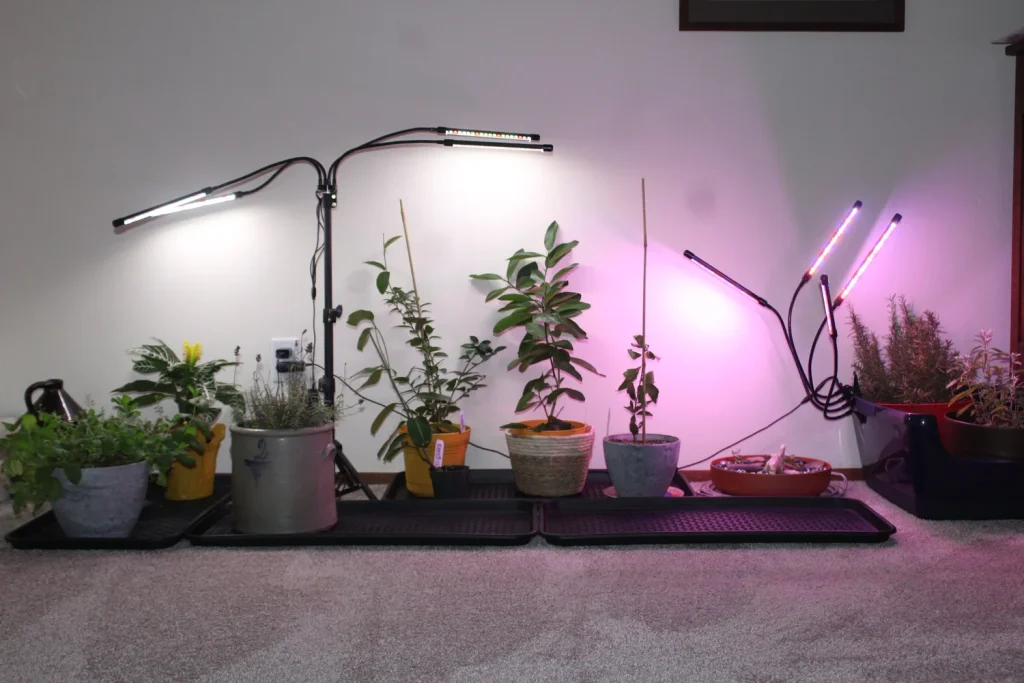
Artificial light offers control over light intensity and duration. With LED grow lights, you can adjust the spectrum to suit different plant stages, from seedlings to mature plants. This flexibility is a boon when natural light is inconsistent. LED lights are energy-efficient and long-lasting, making them a cost-effective choice. You can set timers to mimic natural light cycles, ensuring your plants receive consistent illumination even on cloudy days. Artificial lights allow you to grow vegetables in spaces without windows, like basements. This opens up new possibilities for indoor gardening. Imagine the joy of harvesting fresh lettuce from a room previously deemed unsuitable for plant life. When deciding between natural and artificial light, think about your space and lifestyle. Do you have time to move plants around for optimal sunlight, or would a set-it-and-forget-it artificial light system better suit your needs?Types Of Grow Lights
Creating an indoor vegetable garden is a rewarding endeavor, but one of the most crucial elements is ensuring your plants receive the right amount of light. With limited natural light indoors, grow lights become essential. But which type of grow light is best for your garden? Let’s explore some common types.
Led Lights
LED lights have become the darling of indoor gardeners for their energy efficiency and long lifespan. They emit less heat, which means you can place them closer to your plants without the risk of burning them. Plus, LEDs offer a full spectrum of light, mimicking sunlight to boost plant growth.
Consider investing in adjustable LED panels that allow you to tweak the light intensity and spectrum. This versatility can significantly impact the growth and yield of your indoor veggies. Have you ever tried growing tomatoes with LED lights? The results can be quite impressive!
Fluorescent Lights
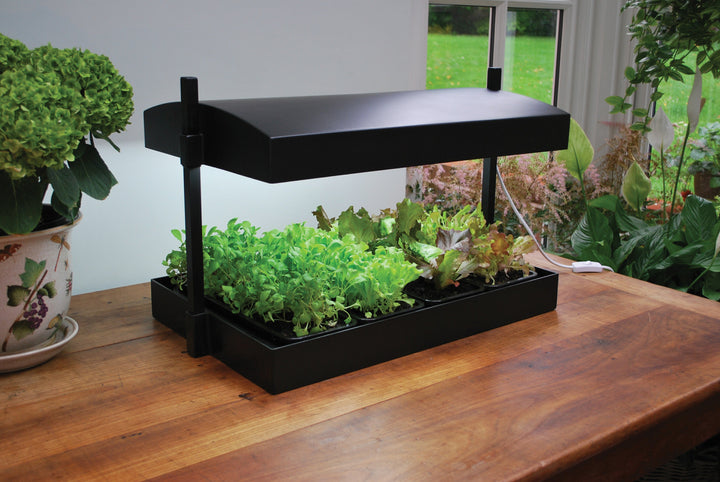
Fluorescent lights are popular due to their affordability and effectiveness, especially for leafy greens like lettuce and spinach. They are best suited for seedlings and smaller plants. Their gentle light ensures young plants don’t get overwhelmed.
Compact fluorescent lamps (CFLs) are particularly handy for small spaces. They are easy to install and provide a balanced light spectrum. If you’re working with a tight budget, fluorescents might be your go-to option.
Hid Lights
High-intensity discharge (HID) lights are powerful and ideal for larger setups. They produce a lot of light, making them perfect for fruiting vegetables like peppers and cucumbers. However, they do generate significant heat, so proper ventilation is crucial.
Would you consider HID lights despite their energy consumption? They could be worth it for the abundant harvests they promise. Just ensure your room temperature stays optimal to prevent plant stress.
Ultimately, the right choice depends on your specific needs and setup. Are you ready to light up your indoor garden with the perfect grow lights?
Determining Light Intensity
Indoor vegetable gardens thrive with proper light intensity. Aim for 12-16 hours of bright, indirect light daily. Use LED grow lights to mimic sunlight and ensure healthy plant growth.
Determining the right light intensity for your indoor vegetable garden can be the difference between thriving plants and struggling ones. Light plays a crucial role in photosynthesis, and each type of vegetable has its own needs. But how do you measure the perfect amount? Understanding lumens and PAR is essential for this, and it’s simpler than you might think. Let’s break it down so you can ensure your plants get the best light possible.Understanding Lumens And Par
Lumens are a measure of light brightness as perceived by the human eye. When selecting lights for your garden, aim for bulbs with higher lumens to mimic sunlight. Vegetables like tomatoes and peppers thrive with strong, direct light. PAR, or Photosynthetically Active Radiation, measures the light that plants actually use for growth. It’s more plant-specific than lumens. Focus on lights that offer a good balance of lumens and PAR to support photosynthesis. Choosing the right bulb can feel overwhelming, but a quick check of the packaging usually reveals these values.Measuring Light For Plants
To truly understand what your plants are receiving, a light meter can be your best friend. These devices measure the actual light intensity in your growing space. Place your light meter at the level of the plant leaves to get an accurate reading. Aim for consistent readings across all areas of your garden to avoid growth discrepancies. Consider the distance between the light source and plants. Closer proximity increases intensity but beware of overheating. Adjustments may be necessary depending on the season and plant maturity. Have you ever noticed how your plants react differently in winter compared to summer? It’s all about adjusting the light to meet their changing needs. Use these insights to keep your indoor garden flourishing year-round.Light Duration And Timing
Understanding light duration and timing is vital for an indoor vegetable garden. Plants need the right amount of light each day to thrive. Too much or too little can affect growth and productivity. Balancing light duration helps ensure healthy, robust vegetables.
Daily Light Requirements For Vegetables
Different vegetables have unique light needs. Leafy greens need about 12-16 hours of light daily. Fruiting vegetables like tomatoes require more, around 14-18 hours. Root vegetables often do well with 12-14 hours of light. It’s crucial to know your plant’s specific requirements.
Setting Up Light Timers
Light timers automate the light schedule for your plants. They ensure consistent lighting without manual intervention. Choose timers that can be easily programmed for daily cycles. Set timers to mimic natural daylight hours for best results. This consistency helps plants grow steadily and healthily.
Positioning Lights For Optimal Growth
Indoor vegetable gardens need the right amount of light for healthy growth. Position lights to mimic natural sunlight. Ensure plants receive 12-16 hours of light daily.
Positioning your lights correctly is crucial for a thriving indoor vegetable garden. The right light setup can mean the difference between lush, productive plants and those that struggle to survive. If you’re aiming for optimal growth, understanding how to position your lights is a vital part of your gardening journey.Distance From Plants
The distance between your lights and plants can significantly affect growth. Too close, and you risk burning the leaves; too far, and your plants may become leggy and weak. A general rule of thumb is to keep LED lights about 12-18 inches from the plant canopy. Regularly check for signs of light stress, like scorched leaves or elongated stems. Adjust the distance based on the specific needs of your plant varieties. Monitoring and tweaking this distance can lead to healthier, more robust plants.Adjusting Light Angles
The angle of your grow lights can also impact plant growth. Direct overhead lighting mimics natural sunlight and is generally the most effective. However, angling your lights can help reach lower leaves and promote even growth. Consider using adjustable fixtures that allow you to change the angle as your plants grow. This flexibility can ensure that every part of your plant receives adequate light. Experiment with different angles to see what works best for your indoor garden setup. Are your plants getting the most out of your lighting system? Observing and adapting the angle and distance of your lights may be the key to unlocking their full potential.Signs Of Insufficient Or Excessive Light
Understanding light needs for indoor vegetable gardens is crucial. Plants may wilt or grow tall with insufficient light. Excessive light can lead to yellow leaves or scorched spots. Balance ensures healthy growth.
Understanding the right amount of light for your indoor vegetable garden is crucial for its success. Too much or too little light can affect your plants’ growth and yield. Learning to recognize the signs of insufficient or excessive light is essential for maintaining a healthy garden.Identifying Light Deficiency
When your indoor vegetables aren’t getting enough light, you might notice slower growth. Leaves could become small, pale, or even yellow, indicating they’re struggling to photosynthesize. If your plants start stretching towards the light source, it’s a clear sign of light deficiency. This process, known as etiolation, results in leggy plants with weak stems. Consider evaluating the distance between your plants and the light source. Are they too far away? Adjusting their proximity can often solve the problem and boost their growth.Recognizing Light Stress
On the flip side, excessive light can be just as harmful. One common sign is scorched or burnt leaves, which might turn brown or dry out. If you see these symptoms, it might be time to reduce the light intensity. Using sheer curtains or adjusting the placement of your plants can help. Monitor your plants’ overall appearance. Do they look stressed or wilted even with enough water? Excessive light could be the culprit, and small adjustments can make a big difference. By paying attention to these signs, you can fine-tune the light conditions to suit your indoor vegetable garden perfectly. What changes will you make to ensure your plants thrive?
Credit: food52.com
Tips For Maximizing Light Efficiency
Consider the type of vegetables you are growing indoors. Leafy greens thrive with 12-16 hours of light daily. Use LED or fluorescent lights for energy efficiency. Adjust lights closer to plants to maximize growth.
Maximizing light efficiency is crucial for a thriving indoor vegetable garden. Every ray of light counts, especially when you’re trying to mimic the sun’s natural brilliance indoors. Whether you’re a seasoned gardener or a newbie, finding ways to make the most of available light can significantly impact your garden’s success.Reflective Surfaces
Use reflective surfaces to bounce light around your garden space. Mirrors, aluminum foil, or even white walls can enhance light distribution. I once lined my plant shelves with foil, and the difference was noticeable; plants on lower shelves grew as lush as those on top. Position your plants near these surfaces for maximum effect. This simple trick can effectively double the light exposure your plants receive. Have you tried using reflective surfaces in your garden?Maintaining Clean Light Fixtures
Dust and grime can dim your light fixtures over time. Regular cleaning ensures your plants get the full spectrum of light they need. I make it a habit to wipe down my LED grow lights every month. A clean light fixture can drastically improve light efficiency. Are your fixtures due for a scrub? Keep a cleaning schedule to prevent buildup and maintain optimal light conditions for your plants.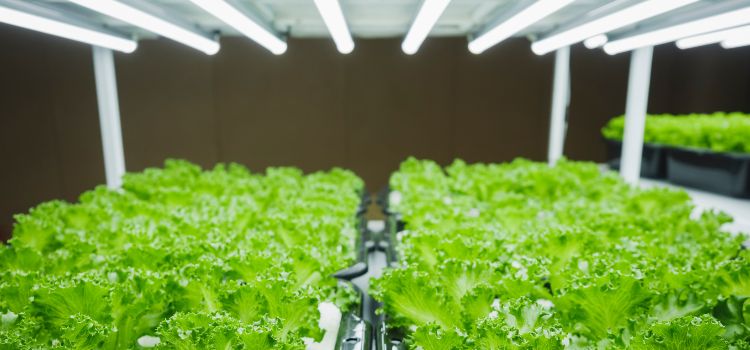
Credit: agriscaping.com
Frequently Asked Questions
How Many Hours Of Light Do Vegetables Need?
Vegetables typically need 12 to 16 hours of light daily. This mimics natural sunlight and supports healthy growth. Use grow lights to maintain consistent lighting, especially during darker months. Adjust light duration based on the vegetable type and growth stage for optimal results.
What Type Of Light Is Best For Indoor Gardening?
LED grow lights are ideal for indoor vegetable gardens. They provide the full spectrum necessary for plant growth. LEDs are energy-efficient, cost-effective, and produce less heat than other types. This helps prevent plant damage while ensuring optimal growth conditions.
Can Indoor Vegetables Grow In Low Light?
Yes, some vegetables can grow in low light conditions. Leafy greens like spinach and lettuce are more tolerant of lower light levels. However, supplementing with grow lights can improve yield and overall plant health. Ensure proper placement to maximize light exposure.
How Do I Measure Light Intensity For Plants?
Use a light meter to measure the intensity of light for plants. It helps you understand if your vegetables receive adequate lighting. Proper intensity varies by plant type, but generally, 2000 to 3000 lux is ideal for most vegetables. Adjust lighting based on meter readings.
Conclusion
Indoor vegetable gardens need the right light for healthy growth. Light helps plants photosynthesize, making them strong and fruitful. Choose LED grow lights for efficiency and better plant health. Adjust light height and duration based on plant needs. Regular checks ensure your plants get enough light.
Remember, each plant type may need different light settings. Experiment and see what works best for your garden. With the right light, your indoor garden can thrive. Enjoy fresh vegetables right at home. Keep learning, and your indoor garden will flourish.
Happy gardening!







