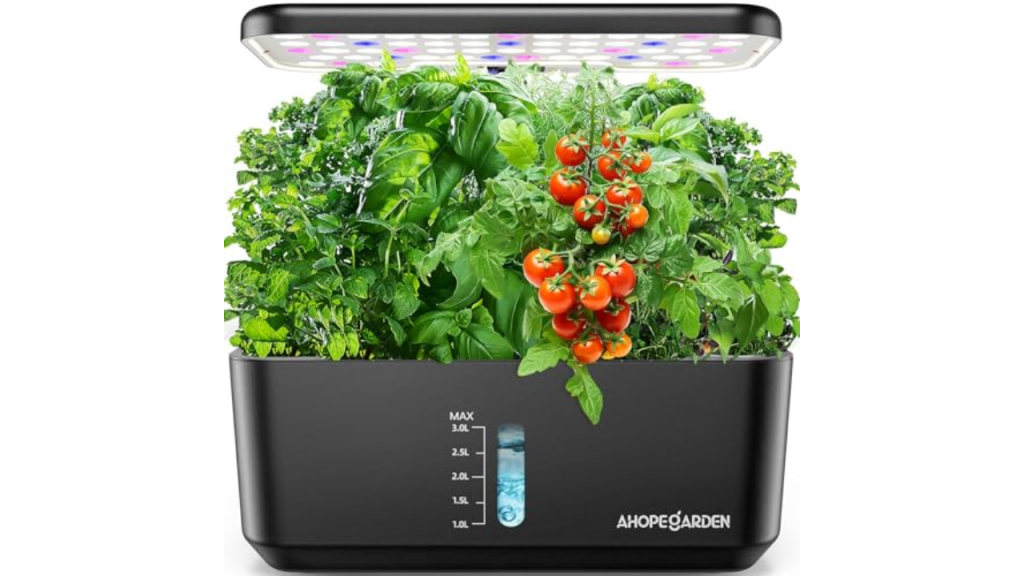
Imagine stepping into your kitchen and plucking fresh tomatoes or crisp lettuce from your very own indoor garden. You might be wondering just how much food such a garden can actually produce.
Is it enough to make a dent in your grocery bill? Can it truly sustain you and your family? The answers might surprise you. Indoor gardening is not just a hobby; it’s a gateway to a lifestyle where you control what goes on your plate.
By the end of this article, you’ll discover the potential yield of indoor gardens and how they can transform your eating habits. Get ready to explore the possibilities and uncover how an indoor garden can redefine your home-grown produce experience.
Benefits Of Indoor Gardening
Indoor gardens can yield fresh herbs, vegetables, and fruits, enhancing meals with home-grown flavors. Space-efficient setups allow for a variety of produce, reducing grocery bills.
The benefits of indoor gardening are vast and varied. It offers the chance to cultivate a personal oasis, regardless of outdoor conditions. With an indoor garden, you have the opportunity to grow fresh produce right in your home. This method of gardening not only enhances the beauty of your living space but also provides practical advantages. Let’s explore some of these benefits in detail.Year-round Harvests
Indoor gardening allows for continuous harvesting. You can enjoy fresh herbs and vegetables throughout the year. Unlike traditional outdoor gardens, indoor setups aren’t restricted by seasonal changes. This means you can savor homegrown tomatoes in winter and leafy greens in summer. It’s an excellent way to ensure a steady supply of nutritious food.Space Efficiency
Indoor gardens are perfect for maximizing small spaces. Vertical gardening and hydroponic systems utilize limited areas efficiently. Shelves, countertops, and windowsills can become productive spots for your plants. Even in a tiny apartment, you can grow a variety of crops. This makes indoor gardening accessible to urban dwellers with limited outdoor space.Controlled Environment
An indoor garden offers control over plant growing conditions. You can manage temperature, humidity, and light levels for optimal growth. This control minimizes the risk of pests and diseases affecting your plants. It also allows for experimentation with different plant types that might not thrive outdoors. A controlled environment leads to healthier and more productive plants.Factors Influencing Yield
Understanding the factors that influence yield is crucial for indoor gardening. Several elements determine how much food your garden will produce. These elements vary from lighting to watering techniques. Each plays a significant role in the success of your garden.
Lighting Conditions
Light is essential for plant growth. Indoor gardens need adequate lighting to thrive. Natural sunlight might not be enough. Consider using LED grow lights. They provide the necessary spectrum for plants. Ensure your plants get 12-16 hours of light daily. This mimics natural sunlight.
Soil Quality
Soil is the foundation of your indoor garden. Good soil retains moisture and nutrients well. Opt for soil rich in organic matter. This improves plant health and yield. Test your soil’s pH level regularly. Aim for a pH between 6 and 7. It ensures nutrient availability.
Plant Selection
Choose plants wisely for your indoor garden. Some plants do better indoors. Leafy greens and herbs are great choices. They need less space and grow quickly. Research the needs of each plant. This ensures you provide optimal conditions.
Watering Techniques
Proper watering is key to plant growth. Overwatering leads to root rot. Underwatering stresses the plant. Find the right balance for your garden. Check soil moisture before watering. Use self-watering pots for convenience. They help maintain consistent moisture levels.
Estimating Your Garden’s Potential
Estimating Your Garden’s Potential Indoor gardens can yield a surprising amount of food. Factors like plant type, care, and available space greatly influence production.
Estimating the potential yield of your indoor garden can be exciting. It helps set realistic expectations for how much food you can harvest. Understanding various factors can guide you in maximizing your indoor garden’s output.Understanding Plant Growth Cycles
Different plants have unique growth cycles. Some plants grow quickly and produce food in a few weeks. Others take months to mature. Leafy greens like spinach and lettuce grow fast. Fruits like tomatoes and peppers need more time. By knowing these cycles, you can plan staggered planting. This ensures a constant supply of fresh produce.Average Yield Per Plant
Each type of plant offers a different yield. For example, a single tomato plant can yield many tomatoes. On average, you might expect 8 to 10 tomatoes per plant. Lettuce plants can provide multiple harvests from one plant. This boosts your overall yield. Research specific plants to know their average production. This information helps in planning how many plants you need.Space And Layout Considerations
Space greatly influences your garden’s output. Maximize your space by using vertical gardening techniques. Shelves and hanging pots can increase your planting area. Proper spacing between plants ensures they grow well. Overcrowding can reduce yield. Plan your garden layout to allow light and air circulation. Using containers of different sizes can optimize space. Consider the mature size of plants when arranging your garden. This thoughtful planning can lead to a more productive indoor garden.
Credit: nutraponics.com
Maximizing Your Harvest
Indoor gardens can produce a surprising amount of food. With proper care and the right conditions, small spaces can yield fresh herbs, vegetables, and fruits. From leafy greens to juicy tomatoes, indoor gardening offers a sustainable way to enjoy homegrown produce year-round.
Maximizing Your Harvest from an indoor garden requires thoughtful planning and care. Indoor gardening offers a unique opportunity to grow fresh produce year-round. With the right techniques, you can boost your garden’s yield.Optimizing Light Sources
Light is vital for plant growth. Indoor plants often lack natural sunlight. Consider LED grow lights for better results. They mimic sunlight and enhance plant growth. Position lights close to plants for maximum effect. Adjust light duration based on plant type. Some plants need longer light exposure. Others thrive with shorter periods.Nutrient Management
Plants need nutrients to grow strong. Indoor gardens may lack essential nutrients. Use quality potting mix for a good start. Fertilizers can boost nutrient levels. Organic options are gentle on plants. Monitor nutrient levels regularly. Too much can harm plants. Too little slows growth.Pruning And Maintenance
Regular maintenance keeps plants healthy. Pruning encourages new growth. Remove dead leaves and stems. This improves air circulation. Inspect plants for pests weekly. Early detection prevents spread. Keep garden area clean. Remove debris to avoid diseases. Routine care ensures a thriving indoor garden.Common Challenges
Estimating food yield from an indoor garden often poses challenges. Factors like plant type, growing conditions, and available space significantly influence production. Understanding these elements helps in planning for consistent harvests.
Growing your own food indoors can be incredibly rewarding, but it’s not without its challenges. Understanding these common hurdles will help you maximize your indoor garden’s output. Let’s dive into some of the typical issues you might face and how to tackle them effectively.Pest Control
Even in the controlled environment of an indoor garden, pests can still find their way in. Tiny invaders like aphids or spider mites can wreak havoc on your plants. Regularly inspect your plants and use natural solutions, such as neem oil or insecticidal soap, to keep these pests at bay. It’s essential to identify pests early on. This allows you to take swift action before they multiply. Consider introducing beneficial insects like ladybugs to naturally control pest populations.Temperature Fluctuations
Indoor gardens are often at the mercy of your home’s temperature variations. Sudden changes can stress plants, affecting growth and yield. Keep an eye on the temperature in your growing area, especially during seasonal changes. Use heaters or fans to stabilize the environment when necessary. Investing in a thermometer can help you monitor fluctuations closely. Ask yourself: Is your garden’s location optimal for maintaining a consistent temperature?Overcrowding Issues
It’s easy to get carried away and plant more than your space can handle. Overcrowding can lead to competition for light, nutrients, and water, stunting growth. Plan your garden layout carefully, ensuring each plant has enough room to thrive. Consider the mature size of each plant before sowing seeds. If you notice plants competing for resources, thinning out weaker ones can promote healthier growth for the rest. How can you optimize your space to prevent overcrowding? By addressing these common challenges, you can set your indoor garden up for success. Each obstacle presents an opportunity to learn and improve your gardening skills. What adjustments can you make today to boost your garden’s productivity?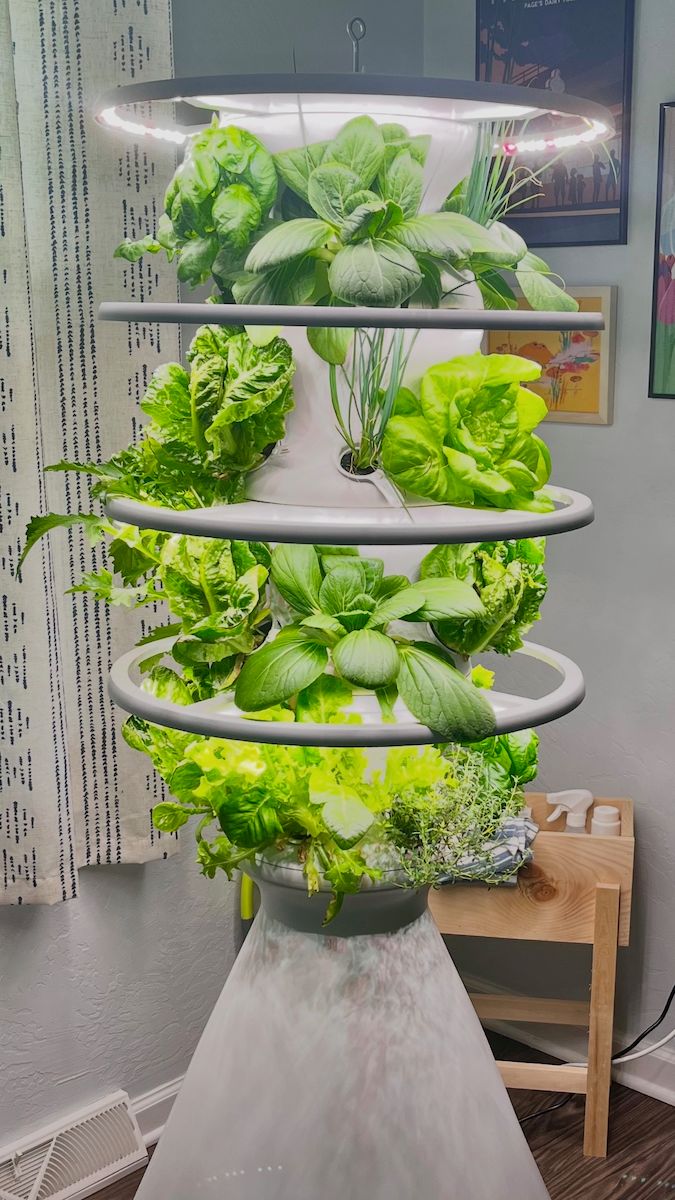
Credit: www.lettucegrow.com
Success Stories
Indoor gardening can yield surprising amounts of food. Many enthusiasts have shared their success stories. These stories inspire others to start their own indoor gardens. Let’s explore a few of these remarkable achievements.
Case Studies Of Productive Indoor Gardens
In a small urban apartment, Sarah grew a thriving garden. She harvested fresh herbs, tomatoes, and leafy greens. Her secret? Efficient use of vertical space. She used shelves and hanging pots. Her kitchen was filled with fresh produce year-round.
Another inspiring story is from James, a tech-savvy gardener. He created an automated hydroponic system. His setup allowed him to grow strawberries and lettuce. James enjoyed a steady supply of fresh produce. His system minimized water use and maximized yield.
Innovative Gardening Techniques
John experimented with aquaponics in his living room. His system combined fish farming and plant cultivation. The fish provided nutrients for the plants. In return, the plants helped filter the water. This symbiotic relationship produced healthy vegetables.
Lisa embraced the idea of microgreens. She grew them on her windowsill. These tiny plants are packed with nutrients. They grow quickly and don’t need much space. Lisa enjoyed fresh microgreens in her meals every week.
These stories show the potential of indoor gardening. With creativity and the right techniques, anyone can grow their own food indoors.

Credit: www.usatoday.com
Frequently Asked Questions
How Much Yield From Indoor Garden Plants?
The yield from indoor garden plants varies by species. Factors include plant type, growing conditions, and care. Leafy greens may produce more than fruiting plants. Regular maintenance and optimal conditions boost productivity. Indoor gardens can meet small household needs but may not replace outdoor gardens.
Can Indoor Gardens Sustain A Family?
Indoor gardens can supplement a family’s diet but often can’t fully sustain it. They produce fresh herbs, greens, and some vegetables. Limitations include space and light. With strategic planning, they enhance nutrition but are usually part of a broader food strategy.
What Affects Indoor Garden Productivity?
Several factors impact indoor garden productivity. Lighting, temperature, and humidity play crucial roles. Plant type and care, including watering and fertilizing, are vital. Proper equipment and techniques improve yields. Regular monitoring helps in adjusting conditions for optimal growth.
Are Hydroponics Better For Indoor Gardens?
Hydroponics can enhance indoor garden productivity. They use water-based nutrient solutions. This system often yields faster growth and higher production. It requires initial investment and setup. Hydroponics minimizes soil-related issues and conserves space, making it ideal for urban settings.
Conclusion
Indoor gardening offers a great way to grow fresh food. It provides vegetables and herbs right at home. The amount of produce depends on your setup. Smaller gardens yield less but still offer fresh greens. Larger setups, like hydroponics, can produce more.
Regular care ensures healthy growth. Consider your space and light. Choose plants that fit your environment. Experiment with different varieties. Indoor gardening is rewarding and fun. Enjoy the process and the harvest. Every bite is worth the effort. Keep learning and growing.
Your indoor garden can thrive with patience and care.