
Imagine stepping into your backyard and finding a lush garden brimming with vibrant plants, each thriving in its own little space. Achieving this dream is easier than you think, especially with the square foot gardening method.
This technique allows you to maximize your garden’s potential by strategically planting each square foot. But how many plants can you fit in that precious space? The answer could transform your gardening experience. By understanding the principles of square foot gardening, you can unlock the secret to a flourishing garden that bursts with life, color, and produce.
Dive into this guide and discover how to optimize every inch of your garden. With the right approach, your green thumb will be unstoppable, and your garden will become the envy of the neighborhood. Ready to plant the seeds of success? Let’s get started!
Benefits Of Square Foot Gardening
Square foot gardening maximizes plant growth in limited space. You can fit 1, 4, 9, or 16 plants per square foot, depending on their size. This method boosts efficiency by reducing wasted space and simplifying garden maintenance.
Square foot gardening is a revolutionary approach that maximizes space and efficiency in growing plants. This method involves dividing a garden into small, manageable sections, typically one square foot each, allowing you to grow a variety of plants in a compact area. The benefits of square foot gardening are numerous, making it an appealing choice for both beginner and seasoned gardeners.Efficient Use Of Space
Square foot gardening allows you to make the most of limited space. By organizing your garden into square foot sections, you can grow more plants in a smaller area. This is ideal for urban gardeners or those with limited yard space. You can even use this method on balconies or small patios.Reduced Maintenance
With square foot gardening, you spend less time weeding and more time enjoying your plants. The dense planting helps to crowd out weeds, reducing the amount of time you need to spend on maintenance. You can focus on nurturing your plants rather than constantly battling weeds.Easy Accessibility
Organizing your garden into squares makes it easier to access each plant without disrupting others. You can quickly tend to your plants, harvest produce, and manage pests with ease. This accessibility also makes it easier for children and elderly gardeners to participate, bringing joy to the whole family.Improved Soil Quality
Each square foot section can be tailored to the needs of specific plants. You can improve soil quality by adding compost, fertilizers, and other nutrients directly where they are needed. This targeted approach helps to create a more productive garden with healthier plants.Water Conservation
Square foot gardening can lead to more efficient water use. Because plants are closely spaced, they create a microclimate that reduces evaporation. You’ll save water and keep your plants thriving, even during dry spells. This sustainable practice benefits both your garden and the environment.Increased Yield
You’ll be amazed at how much you can grow in a small space using square foot gardening. The method encourages planting a variety of crops, leading to a rich and diverse harvest. Imagine enjoying fresh vegetables and herbs from your own garden, knowing you used every inch wisely. Square foot gardening offers a practical and accessible way to grow a lush, productive garden. Why not give it a try and see how it transforms your gardening experience?Choosing The Right Plants
Choosing the right number of plants per square foot garden ensures healthy growth. Consider plant size and spacing needs. Proper planning maximizes yield and prevents overcrowding.
Choosing the right plants for your square foot garden is crucial. The plants you select will determine the garden’s success. Consider factors like plant size, growth habit, and compatibility. Each plant has specific space requirements. Some plants need more room than others. Understanding these needs will help maximize your garden’s potential.Understanding Plant Needs
Plants have different sunlight and water requirements. Some thrive in full sun, while others prefer shade. Choose plants that match your garden’s conditions. Also, consider the amount of water each plant needs.Plant Size And Growth Habit
Different plants have varying sizes and growth habits. For example, tomatoes grow tall, while lettuce stays low. Understanding this helps in proper planning and spacing. You don’t want taller plants to overshadow the smaller ones.Companion Planting
Companion planting benefits your garden. Some plants grow better next to others. For instance, basil and tomatoes are great companions. They help each other thrive and deter pests.Seasonal Considerations
Choose plants according to the season. Some plants grow best in spring, while others thrive in summer. Knowing your region’s climate helps in selecting the right plants. This ensures a continuous harvest throughout the year.Plant Varieties
Explore different varieties of the same plant. Some varieties are more disease-resistant. Others might produce more fruit. Selecting the right variety increases your garden’s yield.Plant Density Guidelines
Understanding plant density helps ensure a thriving square foot garden. Each plant type needs specific spacing. For example, lettuce requires more room than radishes. Proper spacing allows plants to grow healthy and produce abundant yields.
Plant density is a crucial aspect of square foot gardening that can significantly impact your garden’s productivity. If you’re aiming for a lush, bountiful garden, understanding how many plants can thrive in a given space is key. Planting too densely can lead to overcrowding and poor growth, while too much space can waste valuable gardening real estate.Spacing Recommendations
Proper spacing ensures each plant gets enough sunlight, water, and nutrients. Generally, smaller plants like radishes or carrots can be planted more densely, around 16 plants per square foot. Medium-sized plants, such as lettuces and beets, typically need about 9 plants per square foot. Larger plants, like tomatoes or peppers, require more room, usually one plant per square foot. Using these guidelines, you can mix and match different vegetables within your garden to make the most efficient use of space. For instance, you might plant a single tomato plant in the middle of a square and surround it with smaller herbs or leafy greens.Companion Planting Tips
Companion planting is a smart strategy to maximize your garden’s health and yield. Certain plants, when grown together, can benefit each other by deterring pests or improving soil nutrients. For example, planting basil near tomatoes can enhance their growth and flavor. Consider grouping plants with similar water and sunlight needs to simplify your gardening routine. You could plant thirsty vegetables like cucumbers alongside water-loving herbs like mint. Experimenting with plant combinations can lead to surprising successes. Have you ever tried planting marigolds among your vegetables to ward off pests? The bright flowers not only add color but can protect your harvest. By paying attention to these plant density guidelines, your garden can become a thriving ecosystem, producing a rich bounty of fruits and vegetables. How will you optimize your plant layout this season?
Credit: www.facebook.com
Planning Your Garden Layout
Planning your garden layout is both an art and a science. It’s about maximizing space while ensuring each plant thrives. You’ll discover different strategies that cater to your preferences and climate, making your square foot garden truly unique. So, how do you ensure each plant has room to grow without overcrowding?
Grid System Techniques
Utilizing a grid system can transform your garden planning. Imagine each square foot as a blank canvas, ready to be filled with greenery. You can use a simple wooden grid or even string to outline your garden. This approach helps you visualize planting arrangements and maintain organized spacing.
Consider how many plants fit comfortably within a square foot. Leafy greens like lettuce can thrive with four plants per square foot, while larger vegetables like tomatoes need more room, perhaps one plant per square foot. Creating a grid helps in ensuring each plant gets its share of sunlight and nutrients.
Seasonal Considerations
Different seasons call for different planting strategies. In spring, you might focus on fast-growing plants that enjoy cooler weather, like radishes or spinach. As summer approaches, think about switching to heat-loving plants such as peppers or zucchini.
Consider the timing of your planting schedule. Some plants can be sown early and harvested before summer starts, making room for another crop. This succession planting method maximizes your garden’s productivity throughout the year.
Have you thought about how seasonal changes impact your garden layout? Planning for multiple harvests might be the trick to a bountiful garden year-round.
Maximizing Growth Potential
Planning your square foot garden requires understanding plant spacing for optimal growth. Each plant variety needs specific space, ensuring healthy development and maximizing yield. Efficiently using space boosts productivity and allows for a diverse garden.
Maximizing the growth potential of your square foot garden can transform even the smallest spaces into lush, productive havens. By creatively using every inch, you can harvest a bounty that might surprise you. What if your garden could produce more than you ever imagined?Vertical Gardening
Vertical gardening lets you take advantage of the space above your square foot. This technique involves growing plants upwards using trellises, nets, or even walls. It’s perfect for vining plants like tomatoes, peas, and cucumbers. Picture your garden with a cascade of sweet peas trailing up a trellis. This not only saves ground space for other plants but also makes harvesting easier. Plus, vertical gardening can reduce pest problems by lifting leaves and fruits off the ground.Succession Planting
Succession planting is about timing your plantings to maximize yield. As soon as one crop finishes, you replace it with another. This keeps your garden productive all season long. Consider planting fast-growing crops like radishes or lettuce early in the season. Once harvested, you can plant summer crops like beans or squash in the same spot. This method ensures your garden is always working for you, providing a continuous supply of fresh produce. Are you ready to rethink your gardening strategy? By implementing these techniques, you can turn your square foot garden into a powerhouse of productivity.
Credit: en.wikipedia.org
Common Mistakes To Avoid
Plant spacing errors can limit growth and yield. Too many plants per square foot can lead to overcrowding. Proper spacing ensures each plant receives enough sunlight, nutrients, and water.
Creating a square foot garden can be an exciting way to grow plants efficiently. Yet, it is important to avoid common mistakes to ensure your garden thrives. Beginners often overlook crucial aspects, leading to poor plant growth or even failure. Understanding these pitfalls will help you nurture a healthy, productive garden. Dive into these common mistakes to steer clear of them.Ignoring Plant Spacing Needs
Plant spacing is vital for healthy growth. Crowding plants leads to competition for resources. Adequate space allows roots to expand and absorb nutrients effectively.Choosing Incompatible Plants
Some plants do not grow well together. Mixing incompatible plants can stunt growth. Research plant compatibility to optimize garden success.Overwatering Or Underwatering
Both overwatering and underwatering harm plants. Consistent watering routines encourage healthy growth. Adjust watering based on plant needs and weather conditions.Neglecting Soil Quality
Healthy soil is the foundation of a thriving garden. Poor soil quality leads to nutrient deficiencies. Enrich your soil with compost and organic matter.Skipping Regular Maintenance
Gardens require regular upkeep. Neglecting maintenance tasks causes plants to suffer. Regularly prune, weed, and check for pests to maintain plant health.Tools For Efficient Gardening
Understanding plant spacing is key to a thriving square foot garden. Different plants need different amounts of space. For example, leafy greens can fit more densely, while tomatoes need more room. Proper spacing ensures healthy growth and maximizes yield in limited space.
Gardening is more than just planting seeds; it’s about creating an efficient and thriving ecosystem in your square foot garden. The right tools can make this process smoother and more enjoyable. So, what exactly do you need to optimize your gardening efforts?Essential Gardening Supplies
To get started, a good set of tools is crucial. A sturdy hand trowel and a pair of pruning shears should be at the top of your list. These basic tools will help you with planting and maintaining your garden with ease. Consider investing in a quality watering can or hose with adjustable settings. This will ensure your plants get the right amount of water without over-saturating them. A soil test kit can also be beneficial, helping you understand your soil’s pH levels and nutrient content. You might also find a kneeling pad useful, especially if you plan to spend long hours tending to your plants. It can make all the difference in comfort and endurance as you work through your garden tasks.Technology And Apps
In today’s digital age, technology can be a gardener’s best friend. There are numerous apps designed to help you track your garden’s progress. Some apps can even remind you when it’s time to water or fertilize your plants. Imagine having an app that tells you the ideal planting times for each type of plant in your garden. This can prevent common mistakes and help you achieve better yields. Some advanced apps even offer pest identification and management advice, ensuring your plants stay healthy. Consider using a weather app tailored for gardening to keep an eye on forecasts. Knowing when a storm is coming can help you protect your garden from potential damage. Are you leveraging technology to enhance your gardening experience? If not, it might be time to explore these digital tools to maximize your garden’s potential.Success Stories And Case Studies
Discover how gardeners optimize space by calculating plants per square foot. Case studies highlight successful techniques for diverse plant types. Efficient planning ensures vibrant, productive gardens.
Success Stories and Case Studies Gardening enthusiasts often find themselves asking, “How many plants can I fit into my square foot garden?” The answer is not a one-size-fits-all, but learning from others’ experiences can provide valuable insights. Real-life success stories and case studies showcase creative solutions and practical tips that can help you maximize your garden’s potential.Emily’s Urban Oasis
Emily, living in a bustling city, transformed her tiny balcony into a lush square foot garden. She started with a basic 4×4 grid, carefully choosing plants like lettuce, radishes, and herbs. Her success lies in the strategic pairing of fast-growing and slow-growing plants, allowing her to harvest continuously. Emily’s advice: “Experiment and don’t be afraid to plant densely; just keep an eye on sunlight and water needs.” Her garden not only provides fresh produce but also a peaceful retreat amidst city noise.Tom’s Family Project
Tom turned gardening into a family project, teaching his kids about nature and responsibility. They opted for a 3×3 grid, incorporating tomatoes, peppers, and carrots. By involving his children in the planting and maintenance, Tom noticed that they were more enthusiastic about eating vegetables they helped grow. Tom highlights the importance of spacing and plant compatibility, saying, “We learned the hard way that tomatoes need more room than carrots!” His story emphasizes the educational benefits of gardening with children.Linda’s Seasonal Success
Linda, an avid gardener, adapted her square foot garden to suit different seasons. She rotates crops like spinach, kale, and squash depending on the time of year. This approach not only ensures a year-round harvest but also improves soil health. Linda’s key takeaway: “Plan ahead and be flexible with your plant choices.” Her garden thrives because she constantly adjusts to seasonal changes, ensuring optimal growth conditions.John’s Sustainable Practices
John focused on sustainability by incorporating companion planting and organic methods. He uses a 2×2 grid, growing beans alongside marigolds to naturally deter pests. His approach significantly reduced the need for chemical interventions, making his garden eco-friendly. John’s insight: “Nature has its solutions; you just need to observe and adapt.” His story encourages gardeners to think beyond traditional methods and explore sustainable practices. These stories highlight the diverse approaches to square foot gardening, each offering unique insights. What innovative methods will you try in your garden?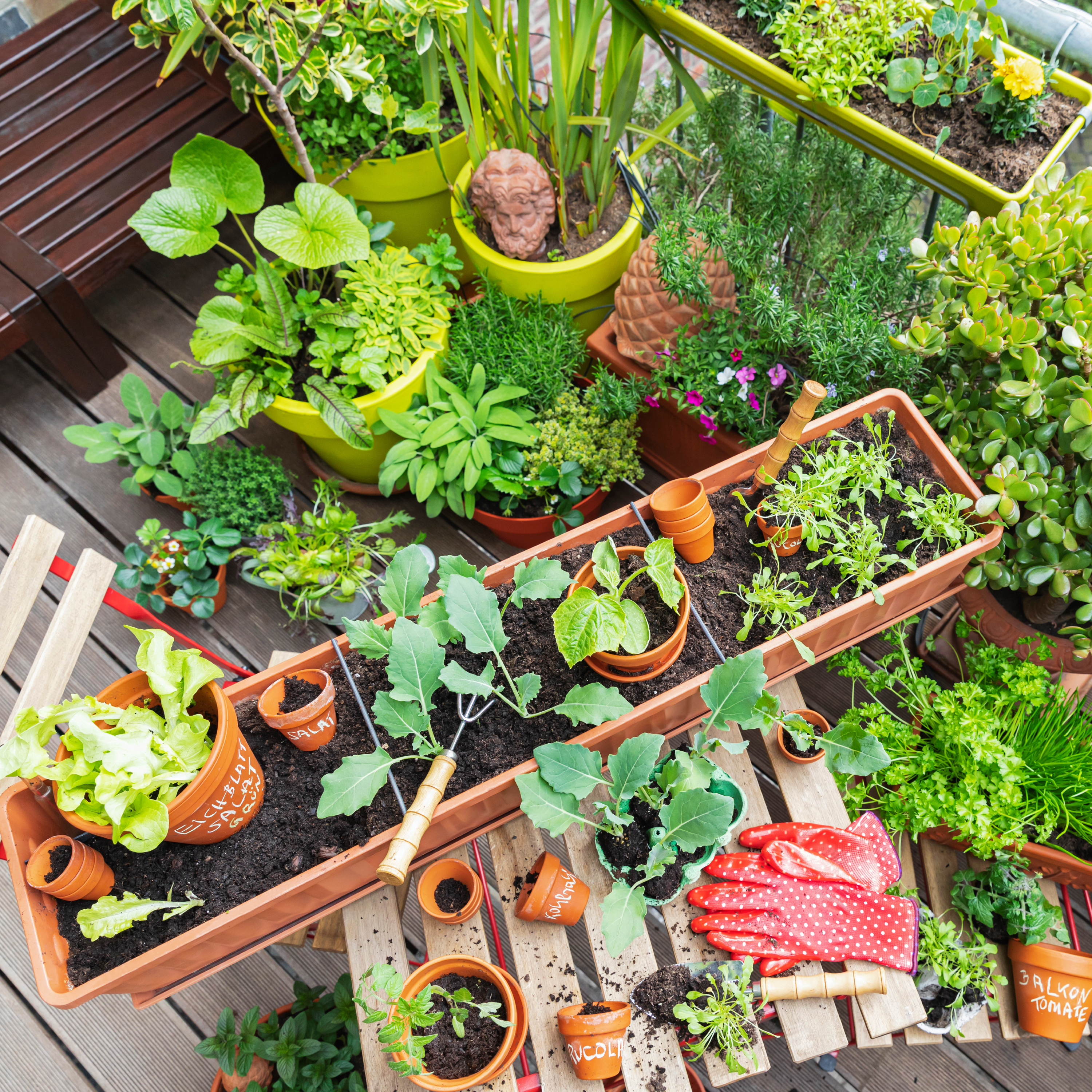
Credit: www.gardeningknowhow.com
Frequently Asked Questions
How To Calculate Plants Per Square Foot?
To calculate plants per square foot, consider plant size and spacing requirements. Divide the square footage by the recommended spacing. This ensures optimal growth and avoids overcrowding. Use grid or companion planting for efficient space use.
What Plants Are Best For Square Foot Gardening?
Small or compact plants like lettuce, radishes, and carrots thrive in square foot gardens. Tomatoes, peppers, and beans can also be grown with proper support. Choose varieties suited to your climate for best results.
How Do I Start A Square Foot Garden?
Begin by selecting a sunny location and preparing soil. Use raised beds or containers with grids for easy planting. Start with easy-to-grow plants. Follow spacing guidelines to maximize yield and minimize maintenance.
What Are The Benefits Of Square Foot Gardening?
Square foot gardening maximizes space, reduces weeds, and conserves water. It’s ideal for small areas and urban settings. It simplifies planting, maintenance, and harvest. It allows for diverse plantings and efficient use of resources.
Conclusion
A square foot garden maximizes space with thoughtful plant choices. Understanding plant needs helps you plan effectively. Small plants, like radishes, need less space. Larger ones, like tomatoes, need more room. Check seed packets for spacing advice. Experiment to find what works best.
Adjust based on your garden’s conditions. Enjoy a fruitful garden by using space wisely. Gardening brings joy and fresh produce. Start small and learn as you grow. Happy gardening!







