Imagine stepping into your backyard and seeing a lush, vibrant garden bed bursting with life. That’s the dream you can achieve with a 4×8 garden bed.
But, how many plants can you actually fit into this space? This question might be puzzling, yet it’s crucial for maximizing your garden’s potential. Picture each plant thriving, reaching its full glory without overcrowding. This isn’t just about aesthetics; it’s about creating a harmonious balance.
You want to get it right, don’t you? We’ll unravel the mystery of plant numbers, guiding you to make informed choices. You’ll discover simple strategies to fill your garden bed perfectly, ensuring each plant has the room it needs to flourish. Ready to transform your garden into a paradise? Let’s dive in and explore the secrets of optimal planting!
Choosing The Right Plants
A 4×8 garden bed can hold a variety of plants, depending on their size. Consider spacing needs and growth habits. Smaller plants like herbs fit well with larger ones like tomatoes or peppers, ensuring efficient use of space.
Choosing the right plants for your 4×8 garden bed is crucial. Each plant has unique needs and growth patterns. To maximize space and yield, consider various factors. These include plant type, climate, and soil conditions. Understanding these elements helps create a thriving garden.Vegetables Vs. Flowers
Decide between growing vegetables or flowers. Vegetables offer nutritious harvests. Tomatoes, lettuce, and carrots are popular choices. They require specific spacing and care. Flowers beautify the garden with vibrant colors. Roses, marigolds, and tulips are some options. Each plant type has different water and light requirements. Choose based on personal preference and garden goals.Consider Climate And Soil
Climate affects plant growth significantly. Some plants thrive in warm climates, while others prefer cooler weather. Research the best plants for your region’s climate. Soil type is also important. Sandy soil drains quickly, ideal for certain vegetables. Clay soil retains moisture, suitable for specific flowers. Test your soil to understand its properties. Adjustments can be made with compost or fertilizer. Proper soil preparation ensures healthy plant growth.Understanding Plant Spacing
Understanding plant spacing is key in optimizing your 4×8 garden bed. Proper spacing ensures plants get enough sunlight, water, and nutrients. It also helps in minimizing competition between plants. Knowing how to space your plants can lead to a healthier and more productive garden.
Importance Of Spacing
Spacing affects how plants grow and thrive. Crowded plants compete for resources, leading to stunted growth. Adequate spacing allows for better air circulation. This reduces the risk of diseases. Well-spaced plants also receive more sunlight, essential for photosynthesis. Proper spacing can also make weeding and harvesting easier.
Common Spacing Guidelines
Different plants require different spacing. Here are some common guidelines:
- Leafy Greens:Space lettuce and spinach 6-12 inches apart.
- Root Vegetables:Carrots and beets need 2-4 inches between them.
- Tomatoes:Space them 18-24 inches apart for optimal growth.
- Peppers:Give peppers 12-18 inches of space.
- Beans:Pole beans need about 4-6 inches between plants.
These guidelines ensure each plant has room to grow. Adjust spacing based on specific varieties or local conditions. Proper spacing leads to a bountiful garden bed.
Optimizing Layout For Growth
Optimizing garden layout can maximize plant growth in a 4×8 garden bed. Efficiently manage space by choosing appropriate plant types and spacing them correctly. This approach allows for healthy development and optimal yield.
Optimizing the layout of your 4X8 garden bed is crucial for healthy plant growth. A well-planned layout maximizes space and ensures each plant gets the right nutrients, light, and water. This approach helps prevent overcrowding, allowing each plant to thrive. Proper layout also aids in efficient gardening practices, making maintenance easier and more enjoyable.Row Planting Vs. Square Foot Gardening
Choosing between row planting and square foot gardening depends on your goals. Row planting organizes plants in lines, ideal for crops like beans and corn. This method suits gardeners who want to use traditional techniques. It provides easy access for watering and harvesting. Square foot gardening divides the bed into smaller sections. Each section holds a different plant, perfect for diverse gardens. This method maximizes space, fitting more plants in the same area. It’s great for small spaces and offers visual appeal.Companion Planting Benefits
Companion planting brings harmony to your garden bed. Certain plants grow better together, enhancing each other’s growth. For instance, basil benefits tomatoes by repelling pests. Marigolds deter harmful insects, protecting nearby vegetables. This technique uses natural plant relationships to improve garden health. It reduces the need for chemical pesticides, promoting an eco-friendly garden. Companion planting also boosts soil fertility by balancing nutrient use. This method ensures a thriving garden, full of healthy plants.
Credit: www.vegega.com
Calculating Plant Numbers
Choosing the right number of plants for a 4×8 garden bed depends on the plant species and spacing needs. Consider factors like sunlight and growth patterns to maximize plant health and productivity. Keep space between plants to ensure they thrive without crowding.
Calculating the number of plants for your 4×8 garden bed can be a fun and strategic exercise. Imagine the lush green tapestry you could create, each plant carefully chosen and positioned for optimal growth. The secret lies in understanding how to calculate plant numbers effectively. By mastering some basic math and studying examples of common plants, you can maximize the potential of your garden space and enjoy a thriving garden bed. Whether you’re a seasoned gardener or a newbie, this guide will help you put the right number of plants in your garden bed.Basic Math For Planting
Start with the dimensions of your garden bed. A 4×8 bed gives you 32 square feet of planting area. Consider the space requirements for each type of plant. Most plant labels or guides will tell you how much space a plant needs to thrive. Divide the total area by the space each plant requires to get the number of plants you can fit. For instance, if a plant needs one square foot, you can fit approximately 32 plants. Sometimes, smaller plants can be spaced closer together, while larger ones need more room. Adjust your calculations accordingly.Examples For Common Plants
Let’s take lettuce as a starting point. Each lettuce plant typically needs about one square foot. So, you can comfortably plant 32 lettuce plants in your garden bed. Tomatoes require more space, often around 4 square feet per plant. In a 4×8 bed, you could fit about 8 tomato plants. Consider herbs like basil or cilantro, which might need less than a square foot. You could place them more densely, allowing for around 40 plants in your garden bed. Think about what you like to eat and how much of each plant you want. This influences how you might adjust the spacing and number of plants. What combination of plants can you envision thriving together in your garden bed?Tools For Planning
Planning a 4×8 garden bed requires understanding plant spacing. Most vegetables need 12-18 inches of space. This space allows around 32 plants, depending on their type and size.
Planning a 4×8 garden bed can be a fun project. Choosing the right tools makes it easier. These tools help decide how many plants fit in your garden. They also help with layout and spacing.Online Garden Planners
Online garden planners are handy tools. They let you visualize your garden space. Many offer drag-and-drop features. You can place plants where you want them. Some planners include plant databases. They provide plant size and growth information. This helps with spacing and arrangement. You can try different layouts before planting. Most online planners are user-friendly. They guide you through the planning process.Mobile Apps For Garden Design
Mobile apps make garden planning convenient. They allow planning on the go. These apps often have similar features to online planners. You can design, adjust, and visualize your garden. Some apps offer notifications. They remind you of planting and watering times. This feature keeps your garden healthy. Mobile apps are perfect for tech-savvy gardeners. They’re easy to use and always accessible.
Credit: www.facebook.com
Maintenance Tips For Success
Choosing the right number of plants for a 4×8 garden bed ensures healthy growth. Consider plant size and spacing needs to maximize yield and minimize overcrowding. Proper planning leads to a thriving garden.
Maintaining a 4×8 garden bed is crucial to ensure the health and productivity of your plants. It can be a rewarding experience, but it requires some dedication and know-how. With a few practical tips, you can keep your garden thriving all season long. Let’s dive into some key aspects of maintenance that will help you succeed.Watering And Fertilization
Consistent watering is essential for a successful garden. Your plants need just the right amount of water—too much or too little can lead to problems. Aim to water deeply but less frequently to encourage strong root growth. Consider using a drip irrigation system for efficient water delivery. It saves time and ensures each plant gets the moisture it needs. Fertilization is another critical factor. Use a balanced, organic fertilizer to promote healthy growth. Applying compost can also improve soil fertility and structure.Pest And Disease Management
Vigilance is key when it comes to managing pests and diseases. Regularly inspect your plants for any signs of trouble, such as discolored leaves or holes. Introduce beneficial insects like ladybugs to control pests naturally. You can also use organic sprays as a last resort. Crop rotation and companion planting are excellent strategies to minimize disease risks. They disrupt the life cycles of pests and reduce the chances of recurring issues. Do you have your own garden maintenance tips? Share them in the comments below and let’s grow together!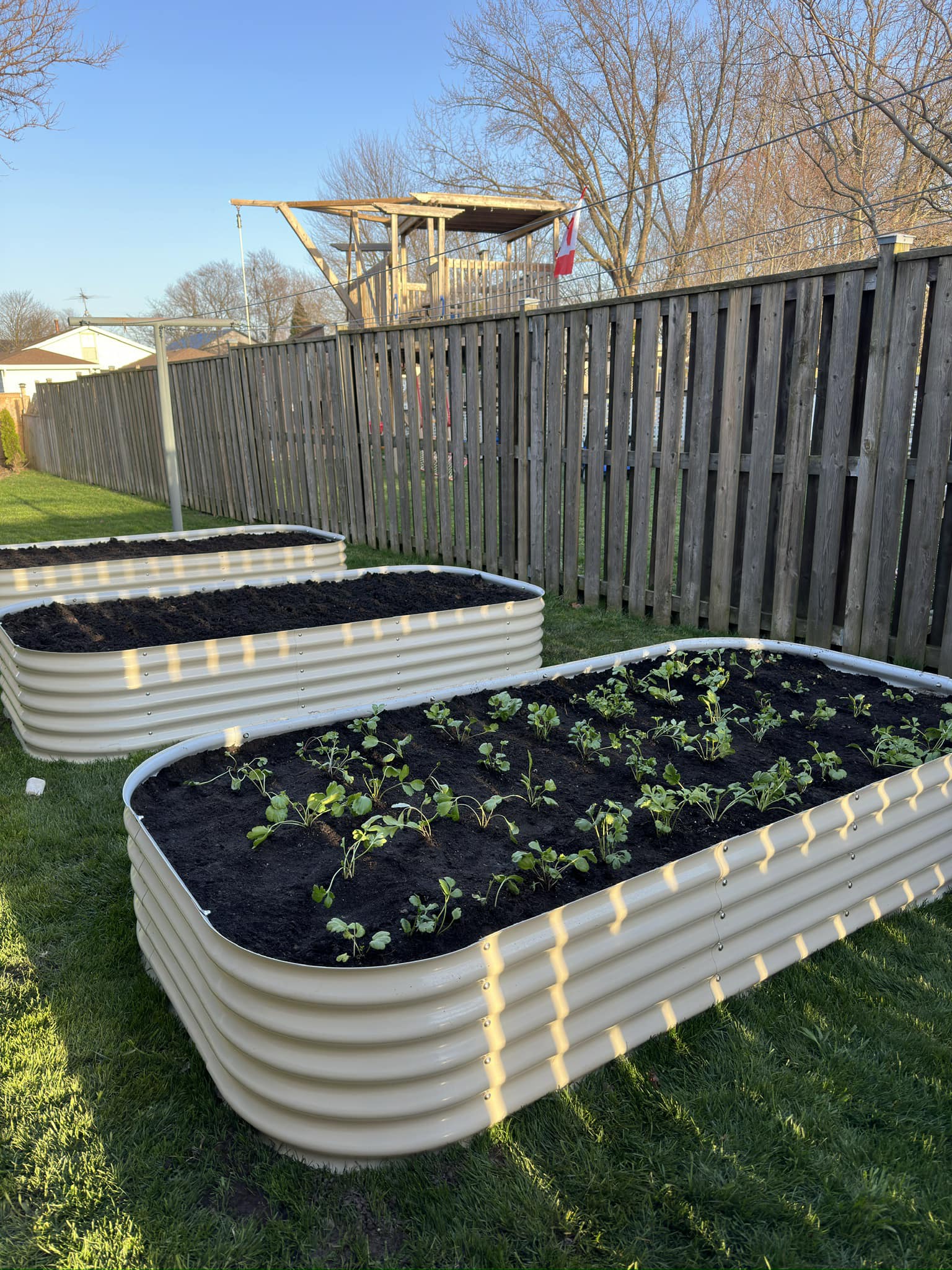
Credit: www.facebook.com
Frequently Asked Questions
How Many Plants Fit In A 4×8 Garden Bed?
A 4×8 garden bed can accommodate about 32 plants. This is based on spacing them 12 inches apart. The exact number depends on the plant species. For example, smaller plants like carrots can be planted closer, allowing more in the space.
What Vegetables Grow Well In A 4×8 Bed?
Vegetables like lettuce, spinach, and radishes thrive in a 4×8 bed. These plants require less space. Tomatoes and peppers can also grow well if spaced adequately. Consider plant height and sunlight needs for optimal growth.
How Should I Arrange Plants In A Garden Bed?
Arrange plants by their height and sun requirements. Taller plants like tomatoes should be in the back. Shorter plants like lettuce should be in the front. This arrangement ensures all plants receive adequate sunlight.
Can I Grow Herbs In A 4×8 Garden Bed?
Yes, herbs like basil, parsley, and cilantro grow well in a 4×8 garden bed. They require less space and can be planted closer together. Herbs also grow quickly, providing fresh flavors for your kitchen.
Conclusion
A 4×8 garden bed offers great flexibility. Choose plants wisely for optimal growth. Consider plant size and spacing. Mix vegetables, herbs, and flowers. Each plant has unique needs. Plan according to sunlight and soil conditions. Keep in mind your local climate.
Regular watering and care are essential. Success comes with practice and patience. Enjoy nurturing your garden bed. Watch it thrive and produce. Gardening is rewarding and relaxing. Perfect for beginners and experts alike. Your garden can be a small oasis.
Happy gardening!