Imagine the aroma of fresh basil or mint wafting through your kitchen as you prepare a meal. The idea of having an indoor herb garden may seem like a dream, but it could be more feasible than you think.
You might be wondering how much space you need, what kind of light is required, or if it’s worth the effort. These questions are common, and the answers might surprise you. An indoor herb garden is not just a possibility; it can become a delightful reality with a few simple steps.
Picture yourself snipping fresh herbs right from your windowsill, adding flavor and zest to your dishes without a trip to the store. This article will show you how easy it is to bring the outdoors in and make your culinary experiences more vibrant and personal. As you read on, you’ll discover practical tips and hidden benefits that can transform your kitchen and living space into a mini oasis of greenery. Whether you’re a seasoned gardener or a complete beginner, this guide will help you navigate the ins and outs of indoor herb gardening with confidence and ease. Dive in, and soon you’ll be enjoying the fresh taste and aroma of home-grown herbs, right at your fingertips.
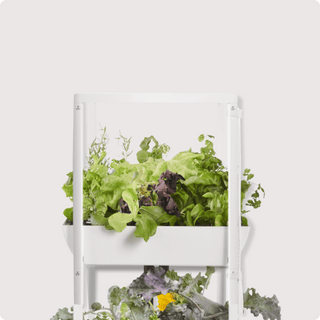
Credit: risegardens.com
Benefits Of Indoor Herb Gardens
Growing herbs indoors offers convenience and accessibility, even for small spaces. Fresh herbs enhance flavor in cooking, providing a sustainable option for home chefs. Indoor gardening is feasible, requiring minimal effort and space, making it ideal for urban living.
Growing herbs indoors offers numerous benefits that extend beyond just the culinary. Imagine having fresh basil or mint just a few steps away from your kitchen counter. These small gardens not only provide convenience but also enhance your living space and well-being. Let’s explore the exciting benefits of cultivating your own indoor herb garden.Fresh Flavors At Your Fingertips
Why rush to the grocery store when you can have fresh herbs right at home? Indoor herb gardens give you immediate access to a variety of flavors. Chop a few sprigs of rosemary for a roasted chicken or sprinkle fresh basil over your pasta. It’s like having a personal chef’s garden!Cost Savings
Have you ever bought a bundle of herbs only to use a small portion before they wilt? Growing your own herbs indoors can save you money. With a small initial investment in seeds or starter plants, you’ll have a continual supply of fresh herbs. This means less waste and fewer trips to the store.Enhances Air Quality
Did you know that indoor plants, including herbs, can improve the air quality in your home? They absorb carbon dioxide and release oxygen. Certain herbs like mint and basil also help filter toxins from the air, creating a healthier environment for you and your family.Boosts Mental Health
Tending to a small garden can be a therapeutic activity. It offers a sense of accomplishment as you watch your plants grow. The greenery can also reduce stress and increase feelings of calmness. Have you tried spending a few minutes each day with your plants? It might just become your favorite ritual.Space-saving And Decorative
Even if you live in a small apartment, you can grow herbs. They require minimal space and can fit on a windowsill or a small shelf. Plus, they add a touch of nature and beauty to your home. Consider using stylish pots or planters to complement your decor. Embrace the joy and benefits of having an indoor herb garden. What herbs will you start growing today?
Credit: creators.yahoo.com
Choosing The Right Herbs
Creating a small indoor herb garden is a delightful venture. Choosing the right herbs is crucial for success and enjoyment. Whether you want easy-to-grow varieties, culinary delights, or medicinal wonders, selecting the right plants will enhance your indoor garden experience.
Easy-to-grow Varieties
Start with herbs that thrive indoors. Basil, mint, and chives are ideal choices. These herbs require minimal care and adapt well to indoor conditions. Their lush growth and aromatic leaves make them a favorite among gardeners.
Herbs For Culinary Use
Enhance your cooking with fresh flavors. Choose herbs like rosemary, thyme, and parsley. These herbs add depth to dishes and are perfect for home chefs. Their vibrant leaves offer endless possibilities for culinary creativity.
Herbs For Medicinal Use
Explore the healing properties of herbs. Chamomile, lavender, and sage are excellent choices. These herbs can be used for soothing teas or natural remedies. Their calming effects and health benefits are cherished by many.
Optimal Indoor Conditions
Creating an indoor herb garden offers fresh flavors and fragrant aromas year-round. Understanding optimal conditions is crucial for healthy herbs. These conditions ensure your garden thrives, providing fresh ingredients for your culinary creations.
Light Requirements
Herbs need light to grow, so find a sunny spot. Windowsills work well, especially south-facing ones. Consider LED grow lights for rooms with limited sunlight. These lights mimic natural sunlight, essential for plant health.
Temperature And Humidity
Herbs prefer mild temperatures, ideally between 65-75°F. Avoid placing them near heating vents or drafts. Humidity is vital; use a humidifier if air is dry. Misting leaves can also help maintain moisture.
Space Considerations
Herbs require space to spread their roots. Select pots with drainage holes to prevent waterlogging. Consider vertical gardens for small spaces. This maximizes your growing area without cluttering the room.
Containers And Soil
Growing a small indoor herb garden is practical with containers and quality soil. Choose pots with drainage holes to prevent waterlogging. Ensure the soil is nutrient-rich and well-draining for healthy herb growth.
Growing a small garden herb indoors can be a delightful endeavor, offering fresh flavors right at your fingertips. But making sure you choose the right containers and soil is crucial to your success. They provide the foundation for your plants to thrive, ensuring they receive the necessary nutrients and support. Whether you’re a seasoned gardener or a beginner, understanding these essentials will set you on the path to a flourishing indoor herb garden.Choosing The Right Pots
Selecting pots for your indoor herb garden isn’t just about aesthetics; it’s about functionality. The material of the pot can impact the moisture levels in the soil. Ceramic and terracotta pots are attractive but may dry out quickly, while plastic retains moisture better. Consider the size, too. Herbs need space to grow, but oversized pots can lead to overwatering. Aim for pots with drainage holes to prevent waterlogging. Have you ever thought about repurposing containers you already have? Old mugs or mason jars can serve as charming and functional homes for your herbs.Soil Mix Essentials
The right soil mix is vital for healthy herb growth. Herbs generally prefer well-draining soil, so a mix containing peat moss, vermiculite, and perlite works well. These components help retain moisture while ensuring excess water drains away. Adding organic matter like compost can enrich the soil, providing essential nutrients. However, balance is key. Too much organic matter can make the soil heavy, hindering root growth. Have you considered making your own soil mix? It allows you to control the texture and nutrient content, tailoring it specifically to the needs of your herbs. Choosing the right containers and soil doesn’t just impact your plants; it affects your overall gardening experience. What creative solutions have you found to ensure your indoor garden thrives?Watering And Maintenance
Growing herbs indoors is easy with proper watering and care. Ensure pots have drainage to prevent overwatering. Regularly check soil moisture and adjust watering to keep herbs healthy.
Growing a small indoor herb garden can be a rewarding endeavor, but it requires a bit of attention to ensure your plants thrive. Watering and maintenance are critical components in keeping your herbs healthy and flourishing. With the right care, your indoor herb garden can become a vibrant addition to your home, providing fresh flavors for your culinary creations.Watering Schedule
Finding the right balance for watering is crucial. Too much water can lead to root rot, while too little can cause the herbs to wilt. A good rule of thumb is to let the soil dry out slightly between waterings. Check the moisture level by sticking your finger about an inch into the soil. If it feels dry, it’s time to water. Remember, different herbs have varying needs; for example, basil may require more frequent watering compared to rosemary.Pruning And Harvesting
Pruning and harvesting are not just about collecting fresh herbs for your meals. Regularly pruning your plants encourages new growth and keeps them from becoming leggy. Snip off the top leaves regularly, focusing on the larger leaves to allow smaller ones to grow. Use sharp scissors or garden shears to avoid damaging the plant. This practice also helps in maintaining a bushy, healthy plant structure.Pest Control
Even indoor gardens can face pest issues. Common culprits include aphids and spider mites. Keeping a keen eye on your plants will help you catch any infestations early. For a natural approach, consider using a mild solution of water and dish soap as a spray. Regularly inspecting the undersides of leaves can prevent pests from taking hold. Ask yourself, are your herbs getting enough air circulation? Sometimes moving your plants around can help deter pests by disrupting their environment. By understanding the nuances of watering and maintenance, you’re setting your indoor herb garden up for success. What unique challenges have you faced with your indoor plants, and how did you overcome them?Common Challenges
Growing herbs indoors can be rewarding yet challenging. Understanding common obstacles helps maintain a thriving indoor garden. Let’s explore some frequent challenges faced by indoor herb gardeners.
Dealing With Limited Space
Indoor spaces are often small. This can limit the number of herbs you can grow. Choose herbs that thrive in compact areas. Basil, mint, and chives are good options. Use vertical gardening methods. Shelves or hanging pots maximize space efficiently.
Managing Growth
Herbs can grow quickly. Keep them manageable by regular pruning. Trim herbs to encourage bushy growth. This prevents them from taking over your space. Monitor your plants’ size. Ensure they don’t block light from each other.
Avoiding Overwatering
Overwatering is a common mistake. Herbs need well-drained soil. Check the soil moisture before watering. Stick your finger an inch into the soil. If it’s dry, water the plant. Ensure pots have drainage holes. This prevents water from sitting at the bottom.
Expert Tips And Tricks
Growing a small indoor herb garden is both practical and enjoyable. Herbs like basil, mint, and parsley thrive indoors with minimal sunlight and care. Enjoy fresh flavors year-round by placing your garden on a sunny windowsill.
If you’ve ever dreamed of having fresh herbs at your fingertips, an indoor herb garden might be the perfect solution. But how feasible is it, really? Growing herbs indoors can be a rewarding and aromatic hobby. Yet, it comes with its own set of challenges. Let’s delve into some expert tips and tricks to make your indoor garden flourish all year round.Maximizing Light Exposure
Light is essential for your herbs. Without adequate sunlight, they can become leggy and weak. Place your herbs in a south-facing window if possible, as this provides the most sunlight throughout the day. If natural light is limited, consider using grow lights to simulate sunlight. Choose LED grow lights as they are energy-efficient and provide the full spectrum of light that plants need.Boosting Growth With Fertilizers
Herbs need nutrients to grow strong and healthy. Using the right fertilizer can significantly boost their growth. Opt for a balanced liquid fertilizer every couple of weeks to ensure your herbs get the necessary nutrients. Be cautious not to over-fertilize, as this can harm your plants more than help them. Always follow the instructions on your fertilizer package for the best results.Creating A Year-round Herb Garden
Having fresh herbs year-round is entirely feasible with a little planning. Select herbs that thrive indoors, like basil, mint, and chives. These are not only hardy but also incredibly useful in the kitchen. Rotate your herb selection seasonally to keep your garden lively and diverse. For instance, plant dill and cilantro in cooler months and switch to basil and oregano when it’s warmer. Have you ever tried growing herbs indoors? What challenges did you face, and how did you overcome them? Share your thoughts and let’s learn together!Creative Design Ideas
Creating a small indoor herb garden is practical and rewarding. Choose herbs like basil, mint, or rosemary. They thrive in sunlight and need minimal space.
Creative Design Ideas Creating a small indoor herb garden is both fun and rewarding. With a little creativity, you can transform small spaces into lush green corners. Indoor herb gardens not only add beauty but also provide fresh herbs for cooking. Let’s explore some creative design ideas for your indoor herb garden.Vertical Herb Gardens
Vertical gardens are perfect for small spaces. Use wall-mounted planters to save floor space. Arrange pots vertically on a wall using shelves or racks. This design keeps herbs within easy reach. It also adds a green touch to your decor. Use different pot sizes for visual interest. Ensure each herb gets enough sunlight. Regularly rotate pots for even growth.Window Sill Arrangements
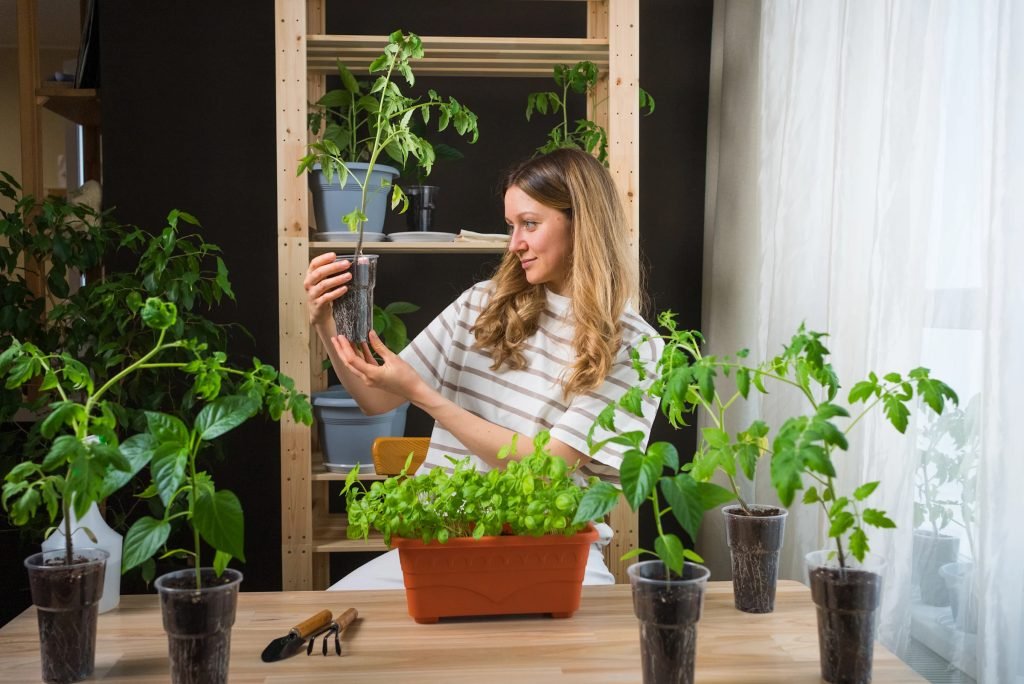
Window sills provide natural sunlight for herbs. Place pots in a line to maximize the space. Choose herbs that thrive in sunlight like basil and parsley. Use small pots to fit more plants on the sill. Opt for decorative pots to enhance the room’s look. Ensure the window can be easily opened for fresh air. Water plants carefully to avoid spills.Herb Garden Kits
Herb garden kits simplify the growing process. Kits come with seeds, soil, and pots. They are ideal for beginners starting their first garden. Choose kits with a variety of herbs for diverse flavors. Follow instructions for planting and care. Kits often include everything needed for a successful start. Place the kit near a light source for optimal growth. Regularly check soil moisture to keep herbs healthy.
Credit: www.wired.com
Frequently Asked Questions
Can You Grow Herbs Indoors Year-round?
Yes, you can grow herbs indoors all year. With the right conditions, like light and temperature, herbs thrive. Use a sunny spot or grow lights for best results. Regular watering and proper drainage are essential. Indoor herbs offer fresh flavors for cooking all year.
Which Herbs Are Best For Indoor Gardening?
Basil, mint, and thyme are great for indoor gardening. They adapt well to indoor conditions and require minimal space. Rosemary and parsley also thrive indoors. Choose herbs that suit your culinary needs and indoor environment. Regular care ensures healthy growth and fresh herbs.
How Much Sunlight Do Indoor Herbs Need?
Indoor herbs typically need 6-8 hours of sunlight daily. Place them near a south-facing window for optimal growth. If natural light is limited, use grow lights. Adjust lighting based on seasons and herb needs. Proper light ensures healthy herbs and flavorful harvests.
Do Indoor Herbs Need Special Care?
Indoor herbs require some special care for optimal growth. Regular watering, proper drainage, and adequate light are essential. Prune herbs to promote bushy growth. Monitor for pests and use organic solutions if needed. With the right care, indoor herbs flourish and add flavor to dishes.
Conclusion
Growing herbs indoors is a smart, simple choice. It offers fresh flavors, right at home. Small spaces work well for herbs. Basil, mint, and parsley thrive indoors. Natural light and proper care are key. Water them regularly, but don’t overdo it.
Indoor gardens add green beauty to your home. Plus, they save money and trips to the store. It’s a relaxing hobby with tasty rewards. Anyone can start an indoor herb garden. With a little love, your herbs will flourish. Try it today and enjoy fresh ingredients anytime.