
Imagine a garden bursting with vibrant colors, flourishing with the freshest vegetables you can savor right from your backyard. Achieving this lush paradise starts with one simple yet crucial step: knowing how far apart to plant your vegetables.
You might think, “Does it really matter? ” Yes, it does! Proper spacing can be the secret ingredient to bountiful yields and healthy plants. When you plant your vegetables with the right spacing, you’re setting the stage for success. Your plants will have room to grow, access to nutrients, and the ability to fend off pesky diseases.
You’ll avoid the frustration of overcrowded plants and the disappointment of a less-than-thriving garden. In this post, we’re diving deep into the art and science of vegetable spacing. You’ll discover practical tips, expert advice, and the golden rules that can transform your garden from ordinary to extraordinary. So, if you’re ready to unlock the secrets of a thriving vegetable garden, keep reading. Your garden’s potential is just a few scrolls away!
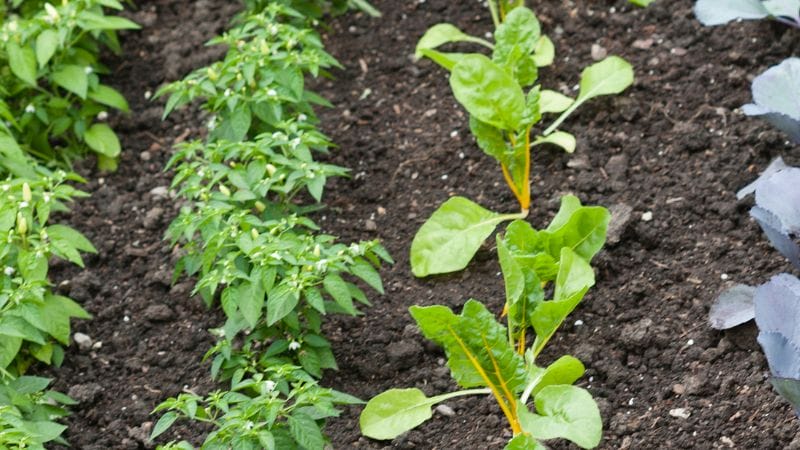
Credit: littlesproutslearning.co
Spacing Basics
Creating a thriving vegetable garden starts with understanding spacing basics. Proper spacing ensures healthy growth, maximizes yield, and prevents disease. Crowded plants compete for nutrients, leading to poor growth. Adequate space lets roots expand and leaves get sunlight.
Importance Of Proper Spacing
Proper spacing is crucial for plant health. It prevents overcrowding, which can lead to fungal diseases. Well-spaced plants allow air to circulate, reducing moisture and disease risk. Light access is improved, helping photosynthesis. It also provides room for root systems to develop fully.
Factors Affecting Spacing
Several factors determine how far apart to plant vegetables. Plant size and growth habits are key considerations. Larger plants like tomatoes need more space than radishes. Soil fertility plays a role, as rich soil supports closer planting. Climate affects spacing, with warmer regions requiring more space for air flow.
Consider the planting method. Raised beds often require different spacing than traditional rows. Companion planting impacts distance, as some plants benefit from growing close together. Each vegetable has unique requirements, so check specific guidelines for best results.

Credit: www.linkedin.com
Common Vegetable Spacing
Proper vegetable spacing ensures healthy growth and reduces competition for nutrients. Optimal distances vary by plant type, like 12 inches for tomatoes and 6 inches for carrots. Adequate spacing improves sunlight exposure and air circulation, preventing diseases.
Understanding how far apart to plant your vegetables can enhance your garden’s success. Proper spacing allows each plant to access sunlight, nutrients, and water. It also minimizes competition and reduces disease risks. Let’s explore the common vegetable spacing for different types.Leafy Greens
Leafy greens like lettuce and spinach need space to grow well. Typically, plant them 6 to 12 inches apart. This distance gives them room for leaf expansion. Keep rows about 12 to 18 inches apart. This setup eases harvesting and maintenance. For baby greens, plant closer together.Root Vegetables
Root vegetables such as carrots and radishes need more depth than width. Space them 2 to 4 inches apart. This ensures roots develop fully without crowding. Rows should be 12 to 18 inches apart. This spacing prevents roots from intertwining. For larger root crops like beets, increase spacing to 3 to 6 inches.Fruit-bearing Plants
Fruit-bearing plants like tomatoes and peppers require more space. Plant them 18 to 24 inches apart. This allows air circulation and sun exposure. For sprawling plants like cucumbers and squash, use more space. Plant them 24 to 36 inches apart. This prevents vines from tangling and promotes healthy growth.Spacing For Raised Beds
Proper spacing in raised beds ensures healthy vegetable growth. Most vegetables need around 12 to 18 inches apart. This allows enough room for roots to spread and plants to access sunlight.
Spacing for raised beds is an essential aspect of gardening that can greatly influence the health and yield of your vegetables. Raised beds offer a unique advantage by allowing you to control the soil quality, drainage, and spacing more effectively than traditional in-ground gardening. By understanding the right spacing for your raised beds, you can maximize productivity and enjoy a bountiful harvest.Benefits Of Raised Beds
Raised beds offer several advantages that traditional gardens do not. They allow for better drainage, which is crucial for preventing root rot and ensuring your plants get the nutrients they need. With raised beds, you can also improve soil quality by adding organic matter or compost, creating an ideal growing environment. Moreover, the height of raised beds reduces the strain on your back, making gardening more accessible and enjoyable. The controlled environment helps manage weeds and pests more effectively, saving you time and effort. Have you ever noticed how much easier it is to maintain a raised bed than a sprawling garden plot?Optimizing Space In Raised Beds
When it comes to optimizing space, the key is knowing how to plant strategically. In a raised bed, every inch counts, so consider using vertical gardening techniques to grow vining plants like tomatoes or cucumbers. This not only saves space but also enhances air circulation around your plants. Utilize companion planting to make the most of your space. Pairing plants like carrots and onions or basil and tomatoes can improve growth and deter pests. Think about the future growth of your plants; leave enough space for them to expand without competing for nutrients. You can also use a grid system to plan your raised bed, ensuring uniform spacing and efficient use of space. An effective layout prevents overcrowding, allowing each plant to flourish to its full potential. What’s your favorite technique for making the most of your raised bed?Companion Planting
Companion planting is an age-old gardening technique. It involves planting different vegetables close to each other. The goal? To benefit one or both plants. This practice can enhance growth, deter pests, and boost flavor. Understanding which plants work together is key. Not all plants make good neighbors. Choose the right companions for a thriving garden.
Benefits Of Companion Planting
Companion planting offers many advantages. It can naturally repel harmful insects. Certain plants release chemicals that confuse pests. This reduces the need for pesticides. Some plants improve soil health. They add nutrients or help retain moisture. Good companions can also maximize space. They allow for more efficient planting. This leads to a higher yield. Plus, some combinations can enhance flavor. Plants can share nutrients or improve each other’s taste.
Examples Of Good Plant Companions
- Tomatoes and Basil:Basil helps repel mosquitoes and flies. It also enhances the flavor of tomatoes.
- Carrots and Onions:Onions deter carrot flies. Together, they grow well without competing for nutrients.
- Beans and Corn:Beans fix nitrogen in the soil. Corn provides support for climbing bean vines.
- Cucumbers and Radishes:Radishes deter cucumber beetles. They grow quickly and don’t compete for space.
- Spinach and Lettuce:Both enjoy similar soil conditions. They grow well in cooler temperatures.
These combinations show how effective companion planting can be. Choose wisely for a thriving garden.
Seasonal Considerations
Gardening success depends on understanding seasonal considerations for plant spacing. Different seasons affect how vegetables grow and require adjustments in planting strategies. Proper spacing ensures healthy plants and bountiful harvests.
Spring Planting Guidelines
Spring is a time of renewal and growth. As temperatures rise, plants burst into life. Proper spacing is crucial for optimal growth. Cool-season vegetables like lettuce and spinach thrive with close spacing. They need less room as they grow quickly. Plant these about 6-8 inches apart. Root vegetables such as carrots and radishes also do well with minimal spacing. Keep them 2-4 inches apart.
For larger vegetables like broccoli and cabbage, provide more space. These need room to spread their leaves. Space them 18-24 inches apart. This spacing allows sunlight and air circulation. It reduces the risk of disease and encourages healthy growth.
Summer And Fall Planting Adjustments
Summer heat requires different planting strategies. Some plants need wider spacing to cope with high temperatures. Tomatoes and peppers, for example, need more room. Space these 24-36 inches apart. This spacing helps in better airflow and reduces heat stress.
Fall planting often involves cool-weather crops. These can be planted closer together. Crops like kale and Brussels sprouts benefit from 12-18 inch spacing. They thrive in cooler temperatures and need less room than summer plants.
Adjusting plant spacing for each season maximizes garden productivity. Understanding these seasonal needs leads to a more successful garden.
Troubleshooting Common Issues
Plant spacing is crucial for a thriving garden. Mistakes can lead to problems. Understanding common issues helps gardeners improve their yields. Let’s explore some challenges and their solutions.
Signs Of Overcrowding
Overcrowding affects plant health and growth. Look for these signs:
- Yellowing leaves
- Stunted growth
- Poor fruit production
- Increased pest problems
Plants compete for resources when too close. This limits their growth potential. Give them room to thrive.
Solutions For Underperforming Plants
Underperforming plants can disappoint any gardener. Try these solutions:
- Ensure enough sunlight reaches all plants.
- Check soil nutrients regularly. Adjust as needed.
- Prune overcrowded areas for better air circulation.
- Monitor watering. Avoid both drought and overwatering.
These steps can enhance plant health and productivity. A little attention goes a long way.

Credit: seedingsquare.ca
Frequently Asked Questions
How Much Space Between Tomato Plants?
Tomato plants require about 24 to 36 inches between each plant. This spacing allows adequate air circulation and sunlight exposure, reducing disease risk. Proper spacing also aids in nutrient absorption, ensuring healthier and more productive plants. Consider staking or caging to further support growth and space management.
Why Is Spacing Important For Vegetables?
Spacing is crucial for optimal growth and productivity. It prevents overcrowding, allowing each plant access to nutrients, light, and air. Proper spacing reduces disease risk and enhances root development. Well-spaced plants yield better and are easier to maintain, offering a more fruitful and manageable garden.
How Far Apart To Plant Carrots?
Carrots should be spaced about 2 to 3 inches apart. This spacing promotes proper root development and prevents competition for nutrients. Adequate spacing ensures straight, well-formed carrots and reduces the risk of disease. Thin seedlings if necessary to maintain the recommended distance for optimal growth.
Can Plants Be Too Close Together?
Plants too close together compete for nutrients, light, and water. This overcrowding leads to poor growth, increased disease risk, and reduced yields. Proper spacing ensures each plant thrives independently, with ample resources for healthy development. Adjust spacing to suit specific vegetable needs for optimal results.
Conclusion
Planting vegetables with proper spacing boosts growth and health. It prevents overcrowding and allows roots to spread well. This ensures they get enough nutrients and sunlight. Consider each plant’s needs for best results. Use guides or experts for advice. Experiment with spacing in your garden.
Adapt to climate and soil conditions. Watch your garden flourish with the right care. Enjoy fresh, homegrown produce all season. Happy gardening!







