Are you planning to plant corn in your garden this season? You’re in the right place!
Knowing the perfect distance to plant corn can make all the difference in your harvest. Get it right, and you’ll enjoy healthy plants and a bountiful yield. Get it wrong, and your corn might struggle to grow. This guide will help you understand exactly how far apart you should plant your corn.
You’ll discover simple tips that could transform your garden into a thriving cornfield. Don’t miss out on making the most of your gardening efforts. Read on to learn how you can optimize your corn planting strategy today!
Ideal Spacing For Corn
Plant corn with adequate spacing to ensure healthy growth. Space seeds 8 to 12 inches apart in rows. This allows proper air circulation and access to sunlight.
Ideal spacing is crucial for a bountiful corn harvest. Proper spacing allows each plant to access sunlight, nutrients, and water. It also reduces the risk of disease and pest issues. Let’s explore the best practices for spacing corn in your garden.Row Spacing
Rows should be spaced 30 to 36 inches apart. This provides enough room for machinery or tools. It also ensures good air circulation.Plant Spacing
Plant corn seeds 8 to 12 inches apart within each row. This spacing encourages strong root development. It also supports sturdy stalk growth.Block Planting
Consider planting in blocks rather than single rows. Blocks of four or more rows improve pollination. They ensure a fuller and more abundant corn ear.Adjustments For Varieties
Some corn varieties need different spacing. Check seed packets for specific recommendations. Adjust spacing accordingly for optimal growth.Companion Planting
Combine corn with beans or squash. This traditional method is known as the “Three Sisters.” Each plant benefits from the others, enhancing growth.Soil And Climate Considerations
Soil fertility and climate affect spacing needs. Rich soil supports closer planting. In drier climates, increase spacing for better moisture access.Factors Influencing Spacing
Spacing impacts corn growth. Ideal distance between plants is 8-10 inches. Rows should be 30-36 inches apart.
Factors Influencing Spacing When planting corn in a garden, spacing is crucial for growth. The distance between plants affects yield and health. Several factors influence how far apart you should plant corn.Corn Variety
Different corn varieties need different spacing. Sweet corn often requires less space. It usually grows smaller than field corn. Field corn can grow taller and wider. Check the seed packet for specific spacing instructions. Each variety has unique growth characteristics. Some may need extra room to thrive.Climate Conditions
Climate impacts corn spacing. In warmer regions, corn grows faster. It may need more space to avoid overcrowding. Cooler climates might require less space. Corn grows slower and stays smaller. Consider your area’s average temperature. Adjust spacing accordingly for optimal growth.Soil Type
Soil type plays a role in corn spacing. Sandy soil drains well and may allow closer planting. Clay soil holds water and might need wider spacing. Soil fertility is also important. Rich, fertile soil supports closer planting. Poor soil conditions require more space. Test your garden soil before planting. Adjust spacing based on the results for healthy corn plants.Benefits Of Proper Spacing
Proper spacing in your corn garden is crucial for healthy growth. It ensures each plant receives the nutrients and sunlight it needs. Discover how the right spacing can benefit your corn plants.
Enhanced Growth
Spacing corn plants correctly promotes better air circulation. Each plant gets ample sunlight and nutrients. This leads to stronger stalks and healthier leaves. Plants won’t compete for resources, resulting in robust growth.
Disease Prevention
Proper spacing reduces the risk of disease. It prevents overcrowding, which can trap moisture. This moisture can lead to fungal infections. Well-spaced plants have enough air flow to keep leaves dry and healthy.
Optimal Yield
Correct spacing maximizes your garden’s yield. Each plant has room to develop fully. This increases the number of ears each stalk can produce. Your harvest will be plentiful with properly spaced corn plants.
Common Mistakes To Avoid
Planting corn in your garden can be a rewarding experience, but it’s easy to make mistakes that can hinder your success. Understanding the common pitfalls can help you grow healthy, productive corn plants. Let’s dive into some common mistakes to avoid when spacing corn plants in your garden.
Overcrowding Plants
One of the most frequent mistakes gardeners make is planting corn too close together. Corn needs space to grow robustly, and overcrowding can lead to stunted growth and poor yields. A minimum of 8 to 12 inches between plants is recommended. This allows each plant enough room to access sunlight and nutrients.
Have you ever tried squeezing too many plants in a small area? It might seem like a clever way to maximize your harvest, but it often backfires. Instead, ensure you follow recommended spacing guidelines to give your corn the best chance to thrive.
Ignoring Soil Quality
The quality of your soil plays a crucial role in the health of your corn plants. Poor soil can lead to weak plants that struggle to grow. Test your soil before planting to understand its nutrient levels.
Does your soil drain well and have the right mix of nutrients? Adding compost or organic matter can greatly improve soil quality and provide your corn plants with the essential nutrients they need.
Neglecting Pollination Needs
Corn relies heavily on wind pollination, and failing to plant in blocks rather than single rows can be a mistake. Planting in blocks of at least four rows ensures better pollination, leading to fuller ears of corn.
Consider the layout of your garden. Are your corn plants positioned to benefit from the wind? If not, rearranging them can make a significant difference in your harvest.
Remember, each mistake offers a chance to learn and improve. By avoiding these common errors, you set the stage for a successful corn harvest in your garden.
Spacing Techniques
Planting corn in your garden requires thoughtful spacing techniques. Proper spacing ensures healthy growth and bountiful harvests. Different methods suit varied garden sizes and needs. Let’s explore some effective techniques.
Square Foot Gardening
Square foot gardening is ideal for small spaces. Use a grid to plan your garden. Plant one corn stalk per square foot. This method maximizes limited space. It allows for easy management and care. Ensure each square gets enough sunlight. Adequate watering is key.
Row Planting
Row planting suits larger gardens. Space each row about 30 to 36 inches apart. This gives corn stalks room to grow. Leave 8 to 12 inches between each plant in a row. Ensure good air circulation. This method aids in pest control and disease prevention.
Block Planting
Block planting creates a mini cornfield. Space plants 12 inches apart in each direction. This method improves pollination. Corn relies on wind for pollination. Grouping plants helps maximize yield. Blocks should be at least four rows deep.

Credit: www.reddit.com
Tools And Equipment
Proper spacing is essential when planting corn in a garden. Ideally, space corn plants 8-12 inches apart in rows. This allows for healthy growth and easier access for maintenance.
Planting corn in your garden can be a rewarding endeavor, but the right tools and equipment are essential for success. Having the correct tools not only makes the job easier but also ensures that your corn plants have the best chance to thrive. Let’s explore the essential tools you need to plant corn effectively.Measuring Tools
Accurate spacing is crucial when planting corn. Using a measuring tape or a garden ruler can help you maintain the recommended spacing of 8 to 12 inches between plants. This spacing allows each corn plant enough room to grow and access nutrients without competition from its neighbors. A garden string or a row marker can also be beneficial. By laying out your rows with string, you can ensure straight and evenly spaced planting lines. This technique not only maximizes space but also makes your garden look neat and organized.Planting Tools
When it comes to planting tools, a garden trowel or hand shovel is indispensable. These tools help you dig precise holes for your corn seeds, ensuring they are planted at the correct depth of about 1 to 2 inches. Planting too shallow or too deep can affect germination rates. For larger gardens, a seed planter can save time and effort. These devices plant seeds at the correct depth and spacing with minimal manual labor. If you’re planning to plant a large number of corn rows, investing in a seed planter might be worthwhile. What tools do you find most indispensable in your gardening toolkit? Investing in quality tools can make all the difference in the success of your corn planting.Seasonal Considerations
Consider the changing seasons when planting corn in your garden. Aim for 12 to 18 inches apart to ensure proper growth. This spacing helps with sun exposure and air circulation.
Seasonal considerations play a vital role in corn planting. Different seasons offer varied conditions affecting growth. Understanding these factors ensures optimal yields and healthy plants. Spring and fall have distinct characteristics influencing planting strategies. Each season demands specific attention to timing and techniques.Spring Planting
Spring offers fresh, vibrant conditions for planting corn. Soil warms up, promoting seed germination. Ideal temperature ranges between 50-55°F. Ensure soil is well-drained and aerated. Use a soil thermometer to check warmth. Planting too early risks frost damage. Wait until frost danger passes. Consider the spacing between plants. Typically, corn plants should be 8-12 inches apart. Rows should be 30-36 inches apart for optimal growth. Proper spacing allows sunlight and air circulation.Fall Planting
Fall planting requires careful planning. Cooler temperatures slow growth. Ensure soil remains above 50°F. Consider protective measures against early frost. Use mulch for insulation. Space plants similarly to spring planting. Maintain 8-12 inches between plants and 30-36 inches between rows. Monitor sunlight exposure as days shorten. Fall offers less daylight, impacting growth rates. Ensure plants receive adequate light. Harvest before the first frost for best results. Focus on soil moisture levels. Dry soil hinders development. Keep soil consistently moist for healthy plants.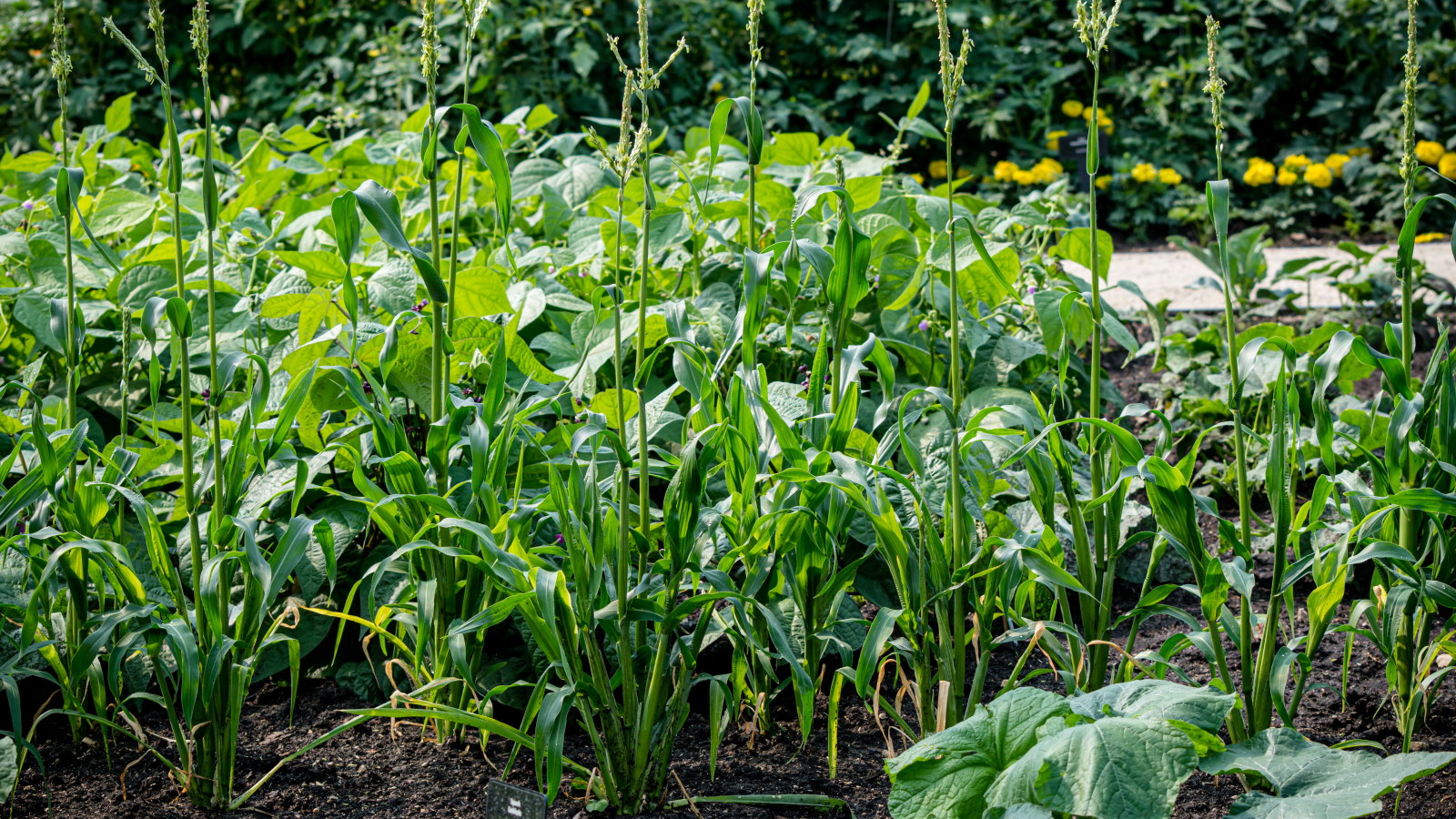
Credit: www.homesandgardens.com
Expert Tips For Success
Growing corn in a garden requires careful planning. Success depends on several factors. Proper spacing is crucial for healthy growth. Below are expert tips to ensure your corn thrives.
Soil Preparation
Start by choosing a sunny spot. Corn loves sunlight. Ensure the soil is rich and well-drained. Use compost to enhance soil fertility. Test the soil pH; it should be between 6.0 and 6.8. Till the soil to loosen it. This helps roots spread easily. Remove any weeds or debris. They compete with corn for nutrients.
Watering Practices
Water corn deeply at least once a week. This encourages deep root growth. Use drip irrigation to save water. Water in the morning to reduce evaporation. Avoid wetting the leaves to prevent diseases. Monitor weather conditions. Adjust watering during dry spells.
Pest Management
Watch for common corn pests. Corn borers and earworms can harm plants. Use natural predators like ladybugs. They help control pest populations. Consider organic insecticides if infestations occur. Rotate crops each season. This reduces pest buildup in the soil.

Credit: littlesproutslearning.co
Frequently Asked Questions
How Far Apart Should Corn Be Planted?
Corn plants should be spaced 8 to 12 inches apart in rows. This distance ensures adequate sunlight and nutrient access. Proper spacing aids in air circulation, reducing disease risk. Keeping rows 30 to 36 inches apart allows for optimal growth and easy harvesting.
Adjust spacing based on corn variety and garden size.
Can Corn Be Planted Too Close Together?
Yes, planting corn too close can hinder growth. Crowded plants compete for sunlight and nutrients, leading to stunted growth. They may also be more susceptible to diseases due to poor air circulation. Following recommended spacing guidelines ensures healthy development and maximizes yield.
What Is The Best Planting Depth For Corn?
Corn seeds should be planted 1 to 2 inches deep. This depth protects seeds from pests and weather while facilitating germination. Ensure soil is well-drained and warm for optimal growth. Correct planting depth promotes strong root development, essential for a healthy crop.
When Is The Ideal Time To Plant Corn?
The ideal time to plant corn is late spring, after the last frost. Soil temperatures should be around 60°F for successful germination. Planting in warm soil ensures quick growth and reduces risk of frost damage. Check local climate conditions for precise timing and adjust accordingly.
Conclusion
Plant corn with care for a thriving garden. Space rows about 30 inches apart. Keep individual plants 8-12 inches away. This spacing helps air flow and sunlight reach all plants. Proper spacing reduces disease and pest risk. It also supports strong growth.
Corn needs room to grow tall and healthy. Plan your garden layout wisely. Consider your garden size and corn variety. Enjoy watching your corn plants flourish. With patience and attention, your harvest will be rewarding. Happy gardening!







