Are you ready to transform your garden into a thriving source of delicious garlic? Imagine walking outside and picking fresh garlic cloves right from your backyard.
Planting garlic is easier than you might think, and it rewards you with flavorful bulbs that elevate every dish you prepare. You don’t need to be an expert gardener to succeed; just a few simple steps can set you on the path to a bountiful harvest.
Discover how you can plant garlic in your garden and enjoy the satisfaction of growing your own ingredients. Keep reading to uncover the secrets to successful garlic planting that will have your garden bursting with flavor.
Credit: thecoeurdalenecoop.com
Choosing The Right Garlic Variety
Choosing the right garlic variety affects your garden’s success. Consider climate and soil conditions. Softneck types suit warmer areas, while hardneck varieties thrive in cold climates.
Choosing the right garlic variety is crucial for a successful harvest. Garlic comes in two main types: hardneck and softneck. Each type has unique characteristics and benefits. Selecting the appropriate variety can enhance your garden’s yield.Understanding Hardneck Garlic
Hardneck garlic is known for its strong flavor. It grows best in cooler climates. This type produces a flower stalk called a scape. Scapes are edible and add flavor to dishes.Softneck Garlic Characteristics
Softneck garlic is adaptable and grows in various climates. It has a milder taste compared to hardneck garlic. This type is commonly found in grocery stores. It stores well and can last for months.Elephant Garlic: A Unique Option
Elephant garlic is larger than other varieties. It belongs to the leek family. Its flavor is milder and sweeter. This variety thrives in well-drained soil.Choosing Based On Climate
Consider your local climate when choosing garlic. Cold regions suit hardneck varieties. Warmer areas are ideal for softneck types. Match the garlic type to your environment for better growth.Flavor Preferences And Uses
Think about your culinary needs. Hardneck garlic offers robust flavor for bold dishes. Softneck garlic suits subtle flavors and long storage. Choose based on your cooking style and preferences.
Credit: migardener.com
Preparing The Soil
Begin by clearing weeds and debris from your garden bed. Loosen the soil with a fork or tiller. Add compost to enrich the soil, ensuring good drainage for garlic cloves.
Planting garlic in your garden starts with one crucial step: preparing the soil. This foundation is the secret to a bountiful harvest, ensuring your garlic has the best possible start. How do you transform your garden soil into a garlic-friendly haven? Let’s dig into the details.Soil Composition
Garlic thrives in well-drained soil that balances nutrients and texture. Sandy loam soil is ideal, offering the perfect mix of clay, silt, and sand. This composition allows water to drain efficiently while retaining essential nutrients. Imagine your garlic bulbs growing in soil that’s like a sponge, absorbing water without staying soggy.Ph Level Considerations
The pH level is crucial for garlic’s growth, ideally between 6.0 and 7.0. This slightly acidic to neutral range supports nutrient availability. Test your soil’s pH using a simple kit from a garden store. If needed, adjust the pH with lime to increase it or sulfur to lower it. A balanced pH ensures your garlic isn’t struggling to access the nutrients it needs.Organic Matter Addition
Adding organic matter enriches the soil, providing nutrients and improving structure. Compost or well-rotted manure works wonders. Spread a layer over your planting area and mix it in. This addition boosts soil fertility and enhances moisture retention. Picture your garlic surrounded by a rich, nutrient-packed environment, ready to flourish. Do you have any tips for preparing soil that have worked wonders in your garden?Timing For Planting
Timing is everything when it comes to planting garlic. Get it right, and you’ll enjoy a bountiful harvest. Miss the mark, and your efforts might not bear fruit—or rather, bulbs. So, when is the perfect time to plant garlic in your garden? Let’s dig into the details.
Best Planting Seasons
Garlic thrives when planted at the right time. Generally, the best seasons to plant garlic are fall and early spring. Fall planting gives garlic a head start before winter sets in. The bulbs have ample time to establish roots, preparing them to sprout vigorously come spring. Early spring planting can work too, especially in colder climates, as it allows garlic to grow once the ground thaws.
Personally, I’ve found that planting garlic in late October provides the perfect balance between root establishment and avoiding frost damage. It’s like giving your garlic a warm blanket before the winter chill sets in. But what works for my garden might differ for yours.
Climate Influence
Your local climate significantly influences the timing of garlic planting. In colder regions, fall planting is preferable, as garlic can withstand winter temperatures if properly mulched. However, if you live in a warmer climate, such as the southern U.S., planting in late fall or even early winter might be ideal.
Reflect on your area’s frost dates. Garlic needs to be in the ground about 4-6 weeks before the first major frost. This allows the garlic to establish roots without sprouting prematurely. Have you checked your local frost calendar lately?
Understanding your climate’s influence on planting times can make or break your garlic-growing adventure. It’s like having insider knowledge on your garden’s rhythm. Why not take a moment and consider how your local weather impacts your planting schedule?
Planting Techniques
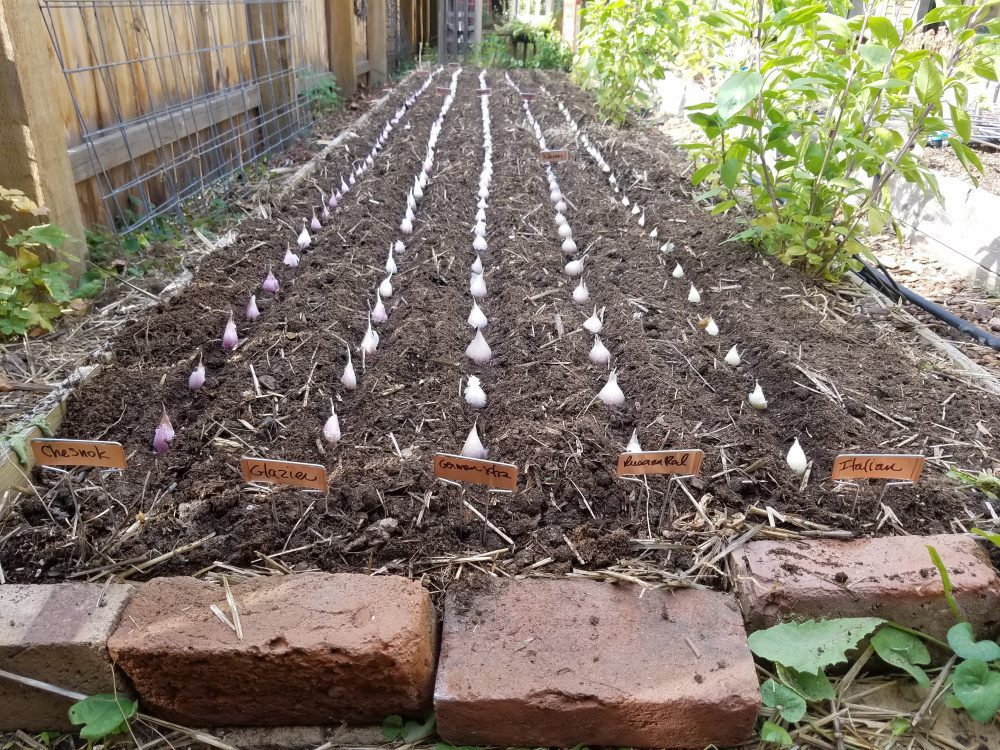
Plant garlic by choosing healthy bulbs and breaking them into individual cloves. Plant each clove pointed end up about two inches deep in well-drained soil. Space them around six inches apart to give them room to grow.
Planting garlic in your garden can be a rewarding venture, especially when you understand the right techniques. Garlic requires specific care to thrive, and mastering these techniques can make a difference in your harvest. Whether you’re a seasoned gardener or a beginner, knowing the ins and outs of planting garlic will set you up for success.Spacing Requirements
Proper spacing is crucial for garlic to grow healthy and strong. Each clove should be planted approximately 6 inches apart in rows. This allows enough room for the bulbs to expand and prevents overcrowding. Crowded plants compete for nutrients, resulting in smaller, less flavorful bulbs. As you plant, visualize how much space each clove will need to grow. Imagine squeezing in a few extra plants; it might seem harmless but can compromise the quality of your harvest.Depth Of Planting
The depth at which you plant garlic cloves is equally important. Aim to bury each clove about 2 inches deep into the soil. This depth provides the right balance, protecting cloves from the cold while allowing shoots to emerge easily. If planted too shallow, cloves risk exposure to freezing temperatures, while too deep could hinder their growth. Consider the soil texture as well; sandy soils might require slightly deeper planting than clay soils. Have you ever wondered if you could tweak these techniques for better results? Try experimenting with the spacing or depth to see how your garlic responds. Your garden might surprise you with its resilience and adaptability.Watering And Fertilization
Ensure garlic receives regular watering to keep the soil moist but not waterlogged. Fertilize with balanced nutrients to promote healthy growth and bulb development.
Planting garlic in your garden is a rewarding endeavor, but to truly thrive, garlic requires careful attention to its watering and fertilization needs. Understanding how to properly water and feed your garlic plants can make the difference between a mediocre crop and a bountiful harvest. Whether you’re a seasoned gardener or a beginner, getting these aspects right will ensure your garlic grows robust and flavorful.Irrigation Practices
Watering garlic is all about finding the right balance. Garlic needs consistent moisture, especially during its active growth phase, but it’s crucial to avoid waterlogging. Overwatering can lead to root rot and diminish your harvest. Consider using a drip irrigation system. It delivers water directly to the roots, minimizing waste and reducing the risk of fungal diseases. If you water manually, aim to keep the soil consistently damp but not soggy. During the final weeks before harvest, reduce watering. This helps the garlic bulbs mature and enhances their storage quality. Have you noticed how a little restraint in watering can improve the flavor and texture of your garlic?Nutrient Needs
Garlic is a heavy feeder, and proper fertilization is key to its growth. Start by enriching your soil with organic matter like compost or well-rotted manure before planting. This provides a nutrient-rich foundation for your garlic. Consider using a balanced fertilizer during the growing season. A 10-10-10 NPK (nitrogen-phosphorus-potassium) fertilizer works well, applied in early spring as shoots begin to emerge. Remember to test your soil. Knowing its nutrient profile can help you make informed decisions about additional fertilization. Regularly check your garlic for signs of nutrient deficiency, such as yellowing leaves, and adjust your fertilization routine accordingly. How do you ensure your garlic gets the nutrients it needs without overdoing it?Pest And Disease Management
Planting garlic involves selecting healthy cloves and ensuring well-drained soil. Space cloves 4 inches apart, and cover with mulch to protect them. Regular watering and monitoring for pests help in maintaining healthy growth.
Planting garlic in your garden is a rewarding experience, but just like any other crop, garlic can face challenges from pests and diseases. Understanding how to manage these issues is crucial for a successful harvest. By taking proactive steps and staying vigilant, you can ensure your garlic thrives and remains healthy. Let’s dive into effective pest and disease management strategies for your garlic garden.Common Pests
Garlic is usually resistant to many pests, but there are a few that might still pose a threat. Aphids are tiny insects that suck the sap from plants, weakening them over time. You might spot them on the underside of leaves. Consider introducing ladybugs to your garden as a natural predator to keep aphid populations in check. Another common pest is the onion maggot. These pesky larvae can tunnel through garlic bulbs, causing significant damage. You can use row covers as a physical barrier to protect your garlic from onion maggots. Regularly check your plants and remove any that show signs of infestation.Disease Prevention
Diseases such as white rot can devastate garlic crops. This fungal disease thrives in cool, moist conditions. To prevent white rot, rotate your crops and avoid planting garlic in the same soil year after year. If you’ve had issues with white rot, consider solarizing the soil by covering it with clear plastic during the hottest months to kill the fungus. Another disease to watch out for is garlic rust, which appears as orange spots on leaves. Ensure good air circulation around your garlic plants to minimize humidity and reduce the risk of rust. You can also remove any infected leaves immediately to prevent the spread. Are you taking steps to protect your garlic from pests and diseases this season? Implementing these strategies can lead to a bountiful and healthy garlic harvest, enhancing your garden’s productivity.Harvesting Garlic
Plant garlic in the garden by selecting a sunny spot with well-drained soil. Break the bulbs into cloves and plant them with the pointed end up. Space them about six inches apart and cover with soil. Water gently, ensuring they remain moist but not waterlogged.
Harvesting garlic is a rewarding moment for every gardener, marking the culmination of months of nurturing and anticipation. After patiently tending to your garlic plants, knowing exactly when and how to harvest them can make all the difference in flavor and storage longevity. Imagine the satisfaction of pulling fresh garlic from the earth, ready to enhance your culinary creations. But how do you ensure your garlic is at its peak? Let’s explore.Signs Of Maturity
Garlic is ready to harvest when the lower leaves start turning brown while the upper leaves remain green. This balance indicates the bulbs have matured. Timing is crucial. Harvest too early, and the cloves might be underdeveloped; wait too long, and the bulbs may split. Have you noticed the distinct, papery skin forming? This is another indicator that your garlic is mature and ready for harvest.Proper Harvesting Techniques
Use a garden fork to gently lift garlic bulbs from the soil. Tugging by the stalk can damage the garlic and reduce its shelf life. Once harvested, brush off excess soil without washing the bulbs. Moisture can lead to mold or rot during storage. Are your bulbs free of dirt and debris? Lay them out in a single layer in a cool, dry place to cure for two to three weeks. Proper curing enhances flavor and longevity. Harvesting garlic is both art and science. By observing maturity signs and using gentle techniques, you ensure your garlic is flavorful and long-lasting. So, next time you pull a bulb from the ground, consider the journey it took to get there.Storing And Preserving Garlic
Storing and preserving garlic ensures a fresh supply year-round. Proper techniques maintain its flavor and health benefits. Understanding storage is crucial for every gardener. Let’s explore effective drying methods and storage conditions.
Drying Methods
Drying garlic is essential for long-term storage. Start by gently cleaning the bulbs. Remove excess dirt without washing them. Hang the garlic in a cool, dry, and airy place. This helps prevent mold and rot. Use string or a mesh bag for hanging. Ensure good air circulation around each bulb. Let them dry for two to three weeks. The outer skin should feel papery when ready.
Another method is using a dehydrator. Slice the garlic cloves thinly. Spread them in a single layer on the trays. Set the dehydrator to a low temperature, around 115°F. Dry until they become crisp, which takes a few hours. Store dried garlic in airtight containers for best results.
Storage Conditions
Storing garlic properly maintains its freshness. Keep bulbs in a cool, dark place. Ideal temperatures range between 60°F and 65°F. Avoid direct sunlight and humid areas. Moisture can cause sprouting and decay. Use breathable containers like mesh bags or paper bags. This allows air circulation and prevents moisture buildup.
Refrigeration is not recommended for whole bulbs. It can encourage sprouting. If you must refrigerate, store peeled cloves in oil. Ensure they are fully submerged to prevent spoilage. Always check for mold or sprouting before using stored garlic. Proper storage ensures a steady supply of flavorful garlic.

Credit: localgardener.net
Frequently Asked Questions
What Is The Best Time To Plant Garlic?
Garlic is best planted in the fall, about 4-6 weeks before the first frost. This timing allows the garlic to establish roots before winter. In spring, the garlic will grow vigorously, leading to a healthy harvest.
How Deep Should Garlic Cloves Be Planted?
Plant garlic cloves about 2 inches deep in the soil. This depth protects them from harsh winter conditions and ensures proper root development. Make sure the pointed end faces upward for optimal growth.
Can Garlic Grow In Containers?
Yes, garlic can grow successfully in containers. Use a pot at least 12 inches deep with well-draining soil. Ensure adequate sunlight and water regularly to keep the soil slightly moist. Container gardening is ideal for small spaces.
How Much Sunlight Does Garlic Need?
Garlic requires full sunlight for optimal growth, ideally around 6-8 hours per day. Sunlight helps garlic develop strong bulbs and enhances flavor. Choose a sunny spot in your garden for planting garlic.
Conclusion
Garlic planting can be simple and fun. Choose healthy cloves and prepare soil well. Space them properly for better growth. Water regularly but avoid excess. Mulch keeps the soil warm and moist. Watch for pests and diseases. Harvest when leaves turn brown.
Store bulbs in a cool place. Garlic adds flavor to many dishes. With care, your garden will produce tasty garlic. Enjoy the process and the rewards. Happy gardening!







