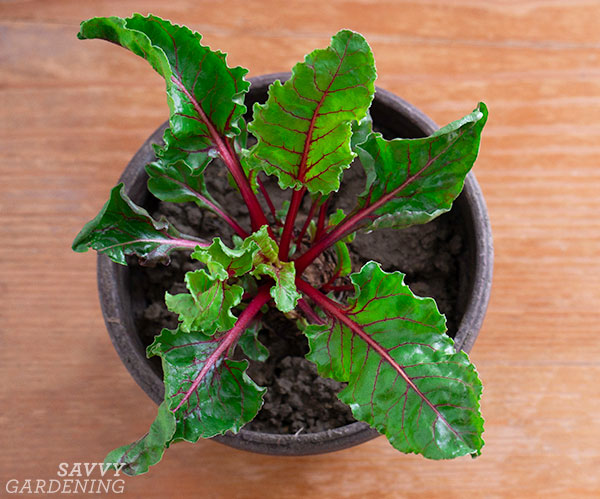
Are you eager to add a splash of vibrant color and earthy flavor to your garden? Planting beets might be just what you’re looking for.
Not only are beets a delicious and nutritious addition to your meals, but they also bring a burst of color to your garden with their striking red and purple hues. Whether you’re a seasoned gardener or just starting out, growing beets can be a rewarding and straightforward process.
Imagine the satisfaction of pulling up your own homegrown beets, ready to be transformed into a delectable dish. You’ll discover the simple steps to successfully plant beets in your garden, ensuring a bountiful harvest that will leave you and your taste buds delighted. Dive in and learn how you can cultivate these versatile vegetables right in your backyard, turning your garden into a thriving source of fresh produce.
Credit: dengarden.com
Choosing The Right Beet Varieties
Choosing the right beet varieties is crucial for a successful garden. Select from options like Detroit Dark Red or Golden Beets. Each offers unique flavors and growth characteristics to suit your soil and climate.
Choosing the right beet varieties can greatly affect your garden’s success. Beets come in various shapes, colors, and sizes. Each variety brings unique flavors and growth characteristics. Knowing which variety suits your garden can enhance your harvest.1. Understanding Beet Types
Beets are not just red. They can be yellow, white, or striped. Red beets are popular due to their earthy sweetness. Golden beets have a milder, sweeter flavor. Chioggia beets are striped and offer a striking appearance.2. Consider Your Climate
Some beet varieties thrive in cooler climates. Others perform better in warm areas. Know your local climate before choosing. This ensures optimal growth and flavor.3. Days To Maturity
Check the days to maturity for each beet variety. Some mature in as little as 50 days. Others take up to 70 days. Choose based on your growing season length.4. Purpose And Taste Preference
Decide if you want beets for salads, soups, or pickling. Different varieties offer diverse tastes. Red beets are robust, while golden ones are subtle. Chioggia beets are visually appealing and sweet.5. Space And Size Considerations
Some beets grow large, needing more space. Others remain small and compact. Choose based on your garden size. Small beets suit limited spaces.6. Organic And Heirloom Options
Organic beet seeds are free from chemicals. Heirloom varieties maintain traditional qualities. They offer unique flavors and history. Consider these for a natural garden experience. Choosing the right beet varieties ensures a bountiful and flavorful harvest. Happy planting!Preparing The Soil
Before you plant beets in your garden, it’s essential to prepare the soil properly. The right soil conditions can make a significant difference in your harvest. By ensuring the soil is just right, your beets will grow healthy and strong.
Testing Soil Ph
Checking the pH level of your soil is crucial for beet growth. Beets thrive in a slightly acidic to neutral pH range, ideally between 6.0 and 7.5. You can use a simple soil pH test kit, available at most gardening stores, to measure this.
Consider the results of the pH test as your guide. If the soil is too acidic, add lime to raise the pH. If it’s too alkaline, sulfur can help lower it. Adjusting the soil pH ensures your beets have access to the nutrients they need.
Enhancing Soil Quality
Beets prefer loose, well-draining soil rich in organic matter. Improving soil quality involves adding compost or well-rotted manure. This not only enriches the soil but also improves its texture and drainage.
If your garden soil is clay-heavy, mix in sand or peat moss to improve drainage. Sandy soil can be enhanced with organic matter to retain moisture better. Consider this preparation as an investment in your beet crop’s success.
Have you ever noticed how certain plants in your garden thrive while others struggle? The secret often lies beneath the surface in the soil. By taking these steps to prepare your soil, you’re setting the stage for a bountiful beet harvest.
Optimal Planting Time
Choosing the right time to plant beets is crucial for a bountiful harvest. Beets thrive when planted during specific periods, ensuring they develop properly. Timing impacts their growth and flavor. Understanding when to plant beets can make your garden flourish.
Understanding Seasonal Timings
Beets prefer cooler temperatures. Early spring and late summer offer ideal conditions. In spring, plant beets two weeks before the last expected frost. This timing allows them to mature in cooler weather. For a fall harvest, plant beets 10-12 weeks before the first expected frost in your area.
Avoiding Frost Risks
Frost can harm young beet plants. Protect seedlings by covering them during unexpected cold snaps. Use mulch or row covers to shield them. This ensures your beets develop without damage from frost. Always monitor local weather forecasts to prevent frost risks.

Credit: savvygardening.com
Planting Techniques
Plant beets by choosing a sunny spot in your garden. Prepare soil with compost for nutrient-rich growth. Space seeds about an inch apart and cover lightly with soil, keeping them moist until germination.
Planting Techniques When you decide to grow beets, understanding the right planting techniques is crucial for a bountiful harvest. Beets are not only nutritious but also versatile, making them a fantastic addition to your garden. Getting the spacing and depth right can make a significant difference in how well your beets grow.Spacing Requirements
Proper spacing is essential to ensure your beets have enough room to thrive. Beets require space not just for their roots, but also for their leafy greens. Aim to plant beet seeds about 1 inch apart within rows. If you’re planting multiple rows, keep them at least 12 inches apart. This allows adequate airflow and sunlight, promoting healthier growth. Consider thinning seedlings to 3 inches apart once they have grown a few inches tall. This prevents overcrowding and ensures each beet has enough nutrients.Depth Considerations
Depth plays a critical role in beet planting. Planting seeds too deep can hinder their ability to sprout, while too shallow might expose them to pests. Aim to plant beet seeds about half an inch deep. This provides the right balance for seed germination. If you’re using a ruler, align the seeds with the half-inch mark for accuracy. Cover the seeds gently with soil, but avoid compacting it too much. Loose soil allows for better air circulation and water absorption.Watering And Care
Watering and Care Beets need regular watering to thrive, ensuring the soil stays moist but not waterlogged. Mulching helps retain moisture and control weeds. Regularly check for pests and remove any debris around the plants to promote healthy growth.
Planting beets in your garden can be a rewarding experience, but ensuring they thrive requires proper watering and care. Watering is crucial as it directly affects the growth and flavor of your beets. Let’s dive into the essentials of watering and care to make your beet-growing journey a success.Watering Frequency
Beets need consistent moisture to develop properly. Aim to keep the soil evenly moist but not waterlogged. Typically, watering once a week is sufficient, but this can vary depending on your climate and soil type. In dry, hot weather, you may need to water more frequently. Check the soil with your finger—if the top inch is dry, it’s time to water. Overwatering can lead to root rot, so ensure your garden has good drainage.Mulching Benefits
Mulching can be a game-changer for your beet garden. It helps retain soil moisture, reducing the need for frequent watering. Mulch also suppresses weeds, which compete with your beets for nutrients. You can use organic materials like straw, shredded leaves, or grass clippings. Apply a layer about 2-3 inches thick around the plants, ensuring the mulch doesn’t touch the beet stems. This simple step can make a significant difference in your beet harvest’s success. Have you considered how mulching might also contribute to soil health over time? It’s a small effort with a big payoff, enhancing both your gardening experience and your beet yield.Dealing With Pests
Prepare the garden by choosing a sunny spot with well-drained soil. Sow beet seeds half an inch deep and spaced one inch apart. Keep the soil moist and free from weeds to ensure healthy growth.
Dealing with pests is an inevitable part of gardening, especially when you’re nurturing delicious beets. These vibrant root vegetables can attract various unwanted guests that threaten their growth and your harvest. But don’t worry; with the right knowledge and strategies, you can protect your beets and enjoy a bountiful yield.Common Beet Pests
Beets are often targeted by a few notorious pests. Leaf miners are small flies whose larvae burrow into beet leaves, creating unsightly trails. Aphids, tiny insects that suck the sap from plants, can cause leaves to curl and stunt growth. Flea beetles are another common threat, leaving small holes in the foliage. Recognizing these pests early is crucial to safeguarding your crop.Natural Pest Control
You can manage these pests without resorting to harsh chemicals. Introduce beneficial insects like ladybugs and lacewings to your garden, as they naturally prey on aphids. Planting companion plants such as garlic or onions near your beets can deter many pests due to their strong scents. Using floating row covers can physically protect your plants from pests without harming the environment. Have you considered creating a simple homemade spray with soap and water? It’s an effective way to deter aphids. Regularly inspect your plants and remove any infested leaves to prevent the spread of pests. Embrace these natural methods and you’ll not only protect your beets but also contribute to a healthier garden ecosystem. What pest control methods have you found effective in your garden? Share your experiences and help fellow gardeners protect their crops!Harvesting Beets
Plant beets by choosing a sunny spot and preparing the soil well. Space seeds 1 inch apart, and keep rows 12 inches apart. Water consistently to ensure healthy growth.
Harvesting beets is a rewarding experience that marks the culmination of your gardening efforts. As you approach this exciting phase, understanding when and how to harvest ensures you enjoy the freshest and most flavorful beets. Being attentive to the signs of readiness and using the right harvesting techniques can make all the difference. Let’s dive into the key aspects of harvesting beets effectively.Signs Of Maturity
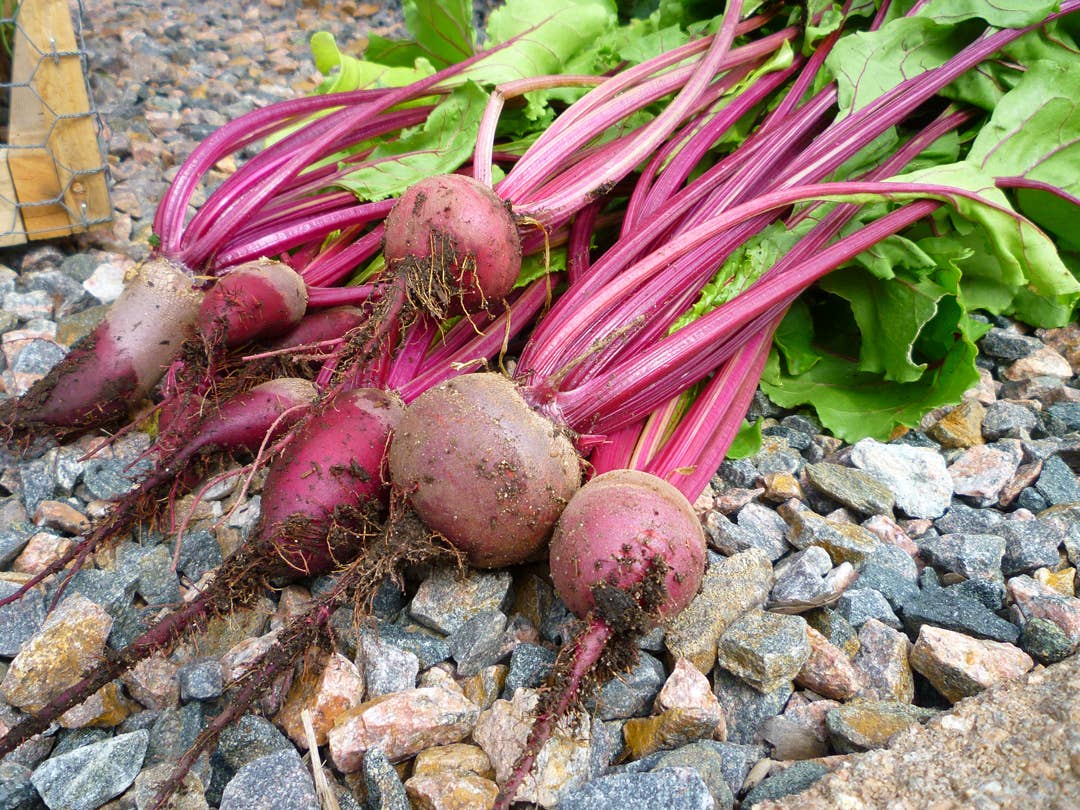
Determining when your beets are ready for harvest is crucial. Typically, they reach maturity around 50 to 70 days after planting, depending on the variety. Look for beets that are about the size of a golf ball to a tennis ball. Smaller beets can be sweeter and more tender, while larger ones might be more fibrous. Check the tops as well; healthy, vibrant greens indicate the root is ready. Have you noticed the greens starting to yellow or wilt? It’s probably time to pull them out.Harvesting Methods
There are different ways to harvest beets, and choosing the right method can impact the quality of your crop. You can start by gently loosening the soil around the beet with a garden fork. This helps avoid damage to the roots. Once the soil is loosened, grasp the beet greens close to the root and pull upwards with a slight twist. This technique minimizes stress on the plant and ensures the root remains intact. Consider using a knife or scissors to cut the greens about an inch above the beetroot. This not only makes handling easier but also helps in preserving the freshness of the root for longer storage. Did you know that harvesting in the early morning can result in crisper, more flavorful beets? The cool temperatures overnight can enhance their natural sweetness, offering you a delightful taste experience. Whether you’re a seasoned gardener or a beginner, harvesting beets is a gratifying task that can fill your kitchen with earthy aromas and vibrant colors. So, are your beets ready for the table yet?Storing And Using Beets
Plant beets in well-drained soil, spacing seeds about two inches apart. Ensure they receive full sun and regular watering. Harvest when roots are firm and deep red for best flavor.
Storing and using beets effectively can maximize their benefits. Proper storage keeps them fresh longer. This ensures a steady supply for meals. Beets offer versatile culinary uses. They can enhance many dishes.Storage Techniques
Store beets properly to maintain their quality. Begin by trimming the greens. Leave about an inch of stem attached. This prevents moisture loss. Remove any dirt but avoid washing them. Moisture can cause decay. Place the beets in a perforated plastic bag. Store in the refrigerator crisper drawer. They can last up to three months this way. Another method is to store them in damp sand. Use a wooden box and layer the beets with sand. Keep the box in a cool, dark place.Culinary Uses
Beets are versatile in the kitchen. Roast them for a sweet, earthy flavor. Slice and add to salads for color and texture. Pickle them for a tangy treat. Use boiled beets in soups for a rich taste. Shred raw beets for a crunchy salad topping. Beet greens are edible too. Sauté them like spinach for a nutritious side dish. Experiment with beets in smoothies or juices. They add a vibrant color and nutrients. Beets can even be used in baking. Try them in chocolate cake for moisture and flavor.
Credit: www.gardeningknowhow.com
Frequently Asked Questions
What Soil Is Best For Planting Beets?
Beets thrive in well-drained, loamy soil rich in organic matter. The ideal pH range is between 6. 0 and 7. 5. Ensure the soil is free from rocks and debris. Incorporate compost to boost nutrients. Beets prefer a slightly acidic to neutral soil for optimal growth.
How Deep Should Beet Seeds Be Planted?
Plant beet seeds about half an inch deep in the soil. Space them one inch apart for ample room to grow. Cover with a thin layer of soil and water gently. Proper depth ensures good germination and healthy root development.
When Is The Best Time To Plant Beets?
Plant beets in early spring or late summer for best results. They need cool temperatures to germinate properly. Avoid planting during extreme heat. Early spring planting ensures a harvest before summer heat, while late summer planting extends the growing season.
How Often Should Beets Be Watered?
Water beets consistently, ensuring the soil remains moist but not waterlogged. Typically, water them once a week, adjusting based on weather conditions. Proper watering prevents stress and promotes healthy root development. Mulching can help retain soil moisture and reduce watering frequency.
Conclusion
Planting beets in your garden is simple and rewarding. Start by choosing a sunny spot. Prepare the soil well, ensuring it is loose and fertile. Sow seeds directly in the ground for best results. Water regularly, but do not overwater.
Thin seedlings to allow space for growth. Keep weeds away to ensure healthy beets. Harvest them when they reach the desired size. Enjoy the fresh and nutritious beets from your garden. They are not only tasty but also full of vitamins.
Happy gardening!







