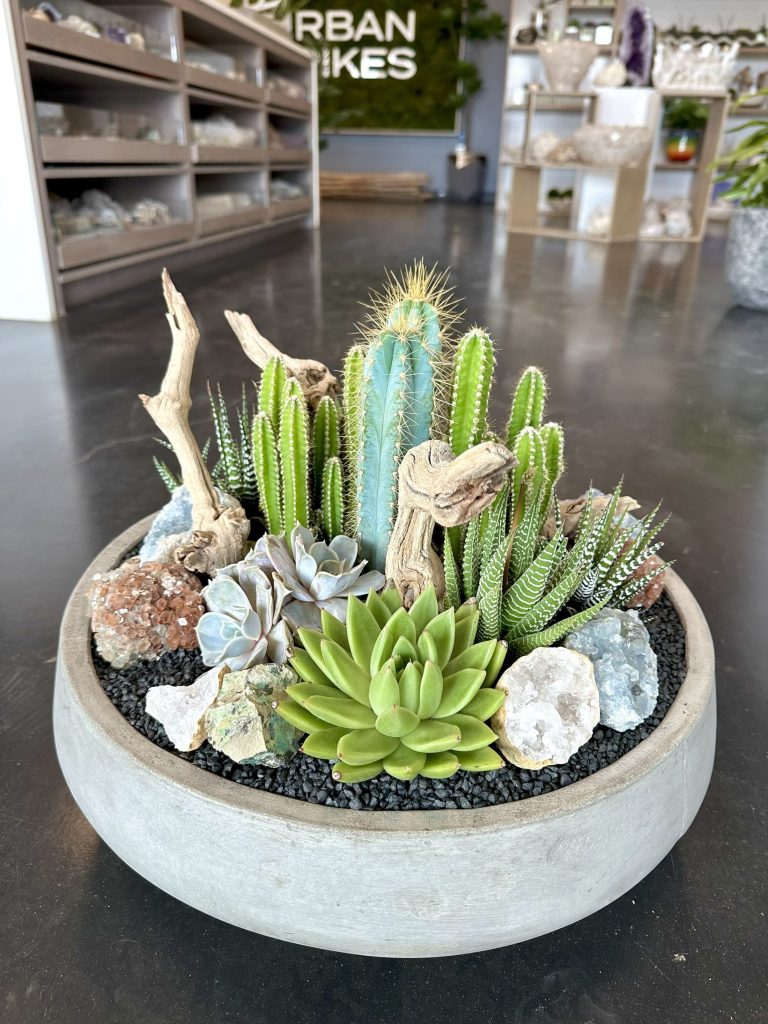
Imagine stepping into a space in your home that feels like a miniature oasis, bursting with vibrant greens and intriguing textures. You can achieve this by creating your very own indoor succulent garden.
It’s easier than you might think, and it offers a unique blend of beauty and tranquility to any room. Are you ready to transform a corner of your home into a lush paradise? This guide will walk you through the simple steps to bring your vision to life.
Discover how you can nurture these delightful plants with minimal effort while adding a splash of nature to your indoor spaces. As you read on, you’ll find practical tips that make the process enjoyable and rewarding. Whether you’re a seasoned plant enthusiast or just starting out, this is your chance to embrace the charm of succulents and create a serene sanctuary right at home.
Choosing The Right Succulents
Creating an indoor succulent garden starts with choosing the right plants. Succulents are admired for their beauty and easy care. Selecting the right types can make or break your garden’s success. Each variety has unique needs and characteristics. Consider lighting, space, and aesthetics when picking your plants.
Popular Varieties For Indoors
Indoor spaces favor certain succulent types. Jade plants are a popular choice. Their thick leaves and tree-like appearance add charm. Aloe vera is another favorite, known for its healing properties. Echeveria varieties boast rosette shapes and vibrant colors. Zebra plants have striking striped leaves. These varieties thrive indoors with minimal care.
Size And Growth Considerations
Size matters in indoor gardens. Succulents come in various sizes. Some stay small, others grow larger. Consider the space available in your home. Tall succulents like snake plants can reach heights of up to 3 feet. Smaller ones like Lithops fit snugly on windowsills. Opt for slow-growing types for easy management. Fast growers might need more frequent repotting.

Credit: www.dallasnews.com
Preparing Your Space
Choose a sunny spot to arrange your indoor succulent garden. Use well-draining soil and pots with drainage holes. Group plants with similar light and water needs for easy care.
Preparing your space for an indoor succulent garden is an exciting first step towards bringing a piece of the desert into your home. Succulents are known for their resilience and adaptability, but choosing the right environment for them can make a world of difference. Before diving into plant selection and arrangements, take a moment to identify the best spot in your home that will support their growth and highlight their beauty.Ideal Locations For Succulent Gardens
Selecting the ideal location is crucial for your succulent garden. Look for areas that mimic their natural habitat. Succulents thrive in spaces with good airflow and moderate temperatures. Consider placing them near windowsills, shelves, or even on tabletops where they can enjoy the light and air circulation. Avoid spots with high humidity like bathrooms, as succulents prefer dry conditions. Your living room or office might be perfect if they have ample sunlight and a stable environment. Think about how your plants will fit into your daily life. Would you appreciate seeing them while relaxing on your couch, or should they greet you at your workspace? The right location will offer both aesthetic pleasure and optimal conditions.Lighting Requirements
Lighting is a key factor in your succulent garden’s success. Succulents need bright, indirect light to flourish. Direct sunlight can scorch their leaves, but too little light can lead to weak growth. Aim for a balance that mimics their native environment. If your home lacks natural light, consider using grow lights. These can supplement sunlight and ensure your succulents receive adequate illumination. LED grow lights are energy-efficient and can be adjusted to mimic daylight hours. Observe your plants regularly. Are they stretching towards the light or showing signs of sunburn? This can help you tweak their positioning and improve their living conditions. By thoughtfully preparing your space, you set the stage for a thriving succulent garden that enhances your home and brings joy to your everyday life. Where will you place your new green companions?Selecting Containers And Soil
Choose containers with drainage holes to prevent waterlogging. Use well-draining soil for succulents to thrive indoors.
Creating an indoor succulent garden starts with choosing the right containers and soil. Both elements play a vital role in the health of your succulents. The right container ensures proper drainage, while the right soil mix provides essential nutrients. Together, they create a thriving environment for your plants. Let’s delve into the specifics of selecting containers and soil for your indoor succulent garden.Best Containers For Succulents
Select containers with drainage holes. This prevents water from pooling at the bottom. Overwatering is a common mistake with succulents. Terra cotta pots are a popular choice. They allow air movement and help the soil dry quickly. Ceramic and metal containers can also work. Ensure they have proper drainage. If you prefer decorative pots without holes, use a double-pot method. Place the succulent in a smaller pot with holes, then place it in the decorative one. This keeps excess water away from the roots.Soil Mix Essentials
Succulents need well-draining soil. A cactus mix is ideal for them. It provides the right balance of moisture and dryness. You can make your own mix. Combine potting soil with sand or perlite. This improves drainage and aeration. Avoid heavy garden soil. It retains too much moisture and can rot the roots. Keep the soil light and airy. Test the soil by watering. It should dry within a few days. This ensures the succulents’ roots stay healthy.Planting Techniques
Creating an indoor succulent garden is simple. Choose a shallow container with drainage holes. Arrange succulents of different shapes and colors for visual interest. Use well-draining soil and place in a sunny spot. Water sparingly, allowing the soil to dry out between waterings.
Creating an indoor succulent garden is an adventure that combines art and horticulture. The beauty of succulents lies in their diverse shapes, colors, and textures, offering endless possibilities for creative arrangements. Understanding the right planting techniques is crucial to nurturing a thriving garden that delights both the eyes and the soul.Arranging Succulents For Aesthetic Appeal
Consider your space and the ambiance you wish to create. Do you prefer a minimalist look with a few large statement succulents, or a vibrant tapestry of various species? Mix and match different succulents to create a balanced display. Combine tall, spiky succulents with trailing varieties for depth and dimension. Avoid overcrowding. Allow each plant to shine by giving them enough space. This not only enhances their aesthetic appeal but also promotes healthy growth.Proper Planting Methods
Start with a clean, well-draining soil mix. Succulents thrive in environments that mimic their natural habitat, so a cactus soil mix is ideal. When planting, gently loosen the roots and place them in the soil. Ensure that the root ball is completely covered and that the plant is stable. Water sparingly after planting. Succulents store water in their leaves, so they need less frequent watering than other houseplants. Have you ever planted a succulent only to find it wilted a few days later? Proper planting methods are key to preventing this. Follow these steps, and your succulents will thank you with vibrant growth.Watering And Maintenance
Indoor succulents need minimal watering and thrive in well-drained soil. Ensure they get enough sunlight but avoid direct, harsh rays. Regularly check for pests and remove dead leaves to maintain plant health.
Watering and maintaining an indoor succulent garden is essential for healthy growth. Succulents are resilient but require specific care to thrive indoors. Understanding their watering needs and how to maintain them will keep your garden lush and vibrant. Let’s dive into the key aspects of watering and maintenance for your indoor succulents.Watering Frequency And Methods
Succulents store water in their leaves, so they don’t need frequent watering. Water them once every two weeks, depending on the climate. Ensure the soil is completely dry before the next watering. Over-watering leads to root rot, so it’s crucial to avoid it. Use the soak and dry method. Soak the soil thoroughly, then let it dry completely. This mimics their natural desert environment and keeps them healthy.Pruning And Care Tips
Pruning is important to remove dead leaves and promote new growth. Use clean, sharp scissors to trim away any dead parts. This helps prevent disease and keeps your succulents looking their best. Regularly inspect your plants for pests like aphids or mealybugs. If you find any, treat them with neem oil or insecticidal soap. Rotate your succulents to ensure even light exposure. This prevents them from leaning towards the light and maintains their shape.
Credit: www.facebook.com
Dealing With Common Issues
Creating an indoor succulent garden can be easy and rewarding. Choose a shallow container with good drainage. Arrange various succulents for a diverse look, and place them in bright, indirect sunlight.
Creating an indoor succulent garden is a rewarding and stylish way to add greenery to your space. However, like any gardening endeavor, it comes with its set of challenges. Understanding how to tackle common issues ensures your succulents thrive and maintain their vibrant charm. Let’s dive into handling some typical problems you might face.Pest Management
Even though succulents are relatively low-maintenance, pests can still pose a threat. Common culprits include mealybugs and aphids. You might notice them as tiny white specks or clusters on your plants. To manage these pests, start by isolating the affected plant to prevent spreading. Use a cotton swab dipped in alcohol to gently wipe away visible insects. Consistent monitoring and maintaining a clean environment can significantly reduce pest problems.Handling Overwatering
Overwatering is the most frequent mistake in succulent care. These plants store water in their leaves, so they require less frequent watering than other houseplants. If the leaves appear mushy or start falling off, it’s a sign of overwatering. To combat this, ensure your pot has adequate drainage. Use a soil mix specifically designed for succulents and cacti, which allows excess water to escape. Water your succulents only when the soil is completely dry, typically every 1-2 weeks depending on humidity and light conditions. Have you ever wondered if your succulents are getting the right amount of water? Try the soil test: insert a wooden skewer into the soil—if it comes out dry, it’s time to water. This simple test can save your plants from the perils of overhydration. Incorporating these strategies into your succulent care routine will keep your indoor garden healthy and thriving. Engage with your plants, observe their needs, and they will reward you with beauty and resilience.Enhancing Your Succulent Garden
Create a vibrant indoor succulent garden by selecting containers with drainage holes. Arrange succulents based on their sunlight needs, using a mix of shapes and colors. Ensure proper care with minimal watering and well-draining soil for healthy growth.
Enhancing Your Succulent Garden Creating an indoor succulent garden is just the beginning. Enhancing it is where the real fun begins. Imagine turning your garden into a piece of art that reflects your personality and style.Creative Design Ideas
Think outside the traditional pot. Use unexpected containers like vintage teacups, wooden boxes, or even old lanterns. Arrange your succulents in layers or clusters to create depth and visual interest. Mix and match different textures and colors to make your garden pop. Don’t be afraid to experiment. Move plants around until you find a layout that feels right.Seasonal Decoration Tips
Add seasonal elements to keep your garden fresh and exciting. During autumn, scatter small pine cones or mini pumpkins among your succulents. For winter, consider adding small ornaments or sprigs of holly. In spring, a few pastel-colored stones or Easter-themed decorations can bring new life to your garden. By changing decorations with the seasons, your succulent garden will always feel alive and dynamic.How do you plan to enhance your succulent garden? Adding your personal touch will make it uniquely yours.

Credit: www.youtube.com
Frequently Asked Questions
What Materials Do You Need For A Succulent Garden?
To create an indoor succulent garden, gather containers, potting mix, and drainage stones. Succulents need well-draining soil and pots with drainage holes. Choose containers that fit your space and aesthetic. You can also add decorative elements like rocks or sand to enhance your garden’s appearance.
How Do You Care For Indoor Succulents?
Indoor succulents need bright, indirect sunlight and minimal water. Water them when the soil is dry. Overwatering can cause root rot. Ensure proper drainage by using a pot with holes. Rotate plants occasionally for even growth and remove dead leaves to keep your garden healthy.
Can Succulents Grow In Low Light?
Succulents prefer bright light but can survive in low light. Choose varieties like jade or snake plant for dim areas. They may grow slower and require less water. Consider using grow lights if natural light is insufficient. Monitor your plants for signs of stress, like stretching or discoloration.
How Often Should You Water Succulents?
Water indoor succulents sparingly, only when the soil is dry. Typically, this means every 1-3 weeks, depending on conditions. More frequent watering may be needed in warmer months. Use a spray bottle or watering can with a narrow spout to avoid overwatering and ensure proper drainage.
Conclusion
Creating an indoor succulent garden is simple and rewarding. Start with small, easy-to-care-for plants. Use well-draining soil to keep roots healthy. Place your garden where it gets plenty of sunlight. Water sparingly to prevent overwatering. Enjoy the beauty and low-maintenance nature of succulents.
They bring life and color indoors. Experiment with different arrangements. Have fun choosing your favorite succulents. Share your garden with friends and family. They will love it too. Keep learning and adjusting as needed. Your indoor succulent garden will thrive with care and attention.
Happy gardening!







