
Imagine stepping into your kitchen, reaching for fresh basil or mint to garnish your dish, and realizing you don’t have any. You could rush to the store, but wouldn’t it be wonderful to have your own indoor herb garden?
You don’t need a sprawling backyard or a green thumb to make this happen. With just a little space and a few simple steps, you can transform your home into a lush oasis of flavor. Imagine the joy of snipping fresh herbs right when you need them.
It’s easier than you think, and the results will not only brighten your dishes but also enhance your culinary experience. Intrigued? Let’s dive into how you can effortlessly create an indoor herb garden that will keep your kitchen vibrant and your meals delicious.

Credit: www.botanicalblueprint.com
Choosing The Right Herbs
Creating an indoor herb garden starts with choosing the right herbs for your space. Consider light and temperature needs. Opt for easy-to-grow options like basil, mint, and chives. These herbs thrive indoors and offer versatile culinary uses.
Choosing the right herbs for your indoor garden is crucial. Some herbs thrive indoors, while others need more space or sunlight. Understanding the needs of each herb will help you succeed. Let’s explore some popular herbs that are perfect for beginners and consider their growth requirements.Popular Herbs For Beginners
Starting with easy herbs can boost your confidence. Here are some popular choices:- Basil:Great for salads and pasta. Needs a sunny spot.
- Mint:Perfect for teas. Grows well in low light.
- Parsley:Versatile for cooking. Requires moderate sunlight.
- Chives:Adds flavor to dishes. Thrives in partial sunlight.
- Thyme:Ideal for seasoning. Prefers bright light.
Considerations For Indoor Growth
Choosing the right herbs involves more than personal taste. Consider their growth needs:- Light:Some herbs need bright light, others tolerate shade.
- Space:Ensure your herbs have enough room to grow.
- Watering:Overwatering can harm herbs. Check soil moisture regularly.
- Temperature:Most herbs prefer temperatures between 65-75°F.
Selecting Containers
Choosing the right containers is crucial for an indoor herb garden. Opt for pots with good drainage to prevent waterlogging. Consider the size and type of herbs to ensure they have enough space to thrive.
Selecting the right containers for your indoor herb garden is crucial. The containers influence the health and growth of your herbs. Choose wisely to ensure your herbs thrive indoors. You need to consider the type, size, and drainage of the containers. These factors affect water retention and root health. Let’s explore the options available.Types Of Pots And Planters
Various types of pots and planters suit different needs. Terra cotta pots are classic choices. They allow air to circulate around the roots. Plastic pots are lightweight and affordable. They retain moisture better than clay pots. Ceramic pots offer a decorative touch to your indoor garden. They come in various colors and designs. Metal containers provide a modern look. Ensure they are not prone to rusting. Each type has its own benefits and drawbacks.Drainage And Size Considerations
Proper drainage is vital for healthy herbs. Ensure containers have drainage holes at the bottom. Without drainage, water can accumulate and harm roots. Use saucers to catch excess water. Container size affects plant growth. Small pots fit well on windowsills. Larger pots allow more room for roots to expand. Choose a pot size based on the herb’s mature size. This ensures they have enough space to grow. Avoid overcrowding by giving each herb its own container.Optimal Soil And Potting Mix
Creating an indoor herb garden is both rewarding and practical. To thrive, herbs need the right soil and potting mix. This foundation is essential for healthy growth and flavor-rich leaves. Choosing optimal soil is key to a successful indoor garden.
Essential Nutrients For Herbs
Herbs require specific nutrients for growth. Potassium helps with water regulation. Phosphorus aids in root development. Nitrogen boosts leaf growth. Magnesium and calcium are also vital. Choose soil rich in these nutrients for vibrant herbs. Organic matter improves nutrient content naturally.
Homemade Vs. Store-bought Mix
Deciding between homemade and store-bought mix depends on preference. Homemade mix offers customization. Use peat moss, perlite, and compost for a balanced blend. Store-bought mixes are convenient and often enriched with nutrients. Check labels for nutrient content. Choose what’s best for your gardening style.
Finding The Perfect Location
Choose a sunny spot in your home for your indoor herb garden. Ensure the area has good air circulation and easy access to water. A windowsill or countertop with natural light can help herbs thrive indoors.
Creating an indoor herb garden is a rewarding venture that can bring both beauty and practicality to your home. However, finding the perfect location for your herbs is crucial for their growth and health. Have you ever noticed how some plants thrive while others wither away? It often boils down to their placement. Choosing the right spot involves considering light, temperature, and humidity. Let’s dive into these aspects to ensure your indoor garden flourishes.Light Requirements For Herbs
Most herbs love sunlight. They typically need about six to eight hours of light per day. A south-facing window is often the best spot to provide ample natural light. If your home lacks enough sunlight, consider using grow lights. They can replicate sunlight and are a great alternative for homes in less sunny regions. Keep in mind, different herbs have different light needs. Basil, for example, thrives in bright light, while mint can tolerate less intense conditions.Temperature And Humidity Control
Herbs generally prefer temperatures between 65°F and 75°F. Avoid placing them near drafty windows or heat sources like radiators. These spots can cause temperature fluctuations that stress the plants. Humidity is another key factor. Most herbs prefer moderate humidity levels. In dry climates, you might need to mist your plants or use a humidity tray. Conversely, if your home is too humid, ensure there’s good air circulation to prevent mold. Finding the right balance of temperature and humidity can make all the difference. Have you ever adjusted the thermostat a couple of degrees and noticed your plants perk up? Small changes can lead to big results in your indoor herb garden.Watering And Maintenance
Consistent watering keeps your indoor herbs healthy. Check soil moisture regularly to avoid overwatering. Trim herbs to encourage growth and prevent overcrowding.
Creating an indoor herb garden is a delightful project. But proper watering and maintenance ensure its success. Herbs need care to thrive indoors. They require correct watering and regular maintenance. By following a simple routine, your herbs will flourish beautifully.Watering Schedule
Watering is crucial for healthy herbs. Check the soil moisture regularly. Stick a finger about an inch into the soil. If it feels dry, it’s time to water. Use a watering can with a narrow spout. This helps you water at the base of the plants. Be careful not to overwater. Too much water can lead to root rot. Ensure pots have drainage holes. This prevents water from pooling at the bottom.Pruning And Harvesting Tips
Pruning keeps your herbs healthy and bushy. Use clean scissors to cut back stems. This encourages new growth. Remove any yellow or dead leaves. They can attract pests or disease. Harvest herbs often to promote growth. Pick leaves from the top of the plant. This will encourage the plant to grow outward. Avoid harvesting more than one-third of the plant at a time. This allows the plant to recover and keep growing.
Credit: www.monstera-app.com
Pest And Disease Management
Creating an indoor herb garden requires careful pest and disease management. Regularly inspect plants for signs of pests like aphids and mites. Ensure proper air circulation and avoid overwatering to prevent fungal diseases.
Creating an indoor herb garden is a rewarding endeavor, offering fresh flavors and aromas right at your fingertips. However, maintaining a healthy garden involves more than just watering and sunlight. Pest and disease management is crucial to ensure your herbs thrive indoors. With a little attention and care, you can protect your indoor oasis from unwanted invaders.Common Indoor Pests
Indoor herb gardens aren’t immune to pests, and certain bugs can wreak havoc if left unchecked. Aphids are small, sap-sucking insects that often hide under leaves, causing them to curl and yellow. Spider mites, almost invisible to the naked eye, weave fine webs and can quickly damage plants by feeding on their juices. Fungus gnats, tiny flies that love moist soil, can also become a nuisance, especially when overwatering occurs.Natural Remedies And Solutions
When dealing with pests, natural solutions are often the most effective and safest way to protect your herbs. Introducing ladybugs to your garden can naturally control aphid populations, as they are natural predators. For spider mites, a mixture of water and a few drops of neem oil can deter these pests without harming your plants. To manage fungus gnats, reduce watering frequency and sprinkle cinnamon on the soil surface to act as a natural fungicide and deterrent. Have you ever tried using a homemade garlic spray? Crushing a few garlic cloves and mixing them with water creates a potent spray that repels a wide array of pests. Also, consider using sticky traps to catch flying insects like gnats. These simple and natural methods can keep your indoor herb garden flourishing, ensuring that fresh basil or mint is always within reach. Remember, vigilance is key. Regularly inspecting your plants can help you spot issues early, saving you time and effort in the long run. What strategies will you try to keep your indoor herb garden pest-free?Creative Display Ideas
Transform a windowsill into a thriving indoor herb garden with small pots. Arrange them neatly for a green touch. Choose herbs like basil, mint, and rosemary for fresh aromas and flavors.
Creating a visually appealing indoor herb garden doesn’t just add greenery to your space; it can also serve as a unique decor piece. By choosing creative display methods, you not only maximize your space but also showcase your herbs in a way that sparks conversation. Here are some innovative ideas for displaying your indoor herb garden.Vertical Gardens
Vertical gardens are perfect for those who are short on space but big on style. Consider hanging planters or wall-mounted pockets that allow your herbs to grow upwards. Benefits: – Space-saving: Perfect for small apartments or kitchens with limited counter space. – Aesthetic appeal: Adds a lush, green backdrop to any wall. Imagine waking up to a wall of fresh basil and thyme right in your kitchen. Not only does it smell amazing, but it also ensures your herbs are always within reach.Windowsill Arrangements
Windowsills are classic spots for herb gardens due to their natural light. But don’t just line up pots; get creative with your arrangement. Ideas: – Staggered heights: Use pots of varying sizes or add small stands to create an interesting visual flow. – Themed pots: Choose pots with colors or patterns that match your kitchen decor. Think about the satisfaction of snipping fresh mint from your windowsill for your morning tea. This simple setup can transform a basic window into a mini-garden oasis. By experimenting with these display ideas, you can turn your indoor herb garden into a stunning focal point. Which method resonates with you the most?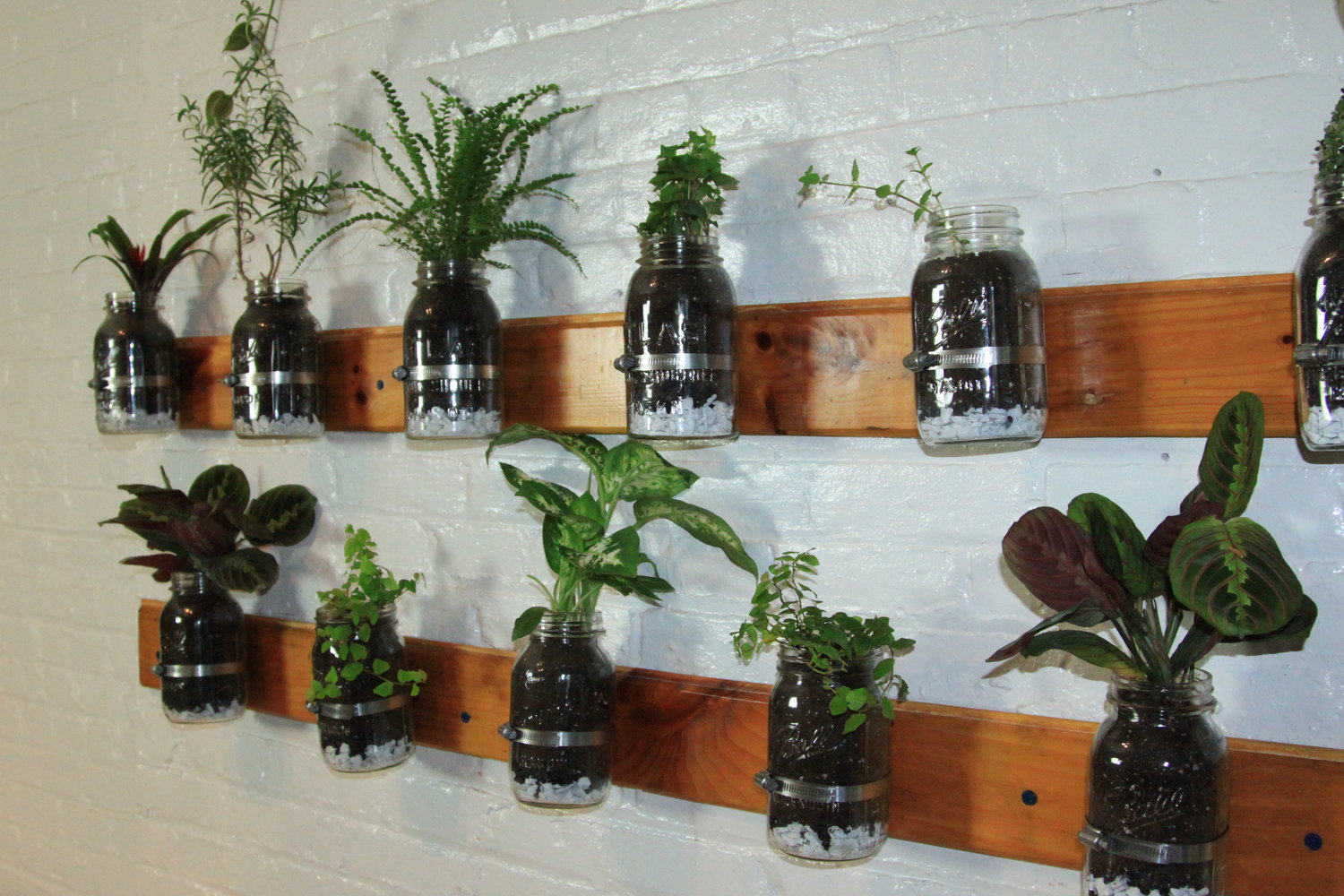
Credit: homesteadbrooklyn.com
Benefits Of Growing Herbs Indoors
Creating an indoor herb garden offers fresh flavors right at home. Enjoy easy access to herbs for cooking and teas. Enhance air quality and add a green touch to your kitchen space.
Indoor herb gardens offer many benefits that enhance your living space. They improve your health, elevate your cooking, and beautify your home. These gardens also contribute to a healthier environment indoors.Health And Culinary Uses
Fresh herbs are rich in vitamins and antioxidants. They boost your immunity and promote well-being. Cooking with fresh herbs enhances flavors naturally. Basil, mint, and rosemary bring zest to dishes. You can reduce salt and sugar when using herbs. This creates healthier meals effortlessly.Aesthetic And Environmental Benefits
Herbs add greenery and life to your home. They create a soothing and calming atmosphere. Indoor plants purify the air by removing toxins. This improves indoor air quality significantly. An herb garden can also reduce stress levels. The act of gardening itself is therapeutic. It provides a sense of accomplishment and joy.Frequently Asked Questions
What Herbs Are Best For Indoor Gardens?
Basil, mint, and parsley thrive indoors due to their adaptability. They require minimal sunlight and are easy to maintain. Rosemary and thyme are also excellent choices, offering aromatic benefits. Ensure you choose herbs that can adapt to your indoor environment for optimal growth and harvest.
How Much Light Do Indoor Herbs Need?
Most indoor herbs need 6-8 hours of light daily. Natural sunlight is ideal, but grow lights can supplement. Position herbs near windows or use LED lights for consistent exposure. Adjust the lighting based on the season to ensure healthy growth.
What Containers Work Best For Indoor Herbs?
Use containers with drainage holes to prevent waterlogging. Terracotta pots are popular due to their porous nature, helping regulate soil moisture. Consider size, as herbs need room for root growth. Choose containers that fit your space and match your decor for aesthetic appeal.
How Often Should You Water Indoor Herbs?
Water when the soil feels dry about an inch down. Overwatering can lead to root rot, so monitor soil moisture regularly. Frequency may vary based on herb type, container size, and indoor conditions. Adjust watering habits to ensure healthy, thriving plants.
Conclusion
Creating an indoor herb garden is simple and rewarding. Fresh herbs enhance meals and offer natural aromas. Start with easy-to-grow herbs like basil, mint, or parsley. Proper sunlight and regular watering are key. Choose suitable containers with good drainage. Keep your herbs healthy by trimming them regularly.
Indoor gardens fit small spaces and provide fresh ingredients year-round. Enjoy the process and benefits of having herbs at your fingertips. Experiment with different herbs and watch them thrive. Your kitchen will always have fresh flavors. A little effort brings a green touch to any home.







