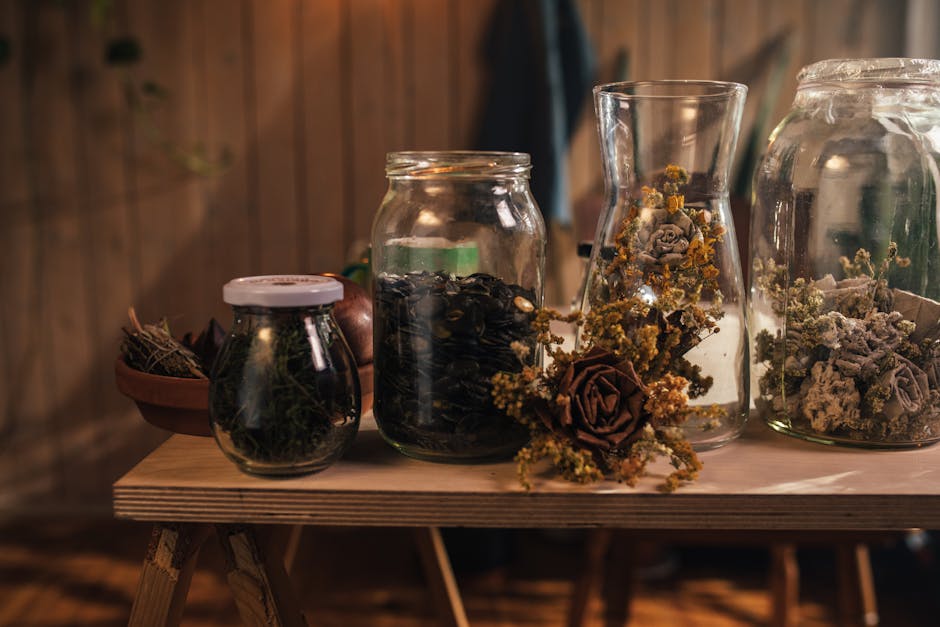
Imagine stepping outside your door to a garden brimming with fresh herbs ready to enhance your culinary creations. Designing a herb garden is not just about growing plants; it’s about cultivating a space that nourishes your soul and invigorates your senses.
You might wonder where to start or how to ensure your herbs thrive. The good news? Creating a herb garden is simpler than you think. Whether you have a sprawling backyard or a tiny balcony, you can design a space tailored to your needs.
This article will guide you through every step, ensuring you make informed choices for a flourishing herb garden. Stick around to discover how your outdoor space can transform into a delightful herb sanctuary.
Choosing The Right Location
Selecting a sunny spot ensures herbs thrive, as most need ample sunlight. Consider access to water for easy maintenance. Proximity to the kitchen allows quick harvest for cooking.
Choosing the right location for your herb garden can make all the difference between lush, thriving plants and a disappointing, wilted collection. This decision is crucial as it directly impacts the growth and health of your herbs. Before you rush out with a spade and seeds, consider several key factors to ensure your garden flourishes.Sunlight And Shade
Herbs generally love sunlight. Most varieties require at least 6-8 hours of sunlight each day to grow optimally. Place your garden in a spot that captures the morning sun, as afternoon sun can often be too intense. However, some herbs like mint or parsley thrive in partial shade. Observe your potential garden spots throughout the day to understand the sun and shade patterns. Are there overhanging trees or structures that might block the sun?Proximity To Kitchen
Having your herb garden near the kitchen is not just about convenience. It’s about integrating fresh flavors into your meals effortlessly. Picture yourself grabbing a handful of basil or a sprig of rosemary while cooking. A garden close to your kitchen door or window ensures you make the most of your herbs. You’re more likely to use them if they’re within arm’s reach. Plus, a nearby garden can serve as a delightful view from your kitchen window.Soil Quality Considerations
Good soil is the foundation of a thriving herb garden. Before planting, test your soil to determine its pH and nutrient levels. Most herbs prefer well-drained soil with a neutral pH. If your soil is heavy clay or sandy, consider adding organic matter like compost to improve its quality. You can also use raised beds or containers if the natural soil is not ideal. Remember, healthy soil leads to healthy herbs, which means a more aromatic and flavorful addition to your culinary adventures.Selecting Herbs For Your Garden
Designing a herb garden involves choosing herbs based on sunlight, soil, and climate. Arrange plants for easy access and visual appeal. Consider companion planting to enhance growth and flavor.
Selecting the right herbs for your garden is a crucial step in designing a space that not only looks beautiful but also serves practical purposes. With a variety of options available, it’s essential to choose herbs that align with your needs and preferences. Whether you’re passionate about cooking, interested in natural remedies, or looking to improve the health of your garden, there’s a selection of herbs that can meet your goals. So, let’s dive into the different categories of herbs you might consider for your garden.Culinary Favorites
Imagine stepping into your garden to snip fresh basil for a homemade pesto or rosemary for a savory roast. Culinary herbs like thyme, oregano, and cilantro are must-haves for anyone who loves to cook. These herbs not only enhance the flavor of your dishes but also add aroma to your garden. Are you ready to elevate your cooking with fresh ingredients at your fingertips?Medicinal Herbs
Herbs like chamomile, peppermint, and lavender have been used for centuries for their healing properties. Growing medicinal herbs in your garden provides you with natural remedies for common ailments. Think about the satisfaction of brewing your own herbal tea to soothe a headache or relieve stress. Which medicinal herbs would you like to have on hand for your wellness routine?Companion Planting Benefits
Did you know that some herbs can help protect and nourish other plants in your garden? Companion planting involves using herbs like marigold and dill to repel pests and boost plant growth. Incorporating these herbs can create a harmonious environment where all your plants thrive together. How can you leverage the power of companion planting in your garden design?Designing The Layout
Designing a herb garden layout involves planning space for each plant’s needs. Consider sunlight, water access, and growth habits. Arrange taller plants at the back and shorter ones in front for easy access and sunlight.
Designing the layout of your herb garden is an exciting opportunity to blend creativity with functionality. Whether you’re working with a small balcony or a spacious backyard, the right layout ensures your herbs thrive and are easy to access. Let’s explore some practical options that can transform your garden dreams into a flourishing reality.Container Gardening Options
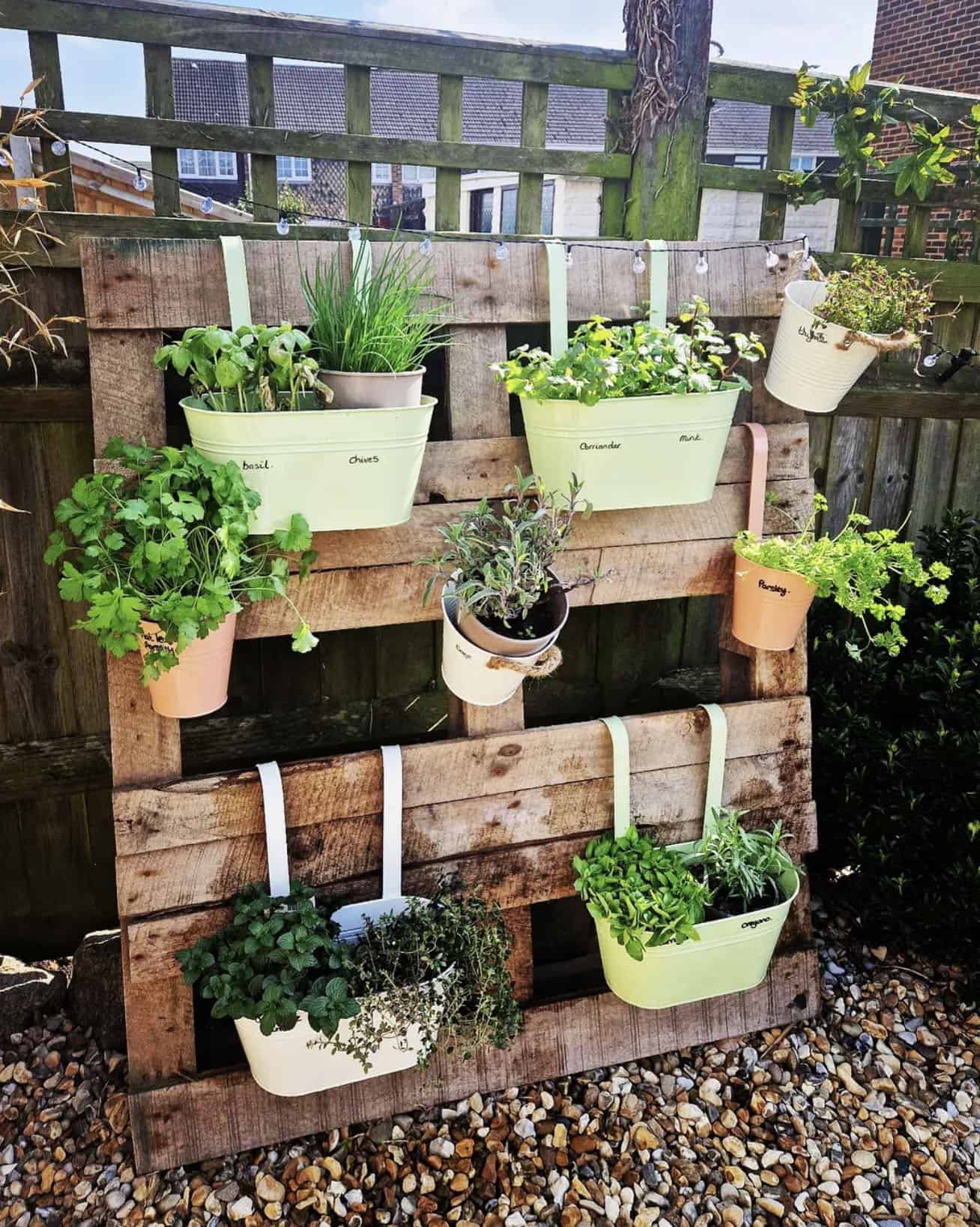
Container gardening offers flexibility, especially if space is limited. You can use pots of various sizes and shapes to fit your space and style. Consider using vertical planters or hanging pots to maximize your area. Containers can be easily moved to capture optimal sunlight or to create a fresh look. They also allow you to control the soil and moisture levels more effectively. Have you thought about repurposing old items like teapots or buckets as quirky plant holders?Raised Beds Advantages
Raised beds are a fantastic option if you have the space. They provide excellent drainage and can be filled with high-quality soil, which is perfect for herbs. You can easily organize different herbs with wooden dividers. Raised beds also make gardening more accessible, as they reduce the need to bend over, which is especially beneficial for those with back issues. Imagine walking through your garden with herbs at your fingertips, each bed neatly organized and bursting with color.Herb Spiral Design
The herb spiral design is both innovative and space-efficient. It’s a method where herbs are planted in a spiral-shaped mound, creating microclimates for different types of herbs. This design allows you to cater to diverse herb needs, from sun-loving basil at the top to moisture-loving mint at the bottom. Building a herb spiral can be a fun DIY project using stones, bricks, or even recycled materials. It’s an eye-catching centerpiece for any garden, offering both visual appeal and practicality. What unique touch will you add to your herb spiral?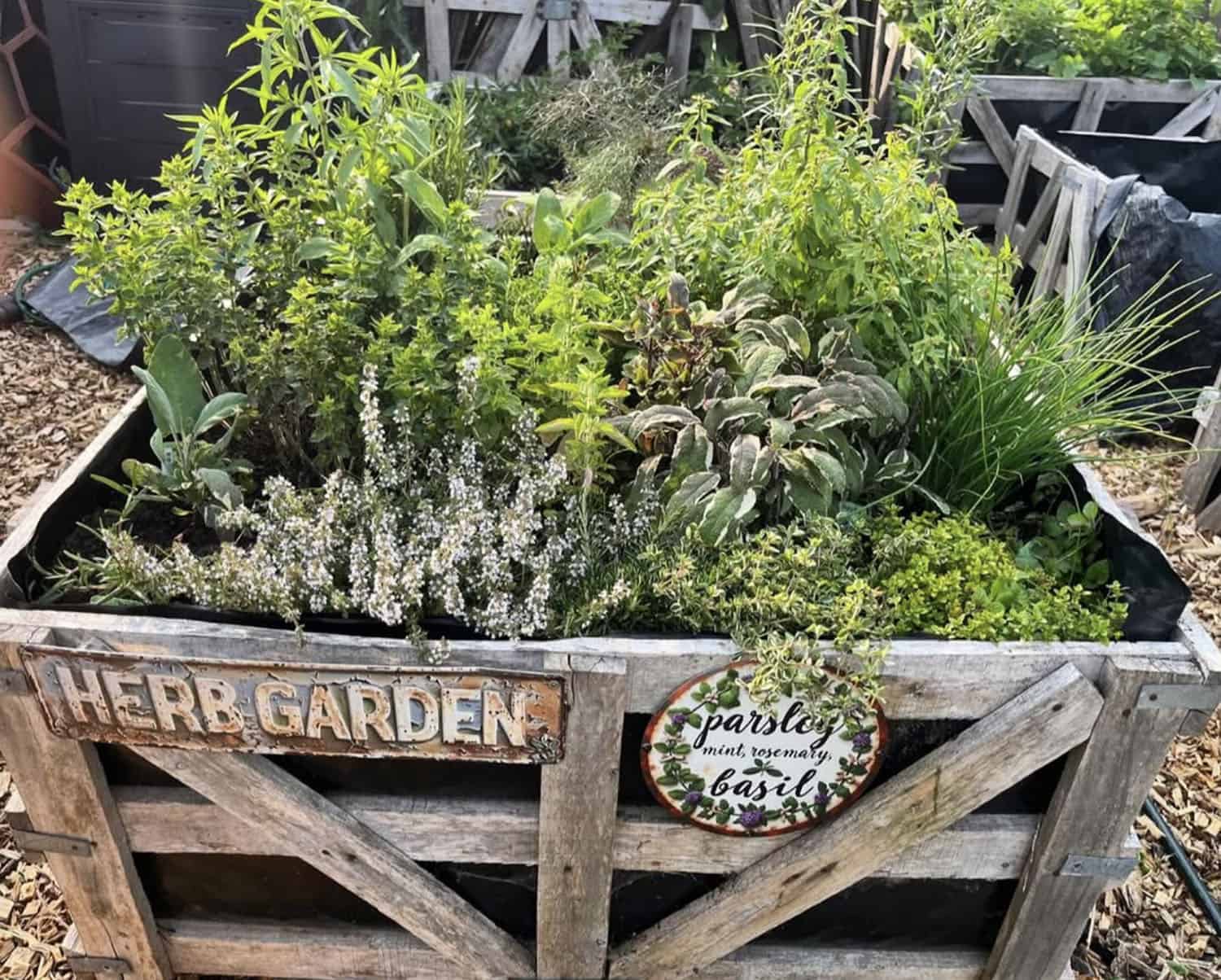
Credit: onekindesign.com
Preparing The Soil
Preparing the soil is key to a thriving herb garden. Remove weeds and rocks to create a smooth surface. Mix in organic compost for rich, fertile ground. This foundation ensures herbs grow strong and healthy.
Preparing the soil is a crucial step in designing a herb garden. Healthy soil supports vibrant plant growth. It provides essential nutrients and a proper growing environment. Let’s explore the key aspects of soil preparation. These include adding organic matter, adjusting pH levels, and ensuring good drainage.Organic Matter Addition
Organic matter enriches soil with nutrients. It improves its structure and water-holding capacity. Compost is an excellent choice. It provides a balance of nutrients. You can mix it into the top 6 inches of soil. This step boosts soil fertility, encouraging robust herb growth.Ph Level Adjustment
Herbs thrive best in soil with a pH between 6 and 7.5. Use a pH test kit to check your soil’s acidity. If your soil is too acidic, add lime. Lime raises the pH level. For alkaline soil, add sulfur to lower the pH. Adjusting pH ensures herbs absorb nutrients effectively.Drainage Solutions
Good drainage prevents waterlogging. Herbs dislike soggy soil, which can lead to root rot. To improve drainage, consider raised beds. They allow excess water to escape. Another solution is adding sand or gravel. Mixing these materials with soil enhances its drainage capability.Planting Techniques
Designing a herb garden requires knowledge of effective planting techniques. These techniques ensure your herbs flourish. With the right methods, your garden will thrive.
Seed Starting Tips
Begin your herb garden journey with seeds. Choose quality seeds for better growth. Use small pots or seed trays with drainage holes. Fill them with seed-starting mix.
Plant seeds according to the package depth instructions. Keep the soil moist, not wet. Place the trays in a warm, bright area. A sunny windowsill works well. Consider covering the trays with plastic wrap. This helps retain moisture.
Transplanting Guidelines
Transplant seedlings once they have two sets of leaves. Gently remove the plant from the tray. Avoid damaging the roots. Dig a hole in the prepared garden bed. Ensure it is deep enough for the root ball.
Place the seedling in the hole. Fill it with soil, pressing gently. Water the plant to settle the soil. Transplant on a cloudy day or in the evening. This reduces transplant shock.
Spacing For Growth
Provide enough space between plants. This ensures healthy growth. Check the seed packet for specific spacing needs. Generally, herbs need about 12-18 inches apart. This prevents overcrowding and competition for nutrients.
Proper spacing allows air circulation. It helps prevent diseases. Plan your garden layout with growth in mind. Adjust spacing for larger or bushier herbs.
Credit: www.hgtv.com
Watering And Maintenance
Water herbs regularly, ensuring the soil stays moist but not waterlogged. Trim and remove dead leaves for healthy growth. Adjust watering frequency based on climate and season to keep herbs thriving.
Watering and maintaining a herb garden requires attention and care. These tasks ensure herbs thrive and remain healthy. Understanding the right techniques is key to success. Let’s explore essential aspects of herb garden care.Irrigation Systems
Choosing the right irrigation system is important. Drip irrigation is efficient. It delivers water directly to roots. This minimizes waste and promotes growth. Sprinkler systems cover larger areas. They are ideal for bigger gardens. Consider automatic timers. They help maintain a regular watering schedule. This ensures plants receive water consistently.Pruning And Harvesting
Pruning keeps herbs healthy and productive. Regularly remove dead or yellow leaves. This encourages new growth. Harvest herbs frequently. This stimulates the plant and enhances flavor. Use clean scissors for cutting. Always leave a few inches of stem. This practice helps the plant regrow quickly.Pest Control Methods
Pests can damage your herbs. Natural pest control methods are effective. Use neem oil or insecticidal soap. They are safe and non-toxic. Encourage beneficial insects like ladybugs. They help control pests naturally. Regularly inspect plants for signs of trouble. Early detection prevents bigger problems. Keep the garden clean. Remove debris and fallen leaves. This reduces hiding spots for pests.Seasonal Care For Herbs
Designing a herb garden is not just about choosing the right plants and arranging them beautifully. It also involves understanding how to care for them throughout the year. Each season presents unique challenges and opportunities for your herbs. Let’s explore how to ensure your herb garden thrives, regardless of the weather outside.
Winter Protection Strategies
Winter can be harsh, but with the right strategies, your herbs can survive and even flourish. Consider using mulch to insulate the roots of perennials like thyme and rosemary. Mulch acts like a blanket, keeping the soil temperature stable.
For more sensitive herbs, try using cloches or cold frames. These structures create a mini-greenhouse effect, offering protection from frost. You might also consider bringing potted herbs indoors, where they can continue to grow on a sunny windowsill.
Have you ever thought about planting herbs in containers specifically for winter? This allows you to move them easily, ensuring they get the best conditions to thrive.
Summer Heat Management
Summer sun can be as challenging as winter frost. To protect your herbs, ensure they have adequate water. Herbs like basil and mint appreciate a good soak, but avoid waterlogging their roots.
Use shade cloth or plant taller companions to provide some relief from scorching midday sun. This can prevent leaf burn and keep your herbs looking lush.
Consider the position of your garden. Does it receive too much direct sunlight? Adjusting plant locations seasonally can make a big difference.
Year-round Herb Garden
Maintaining a year-round herb garden requires planning but offers rewarding benefits. Rotate your plantings to maximize your garden’s productivity. This not only keeps the soil healthy but also discourages pests.
Think about incorporating a variety of herbs that thrive in different seasons. This way, you always have something fresh to pick. Herbs like cilantro and parsley love cooler months, while basil and oregano thrive in the summer.
Have you ever tried succession planting? This technique ensures continuous harvests. By staggering your plantings, you can enjoy fresh herbs every month of the year.
Incorporating Aesthetic Elements
Incorporating aesthetic elements enhances the charm of a herb garden. Use colorful pots and creative arrangements for visual appeal. Pathways and decorative stones add structure, making the space inviting and organized.
Incorporating aesthetic elements into your herb garden enhances its charm. A well-designed garden isn’t just about the plants. It’s about creating a space that’s visually pleasing and enjoyable.Decorative Pathways
Pathways guide the flow of movement in your garden. Use materials like gravel, bricks, or stepping stones. Gravel gives a rustic feel, while bricks add a classic touch. Stepping stones provide a natural look. Arrange them in patterns that complement the garden’s style. Ensure they are wide enough for comfortable walking.Garden Art And Structures
Art and structures add personality to your garden. Consider sculptures, bird baths, or trellises. Sculptures can be bold or subtle, depending on your taste. Bird baths attract wildlife, adding life to your garden. Trellises support climbing herbs and add vertical interest. Choose pieces that blend with the garden’s theme.Color And Texture Choices
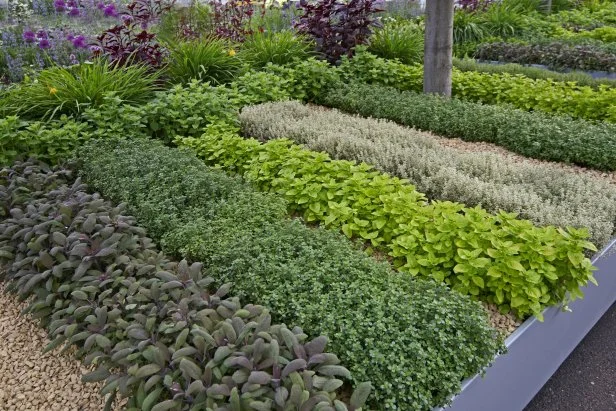
Color and texture create visual interest in your garden. Mix herbs with different shades of green. Add flowering herbs for bursts of color. Consider the texture of leaves. Pair smooth leaves with those that are rough or fuzzy. This contrast enhances the overall appearance. Balance is key to a harmonious design.Herb Garden Inspiration
Designing a herb garden can be a delightful journey. Finding inspiration is the first step. Imagine a space where fresh aromas fill the air. Let your creativity lead the way. Each garden can tell a story.
Successful Herb Gardens
Successful herb gardens thrive with thoughtful planning. Choose herbs that suit your climate. Consider sunlight and soil conditions. Group herbs with similar needs. Basil and thyme enjoy full sun. Mint prefers a bit of shade. Watering is crucial. Herbs need regular but not excessive watering.
Space can be limited. Vertical gardens are a smart solution. Use pots and planters for small spaces. Raised beds offer better drainage. Companion planting can boost growth. Pairing basil with tomatoes enhances flavor. An organized layout helps with maintenance.
Unique Garden Themes
A themed garden adds personality. Create a culinary garden with cooking herbs. Basil, parsley, and chives are popular choices. A tea garden can include chamomile and mint. For a medicinal theme, add lavender and echinacea.
Visual appeal matters. Mix color and texture. Lavender adds purple hues. Sage provides silvery leaves. Paths and borders define spaces. Pebbles and stones add charm. Decorative pots can enhance the theme.
Cultural Herb Traditions
Explore cultural herb traditions for inspiration. Mediterranean gardens feature rosemary and oregano. Asian gardens may include lemongrass and ginger. Indigenous gardens celebrate native plants. Sage and sweetgrass have cultural significance.
Herbs carry stories and heritage. Learn about their uses in cooking and medicine. Engage with local communities. Discover traditional practices and recipes. Respect and preserve cultural knowledge.
Credit: onekindesign.com
Frequently Asked Questions
What Herbs Are Best For Beginners?
Beginner-friendly herbs include basil, mint, parsley, and chives. They are easy to grow and require minimal care. These herbs can thrive in various conditions, making them perfect for novice gardeners. Start with these to gain confidence and gradually expand your herb garden.
How Much Sunlight Do Herbs Need?
Most herbs require 6-8 hours of sunlight daily. Ensure your garden is situated in a sunny spot. This amount of sunlight helps herbs grow robustly and enhances their flavors. If sunlight is limited, consider using grow lights to supplement natural light.
Can Herbs Be Grown Indoors?
Yes, many herbs can thrive indoors. Choose a sunny windowsill for herbs like basil, thyme, and mint. Ensure they receive adequate light and water. Indoor herb gardens are convenient for fresh ingredients year-round, and they add greenery to your living space.
How Do You Choose The Right Soil?
Select well-draining soil for your herb garden. A mix of potting soil and perlite or sand works well. Good drainage prevents root rot and promotes healthy growth. Consider using organic soil to enhance flavor and ensure your herbs are free from chemicals.
Conclusion
Designing a herb garden can be simple and rewarding. Start small with easy herbs like basil and mint. Choose a sunny spot and use quality soil. Plan your layout with creativity in mind. Consider planting in pots or raised beds.
Regular watering and trimming help herbs thrive. Enjoy fresh flavors in your kitchen. Share your bounty with friends and family. A herb garden offers beauty and practicality. It’s a joyful addition to any home. Take the first step today. Happy gardening!







