Imagine stepping into your garden, the sun warming your face, and seeing vibrant, juicy tomatoes hanging from lush green plants. The satisfaction of growing your own tomatoes is within your reach, and it starts with learning how to plant them right.
You might be wondering, “How do I plant tomatoes in my garden to ensure they thrive? ” You’re not alone. Many gardeners, both seasoned and beginners, share this question. Tomatoes are more than just a garden staple; they are a delicious addition to any meal.
Planting them correctly is crucial for a bountiful harvest. You don’t need a green thumb, just a few practical tips and tricks to get started. Picture yourself biting into a fresh tomato, knowing you grew it yourself. That’s the reward waiting for you. In this guide, you will discover simple steps tailored to your gardening needs, ensuring your tomato plants flourish. From selecting the right seeds to understanding soil requirements, each tip is designed to make your gardening experience enjoyable and successful. Keep reading to transform your garden into a tomato haven and enjoy the fruits of your labor.

Credit: www.facebook.com
Choosing The Right Tomato Variety
Selecting the right tomato variety is crucial for a successful garden. Consider climate, space, and taste preferences. Opt for easy-to-grow types like cherry or heirloom tomatoes for beginners.
Choosing the right tomato variety is crucial for a successful garden. Different varieties offer unique flavors, sizes, and growing conditions. Whether you want a juicy tomato for salads or a robust one for sauces, selecting the right type is key.Understanding Tomato Types
Tomatoes come in many types. Determinate varieties grow to a set height. They produce fruit all at once. Indeterminate varieties keep growing and producing until frost. Choose based on your space and harvest preferences.Consider Your Climate
Your local climate affects tomato growth. Hot areas suit heat-tolerant varieties. Cooler climates need short-season types. Research which varieties thrive in your region for best results.Decide On Size And Taste
Tomatoes vary in size and taste. Cherry tomatoes are small and sweet. Beefsteak tomatoes are large and juicy. Consider what you enjoy eating and how you plan to use them.Check For Disease Resistance
Some tomato varieties resist diseases better. Look for ones labeled as resistant to common issues. This can save you time and effort in the garden.Space And Growth Habits
Consider how much space you have. Bush tomatoes need less room. Vining types need support and space to climb. Plan your garden layout accordingly.Preparing The Soil
Preparing soil properly is essential for planting tomatoes. Remove weeds and rocks, then mix in compost for nutrients. Ensure the soil drains well to support healthy growth.
Preparing the soil is a crucial step for growing healthy tomatoes. Tomatoes need nutrient-rich soil to thrive. Proper soil preparation helps plants develop strong roots. This ensures they absorb water and nutrients effectively. You’ll enjoy a bountiful harvest if you prepare your soil well.Testing Soil Ph
The right soil pH is vital for tomato growth. Most tomatoes prefer a pH between 6.0 and 6.8. You can use a soil pH test kit to check levels. Adjusting pH ensures that plants get essential nutrients. Testing helps identify any imbalances early.Amending With Compost
Compost enriches soil with organic matter. It improves soil structure and drainage. Rich compost boosts nutrient content and enhances soil health. Spread a layer of compost over the planting area. Mix it well with the existing soil. This creates a fertile environment for tomato plants.Starting Seeds Indoors
Starting seeds indoors can help you grow healthy tomato plants. Place seeds in small pots with soil. Keep them warm and well-lit until they’re ready for the garden.
Starting seeds indoors is a great way to get a head start on your tomato garden. It’s the perfect opportunity to nurture your seedlings in a controlled environment before they face the unpredictability of the outdoors. This process not only ensures robust plant growth but also gives you a sense of accomplishment as you watch your tiny seeds transform into thriving plants.Selecting Seed Trays
Choosing the right seed trays is crucial for healthy seedling growth. Opt for trays with good drainage to prevent waterlogging, which can lead to root rot. If you’re feeling creative, repurpose household items like egg cartons or yogurt cups as an eco-friendly alternative. Look for trays that are sturdy and reusable. This not only saves money but also reduces waste. Remember, the right tray can make all the difference in your planting success.Optimal Germination Conditions
Creating the perfect environment for your seeds is key. Keep them in a warm spot, ideally between 70-80°F, to encourage germination. A sunny windowsill or a heated mat can provide the necessary warmth. Moisture is another vital factor. Keep the soil consistently damp but not soaked. A clear plastic cover over your trays can help maintain humidity, acting like a mini greenhouse. Consider adding a small fan nearby to circulate air and prevent mold growth. Airflow is often overlooked, yet it plays a crucial role in keeping your seedlings healthy and strong. Have you ever thought about the magic happening beneath the soil as your seeds sprout? Understanding these conditions might just change the way you see your garden’s potential.Transplanting Seedlings
Begin by choosing healthy tomato seedlings for transplanting. Prepare garden soil by loosening it and removing weeds. Dig holes deep enough to cover the seedlings’ roots and part of the stem. Place each seedling in a hole and cover with soil gently, ensuring stability.
Water the seedlings to settle the soil and encourage growth.
Transplanting seedlings is crucial for healthy tomato plants. They need a good start to thrive in your garden. Preparing seedlings for the move helps them adapt to outdoor conditions. This ensures strong growth and a bountiful harvest.Hardening Off Seedlings
Begin by hardening off seedlings before transplanting. This means gradually exposing them to outdoor conditions. Start by placing seedlings outside for a few hours daily. Increase exposure time over a week. This helps them handle sun, wind, and temperature changes. They become less stressed during transplanting.Planting Depth And Spacing
Proper planting depth is key for strong roots. Plant seedlings deeper than they were in pots. Bury up to two-thirds of the stem. This supports root growth and stability. Spacing is vital for air circulation and disease prevention. Keep 18 to 24 inches between plants. This allows ample room for growth. Ensure rows are spaced 3 feet apart. This helps access for watering and maintenance.Watering Techniques
Ensure tomatoes thrive by watering deeply and consistently. Early morning watering helps prevent diseases. Aim for moist, not soggy, soil.
Planting tomatoes in your garden can be incredibly rewarding. However, mastering the art of watering is crucial for lush, fruitful plants. Understanding the right techniques can make all the difference in your gardening success.Frequency And Amount
Watering tomatoes isn’t just about splashing them with water whenever you remember. Consistency is key. Aim to water your plants deeply but less often. This encourages roots to grow deeper into the soil, making your plants more resilient. Typically, watering once every two to three days is sufficient, but this can change based on weather conditions. In hotter climates, you might need to water more frequently. Always check the soil moisture a couple of inches below the surface to determine if it’s time to water again.Drip Irrigation Benefits
Have you ever considered using a drip irrigation system? It’s a game-changer for tomato gardening. By delivering water directly to the roots, drip irrigation minimizes water wastage and reduces the risk of diseases caused by wet foliage. It’s also time-efficient. Imagine setting it up and having peace of mind that your tomatoes are getting the precise amount of water they need. Plus, you can customize the system to fit the layout of your garden, ensuring every plant is covered. Drip irrigation is a smart investment for any serious gardener. It not only saves water but also promotes healthier and more productive plants. Have you tried it yet? If not, it might be time to give it a shot.Fertilizing Tips
Fertilizing your tomato plants is a crucial step that can make the difference between a mediocre harvest and a bountiful one. The right fertilizer provides essential nutrients that support growth and fruit production. Understanding how to choose and apply fertilizer can transform your garden into a tomato paradise.
Choosing The Right Fertilizer
When selecting a fertilizer, consider the nutrient balance. Tomatoes thrive on a mix of nitrogen, phosphorus, and potassium. Look for a fertilizer labeled as 5-10-10, which means it contains 5% nitrogen, 10% phosphorus, and 10% potassium.
Organic options like compost or well-rotted manure are excellent for enriching the soil naturally. They not only provide nutrients but also improve soil structure. If you prefer a synthetic option, ensure it’s specifically designed for tomatoes.
Have you tried using fish emulsion? It’s a fantastic organic fertilizer that many gardeners swear by for boosting tomato growth.
Application Timing
Timing is everything when it comes to fertilizing your tomato plants. Start by applying a balanced fertilizer at planting time. This gives your seedlings a strong start.
Once your tomato plants start flowering, switch to a phosphorus-rich fertilizer to encourage fruiting. Apply every 4 to 6 weeks to keep your plants nourished throughout the growing season.
Have you ever noticed yellowing leaves despite regular feeding? This might mean you’re fertilizing too frequently. It’s crucial to monitor your plants’ reactions and adjust accordingly.
Mulching For Moisture
Mulching helps tomatoes retain moisture by reducing evaporation. Spread organic mulch around plants after planting. This keeps soil cool and reduces watering needs, promoting healthy growth.
Mulching is a fantastic way to keep your tomato plants happy and hydrated. It acts as a protective blanket, helping retain moisture in the soil and reducing the amount of watering needed. This is particularly crucial during hot summer months when water evaporates quickly. Plus, mulching can suppress weeds that compete for nutrients.Types Of Mulch
Choosing the right mulch is essential for your garden’s success. Organic mulches like straw, grass clippings, and shredded leaves are popular because they decompose and enrich the soil. Straw is light and easy to spread, while grass clippings are readily available, especially if you mow your lawn regularly. Wood chips are another excellent option; they last longer and slowly release nutrients as they break down. For those seeking a low-maintenance option, inorganic mulches like black plastic or landscape fabric are effective at suppressing weeds and retaining moisture. However, they don’t enrich the soil and can require more initial effort to set up.Application Methods
How you apply mulch can impact its effectiveness. Start by clearing the area of weeds and debris to ensure the mulch sits directly on the soil. Spread a layer about 2 to 4 inches thick around the base of your tomato plants. Be careful not to pile mulch directly against the stem, as this can lead to rotting. To maintain the mulch layer, you might need to top it up throughout the growing season as organic mulches break down. Keep an eye on your garden; if the mulch starts to thin, add more to keep the soil covered. Have you ever noticed your plants looking droopy despite regular watering? Mulching might be the missing piece in your gardening routine. It’s a simple step that can make a significant difference, ensuring your tomatoes get the moisture they need for a bountiful harvest.Pruning And Staking
Pruning and staking are essential for healthy tomato plants. Prune to remove excess leaves and allow sunlight. Use stakes or cages to support growing vines and prevent breakage.
Growing tomatoes in your garden is a rewarding experience, but it involves some essential care techniques like pruning and staking. These practices not only improve your plant’s health but also boost its fruit production. By giving your tomato plants the support they need, you ensure a bountiful harvest. Now, let’s dive into the details of how you can successfully prune and stake your tomato plants.Pruning Techniques
Pruning tomato plants involves removing unnecessary leaves and stems to direct more energy into fruit production. Start by focusing on the sucker branches, which grow in the junction between the stem and a leaf branch. They don’t produce fruit, so trimming them keeps the plant tidy and productive. Be gentle while pruning. Use clean, sharp scissors or pruners to avoid damaging the plant. Make sure to cut the suckers when they are small to prevent stressing the plant. Regularly inspect your plants for any yellowing leaves or dead sections. Removing these helps prevent disease and allows for better air circulation.Staking Options
Staking your tomato plants keeps them upright and reduces the risk of disease. Consider using stakes, cages, or trellises depending on your garden space and preference. Stakes are simple and effective. Drive a sturdy stake into the ground near the plant and tie the stem loosely with garden twine. This provides support as the plant grows taller. Tomato cages are great if you want a no-fuss solution. Just place the cage over the plant, and it will guide the growth naturally. For a larger garden, trellises offer a creative and space-saving option. Train the plants to climb the trellis for a neat and organized look. Which method suits your garden best? Experiment with different options to find what works for you and your tomatoes.Pest And Disease Management
Tomato plants can face many challenges in the garden, especially from pests and diseases. Managing these threats is crucial for a healthy harvest. With the right strategies, you can protect your tomatoes and enjoy a bountiful crop.
Common Tomato Pests
Several pests target tomato plants. Aphids are small insects that suck sap from leaves. They can weaken the plant and stunt growth. Hornworms are large caterpillars that devour leaves and stems. They can strip a plant bare overnight.
Whiteflies are tiny and fly around when disturbed. They damage plants by sucking sap. Spider mites are difficult to see but leave tiny webs. They cause leaves to yellow and dry out.
Control these pests with natural methods. Use insecticidal soap or neem oil. Hand-pick hornworms from plants. Encourage beneficial insects like ladybugs. These predators can reduce pest numbers.
Disease Prevention Strategies
Tomato plants can fall prey to various diseases. Early blight causes dark spots on leaves. It spreads quickly in wet conditions. Late blight leads to dark patches and rotting fruit. It thrives in humid weather.
Fusarium wilt causes yellowing and wilting. It affects plant roots and is difficult to manage. Verticillium wilt is similar, causing leaves to droop and die.
Prevent diseases by rotating crops each season. Avoid planting tomatoes in the same spot yearly. Ensure good air circulation around plants. Water at soil level to keep leaves dry. This reduces the chance of fungal infections.
Choose disease-resistant tomato varieties. These plants are less likely to suffer from common issues. Keep your garden clean by removing debris. This helps limit disease spread and ensures healthy plants.

Credit: www.facebook.com
Harvesting And Storing
Ensure tomato plants are dry before harvesting to prevent mold. Store tomatoes in a cool, dark place for freshness.
Harvesting and storing tomatoes is a rewarding part of gardening, offering a chance to savor the fruits of your labor. Picking tomatoes at the right time ensures maximum flavor and freshness. Storing them properly helps prolong their shelf life, so you can enjoy them well after the harvest.Signs Of Ripeness
Recognizing when your tomatoes are ripe is crucial. Look for a vibrant color that matches the variety you’re growing. Gently squeeze the tomato; it should be firm but yield slightly under pressure. Another sign is the aroma. Ripe tomatoes have a rich, sweet smell. If you’re unsure, try a taste test—your palate will guide you!Storage Methods
Once harvested, proper storage is key. For short-term storage, keep tomatoes at room temperature. This helps maintain their flavor and texture. For longer preservation, consider canning or freezing. Canning preserves the fresh taste, while freezing is ideal for sauces and soups. Avoid refrigeration unless they are overripe or cut. Cold temperatures can diminish their taste and texture. Have you ever noticed how tomatoes from the fridge seem less flavorful? Storing them correctly ensures you never have to compromise on taste.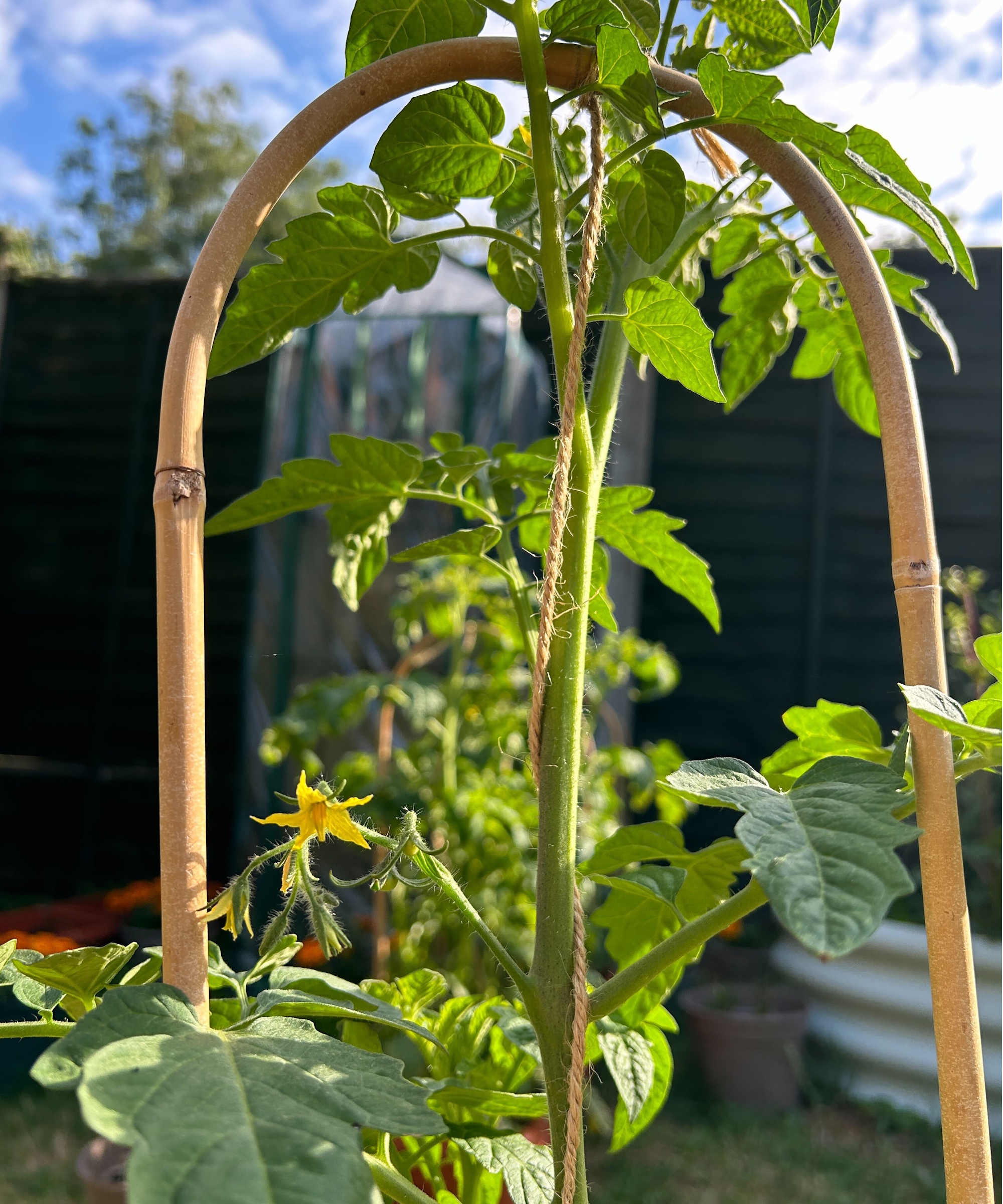
Credit: www.homesandgardens.com
Frequently Asked Questions
When Is The Best Time To Plant Tomatoes?
The best time to plant tomatoes is after the last frost. Tomatoes thrive in warm soil and need plenty of sunlight. Start seeds indoors 6-8 weeks before the last frost date. Transplant seedlings outdoors when temperatures consistently stay above 50°F (10°C) to ensure healthy growth.
How Deep Should I Plant Tomato Seedlings?
Plant tomato seedlings deep enough to cover the roots and part of the stem. Bury them up to the first set of leaves. This encourages the development of additional roots along the stem. Strong root systems help the plant absorb more nutrients and water, resulting in healthier tomato plants.
How Far Apart Should Tomato Plants Be?
Tomato plants should be spaced 18-24 inches apart. Proper spacing allows for adequate air circulation and reduces the risk of disease. It also provides enough room for growth, ensuring each plant receives adequate sunlight. Crowded plants may struggle to thrive and produce fewer fruits.
What Type Of Soil Is Best For Tomatoes?
Tomatoes thrive in well-draining, nutrient-rich soil with a pH of 6. 0 to 6. 8. Adding organic matter such as compost improves soil structure and fertility. Avoid heavy clay soils that retain water. Sandy loam soil is ideal, as it supports healthy root growth and optimal nutrient absorption.
Conclusion
Growing tomatoes can be a fun garden project. Start with healthy seeds or plants. Prepare your soil, ensuring it’s rich and well-drained. Plant your tomatoes after the last frost. Water them consistently, but don’t overdo it. Keep an eye on pests and use organic solutions.
Support plants as they grow with stakes or cages. Enjoy watching them turn ripe and ready for harvest. Fresh tomatoes taste great in salads and sauces. With these simple steps, your tomato plants will thrive. Happy gardening!