Garlic is more than just a kitchen staple; it’s a garden treasure waiting to be unearthed. Imagine stepping outside your door to pick fresh garlic for your recipes.
This isn’t just a dream; it’s a reality you can create in your garden. If you’re wondering how to plant garlic and enjoy its aromatic and flavorful bulbs, you’re in the right place. Picture this: the satisfaction of harvesting your own garlic, the joy of watching it grow, and the pride of serving it in your meals.
Doesn’t that sound delightful? Growing garlic is simpler than you might think, and with a few easy steps, you can transform your garden into a haven of this savory delight. You’ll discover the straightforward techniques to plant garlic successfully in your garden. Get ready to dig in, because by the end, you’ll be itching to get your hands dirty and start your garlic-growing journey. Let’s turn your garden dreams into reality, one clove at a time!
Choosing The Right Garlic Variety
Selecting the right garlic variety is crucial for garden success. Consider climate and soil type when choosing. Hardneck garlic thrives in cold climates, while softneck is ideal for warmer areas.
Choosing the right garlic variety is crucial for a successful harvest. Different varieties offer unique flavors and growth patterns. Understanding these differences helps you select the best option for your garden.Understanding Hardneck And Softneck Garlic
Garlic is mainly divided into hardneck and softneck types. Hardneck varieties have a woody stem and produce a flower stalk called a scape. They thrive in colder climates and offer robust flavors. Softneck varieties, on the other hand, have flexible stems and store well. They are ideal for milder climates and have a milder taste.Popular Hardneck Varieties
Hardneck garlic includes popular varieties like Rocambole and Purple Stripe. Rocambole garlic has a deep, rich flavor, perfect for cooking. Purple Stripe garlic is known for its striking purple skin and spicy taste. These varieties are great for those seeking bold flavors.Popular Softneck Varieties
Softneck garlic varieties include Artichoke and Silverskin. Artichoke garlic is easy to grow and stores well, making it a favorite. Silverskin garlic has a long shelf life and a mild flavor. These varieties suit those who prefer milder garlic.Consider Your Climate
Your local climate impacts garlic growth significantly. Hardneck varieties thrive in regions with cold winters. Softneck varieties are better for warmer areas. Choose a variety that matches your climate for optimal results.Decide Based On Taste Preferences
Taste preference plays a key role in variety selection. Hardneck garlic offers a stronger, more complex flavor. Softneck garlic is milder and more subtle. Decide based on the flavors you enjoy in your cooking.Availability And Seed Source
Ensure the variety you choose is available from a reliable source. Purchase from trusted garden centers or online suppliers. This ensures you receive healthy, disease-free garlic for planting.Preparing The Soil
Planting garlic in your garden begins with one crucial step: preparing the soil. The foundation of a successful garlic harvest is a well-prepared bed that ensures your plants receive the nutrients they need. But how do you make sure your soil is ready for garlic planting? Let’s break it down.
Soil Testing
Before you start amending your soil, it’s essential to know its current state. Soil testing is your first step. This simple process reveals the nutrient levels and pH balance of your garden bed.
You can purchase a soil test kit from your local garden center or send samples to a professional lab. The results will guide your next steps, ensuring your garlic has the ideal environment to thrive.
Have you ever felt like you’re flying blind when preparing your garden bed? A soil test gives you the map you need.
Amending The Soil
Once you have your soil test results, it’s time to amend your soil. If your test shows low nutrient levels, consider adding organic matter like compost or well-rotted manure. These natural amendments enrich the soil and improve its structure.
If the pH level is off, you might need to add lime to raise it or sulfur to lower it. Garlic prefers slightly acidic to neutral soil, usually around a pH of 6.0 to 7.0.
Have you noticed your garlic bulbs are smaller than expected? Poor soil nutrients or incorrect pH could be the culprit. Adjusting these factors can lead to bigger, healthier bulbs.
Remember, amending soil isn’t a one-time fix. Regular maintenance ensures your garden bed remains fertile and welcoming for garlic and other crops.
Selecting Seed Garlic
Choosing the right seed garlic ensures a healthy harvest. Opt for firm, disease-free bulbs with plump cloves. These will yield robust plants in your garden.
Selecting the right seed garlic is crucial for a healthy garden. Quality seed garlic leads to robust growth and flavorful bulbs. Choose varieties based on your climate and soil conditions.Certified Disease-free Bulbs
Opt for certified disease-free bulbs to avoid plant diseases. These bulbs are tested to ensure they are free from pathogens. Disease-free garlic ensures a healthy start and minimizes risks. Purchase bulbs from reputable suppliers or local farmers. Inspect bulbs for any signs of rot or damage.Hardneck Vs Softneck
Decide between hardneck and softneck garlic based on your region. Hardneck garlic thrives in cooler climates and offers larger cloves. It produces a flower stalk called a scape, adding flavor to dishes. Softneck garlic suits warmer areas and stores well for longer periods. It has more cloves, ideal for recipes needing more garlic. Consider your culinary preferences when choosing garlic type.
Credit: savvygardening.com
Timing The Planting
Plant garlic in your garden during the fall, before the ground freezes. Ensure the soil is loose and well-drained. This timing helps garlic cloves develop strong roots before winter.
Timing the planting is crucial for growing healthy garlic. Garlic needs time to establish roots before winter frost sets in. This timing ensures a robust harvest in the summer.Optimal Planting Seasons
Plant garlic in the fall. September and October are ideal months. This timing allows garlic to start growing before winter. Spring planting can also work, but fall planting is preferred. In warmer regions, planting can extend into November.Climate Considerations
Consider your climate when choosing a planting time. In colder areas, early fall is best. In milder climates, later in the fall works well. Garlic needs cold weather for bulb development. Ensure the ground is workable and not frozen. Check local frost dates to plan accordingly.Planting The Garlic
Select healthy garlic bulbs for planting in well-drained soil. Break the bulbs into cloves. Plant each clove pointy end up, about 2 inches deep, and 6 inches apart. Ensure the soil remains moist but not waterlogged.
Planting garlic in your garden is a rewarding endeavor that promises a bountiful harvest of flavorful bulbs. The process begins with the right preparation and execution, ensuring your garlic grows strong and healthy. Whether you’re a seasoned gardener or a first-timer, these steps will guide you through planting garlic effectively.Breaking The Bulbs
Start by selecting healthy, firm garlic bulbs. Avoid any that feel soft or show signs of mold. Break the bulbs apart into individual cloves, keeping the papery husk intact. This husk acts as a protective layer, essential for successful growth. Each clove you plant will develop into a full bulb. So, choose the largest cloves for the best results. Have you ever noticed how some cloves are bigger than others? Those are your best bet for a robust harvest.Spacing And Depth
Proper spacing is crucial for garlic to thrive. Plant each clove about 4-6 inches apart. This distance allows them to grow without competing for nutrients. Keep the pointed end facing up and plant each clove about 2 inches deep. Cover with soil and pat down gently. Imagine giving each clove its own personal space to flourish. Think about how sunlight and airflow are vital for growth. Have you arranged your garden to maximize these elements? It’s the small details that make a difference in your gardening success.Caring For Garlic Plants
Plant garlic in your garden by choosing a sunny spot with well-drained soil. Separate the cloves and plant them root-side down, about two inches deep and six inches apart. Water regularly and keep the area weed-free for healthy growth.
Planting garlic in your garden is an exciting venture. Caring for garlic plants ensures a bountiful harvest. They need regular attention to grow strong and healthy. Garlic’s basic care involves proper watering, mulching, and weeding.Watering Needs
Garlic requires consistent watering. Keep the soil moist but not soggy. Overwatering can lead to root rot. Water deeply once a week, depending on rain levels. In dry spells, increase watering frequency. Use a soaker hose for even distribution. Avoid wetting the leaves to prevent fungal diseases.Mulching And Weeding
Mulching helps retain moisture and suppress weeds. Apply a layer of straw or leaves around the garlic. This keeps the soil temperature stable. Remove weeds promptly as they compete for nutrients. Be gentle to avoid disturbing garlic roots. Regular weeding keeps the garden neat and garlic thriving.Fertilizing Garlic
Plant garlic in well-drained soil with compost for nutrients. Space cloves 4-6 inches apart, pointed side up.
Fertilizing garlic is a crucial step in ensuring a bountiful harvest. Garlic plants are heavy feeders, meaning they need a rich supply of nutrients to thrive. Proper fertilization not only boosts growth but also enhances the flavor of the bulbs.Organic Fertilizer Options
Choosing the right fertilizer can make all the difference. Organic options are a popular choice for many gardeners. Consider using compost or well-rotted manure to enrich the soil. You could also opt for bone meal, which is high in phosphorus, essential for bulb development. Blood meal is another excellent choice, providing a quick nitrogen boost. Remember, the goal is to nourish your garlic without overwhelming it with chemicals.Application Timing
Timing your fertilizer application is key to maximizing garlic growth. Apply your first dose when planting your garlic cloves in the fall. This gives them a nutrient-rich environment to start their journey. As spring arrives, your garlic will benefit from another round of feeding. Apply fertilizer when the shoots are about six inches tall. This helps sustain their rapid growth phase. Are you keeping an eye on your garlic’s progress? Regularly assessing their growth will guide you on when they might need a bit more nourishment. Always let your plants tell you what they need.
Credit: www.youtube.com
Dealing With Pests And Diseases
Garlic thrives in well-drained soil, but pests and diseases can threaten its growth. Regularly check for signs of pests or disease on your plants. Ensuring proper spacing and crop rotation helps prevent these issues.
Dealing with pests and diseases is a crucial aspect of maintaining a healthy garlic garden. A bountiful harvest can quickly be compromised if these challenges aren’t addressed proactively. By understanding common garlic pests and implementing effective disease prevention strategies, you can protect your crop and enjoy a successful growing season.Common Garlic Pests
Garlic is relatively hardy, but a few pests can still wreak havoc. Aphids, small sap-sucking insects, can cluster on your garlic plants, causing leaves to yellow and curl. To manage aphids, consider introducing natural predators like ladybugs or use a gentle spray of soapy water on affected plants. Another common pest is the onion maggot, which lays eggs at the base of the plant, leading to decaying bulbs. You can deter these pests by rotating crops each year and applying beneficial nematodes to the soil. Pay attention to any signs of pest activity early on to prevent widespread damage.Disease Prevention
Diseases can be a silent threat to your garlic garden. White rot, a fungal disease, can be particularly troublesome, causing plant wilting and bulb decay. To prevent white rot, ensure your soil is well-drained and avoid planting garlic in the same spot consecutively. Fusarium is another disease that can cause bulb rot and stunted growth. Plant garlic in raised beds to improve drainage and remove any infected plants promptly. Using disease-resistant garlic varieties can also be a practical measure to reduce the risk of infection. What strategies do you use to keep pests and diseases at bay in your garden? Taking proactive steps not only safeguards your garlic crop but also enhances your overall gardening experience.Harvesting Garlic
Plant garlic in your garden by choosing a sunny spot with well-drained soil. Separate the cloves and plant them pointy side up, 2 inches deep and 6 inches apart. Water regularly and watch your garlic grow.
Harvesting garlic is a rewarding part of gardening. You have nurtured your garlic plants for months. Now, it’s time to reap the benefits. Timing is crucial for a successful harvest. Harvest too early, and bulbs will be small. Wait too long, and cloves might split.Signs Of Maturity
Garlic is ready when leaves turn brown. Keep an eye on the plant. Count the leaves. If the bottom three are brown, the garlic is mature. Green leaves at the top are okay. They indicate the plant is still alive.Proper Harvest Techniques
Use a garden fork or shovel. Insert it gently under the bulb. Lift the bulb carefully. Avoid pulling the plant by the stem. This can damage the bulb. Shake off excess soil. Do not wash the bulbs. Let them dry naturally.
Credit: savvygardening.com
Storing And Using Garlic
Once you’ve successfully harvested your garlic, the next step is learning how to store and use it effectively. Proper storage ensures that you can savor its rich flavor long after the growing season ends. Whether you’re saving it for a savory dish or just want to keep it fresh for months, mastering the art of garlic storage is key. Let’s dive into how you can cure, dry, and store garlic to extend its shelf life and enjoy its pungent taste in your kitchen.
Curing And Drying
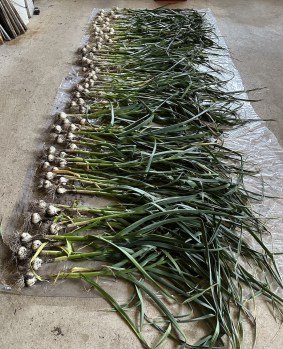
After harvesting, curing garlic is essential to prolong its freshness. Lay your garlic bulbs in a single layer in a dry, well-ventilated area. This could be a garage or a shaded porch. Allow them to dry for two to three weeks until the outer skins are papery and the necks are firm. This process not only enhances flavor but also prevents mold from forming.
Did you know that hanging garlic in bundles can be a fun way to dry them? Tie several bulbs together and hang them up in a cool, airy place. This method not only saves space but adds a rustic charm to your storage area.
Storage Solutions
Once dried, it’s time to store your garlic. A mesh bag or basket works wonders. Avoid plastic bags as they can trap moisture, leading to rot. Keep your garlic in a cool, dark place, like a pantry or cellar. Garlic stored properly can last up to six months!
Thinking of storing garlic in the fridge? While it might seem convenient, refrigeration can actually cause it to sprout. Instead, consider freezing peeled cloves or making garlic-infused oil for a ready-to-use option.
Have you ever tried pickling garlic? It’s a unique way to preserve its taste and add a tangy twist to your meals. Simply add peeled cloves to vinegar and spices in a jar, and you’ve got a flavorful addition to salads and sandwiches.
Storing garlic efficiently not only keeps it fresh but also ensures that you have a steady supply for culinary adventures. How will you make the most of your garlic harvest this season?
Frequently Asked Questions
What Is The Best Time To Plant Garlic?
The best time to plant garlic is in the fall. Ideally, plant garlic cloves about six weeks before the ground freezes. This timing allows the garlic to develop roots before winter. In warmer climates, you might plant garlic in late winter or early spring for a summer harvest.
How Deep Should I Plant Garlic Cloves?
Plant garlic cloves about 2 inches deep in the soil. Ensure the pointed end is facing upwards. Space the cloves 4 to 6 inches apart. This depth and spacing help garlic develop strong roots and bulbs. Cover them with soil and water lightly after planting.
How Often Should I Water Garlic Plants?
Water garlic plants moderately, especially during dry spells. Garlic prefers well-drained soil, so avoid overwatering. During the growing season, ensure the soil remains moist but not soggy. Reduce watering as the garlic matures and the tops begin to yellow, usually in late spring.
Do I Need To Fertilize Garlic Plants?
Yes, fertilizing garlic can enhance growth. Use a balanced fertilizer or compost when planting. Fertilize again in early spring as the garlic begins to grow. Avoid high-nitrogen fertilizers, which can lead to excess foliage and smaller bulbs. Organic fertilizers are often preferred for garlic.
Conclusion
Planting garlic in your garden is a rewarding task. Easy steps lead to thriving bulbs. Choose quality cloves and prepare soil well. Plant in autumn for best results. Ensure proper spacing and depth for growth. Water regularly but avoid overwatering.
Garlic enjoys sun and well-drained soil. Watch for pests and diseases. Harvest when leaves turn brown. Dry bulbs thoroughly before storing. Enjoy fresh garlic in your meals. It’s worth the effort. Simple and satisfying. With patience, your garlic garden will flourish.
Healthy and delicious. Start planting today for a bountiful harvest.