Do you ever look at your garden and wonder what exactly is growing there? Identifying plants can seem like a daunting task, especially when there are so many varieties.
But fear not! You don’t need to be a botanist to recognize the plants in your garden. With a little guidance, you can start identifying them with ease. Imagine the satisfaction of knowing each plant by name and understanding their needs better.
This knowledge can transform your gardening experience, making it more fulfilling and tailored to your specific environment. Keep reading to discover simple and effective ways to identify the plants in your garden, and unlock the secrets of your outdoor space.

Credit: www.facebook.com
Plant Identification Basics
Understanding the plants in your garden can be a delightful journey. Knowing each plant’s identity helps in nurturing them correctly. Plant identification is a fundamental skill for any gardener. It guides proper care and ensures healthy growth. Let’s delve into the basics of identifying plants in your garden.
Importance Of Knowing Your Plants
Recognizing plants leads to better gardening practices. You can provide appropriate water, light, and soil. It prevents you from planting invasive species that harm your garden. Knowing your plants helps in arranging them aesthetically. This creates a harmonious garden space.
Common Identification Methods
Several methods exist for identifying plants. Observation is the simplest way. Look at leaf shape, color, and texture. Examine the plant’s flowers and fruit. Use plant identification books or guides. They provide detailed descriptions and images.
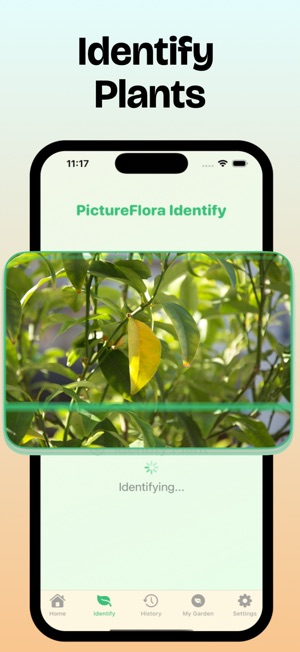
- Mobile Apps:These apps analyze photos and offer plant details.
- Online Databases:Websites provide extensive plant information.
- Local Nurseries:Experts can help identify unknown plants.
Combining these methods ensures accurate identification. It makes gardening more rewarding and effective.
Tools For Identifying Plants
Identifying plants in your garden becomes easier with the right tools. Use plant identification apps or guides to match leaves and flowers. Online forums and local gardening groups also provide valuable insights and help.
Identifying plants in your garden can be a rewarding activity. It enhances your gardening experience and knowledge. Various tools are available to help you recognize different plants. From smartphone apps to gardening books and online resources, each offers unique benefits. Let’s explore these tools further.Smartphone Apps
Smartphone apps are a convenient way to identify plants. They use your camera to analyze plant features. Apps like PlantSnap and PictureThis are popular choices. Simply take a photo, and the app provides detailed information. Many apps offer additional features. These include care tips and plant databases. They are user-friendly and accessible to everyone.Gardening Books
Gardening books are a timeless resource for plant identification. They offer detailed descriptions and images. Books cover a wide range of plant species. They also provide growing tips and care instructions. Look for books specific to your region. Regional guides include native plants and common garden species. Libraries and bookstores usually have a good selection.Online Resources
Online resources offer a wealth of plant information. Websites like the Royal Horticultural Society and Gardening Know How are reliable. They provide detailed plant profiles and care guides. Online forums and communities can be helpful too. They allow you to share images and get advice from fellow gardeners. Use search engines to find specific plant details.Recognizing Plant Characteristics
Recognizing plant characteristics involves observing leaf shape, color, and texture. Identify unique features like flower patterns or growth habits. Use these clues to distinguish different plants in your garden.
Recognizing the various characteristics of plants helps in identifying them. Each plant has unique features that set it apart. By observing these details, you can easily distinguish between different species. Let’s explore some key characteristics to look for in your garden.Leaf Shapes And Patterns
Leaves provide vital clues about a plant’s identity. Notice the shape of the leaves. Are they oval, heart-shaped, or lance-like? Also, observe the edges. They might be smooth, serrated, or lobed. Patterns on the leaf surface can vary too. Some leaves have unique veining or markings. These small details are essential.Flower Structures
Flowers are another distinguishing feature. Pay attention to the number of petals. Some flowers have five petals, while others have many more. Look at the arrangement of petals and colors. The presence of unique shapes or patterns is noteworthy. These aspects can help pinpoint a plant’s species.Stem And Bark Features
The stem and bark offer additional identification cues. Check the color and texture of the stem. Is it smooth, fuzzy, or ridged? Bark on trees and shrubs can vary significantly. Some have peeling bark, while others are rough. The thickness and color of the bark also provide hints. These features complete the picture of plant identification.Understanding Plant Taxonomy
Understanding Plant Taxonomy Identifying plants in your garden begins with observing leaf shape, flower color, and growth patterns. Use plant identification apps or guidebooks for accurate results.
Understanding plant taxonomy helps identify garden plants. Taxonomy classifies plants into groups. It organizes them based on shared features. This makes it easier to recognize and categorize different species. Knowing the taxonomy gives insights into plant characteristics. It also assists in understanding their growth habits.Family And Genus
Plants are grouped into families. Each family shares common traits. For example, the rose family includes apples and strawberries. This grouping helps in identifying plant similarities. The genus is a smaller group within the family. It provides a more specific classification. Plants in the same genus have closer similarities. This makes genus identification crucial for gardeners.Species And Varieties
Species define specific plants within a genus. They share distinct features. Recognizing species is essential for accurate identification. Varieties are different forms within a species. They may differ in color or shape. Understanding varieties allows for detailed plant identification. It helps in knowing the exact type of plant in your garden.Tips From Expert Gardeners
Understanding the plants in your garden can be a rewarding experience. Expert gardeners have plenty of advice to share. Their insights can help you identify plants and care for them better. You’ll learn to appreciate the unique traits of each plant. Read on for valuable tips from seasoned gardeners.
Seasonal Changes To Observe
Plants show different traits with the seasons. In spring, look for new leaves and blooms. Summer may bring lush growth and vibrant colors. Autumn often reveals changes in leaf color and seed production. Winter offers a chance to see bare branches and stems. Observing these changes helps in identifying plant species. Each season provides clues about your garden’s inhabitants.
Common Mistakes To Avoid
Avoid assuming all plants need the same care. Each plant has unique needs. Misidentifying plants can lead to incorrect care. This can harm your garden’s health. Don’t ignore plant labels or guides; they offer vital information. Relying solely on memory can lead to mistakes. Take notes and use plant ID apps to aid your memory. Mistakes are part of learning, but preparation can minimize them.

Credit: www.facebook.com
Engaging With The Gardening Community
Engage with the gardening community to learn how to identify plants in your garden. Share photos and ask questions in forums. Utilize plant identification apps and online resources for quick assistance.
Engaging with the gardening community can greatly enhance your plant identification skills. Connecting with others who share a passion for gardening offers valuable insights. You gain access to a wealth of shared knowledge and experiences. Community involvement provides support and encouragement on your gardening journey.Local Gardening Clubs
Local gardening clubs are a fantastic resource for plant identification. These clubs often host meetings, workshops, and plant swaps. Members share their expertise and help identify unknown plants. Joining a club can introduce you to experts and enthusiasts alike. This network can become an invaluable tool in expanding your plant knowledge. Gardening clubs often organize field trips to botanical gardens and nurseries. These outings offer hands-on learning experiences and exposure to diverse plant species.Social Media Groups
Social media groups offer a convenient way to connect with gardeners worldwide. These groups allow members to post pictures of unidentified plants. Fellow members usually respond quickly with helpful identification tips. It’s an easy way to tap into a vast pool of gardening knowledge. Many groups focus on specific plant types or gardening styles. This specialization can provide targeted advice and information. Participating in these groups builds a sense of community and shared purpose.Practical Exercises
Explore plant identification techniques in your garden through practical exercises. Use a guidebook or mobile app for help. Observe leaf shapes, colors, and flower features closely.
Practical exercises are essential for identifying plants in your garden. They help you connect with nature and improve your plant knowledge. These activities are hands-on and encourage interaction with your garden. They make learning enjoyable and effective.Creating A Plant Journal
A plant journal is a valuable tool for gardeners. It helps track plant growth and changes. Start by writing down plant names and descriptions. Include details like leaf shape and flower color. Add photos for visual reference. Update your journal regularly with new observations. It becomes a personal plant encyclopedia over time.Participating In Plant Swaps
Plant swaps are social events that boost your plant collection. They provide opportunities to exchange plants with other gardeners. Bring plants from your garden to share. You may find rare or unique species at these swaps. Discuss plant care tips with fellow enthusiasts. Learning from others enhances your gardening skills. Swaps foster community and broaden your plant knowledge.
Credit: www.facebook.com
Frequently Asked Questions
How Can I Identify Plants In My Garden?
To identify plants, observe their leaves, flowers, and stems. Use plant identification apps or online databases for accurate results. Books and gardening guides provide detailed descriptions and images. Joining local gardening clubs can also help you learn from experienced gardeners.
What Tools Help With Plant Identification?
Plant identification apps, online databases, and gardening books are essential tools. Apps like PlantSnap use photos to identify plants instantly. Online platforms offer detailed plant information. Books provide images and descriptions for comparison. Combining these tools improves identification accuracy.
Are There Apps For Identifying Garden Plants?
Yes, several apps like PlantSnap and PictureThis help identify garden plants. These apps use photos to recognize plant species quickly. They offer information on plant care, growth habits, and more. Using such apps makes plant identification easy and efficient.
Why Is Plant Identification Important?
Identifying plants helps you care for them properly. Knowing plant species aids in understanding their growth needs and pest resistance. It ensures you provide the right soil, water, and sunlight. Proper identification also enhances your garden’s biodiversity and beauty.
Conclusion
Identifying plants can be a fun garden activity. Use apps, books, or ask experts. Check leaf shapes, colors, and patterns for clues. Take notes and snap pictures for reference. This practice helps you learn faster. Pay attention to plant needs like sunlight and water.
You’ll understand your garden better. Enjoy the beauty and diversity around you. Your garden will thrive with proper care and knowledge. Keep exploring and discovering new plants. With time, you will become more confident. And your garden will thank you.
Happy gardening!